Biochemical Assay Reagents

Biochemical Assay Reagents collects small molecules used to prepare, run and calibrate biochemical and cell-based assays. Vitamins and cofactors such as niacin, riboflavin and biotin sit alongside sugars, sugar alcohols and amino acids such as L-arginine. Enzyme substrates and metal-ion chelators complete the range, including the calcium chelator 1,2-bis(2-aminophenoxy)ethane-N,N,N′,N′-tetraacetic acid (BAPTA). Three subcategories group related reagents, namely Carbohydrates & Glycobiology, Acyl-CoA & Cofactors for acyl-coenzyme A (acyl-CoA) compounds, and Chelators & Bifunctional Chelators. Most of these compounds act as substrates, cofactors, standards or buffer components rather than as inhibitors of a defined target.

Items 326-350 of 465

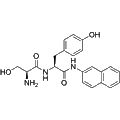
  • Ser-Tyr β-naphthylamide
    Cat. No.
    A91596

    Ser-Tyr β-naphthylamide

    Ser-Tyr β-naphthylamide is a biochemical assay reagent that serves as a substrate for serine and tyrosine proteases. It enables the study of enzyme kinetics and substrate specificity in various biochemical pathways. This compound is essential for applications in proteomics and drug discovery, facilitating the identification and characterization of protease activity in biological samples.

    25 mg
    $130.00
    50 mg
    $200.00
    All 3 sizes
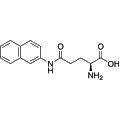
  • γ-Glutamyl-β-naphthylamide
    Cat. No.
    A91627

    γ-Glutamyl-β-naphthylamide

    Synonyms: gamma-Glutamyl-beta-naphthylamide

    γ-Glutamyl-β-naphthylamide is a substrate for γ-glutamine peptidase, facilitating the enzymatic cleavage of the peptide chain. This reagent can be utilized in microbial identification assays, particularly for differentiating between Neisseria gonorrhoeae and Neisseria meningitidis. Its specificity makes it a valuable tool for research applications involving enzymatic activity and pathogen characterization.

    25 mg
    $45.00
    50 mg
    $70.00
    All 3 sizes
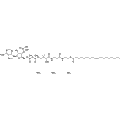
  • Oleoyl Coenzyme A triammonium
    Cat. No.
    A91634

    Oleoyl Coenzyme A triammonium

    Oleoyl Coenzyme A triammonium is the ammonium salt of Oleoyl Coenzyme A, primarily functioning as a substrate in metabolic processes. It exhibits inhibitory effects on neutral lipase, which is significant in lipid metabolism. This compound is essential for studying ATP-dependent signal transduction pathways in plants and can be employed in various biological research applications related to fatty acid metabolism and regulation.

    Out of stock

    All 3 sizes
  • 2,3,4,6-Tetra-O-acetyl-PtdGlc(di-acyl Chain)
    Cat. No.
    A91663

    2,3,4,6-Tetra-O-acetyl-PtdGlc(di-acyl Chain)

    2,3,4,6-Tetra-O-acetyl-PtdGlc(di-acyl Chain) functions as a biochemical assay reagent, serving as a synthetic substrate in the study of membrane dynamics and lipid metabolism. This compound is designed for research applications that require specific interactions with lipid bilayers and can aid in understanding cellular processes involving glycosphingolipids. Its structural features enhance solubility and facilitate various experimental conditions in life sciences research.

    Out of stock

    All 3 sizes
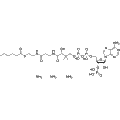
  • Hexanoyl-coenzyme A triammonium
    Cat. No.
    A91670

    Hexanoyl-coenzyme A triammonium

    Synonyms: 06:0 Coenzyme A triammonium

    Hexanoyl-Coenzyme A triammonium is a medium-chain fatty acyl CoA that serves as an acyl donor substrate for the enzyme ghrelin O-acyltransferase (GOAT). Its primary mechanism involves the acylation of ghrelin, which plays a critical role in regulating energy homeostasis and appetite. This compound is valuable in metabolic research and studies examining the role of ghrelin acylation in physiological processes and disorders related to energy balance.

    1 mg
    $520.00
    All 1 sizes
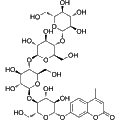
  • 4-Methylumbelliferyl β-D-cellotetroside
    Cat. No.
    A91671

    4-Methylumbelliferyl β-D-cellotetroside

    4-Methylumbelliferyl β-D-cellotetroside is a biochemical reagent that serves as a substrate for the detection of glycosidase activity. This compound releases the fluorescent product 4-methylumbelliferone upon enzymatic cleavage, allowing for sensitive monitoring of enzymatic processes. It is widely utilized in research applications related to carbohydrate metabolism and the study of glycosylation in various biological contexts.

    1 mg
    $545.00
    2 mg
    $1,030.00
    All 3 sizes
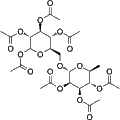
  • Rutinose Heptaacetate
    Cat. No.
    A91680

    Rutinose Heptaacetate

    Rutinose Heptaacetate is a biochemical assay reagent that serves as a useful substrate for enzymatic studies and carbohydrate metabolism research. This compound facilitates the investigation of glycosylation processes and interactions with glycosyltransferases, aiding in the understanding of carbohydrate structures and functions. It is an essential tool for researchers exploring the biochemical pathways involving flavonoids and their derivatives.

    5 mg
    $105.00
    10 mg
    $125.00
    All 4 sizes
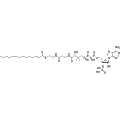
  • Myristoleoyl-CoA
    Cat. No.
    A91717

    Myristoleoyl-CoA

    Synonyms: Coenzyme A,S-(9Z)-9-tetradecenoate

    Myristoleoyl-CoA is a coenzyme A derivative that serves as a critical substrate in lipid metabolism. This compound is involved in the biosynthesis of fatty acids and can influence metabolic pathways related to energy production and cellular signaling. Myristoleoyl-CoA is valuable for research applications focusing on lipid biochemistry, metabolic disorders, and enzymatic reactions related to fatty acid synthesis.

    Out of stock

    All 3 sizes
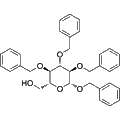
  • 1,2,3,4-Tetra-O-benzyl-β-D-glucopyranoside, 98%
    Cat. No.
    A91729

    1,2,3,4-Tetra-O-benzyl-β-D-glucopyranoside, 98%

    1,2,3,4-Tetra-O-benzyl-β-D-glucopyranoside serves as a substrate for enzymatic glycosylation reactions and is utilized in glycosyltransferase assays. This compound is crucial for studying glycosylation processes, providing insights into carbohydrate metabolism and enzyme specificity. Its high purity level (98%) ensures reliable performance in research applications involving carbohydrate chemistry and enzymology.

    10 mg
    $185.00
    25 mg
    $335.00
    All 3 sizes
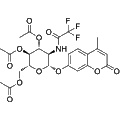
  • 4-Methylumbelliferyl 2-trifluoroacetyl-3,4,6-O-triacetyl-2-deoxy-β-D-glucopyranoside
    Cat. No.
    A91735

    4-Methylumbelliferyl 2-trifluoroacetyl-3,4,6-O-triacetyl-2-deoxy-β-D-glucopyranoside

    4-Methylumbelliferyl 2-trifluoroacetyl-3,4,6-O-triacetyl-2-deoxy-β-D-glucopyranoside is a biochemical reagent primarily used as a fluorescent substrate for the detection and quantification of glycosidases. Upon enzymatic hydrolysis, it releases a fluorescent compound, enabling sensitive assays in glycoprotein research and carbohydrate metabolism studies. This compound is suitable for applications in enzymology, cell biology, and various biochemical assays focusing on carbohydrate-active enzymes.

    5 mg
    $50.00
    10 mg
    $65.00
    All 3 sizes
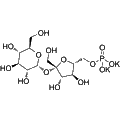
  • Sucrose 6′-monophosphate (dipotassium)
    Cat. No.
    A91763

    Sucrose 6′-monophosphate (dipotassium)

    Sucrose 6′-monophosphate dipotassium is a dipotassium salt of a phosphorylated derivative of sucrose, serving as a key substrate in carbohydrate metabolism studies. This reagent plays a vital role in the investigation of sugar phosphate pathways and their implications in cellular signaling and energy transfer. It is useful in a variety of biochemical applications, particularly in enzyme activity assays and metabolic research.

    1 mg
    $230.00
    5 mg
    $590.00
    All 3 sizes
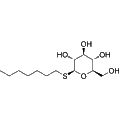
  • n-Heptyl β-D-thioglucoside
    Cat. No.
    A91779

    n-Heptyl β-D-thioglucoside

    Synonyms: Heptyl 1-thiohexopyranoside

    n-Heptyl β-D-thioglucoside serves as a biochemical assay reagent that functions as a substrate for various glycosidases. This compound is utilized in research applications focused on enzymatic activity and the study of carbohydrate metabolism. Its unique structure and properties make it suitable for analyses in glycosylation processes and carbohydrate-related studies.

    100 mg
    $40.00
    500 mg
    $125.00
    All 2 sizes
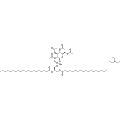
  • (Rac)-1,2-Dihexadecylglycerol
    Cat. No.
    A91809

    (Rac)-1,2-Dihexadecylglycerol

    (Rac)-1,2-Dihexadecylglycerol is a biochemical assay reagent that serves as a versatile substrate in lipid metabolism studies. This organic compound is utilized in research applications involving membrane dynamics and cell signaling pathways. Its structural similarity to naturally occurring glycerolipids makes it an essential tool for investigating lipid-related biological processes.

    100 mg
    $150.00
    250 mg
    $340.00
    All 3 sizes
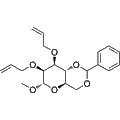
  • Methyl 2,3-O-diallyl-4,6-O-benzylidene-α-D-mannopyranoside
    Cat. No.
    A91810

    Methyl 2,3-O-diallyl-4,6-O-benzylidene-α-D-mannopyranoside

    Methyl 2,3-O-diallyl-4,6-O-benzylidene-α-D-mannopyranoside is a biochemical assay reagent that serves as a substrate for glycosyltransferase enzymes. This compound exhibits significant biological activity through its ability to participate in glycosylation reactions, making it relevant for studying carbohydrate metabolism and enzyme kinetics. It is suitable for various research applications, including investigating enzyme specificity and the role of glycosylation in cell signaling pathways.

    Out of stock

    All 3 sizes
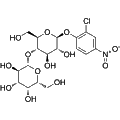
  • 2-Chloro-4-nitrophenyl-β-D-lactoside
    Cat. No.
    A91817

    2-Chloro-4-nitrophenyl-β-D-lactoside

    2-Chloro-4-nitrophenyl-β-D-lactoside acts as a substrate for lactosidase, facilitating the enzymatic activity needed for biochemical assays. The compound releases a detectable product upon hydrolysis, making it a valuable tool for quantifying lactosidase activity in various biological samples. Researchers can utilize this reagent for enzyme characterization and kinetic studies in lactosidase-related research applications.

    Out of stock

    All 3 sizes
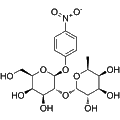
  • p-Nitrophenyl 2-O-(α-L-fucopyranosyl)-β-D-galactopyranoside
    Cat. No.
    A91835

    p-Nitrophenyl 2-O-(α-L-fucopyranosyl)-β-D-galactopyranoside

    p-Nitrophenyl 2-O-(α-L-fucopyranosyl)-β-D-galactopyranoside is a biochemical reagent primarily used as a substrate in glycosidase assays. This compound serves as a specific indicator for the enzymatic activity of glycosidases that hydrolyze fucosylated glycosides, facilitating the study of carbohydrate metabolism and enzyme kinetics. Its ability to release p-nitrophenol upon cleavage makes it a valuable tool for monitoring reactions in biochemical research.

    1 mg
    $330.00
    All 1 sizes
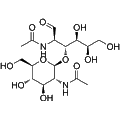
  • GlcNAc1-β-3GalNAc
    Cat. No.
    A91851

    GlcNAc1-β-3GalNAc

    GlcNAc1-β-3GalNAc is a biochemical assay reagent that serves as a substrate for glycosyltransferases. It plays a crucial role in studying glycan biosynthesis and analyzing glycoprotein interactions. This compound is valuable for research in cell signaling and development, particularly in the context of glycan-mediated biological processes.

    0.5 mg
    $545.00
    1 mg
    $820.00
    All 3 sizes
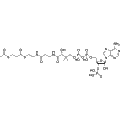
  • S-[3-(Acetylthio)propanoate]-CoA
    Cat. No.
    A91885

    S-[3-(Acetylthio)propanoate]-CoA

    Synonyms: S-[3-(Acetylthio)propanoate]-coenzyme A

    S-[3-(Acetylthio)propanoate]-CoA is a coenzyme A derivative that serves as a key biochemical substrate in various metabolic pathways. Its primary mechanism involves participation in acylation reactions, facilitating the transfer of acyl groups. This compound is invaluable for studies in lipid metabolism, enzymatic activity, and the regulation of cellular processes related to energy production and biosynthesis.

    Out of stock

    All 3 sizes
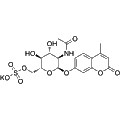
  • 4-Methylumbelliferyl 6-sulfo-2-acetamido-2-deoxy-α-D-glucopyranoside potassium
    Cat. No.
    A91892

    4-Methylumbelliferyl 6-sulfo-2-acetamido-2-deoxy-α-D-glucopyranoside potassium

    4-Methylumbelliferyl 6-sulfo-2-acetamido-2-deoxy-α-D-glucopyranoside potassium is a biochemical reagent that serves as a substrate for specific glycosidases. This compound is utilized in enzymatic assays to facilitate the detection and quantification of enzymatic activities. Its fluorescent properties allow for sensitive analysis in various research applications, including studies of carbohydrate metabolism and enzyme kinetics.

    1 mg
    $330.00
    10 mg
    $2,825.00
    All 2 sizes
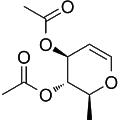
  • 3,4-Di-O-acetyl-L-rhamnal
    Cat. No.
    A91900

    3,4-Di-O-acetyl-L-rhamnal

    Synonyms: 3,4-Di-O-acetyl-6-deoxy-L-glucal

    3,4-Di-O-acetyl-L-rhamnal is a biochemical assay reagent that serves as a substrate for various enzyme-catalyzed reactions. This compound is utilized in the study of glycosylation processes and in the investigation of carbohydrates' role in biological systems. Its application extends to assessing enzyme activity and profiling glycosyltransferases in life science research.

    1 mg
    $20.00
    5 mg
    $25.00
    All 10 sizes
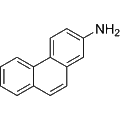
  • 2-Aminophenanthrene
    Cat. No.
    A91901

    2-Aminophenanthrene

    2-Aminophenanthrene is an aromatic compound that serves as an effective substrate for the synthesis of acethydroxamic acid. It exhibits oxidative properties and can be readily oxidized using agents such as alkaline ferricyanide or silver oxide. This compound is utilized in chemical research focused on organic synthesis and the study of reaction mechanisms involving hydroxamic acids.

    1 mg
    $155.00
    5 mg
    $395.00
    All 4 sizes
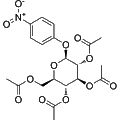
  • 4-Nitrophenyl 2,3,4,6-tetra-O-acetyl-β-D-glucopyranoside
    Cat. No.
    A91982

    4-Nitrophenyl 2,3,4,6-tetra-O-acetyl-β-D-glucopyranoside

    4-Nitrophenyl 2,3,4,6-tetra-O-acetyl-β-D-glucopyranoside is a biochemical assay reagent that serves as a substrate for glycosidases. Upon enzymatic cleavage, it releases 4-nitrophenol, which can be quantitatively measured, facilitating the study of enzyme kinetics and carbohydrate metabolism. This compound is widely utilized in research applications focused on enzyme activity assays and carbohydrate analysis.

    100 mg
    $40.00
    1 g
    $120.00
    All 3 sizes
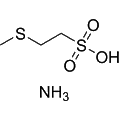
  • Methyl coenzyme M ammonium
    Cat. No.
    A92001

    Methyl coenzyme M ammonium

    Methyl coenzyme M ammonium serves as a crucial substrate for methyl-coenzyme M reductase, facilitating the reversible synthesis of methane in methanogenic archaea, including ANME-1 and ANME-2. This compound is integral for studying the biochemical pathways of methanogenesis and the role of archaea in carbon cycling. Its applications extend to environmental microbiology and bioenergy research, providing insights into microbial metabolism and methane production processes.

    Out of stock

    All 3 sizes
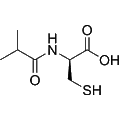
  • N-Isobutyryl-D-cysteine
    Cat. No.
    A92014

    N-Isobutyryl-D-cysteine

    N-Isobutyryl-D-cysteine is a biochemical assay reagent that serves as a substrate for various enzymatic reactions. It is commonly utilized in studies related to cysteine metabolism and cellular redox balance. This compound is valuable for examining the roles of cysteine derivatives in biological systems and their implications in disease research.

    50 mg
    $95.00
    100 mg
    $140.00
    All 3 sizes
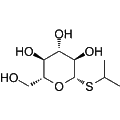
  • Isopropyl β-D-thioglucopyranoside
    Cat. No.
    A92074

    Isopropyl β-D-thioglucopyranoside

    Isopropyl β-D-thioglucopyranoside is a biochemical assay reagent that serves as a potent substrate for the study of glycosyltransferases and other carbohydrate-processing enzymes. This compound promotes the generation of thiolated carbohydrates, enabling detailed investigations into glycosylation processes and enzymatic mechanisms. Its applications extend to various fields of biochemistry, including glycobiology and enzymology research, facilitating the exploration of carbohydrate structures and functions.

    Out of stock

    All 3 sizes

Items 326-350 of 465

Added to your cart

View Cart Checkout

    Loading...