Biochemical Assay Reagents

Biochemical Assay Reagents collects small molecules used to prepare, run and calibrate biochemical and cell-based assays. Vitamins and cofactors such as niacin, riboflavin and biotin sit alongside sugars, sugar alcohols and amino acids such as L-arginine. Enzyme substrates and metal-ion chelators complete the range, including the calcium chelator 1,2-bis(2-aminophenoxy)ethane-N,N,N′,N′-tetraacetic acid (BAPTA). Three subcategories group related reagents, namely Carbohydrates & Glycobiology, Acyl-CoA & Cofactors for acyl-coenzyme A (acyl-CoA) compounds, and Chelators & Bifunctional Chelators. Most of these compounds act as substrates, cofactors, standards or buffer components rather than as inhibitors of a defined target.

Items 351-375 of 465

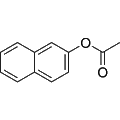
  • 2-Naphthyl acetate
    Cat. No.
    A92084

    2-Naphthyl acetate

    2-Naphthyl acetate is a biochemical assay reagent that serves as a substrate for various enzymatic reactions. It is primarily employed in studies related to enzyme activity, particularly in the assessment of acetyltransferase activity. This compound is useful in the field of life sciences for probing metabolic pathways and evaluating enzymatic mechanisms.

    5 g
    $20.00
    10 g
    $30.00
    All 3 sizes
  • VP-CoA
    Cat. No.
    A92086

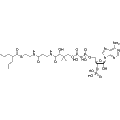
    VP-CoA

    Synonyms: VP-Coenzyme A; Valproyl-CoA; Valproyl-coenzyme A

    VP-CoA is a coenzyme A derivative that serves as a crucial substrate for various enzymatic reactions. It plays a significant role in metabolic pathways, particularly in the activation and metabolism of fatty acids and amino acids. VP-CoA is valuable for studies focusing on energy metabolism, lipid biosynthesis, and cellular signaling. Researchers can utilize this reagent to explore its effects in biochemical assays and metabolic studies.

    Out of stock

    All 3 sizes
  • Hematoporphyrin IX dimethyl ester
    Cat. No.
    A92099

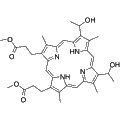
    Hematoporphyrin IX dimethyl ester

    Hematoporphyrin IX dimethyl ester is a biochemical assay reagent that serves as a substrate for photodynamic therapy applications. This compound exhibits photophysical properties that can facilitate studies on cellular metabolism and tumor targeting. Its unique characteristics make it suitable for research in cancer biology and diagnostic imaging.

    Out of stock

    All 3 sizes
  • 4-Methylumbelliferyl 3,4,6-tri-O-acetyl-2-deoxy-2-trifluoroacetamido-α-D-glucopyranoside
    Cat. No.
    A92114

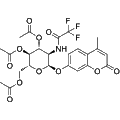
    4-Methylumbelliferyl 3,4,6-tri-O-acetyl-2-deoxy-2-trifluoroacetamido-α-D-glucopyranoside

    Synonyms: A-MUAA

    4-Methylumbelliferyl 3,4,6-tri-O-acetyl-2-deoxy-2-trifluoroacetamido-α-D-glucopyranoside functions as a fluorogenic substrate for carbohydrate-active enzymes, specifically glycosidases. This compound enables the quantitative detection of glycosidase activity through fluorescence emission, making it valuable in enzymology and carbohydrate metabolism research. It aids in studying enzymatic reactions and the characterization of glycosidase specificity, contributing to a better understanding of glycosylation processes in biological systems.

    5 mg
    $120.00
    10 mg
    $130.00
    All 3 sizes
  • L-Leucine-7-amido-4-methylcoumarin
    Cat. No.
    A92119

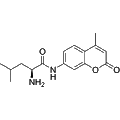
    L-Leucine-7-amido-4-methylcoumarin

    L-Leucine-7-amido-4-methylcoumarin is a biochemical assay reagent that serves as a substrate for protease activity assays. Its structure enables selective cleavage by various proteases, facilitating the study of enzymatic activity. This compound is utilized in diverse research applications, including the characterization of proteolytic enzymes and screening of protease inhibitors.

    Out of stock

    All 3 sizes
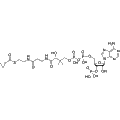
  • Cyclopropanecarboxyl-CoA
    Cat. No.
    A92218

    Cyclopropanecarboxyl-CoA

    Synonyms: S-cyclopropanecarboxyl-coenzyme A

    Cyclopropanecarboxyl-CoA is a coenzyme A derivative that serves as a substrate in various biochemical reactions. It plays a crucial role in metabolic pathways related to fatty acid metabolism and amino acid synthesis. This compound is valuable for research applications focused on enzyme assays and metabolic flux analysis.

    Out of stock

    All 3 sizes
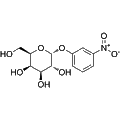
  • 3-Nitrophenyl α-D-galactopyranoside
    Cat. No.
    A92230

    3-Nitrophenyl α-D-galactopyranoside

    3-Nitrophenyl α-D-galactopyranoside serves as a substrate for the enzymatic activity of galactosidases, facilitating biochemical assays in glycobiology research. This compound enables the study of glycosylation patterns and enzyme kinetics, aiding in the understanding of carbohydrate-active enzymes and their roles in various biological processes. Its application extends to assessing enzyme functionality and characterizing galactose-containing oligosaccharides in a variety of research contexts.

    25 mg
    $45.00
    50 mg
    $65.00
    All 5 sizes
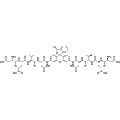
  • (Z-Asp-Glu-Val-Asp)2-Rh110
    Cat. No.
    A92234

    (Z-Asp-Glu-Val-Asp)2-Rh110

    (Z-Asp-Glu-Val-Asp)2-Rh110 is a fluorescent peptide substrate designed for the selective detection of active caspases. This compound exhibits high sensitivity and specificity, enabling researchers to monitor apoptosis and cellular signaling pathways effectively. It can be utilized in various applications, including drug discovery and the study of programmed cell death mechanisms.

    Out of stock

    All 3 sizes
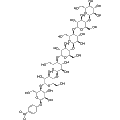
  • 4-Nitrophenyl-α-D-maltoheptaoside
    Cat. No.
    A92239

    4-Nitrophenyl-α-D-maltoheptaoside

    4-Nitrophenyl-α-D-maltoheptaoside is a biochemical reagent utilized in glycobiology research, particularly as a substrate to study glycosylation processes. Its functional role facilitates investigations into carbohydrate chemistry, enzymatic glycan formation and degradation, and protein-glycan interactions. This compound is essential for exploring the biological roles of glycans in various systems and contributes significantly to advancements in basic research, biomedicine, and biotechnology.

    Out of stock

    All 3 sizes
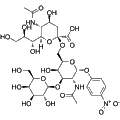
  • Galβ(1-3)[Neu5Acα(2-6)]GalNAc-α-pNP
    Cat. No.
    A92277

    Galβ(1-3)[Neu5Acα(2-6)]GalNAc-α-pNP

    Galβ(1-3)[Neu5Acα(2-6)]GalNAc-α-pNP is a biochemical assay reagent that serves as a substrate for the detection of glycosylation enzymes. This compound is particularly useful in studying sialylated glycan structures and their roles in cellular processes. It facilitates research into glycan-related biological activities, contributing to the understanding of glycoprotein function and interaction in various life science applications.

    Out of stock

    All 3 sizes
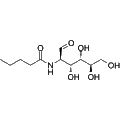
  • N-Valeryl-D-glucosamine
    Cat. No.
    A92303

    N-Valeryl-D-glucosamine

    N-Valeryl-D-glucosamine is a biochemical assay reagent that serves as a key substrate in various biological processes. It is primarily utilized in the study of glycosylation and carbohydrate metabolism, enabling researchers to investigate cellular interactions and enzyme activities. This compound is essential for advancing research in fields such as biochemistry, molecular biology, and pharmacology.

    Out of stock

    All 3 sizes
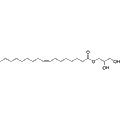
  • 2,3-Dihydroxypropyl (8Z)-8-heptadecenoate
    Cat. No.
    A92312

    2,3-Dihydroxypropyl (8Z)-8-heptadecenoate

    2,3-Dihydroxypropyl (8Z)-8-heptadecenoate serves as a biochemical assay reagent, functioning primarily as a substrate for various enzymatic reactions. Its unique structural properties enable researchers to investigate lipid metabolism and related biochemical pathways. This compound is particularly valuable in studies focused on fatty acid synthesis and characterization of lipid-modifying enzymes.

    Out of stock

    All 3 sizes
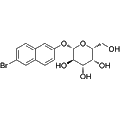
  • 6-Bromo-2-naphthyl-β-D-galactopyranoside
    Cat. No.
    A92334

    6-Bromo-2-naphthyl-β-D-galactopyranoside

    Synonyms: 6-Bromo-2-naphthyl-beta-D-galactopyranoside

    6-Bromo-2-naphthyl-β-D-galactopyranoside is a chromogenic substrate designed for the detection of β-galactosidase activity. Hydrolysis of this compound by β-galactosidase results in the formation of a yellow precipitate, serving as a visual indicator of enzymatic activity. It is widely utilized in various research applications, including studies involving food microbiology, enzyme kinetics, and cell culture assays.

    10 mg
    $25.00
    25 mg
    $35.00
    All 4 sizes
  • Decyl 1-thio-β-D-glucopyranoside
    Cat. No.
    A92406

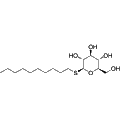
    Decyl 1-thio-β-D-glucopyranoside

    Decyl 1-thio-β-D-glucopyranoside serves as a biochemical assay reagent, primarily acting as a substrate for glycoside hydrolases. This compound facilitates the study of enzyme kinetics and substrate specificity in carbohydrate metabolism. Its unique structure allows for enhanced solubility and reactivity in various biochemical assays, making it valuable for research involving glycosylation processes and enzymatic reactions.

    Out of stock

    All 3 sizes
  • L-Histidine 7-amido-4-methylcoumarin
    Cat. No.
    A92435

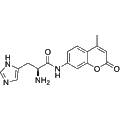
    L-Histidine 7-amido-4-methylcoumarin

    L-Histidine 7-amido-4-methylcoumarin is a biochemical reagent primarily utilized for its role as a substrate in various enzymatic assays. This compound exhibits fluorescence upon cleavage by specific enzymes, facilitating the detection of histidine-related enzymatic activity. It is commonly employed in studies focusing on histidine metabolism and enzymatic processes, making it a valuable tool for biochemical and molecular biology research.

    Out of stock

    All 3 sizes
  • Benzoylthiocholine iodide
    Cat. No.
    A92448

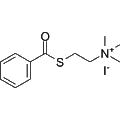
    Benzoylthiocholine iodide

    Benzoylthiocholine iodide is a biochemical assay reagent that serves as a substrate for cholinesterase enzymes. It is predominantly used in enzyme activity assays to study physiological and pathological processes involving cholinergic signaling. The compound's ability to generate measurable products upon enzymatic hydrolysis makes it valuable for probing enzyme kinetics and screening potential enzyme inhibitors in research applications.

    Out of stock

    All 3 sizes
  • Indoxyl β-D-galactopyranoside
    Cat. No.
    A92462

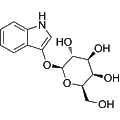
    Indoxyl β-D-galactopyranoside

    Indoxyl β-D-galactopyranoside is a biochemical reagent utilized primarily as a substrate for the enzyme β-galactosidase. Upon hydrolysis by β-galactosidase, it releases indoxyl, resulting in a colorimetric change that can be used to quantify enzyme activity. This compound is widely employed in molecular biology and enzymology studies, particularly for the detection and analysis of β-galactosidase in various organisms and biological samples.

    1 mg
    $30.00
    5 mg
    $90.00
    All 2 sizes
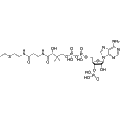
  • S-Ethyl-CoA
    Cat. No.
    A92467

    S-Ethyl-CoA

    Synonyms: S-Ethylcoenzyme A

    S-Ethyl-CoA is a derivative of coenzyme A that serves as an important substrate in various biochemical pathways. It plays a crucial role in the metabolism of fatty acids and participates in the synthesis of acetyl-CoA. This compound is utilized in research applications focused on metabolic studies, enzymatic reactions, and the investigation of coenzyme A-related processes.

    Out of stock

    All 3 sizes
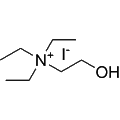
  • Triethylcholine iodide
    Cat. No.
    A92487

    Triethylcholine iodide

    Triethylcholine iodide is a biochemical assay reagent that serves primarily as a substrate for the synthesis of acetylcholine in enzymatic studies. This compound is utilized in various research applications, including neurochemical investigations and studies involving neurotransmitter transport mechanisms. Its utility in biological assays makes it valuable for exploring cholinergic signaling pathways and related physiological processes.

    250 mg
    $20.00
    1 g
    $55.00
    All 3 sizes
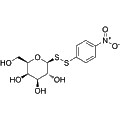
  • 4-Nitrophenyl 1-thio-β-D-galactopyranoside
    Cat. No.
    A92517

    4-Nitrophenyl 1-thio-β-D-galactopyranoside

    4-Nitrophenyl 1-thio-β-D-galactopyranoside is a substrate for β-galactosidase, facilitating the assessment of enzyme activity in biochemical assays. Its cleavage produces a chromogenic product, allowing for the quantitative measurement of glycosidase activity, making it a valuable tool for glycobiology research. This reagent is suitable for studies involving carbohydrate metabolism and enzyme kinetics.

    25 mg
    $190.00
    50 mg
    $300.00
    All 4 sizes
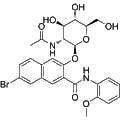
  • Naphthol AS-BI N-acetyl-β-D-glucosaminide
    Cat. No.
    A92587

    Naphthol AS-BI N-acetyl-β-D-glucosaminide

    Naphthol AS-BI N-acetyl-β-D-glucosaminide is a highly specific substrate for the enzyme N-acetyl-β-glucosaminidase. This compound enables the detection and localization of active enzyme regions, facilitating studies on enzyme activity and function. Its applications include investigating glycosylation processes and analyzing enzyme-linked pathological conditions, making it valuable for biochemical and histochemical research.

    25 mg
    $160.00
    50 mg
    $245.00
    All 5 sizes
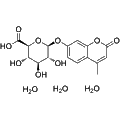
  • 4-Methylumbelliferyl-β-D-glucuronide trihydrate
    Cat. No.
    A92595

    4-Methylumbelliferyl-β-D-glucuronide trihydrate

    4-Methylumbelliferyl-β-D-glucuronide trihydrate is a biochemical assay reagent that serves as a substrate for the detection of glucuronidase activity. Upon hydrolysis, it releases 4-methylumbelliferone, which emits a fluorescent signal, making it useful for various enzymatic assays. This compound is widely utilized in drug metabolism studies and for assessing enzyme activity in pharmaceutical and biochemical research.

    Out of stock

    All 3 sizes
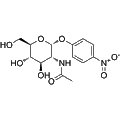
  • 4-Nitrophenyl N-acetyl-α-D-glucosaminide
    Cat. No.
    A92603

    4-Nitrophenyl N-acetyl-α-D-glucosaminide

    4-Nitrophenyl N-acetyl-α-D-glucosaminide is a substrate utilized for assessing the enzymatic specificity of glycosidases. Its 4-nitrophenyl group allows for colorimetric detection of enzymatic activity, facilitating quantitative analysis in biochemical assays. This compound is particularly valuable in the study of glycan metabolism and in enzyme characterization research.

    5 mg
    $235.00
    10 mg
    $385.00
    All 2 sizes
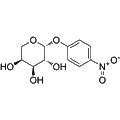
  • 4-Nitrophenyl β-L-arabinopyranoside
    Cat. No.
    A92608

    4-Nitrophenyl β-L-arabinopyranoside

    4-Nitrophenyl β-L-arabinopyranoside serves as a substrate for biochemical assays involving galactosidase. Upon enzymatic hydrolysis, it produces a detectable yellow product, facilitating the measurement of enzyme activity. This reagent is commonly utilized in the characterization of galactosidase activity and is important for research involving carbohydrate metabolism and enzymatic function.

    Out of stock

    All 3 sizes
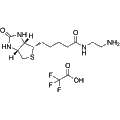
  • Biotin-EDA TFA
    Cat. No.
    A92612

    Biotin-EDA TFA

    Biotin-EDA TFA is a nucleophilic biotinylation reagent primarily utilized for the conjugation of diverse substrates. This compound facilitates the labeling and detection of biomolecules through biotin-conjugated fluorescent probes. Its applications extend to biochemical assays, providing a robust tool for the identification and quantification of target molecules in complex biological samples.

    Out of stock

    All 3 sizes

Items 351-375 of 465

Added to your cart

View Cart Checkout

    Loading...