Biochemical Assay Reagents

Biochemical Assay Reagents collects small molecules used to prepare, run and calibrate biochemical and cell-based assays. Vitamins and cofactors such as niacin, riboflavin and biotin sit alongside sugars, sugar alcohols and amino acids such as L-arginine. Enzyme substrates and metal-ion chelators complete the range, including the calcium chelator 1,2-bis(2-aminophenoxy)ethane-N,N,N′,N′-tetraacetic acid (BAPTA). Three subcategories group related reagents, namely Carbohydrates & Glycobiology, Acyl-CoA & Cofactors for acyl-coenzyme A (acyl-CoA) compounds, and Chelators & Bifunctional Chelators. Most of these compounds act as substrates, cofactors, standards or buffer components rather than as inhibitors of a defined target.

Items 401-425 of 465

  • D-Glucoside, octyl
    Cat. No.
    A92941

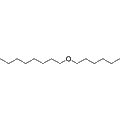
    D-Glucoside, octyl

    D-Glucoside, octyl is a biochemical assay reagent targeting glycosidic bonds in various substrates. It is utilized primarily in enzymatic assays to study carbohydrate metabolism and interactions. This compound aids in the detection and quantification of glycoproteins and other glycoconjugates, making it valuable for research in biochemistry and molecular biology.

    Out of stock

    All 3 sizes
  • N-Benzoyl-D-glucosamine
    Cat. No.
    A92950

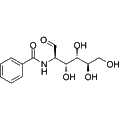
    N-Benzoyl-D-glucosamine

    N-Benzoyl-D-glucosamine is a biochemical assay reagent that serves as a substrate for glycosylation-related studies. It is utilized in research to investigate the role of glycosaminoglycans in various biological processes. This compound aids in understanding cellular interactions and enzymatic activities in the context of biochemical pathways. Suitable for various life science applications, it contributes to advancing knowledge in cellular biology and medicinal chemistry.

    1 g
    $25.00
    5 g
    $110.00
    All 2 sizes
  • L-Threonine-CoA
    Cat. No.
    A92953

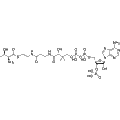
    L-Threonine-CoA

    Synonyms: L-Threonine-coenzyme A

    L-Threonine-CoA is a derivative of coenzyme A, acting primarily as a substrate for various enzymatic reactions involving threonine metabolism. It plays a critical role in the biosynthesis of essential metabolites and in the modulation of cellular energy pathways. This compound is useful for research applications focusing on amino acid metabolism, as well as in studies investigating the role of coenzyme A derivatives in cellular processes.

    Out of stock

    All 3 sizes
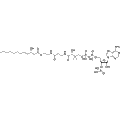
  • (S)-3-Hydroxylauroyl-CoA
    Cat. No.
    A92991

    (S)-3-Hydroxylauroyl-CoA

    Synonyms: (S)-3-Hydroxylauroyl-coenzyme A

    (S)-3-Hydroxylauroyl-CoA is a hydroxy fatty acyl-CoA derivative that acts as a key substrate for various metabolic processes. It is formed through the condensation of the thiol group of coenzyme A with the carboxylic acid group of (S)-3-hydroxydodecanoic acid. This compound is essential for studying lipid metabolism and investigating the role of acyl-CoA derivatives in cellular functions and signaling pathways.

    Out of stock

    All 3 sizes
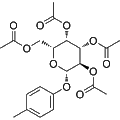
  • 4-Methylphenyl tetra-O-acetyl-α-D-galactopyranoside
    Cat. No.
    A93013

    4-Methylphenyl tetra-O-acetyl-α-D-galactopyranoside

    4-Methylphenyl tetra-O-acetyl-α-D-galactopyranoside serves as a glycosylation agent, acting primarily as a substrate for glycosidase enzymes. Its acetylated form enhances solubility and stability, making it a valuable tool in biochemical assays targeting carbohydrate metabolism. This compound is widely utilized in glycobiology research to study glycan structures and their interactions in biological systems.

    100 mg
    $25.00
    250 mg
    $40.00
    All 3 sizes
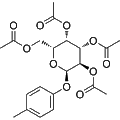
  • 4-Methylphenyl tetra-O-acetyl-β-D-galactopyranoside
    Cat. No.
    A93070

    4-Methylphenyl tetra-O-acetyl-β-D-galactopyranoside

    4-Methylphenyl tetra-O-acetyl-β-D-galactopyranoside serves as a substrate in biochemical assays targeting β-galactosidase enzymes. This compound is utilized in glycobiology research to study carbohydrate metabolism and galactose-containing glycan structures. Its acetylated form enhances solubility and stability, making it an effective tool for enzymatic analysis and screening applications.

    250 mg
    $25.00
    1 g
    $90.00
    All 2 sizes
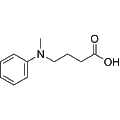
  • 4-(Methyl(phenyl)amino)butanoic acid
    Cat. No.
    A93085

    4-(Methyl(phenyl)amino)butanoic acid

    4-(Methyl(phenyl)amino)butanoic acid is a biochemical assay reagent that functions as a substrate in various biological assays. This compound is utilized in life science research to explore biochemical interactions and pathways involving amino acids. Its applications extend to the study of enzyme kinetics and metabolic processes. Researchers can leverage this reagent to enhance understanding of cellular mechanisms and biochemical systems.

    25 mg
    $20.00
    50 mg
    $30.00
    All 5 sizes
  • UDP-D-GalNAlk
    Cat. No.
    A93106

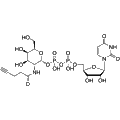
    UDP-D-GalNAlk

    UDP-D-GalNAlk disodium is a biochemical reagent that serves as a substrate for galactosamine-modifying enzymes, facilitating the study of glycosylation processes. This compound is particularly useful in biochemical assays focused on exploring the roles of carbohydrate modifications in biological systems. It is applicable in research areas such as glycobiology, cell signaling, and the development of therapeutic strategies targeting glycan-related pathways.

    Out of stock

    All 3 sizes
  • 5-Bromo-4-chloro-3-indolyl octanoate
    Cat. No.
    A93142

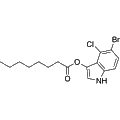
    5-Bromo-4-chloro-3-indolyl octanoate

    5-Bromo-4-chloro-3-indolyl octanoate is a biochemical assay reagent primarily used as a substrate in glycobiology research. This compound facilitates the study of glycosyltransferases and carbohydrate-binding proteins, enabling insights into glycan structures and functions. Its application aids in understanding various biological processes and disease mechanisms related to glycosylation.

    5 mg
    $20.00
    10 mg
    $35.00
    All 4 sizes
  • Phenolphthalein monophosphate dicyclohexylammonium
    Cat. No.
    A93220

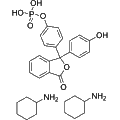
    Phenolphthalein monophosphate dicyclohexylammonium

    Phenolphthalein monophosphate dicyclohexylammonium serves as a substrate for alkaline phosphatase, facilitating the measurement of enzyme activity. It is widely utilized as an indicator in titrations and enzyme immunoassays, allowing for the quantification of phosphatase activity in biological samples. This compound is essential for researchers conducting studies in biochemical assays and enzyme kinetics.

    Out of stock

    All 3 sizes
  • Z-Phe-Ala-OH
    Cat. No.
    A93276

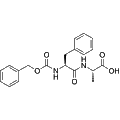
    Z-Phe-Ala-OH

    Z-Phe-Ala-OH is a biochemical assay reagent characterized by its role as a substrate for enzymatic studies. It serves as a valuable tool in life science research, particularly in the investigation of proteolytic enzymes. This compound facilitates the examination of peptide bond cleavage and enzyme kinetics, contributing to the understanding of protein metabolism and related biochemical pathways.

    500 mg
    $20.00
    All 1 sizes
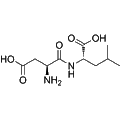
  • L-a-Aspartyl-L-leucine
    Cat. No.
    A93284

    L-a-Aspartyl-L-leucine

    L-a-Aspartyl-L-leucine is a biochemical assay reagent that serves as a substrate or standard for various biological studies. Its dual amino acid composition facilitates research applications in metabolic pathway analysis and protein interactions. This compound is particularly useful in exploring peptide synthesis and evaluating enzymatic activity in cell-free systems.

    25 mg
    $30.00
    50 mg
    $45.00
    All 6 sizes
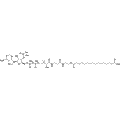
  • Hexadecanedioyl-mono-coenzyme A
    Cat. No.
    A93338

    Hexadecanedioyl-mono-coenzyme A

    Hexadecanedioyl-mono-coenzyme A is an ester product that serves as a substrate in fatty acid metabolism. This compound is involved in the synthesis and degradation of lipids, making it essential for research in metabolic pathways and energy storage mechanisms. Its role in enzymatic reactions can be leveraged in studies focusing on lipid biology and related metabolic disorders.

    Out of stock

    All 3 sizes
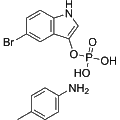
  • 5-Bromo-3-indolyl phosphate p-toluidine
    Cat. No.
    A93380

    5-Bromo-3-indolyl phosphate p-toluidine

    5-Bromo-3-indolyl phosphate p-toluidine serves as a substrate for alkaline phosphatase in biochemical assays. This indolyl derivative enables the detection of enzymatic activity through a chemiluminescent reaction, making it useful for various applications in enzyme research. It is ideal for quantifying alkaline phosphatase levels in biological samples and assessing enzyme kinetics in laboratory settings.

    Out of stock

    All 3 sizes
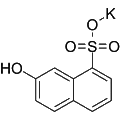
  • 7-Hydroxy-1-naphthalenesulfonate potassium
    Cat. No.
    A93668

    7-Hydroxy-1-naphthalenesulfonate potassium

    7-Hydroxy-1-naphthalenesulfonate potassium is a biochemical assay reagent that serves as a substrate for various enzymatic reactions. This compound exhibits key biological activities that facilitate studies in enzymology and metabolic pathways. It is widely employed in research applications involving the determination of enzyme activity and the development of biosensors.

    50 mg
    $25.00
    100 mg
    $30.00
    All 4 sizes
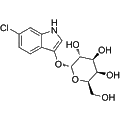
  • 6-Chloro-3-indolyl α-D-galactopyranoside
    Cat. No.
    A93724

    6-Chloro-3-indolyl α-D-galactopyranoside

    6-Chloro-3-indolyl α-D-galactopyranoside serves as a substrate for the enzyme galactosidase, facilitating the study of carbohydrate metabolism. This reagent is valuable in glycobiology research, enabling the assessment of enzymatic activity and the investigation of glycan structures. Its application extends to biochemical assays that require the evaluation of galactose-cleaving activity in various biological contexts.

    Out of stock

    All 3 sizes
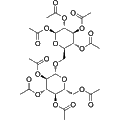
  • β-Gentiobiose octaacetate
    Cat. No.
    A93729

    β-Gentiobiose octaacetate

    β-Gentiobiose octaacetate is a chemical reagent that serves as a substrate for biochemical assays in glycobiology. This compound is utilized to study glycosylation patterns and carbohydrate interactions, providing valuable insights into cellular processes and signaling pathways. Its application in various assays aids researchers in understanding the role of glycoconjugates in biological systems.

    Out of stock

    All 3 sizes
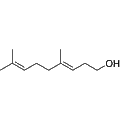
  • Homogeraniol
    Cat. No.
    A93786

    Homogeraniol

    Synonyms: Homogeranyl alcohol

    Homogeraniol, also known as Homogeranyl alcohol, serves as a substrate for squalene cyclase derived from Bacillus acidocaldarius. This compound is instrumental in biochemical assays to evaluate the activity of squalene cyclase, making it a valuable tool for studying sterol biosynthesis and related metabolic pathways. Its application can facilitate insights into enzymatic processes and their regulation in various biological contexts.

    Out of stock

    All 3 sizes
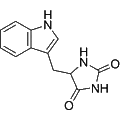
  • DL-5-Indolylmethylhydantoin
    Cat. No.
    A93812

    DL-5-Indolylmethylhydantoin

    DL-5-Indolylmethylhydantoin serves as a substrate for specific bacterial enzymes involved in the biosynthesis of L-tryptophan. This compound facilitates the enzymatic conversion processes required for producing L-tryptophan, a vital amino acid with numerous biological functions. Its utility in research applications emphasizes its role in metabolic studies and biosynthetic pathway investigations.

    50 mg
    $140.00
    100 mg
    $200.00
    All 3 sizes
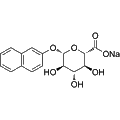
  • 2-Naphthyl-β-D-glucuronic acid sodium
    Cat. No.
    A93942

    2-Naphthyl-β-D-glucuronic acid sodium

    2-Naphthyl-β-D-glucuronic acid sodium is a biochemical assay reagent that serves as a substrate for the detection of β-glucuronidase activity. This compound is particularly useful in glycobiology research for investigating glycosylation processes and enzyme functionality. Its application in enzyme assays enables the assessment of glucuronidation and other related metabolic pathways, providing valuable insights into cellular functions and disease mechanisms.

    Out of stock

    All 3 sizes
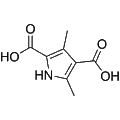
  • 3,5-Dimethyl-1H-pyrrole-2,4-dicarboxylic acid
    Cat. No.
    A94032

    3,5-Dimethyl-1H-pyrrole-2,4-dicarboxylic acid

    3,5-Dimethyl-1H-pyrrole-2,4-dicarboxylic acid serves as a substrate for the enzyme CouL, a putative amide synthetase involved in the biosynthesis of the antibiotic coumermycin. This compound is integral for studying coumermycin's synthesis pathways and exploring enzyme activity related to amide formation. Its utility in biochemical assays makes it significant for research applications in microbiology and organic synthesis.

    Out of stock

    All 3 sizes
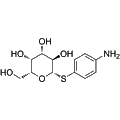
  • p-Aminophenyl-β-D-thiogalactopyranoside
    Cat. No.
    A94046

    p-Aminophenyl-β-D-thiogalactopyranoside

    p-Aminophenyl-β-D-thiogalactopyranoside functions as a substrate for β-galactosidase, facilitating the study of enzyme kinetics and activity. This compound is particularly valuable in glycobiology research, where it aids in the examination of glycan processing and enzyme functionality. Its utility extends to various biochemical assays, helping to further elucidate the role of glycosylation in biological processes.

    Out of stock

    All 3 sizes
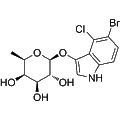
  • 5-Bromo-4-chloro-3-indolyl β-D-fucopyranoside
    Cat. No.
    A94155

    5-Bromo-4-chloro-3-indolyl β-D-fucopyranoside

    5-Bromo-4-chloro-3-indolyl β-D-fucopyranoside is a specific substrate for β-Galactosidase, enabling the enzymatic cleavage and subsequent release of a chromogenic product. This compound is widely utilized in biochemical assays to measure β-Galactosidase activity, facilitating research in gene expression, enzyme regulation, and metabolic studies. Its use can enhance the understanding of cellular processes and molecular mechanisms involving β-Galactosidase.

    5 mg
    $175.00
    10 mg
    $290.00
    All 5 sizes
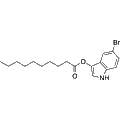
  • Blue caprate
    Cat. No.
    A94324

    Blue caprate

    Blue caprate is a chromogenic substrate that specifically targets lipase activity. Upon hydrolysis by lipase, it generates a distinct blue-purple colorimetric product, facilitating the detection and quantification of lipase in various biological samples. This substrate is widely utilized in enzymatic assays and research applications studying lipid metabolism and enzyme functionality.

    Out of stock

    All 3 sizes
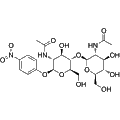
  • 4-Nitrophenyl N,N′-diacetyl-β-D-chitobioside
    Cat. No.
    A94331

    4-Nitrophenyl N,N′-diacetyl-β-D-chitobioside

    Synonyms: pNP-chitobiose

    4-Nitrophenyl N,N′-diacetyl-β-D-chitobioside is a specific substrate for the detection of chitinase enzymes. Through its cleavage by chitinases, it generates detectable fluorescence, facilitating the study of chitinase activity in various biological systems. This reagent is widely used in research applications focusing on enzyme activity assays and carbohydrate metabolism.

    1 mg
    $210.00
    5 mg
    $625.00
    All 2 sizes

Items 401-425 of 465

Added to your cart

View Cart Checkout

    Loading...