Impurities & Reference Standards

Impurities & Reference Standards collects environmental contaminants, industrial chemicals and drug stereoisomers. Many entries are substances monitored in environmental and food analysis, such as the plasticizer dimethyl phthalate and the polycyclic aromatic hydrocarbon fluorene. Flame retardants are represented by the organophosphate triphenyl phosphate and by brominated compounds. Perfluorodecanoic acid belongs to the per- and polyfluoroalkyl substances (PFAS), a class known for persistence in the environment. A second group holds enantiomers and isomers of research compounds, such as (R)-Asundexian, the (R)-enantiomer of the factor XIa inhibitor asundexian. Such isomers support stereochemical comparison and the development of chromatographic separation methods. Process-related and degradation compounds of individual drugs are listed separately under Drug Impurity.

Items 326-350 of 361

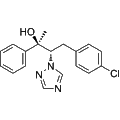
  • (2R,3S)-Brassinazole
    Cat. No.
    B18075

    (2R,3S)-Brassinazole

    (2R,3S)-Brassinazole is a selective inhibitor of brassinosteroid biosynthesis. This enantiomer significantly disrupts seedling morphology, leading to deformations that resemble the characteristics of brassinosteroid-deficient mutants. In particular, exposure to (2R,3S)-Brassinazole induces dwarfism in cress and alters leaf morphology, including a pronounced downward curl and a dark green phenotype akin to Arabidopsis brassinosteroid-deficient mutants. The effects of dwarfism can be reversed with the application of brassinosteroids at low concentrations, highlighting its utility in studying brassinosteroid functions and pathways in plant biology.

    5 mg
    $270.00
    10 mg
    $445.00
    All 2 sizes
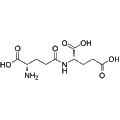
  • L-γ-Glutamyl-L-glutamic acid
    Cat. No.
    B18111

    L-γ-Glutamyl-L-glutamic acid

    Synonyms: γ-Glu-Glu; H-γ-Glu-Glu-OH

    L-γ-Glutamyl-L-glutamic acid (γ-Glu-Glu) is the isomer of D-γ-Glutamyl-D-glutamic acid and serves as an important experimental control in biochemical studies. This compound functions as a poly(γ-glutamic acid) comprised of linear clusters of L- and L-glutamic acid repeating units. Its unique structural properties make it suitable for research applications exploring amino acid interactions and polymeric behaviors in various biological systems.

    5 mg
    $35.00
    10 mg
    $55.00
    All 6 sizes
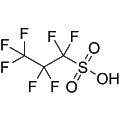
  • Perfluoropropanesulfonic acid
    Cat. No.
    B18127

    Perfluoropropanesulfonic acid

    Perfluoropropanesulfonic acid is a per- and polyfluoroalkyl substance (PFAS) characterized by its ultrashort-chain structure. It is recognized primarily as an environmental pollutant. This compound is relevant in research investigating the persistence and effects of PFAS in the environment, as well as their bioaccumulation and potential toxicity in aquatic systems.

    Out of stock

    All 3 sizes
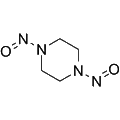
  • N,N'-Dinitrosopiperazine
    Cat. No.
    B18191

    N,N'-Dinitrosopiperazine

    Synonyms: 1,4-Dinitrosopiperazine; DNP

    N,N'-Dinitrosopiperazine is a potent carcinogen that primarily targets the nasopharyngeal epithelium and plays a significant role in the metastasis of nasopharyngeal carcinoma (NPC). This compound regulates various signaling pathways through protein phosphorylation, notably influencing the protein LYRIC at serine 568. Due to its biological activity, N,N'-Dinitrosopiperazine is a useful tool for research in cancer biology and the mechanistic study of tumor progression.

    5 mg
    $50.00
    10 mg
    $80.00
    All 5 sizes
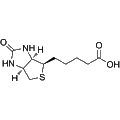
  • L-Biotin
    Cat. No.
    B18197

    L-Biotin

    L-Biotin is the unnatural enantiomer of biotin, primarily targeting biotin-dependent enzymatic processes. It exhibits key biological activity by serving as a cofactor in various carboxylation reactions, thereby influencing metabolic pathways. Research applications include cell culture systems and studies of biotin metabolism, where it can help elucidate the roles of biotin-related enzymes and their implications in cellular functions.

    5 mg
    $395.00
    10 mg
    $655.00
    All 5 sizes
  • Pitnot-2
    Cat. No.
    B18306

    Pitnot-2

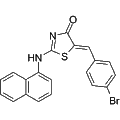
    Pitnot-2 is an inactive analog of the clathrin inhibitor Pitstop 2, designed to serve as a negative control in research. Its primary mechanism involves inhibition of clathrin-mediated endocytosis, allowing researchers to assess the specificity and functional effects of active compounds. This reagent is particularly useful in studies investigating cellular uptake mechanisms and the role of clathrin in various biological processes.

    5 mg
    $110.00
    10 mg
    $180.00
    All 5 sizes
  • Rac-Sphingosylphosphorylcholine
    Cat. No.
    B18480

    Rac-Sphingosylphosphorylcholine

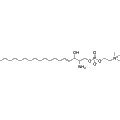
    Rac-Sphingosylphosphorylcholine is a racemic mixture of Sphingosylphosphorylcholine, a bioactive sphingolipid with key roles in cellular signaling. This compound is known to modulate various biological processes, including inflammation and cell proliferation. It serves as a valuable tool in research exploring sphingolipid metabolism and its implications in disease mechanisms.

    1 mg
    $135.00
    5 mg
    $200.00
    All 4 sizes
  • Dibromoacetaldehyde
    Cat. No.
    B19381

    Dibromoacetaldehyde

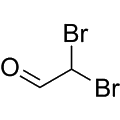
    Dibromoacetaldehyde is a halogenated compound known for its potential genotoxic effects. It is primarily investigated in studies related to environmental toxicity and the assessment of drinking water contaminants. Its chemical properties render it useful in research exploring the implications of halogenated byproducts on human health and ecological safety.

    25 mg
    $1,275.00
    All 1 sizes
  • (Rac)-Aspartyl-alanyl-diketopiperazine
    Cat. No.
    B19434

    (Rac)-Aspartyl-alanyl-diketopiperazine

    Synonyms: (Rac)-DA-DKP

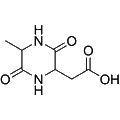
    (Rac)-Aspartyl-alanyl-diketopiperazine is the racemic form of an immunomodulatory compound that modulates the inflammatory immune response. It is generated through cleavage and cyclization from the N-terminus of human albumin. This compound has been shown to affect T-lymphocyte anergy, making it valuable in research applications related to immune regulation and inflammation.

    25 mg
    $1,275.00
    50 mg
    $1,625.00
    All 3 sizes
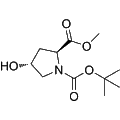
  • rel-Boc-Hyp-OMe
    Cat. No.
    B19723

    rel-Boc-Hyp-OMe

    rel-Boc-Hyp-OMe is an isomer of Boc-Hyp-OMe, primarily serving as an experimental control in chemical research. It functions as a non-cleavable linker in the development of antibody-drug conjugates (ADCs), contributing to enhanced therapeutic efficacy. Additionally, it can be utilized as an alkyl chain-based linker in the synthesis of PROTACs for targeted protein degradation studies.

    1 g
    $60.00
    All 1 sizes
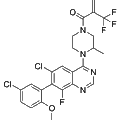
  • (rac)-K20
    Cat. No.
    B20039

    (rac)-K20

    (rac)-K20 is the racemic mixture of K20, a selective inhibitor of KRas G12C with an IC50 value of 1.16 µM. This compound exhibits notable antitumor activity, making it a valuable tool for cancer research. It is primarily utilized in studies involving KRas G12C mutations and their role in oncogenesis.

    Out of stock

    All 3 sizes
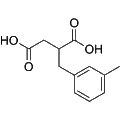
  • 2-(3-Methylbenzyl)succinic acid
    Cat. No.
    B20136

    2-(3-Methylbenzyl)succinic acid

    Synonyms: 3-mBSA

    2-(3-Methylbenzyl)succinic acid is a degradation product associated with anaerobic degradation of toluene and ethylbenzene/xylene. It functions as a qualitative in situ indicator for the presence of these hazardous compounds in contaminated groundwater. This reagent is useful for environmental monitoring and assessing the extent of hydrocarbon pollution.

    5 mg
    $130.00
    10 mg
    $265.00
    All 3 sizes
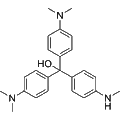
  • α,α-Bis[4-(dimethylamino)phenyl]-4-(methylamino)benzenemethanol
    Cat. No.
    B20152

    α,α-Bis[4-(dimethylamino)phenyl]-4-(methylamino)benzenemethanol

    Synonyms: 4,4'-Bis(dimethylamino)-4''-(methylamino)trityl alcohol

    α,α-Bis[4-(dimethylamino)phenyl]-4-(methylamino)benzenemethanol is a byproduct generated from the degradation of methyl green. This compound may serve as an important marker in studies focused on the stability and degradation pathways of methyl green in various biological and chemical environments. Its unique structure allows for exploration of its potential biological activities, contributing valuable insights into chemical reactivity and environmental impact assessments.

    1 mg
    $240.00
    2.5 mg
    $460.00
    All 2 sizes
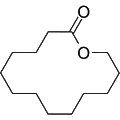
  • 1,13-Tridecanolide
    Cat. No.
    B20184

    1,13-Tridecanolide

    1,13-Tridecanolide is a naturally occurring lactone renowned for its distinctive odor profile. Isolated from the root of Angelica species, this compound exhibits potential biological activities that make it valuable in fragrance research and applications. Its role in studying olfactory responses and flavor enhancement positions 1,13-Tridecanolide as a significant reagent in natural product chemistry and sensory science.

    Out of stock

    All 3 sizes
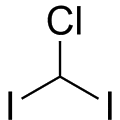
  • Chlorodiiodomethane
    Cat. No.
    B20308

    Chlorodiiodomethane

    Chlorodiiodomethane is a halogenated organic compound known for its role as a disinfection by-product. It exhibits antimicrobial activity and is primarily studied in the context of water treatment and environmental science, particularly for its potential health impacts and regulatory implications. Its chemical properties make it relevant for research on disinfection processes and the assessment of water quality.

    5 mg
    $265.00
    10 mg
    $435.00
    All 2 sizes
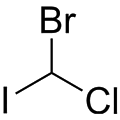
  • Bromochloroiodomethane
    Cat. No.
    B20332

    Bromochloroiodomethane

    Bromochloroiodomethane functions as a nitrogenous disinfection by-product formed during the chloramination of iodide-containing water. It is of interest in environmental and analytical chemistry, particularly for studying the effects and behavior of disinfection by-products in drinking water. Research applications include investigations into its toxicity and potential health impacts, as well as its role in water quality assessments.

    5 mg
    $285.00
    10 mg
    $470.00
    All 2 sizes
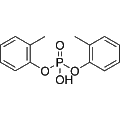
  • Di-o-cresyl phosphate
    Cat. No.
    B20347

    Di-o-cresyl phosphate

    Di-o-cresyl phosphate is a flame retardant compound that exhibits effective suppression of flammability in various materials. It acts by chemically interacting with polymer substrates, enhancing their resistance to ignition and combustion. This compound is particularly useful in the development and production of fire-safe plastics, textiles, and coatings, making it an essential reagent for research in materials science and safety engineering.

    5 mg
    $65.00
    10 mg
    $105.00
    All 4 sizes
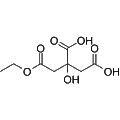
  • Monoethyl citrate
    Cat. No.
    B20374

    Monoethyl citrate

    Monoethyl citrate serves as a citrate-based plasticizer, known for its reduced migration rates and lower toxicity compared to traditional compounds. This agent is gaining popularity as a safer alternative to phthalates, finding applications in food packaging, medical devices, and personal care products. Its biocompatibility makes it a suitable choice for formulations where safety and regulatory compliance are critical.

    Out of stock

    All 3 sizes
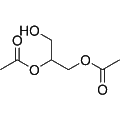
  • 1,2-Diacetylglycerol
    Cat. No.
    B20389

    1,2-Diacetylglycerol

    1,2-Diacetylglycerol acts as a plasticizer, enhancing the flexibility and workability of polymer materials. Its emulsifying and stabilizing properties make it valuable in various formulations, particularly in food and cosmetic applications. This compound is utilized in research to study its effects on material properties and interactions in complex mixtures.

    5 mg
    $130.00
    10 mg
    $215.00
    All 3 sizes
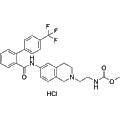
  • CP-467688
    Cat. No.
    B20421

    CP-467688

    CP-467688 is a retinal toxicant that operates through mechanisms affecting retinal cell viability. This compound exhibits a basic pKa of 8.1 and a lipophilic clogP of 5.0, facilitating its interaction with cellular membranes. CP-467688 is particularly valuable in research applications focused on drug-induced retinopathy and mechanisms of retinal damage.

    25 mg
    $1,275.00
    All 1 sizes
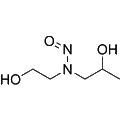
  • NIEA
    Cat. No.
    B20606

    NIEA

    NIEA is a potent carcinogen known to induce pancreatic cancer, esophageal cancer, and hepatocellular carcinoma. This compound is utilized in cancer research to investigate mechanisms of tumorigenesis and assess the effects of carcinogenic exposure on cellular processes. NIEA serves as a vital tool for studying cancer biology and developing potential therapeutic interventions.

    Out of stock

    All 3 sizes
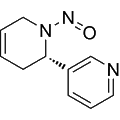
  • (S)-N-Nitrosoanatabine
    Cat. No.
    B20799

    (S)-N-Nitrosoanatabine

    Synonyms: (S)-N-NAT; (S)-N'-Nitrosoanatabine

    (S)-N-Nitrosoanatabine ((S)-N-NAT) is a potent carcinogen primarily associated with tobacco products. As a significant biomarker of exposure to cigarette smoke, it plays a crucial role in studies related to tobacco-related carcinogenesis and health risk assessments. Research involving (S)-N-NAT can contribute to a deeper understanding of the mechanisms underlying tobacco-induced cancer development.

    1 mg
    $190.00
    5 mg
    $490.00
    All 2 sizes
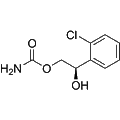
  • (R)-Carisbamate
    Cat. No.
    B20969

    (R)-Carisbamate

    Synonyms: (R)-RWJ-333369

    (R)-Carisbamate (R-Enantiomer) is an orally active neuromodulator that targets and modulates the activity of neurotransmitter systems in the central nervous system. This compound has shown potential in research applications related to neuropharmacology, seizure disorders, and pain management. Its unique profile makes it a valuable tool for exploring therapeutic avenues in neurological disorders.

    1 mg
    $30.00
    2 mg
    $45.00
    All 8 sizes
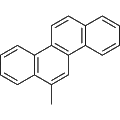
  • 6-Methylchrysene
    Cat. No.
    B20975

    6-Methylchrysene

    6-Methylchrysene is a polycyclic aromatic hydrocarbon known for its weak carcinogenic properties. As a component of tobacco smoke, it has been implicated in the carcinogenic processes in biological systems. This compound is primarily used in cancer research and studies investigating the mechanisms of environmental carcinogens.

    50 mg
    $370.00
    100 mg
    $610.00
    All 3 sizes
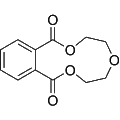
  • Diethylene glycol cyclic phthalate
    Cat. No.
    B21070

    Diethylene glycol cyclic phthalate

    Diethylene glycol cyclic phthalate is a phthalate ester primarily used as a plasticizer, enhancing the flexibility and durability of polymer materials. Its chemical properties make it suitable for applications in various industries, including packaging, coatings, and adhesives. Additionally, this compound serves as a critical reagent for research focused on polymer chemistry and materials science, providing insights into the interactions between plasticizers and different polymer matrices.

    100 mg
    $80.00
    250 mg
    $165.00
    All 4 sizes

Items 326-350 of 361

Added to your cart

View Cart Checkout

    Loading...