Impurities & Reference Standards

Impurities & Reference Standards collects environmental contaminants, industrial chemicals and drug stereoisomers. Many entries are substances monitored in environmental and food analysis, such as the plasticizer dimethyl phthalate and the polycyclic aromatic hydrocarbon fluorene. Flame retardants are represented by the organophosphate triphenyl phosphate and by brominated compounds. Perfluorodecanoic acid belongs to the per- and polyfluoroalkyl substances (PFAS), a class known for persistence in the environment. A second group holds enantiomers and isomers of research compounds, such as (R)-Asundexian, the (R)-enantiomer of the factor XIa inhibitor asundexian. Such isomers support stereochemical comparison and the development of chromatographic separation methods. Process-related and degradation compounds of individual drugs are listed separately under Drug Impurity.

Items 151-175 of 361

  • β-Apooxytetracycline
    Cat. No.
    A70917

    β-Apooxytetracycline

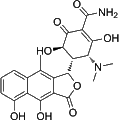
    β-Apooxytetracycline is a degradation product of Oxytetracycline, an antibiotic widely used in both veterinary and human medicine. This compound is essential for studying the metabolic pathways and degradation of tetracycline antibiotics in biological systems. Its characterization may provide insights into antibiotic efficacy and the environmental impact of antibiotic residues. Researchers can utilize β-Apooxytetracycline in investigations of antibiotic resistance and the mechanisms underlying antibiotic degradation.

    0.5 mg
    $90.00
    1 mg
    $155.00
    All 4 sizes
  • Δ9-THCQ
    Cat. No.
    A70943

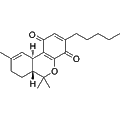
    Δ9-THCQ

    Synonyms: Δ9-Tetrahydrocannabinoquinone

    Δ9-THCQ (Δ9-Tetrahydrocannabinoquinone) is an oxidative byproduct of Δ9-THC. This compound is significant for research in cannabinoid metabolism and pharmacodynamics. It serves as a valuable tool for studying the effects of Δ9-THC and its derivatives in various biological systems, contributing to insights in areas such as neurobiology and pharmacotherapy.

    Out of stock

    All 3 sizes
  • 2-Methyl-tetrahydro-β-carboline
    Cat. No.
    A70944

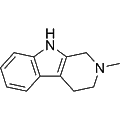
    2-Methyl-tetrahydro-β-carboline

    Synonyms: 2-MTHBC

    2-Methyl-tetrahydro-β-carboline is a cyclization product formed from N,N-dimethyltryptamine, a key component of ayahuasca following oral consumption. This compound exhibits significant biological activity related to serotonin receptor modulation and may play a role in understanding the pharmacological effects of psychoactive substances. Its research applications include investigations into serotonergic pathways and the biochemical mechanisms underlying altered mental states induced by natural hallucinogens.

    1 mg
    $60.00
    5 mg
    $170.00
    All 4 sizes
  • Dihydroxy melphatalan
    Cat. No.
    A70956

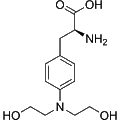
    Dihydroxy melphatalan

    Dihydroxy melphalan is a degradation product of Melphalan, primarily serving as a marker for metabolic processes involving this chemotherapeutic agent. While it exhibits minimal biological activity, its presence can provide insights into the pharmacokinetics and stability of Melphalan in biological systems. This compound is relevant for research applications focusing on drug metabolism and drug efficacy studies in cancer treatment.

    1 mg
    $65.00
    5 mg
    $200.00
    All 4 sizes
  • Serotonin glucuronide
    Cat. No.
    A70958

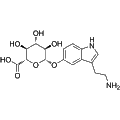
    Serotonin glucuronide

    Serotonin glucuronide is the primary product of serotonin glucuronidation, a key metabolic pathway in the regulation of serotonin levels within biological systems. This compound plays a significant role in pharmacokinetics, influencing the bioavailability and metabolism of serotonin in drug development studies. Research applications include investigating serotonin-related disorders and evaluating the effects of glucuronidation on neurotransmitter activity.

    5 mg
    $515.00
    All 1 sizes
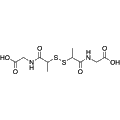
  • Tiopronin disulfide
    Cat. No.
    A70994

    Tiopronin disulfide

    Tiopronin disulfide is the oxidized dimeric form of Tiopronin, functioning primarily as a reactive thiol compound. This reagent is utilized in research focused on redox biology and thiol chemistry, providing insights into oxidative stress and related cellular mechanisms. Its application can enhance the understanding of disulfide bond formation and the role of thiols in various biological processes.

    25 mg
    $80.00
    50 mg
    $125.00
    All 4 sizes
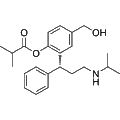
  • Desisopropyl-fesoterodine
    Cat. No.
    A71022

    Desisopropyl-fesoterodine

    Desisopropyl-fesoterodine is a degradation product resulting from the oxidative N-dealkylation of Fesoterodine, specifically targeting the tertiary amine function. This compound serves as an important analytical marker in the study of Fesoterodine metabolism and pharmacokinetics. Researchers can utilize Desisopropyl-fesoterodine in investigations related to drug stability and the identification of metabolic pathways.

    Out of stock

    All 3 sizes
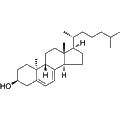
  • Lumisterol 3 (>90%)
    Cat. No.
    A71309

    Lumisterol 3 (>90%)

    Synonyms: 9β,10α-Cholesta-5,7-dien-3β-ol; Cholecalciferol EP Impurity C

    Lumisterol 3 (>90%) is a secosteroid metabolite and a photoisomer derivative of vitamin D3, specifically identified as 9β,10α-Cholesta-5,7-dien-3β-ol. This compound plays a crucial role in the synthesis and preparation of vitamin D, serving as an important tool in biochemical research related to vitamin D metabolism and function. Its biological activity has implications in studies of calcium homeostasis, bone health, and potential therapeutic applications in various diseases.

    1 mg
    $190.00
    5 mg
    $490.00
    All 5 sizes
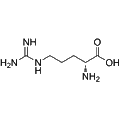
  • D-Arginine
    Cat. No.
    A71365

    D-Arginine

    Synonyms: H-D-Arg-OH

    D-Arginine is the D-isomer of arginine, an α-amino acid integral to protein biosynthesis. As an inactive form of L-arginine, D-Arginine serves as a valuable tool in research focused on myeloma and neurological diseases. Its unique properties provide insights into arginine metabolism and potential therapeutic implications in related conditions.

    500 mg
    $20.00
    1 g
    $25.00
    All 3 sizes
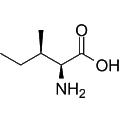
  • L-Alloisoleucine
    Cat. No.
    A71367

    L-Alloisoleucine

    Synonyms: (3R)-LS-Isoleucine

    L-Alloisoleucine is a stereoisomer of L-isoleucine that plays a critical role in protein synthesis and metabolism. Its unique structural properties make it a valuable tool in skeletal muscle research, particularly in studies investigating muscle growth, regeneration, and function. L-Alloisoleucine can be utilized to explore the effects of amino acid stereochemistry on biological processes and metabolic pathways.

    25 mg
    $20.00
    50 mg
    $25.00
    All 3 sizes
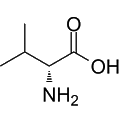
  • D-Valine
    Cat. No.
    A71489

    D-Valine

    Synonyms: (R)-Valine

    D-Valine is the enantiomer of L-Valine, a key proteinogenic amino acid. It plays a significant role in protein synthesis and is utilized in various biochemical assays and studies of amino acid metabolism. D-Valine can also contribute to research involving stereochemistry and the physiological effects of amino acid isomers.

    1 g
    $20.00
    5 g
    $25.00
    All 4 sizes
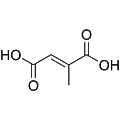
  • Mesaconic acid
    Cat. No.
    A71508

    Mesaconic acid

    Synonyms: Citronic acid; Methylfumaric acid

    Mesaconic acid is a competitive inhibitor of fumarate reduction, demonstrating its primary mechanism in biochemical pathways. This compound exhibits significant biological activity, particularly in the context of cellular metabolism and energy production. Its role as a fire retardant further extends its applications in both research and industrial settings, making it a valuable reagent for studies in metabolic regulation and chemical safety.

    100 mg
    $25.00
    200 mg
    $30.00
    All 4 sizes
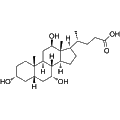
  • 12β-Hydroxyisocholic acid
    Cat. No.
    A71643

    12β-Hydroxyisocholic acid

    Synonyms: Lagocholic acid; 3α,7α; 12β-Trihydroxy-5β-cholanic acid

    12β-Hydroxyisocholic acid, also known as Lagocholic acid, is a bile acid isomer primarily involved in bile acid metabolism. It serves as a key compound for investigating the dynamics of bile acid synthesis and recycling. This reagent is beneficial for research focused on metabolic pathways associated with liver function and gastrointestinal health.

    1 mg
    $30.00
    5 mg
    $190.00
    All 3 sizes
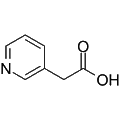
  • 3-Pyridineacetic acid
    Cat. No.
    A71759

    3-Pyridineacetic acid

    3-Pyridineacetic acid is a metabolic product and a higher homologue of nicotinic acid, generated primarily from the breakdown of nicotine and other tobacco alkaloids. This compound is utilized in various biochemical studies to understand metabolic pathways associated with nicotine metabolism and its physiological effects. Research applications include investigations into the pharmacokinetics of tobacco alkaloids and their impact on human health.

    50 mg
    $20.00
    100 mg
    $25.00
    All 4 sizes
  • Propanedial (13.88 mM in water)
    Cat. No.
    A71835

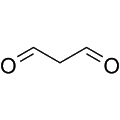
    Propanedial (13.88 mM in water)

    Synonyms: Malondialdehyde

    Propanedial, also known as Malondialdehyde, is a significant product of lipid peroxidation. It exerts cytotoxic and genotoxic effects primarily through the formation of stable covalent adducts with proteins and DNA, leading to protein inactivation and DNA damage. Elevated levels of Propanedial correlate with increased free radical activity, making it a critical biomarker for assessing cellular oxidative stress. This compound is widely utilized in research focused on oxidative stress, cellular damage, and the effects of lipid peroxidation.

    50 mg
    $20.00
    100 mg
    $30.00
    All 2 sizes
  • 3,5-Dibromotyrosine
    Cat. No.
    A72052

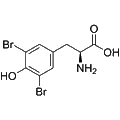
    3,5-Dibromotyrosine

    3,5-Dibromotyrosine is a protein oxidation product generated by the catalytic action of eosinophil peroxidase. It serves as a biomarker for oxidative stress and inflammation, providing insights into cellular mechanisms involved in various diseases. This compound may be employed in research applications focusing on oxidative damage, eosinophil activity, and related pathological processes.

    1 g
    $20.00
    5 g
    $60.00
    All 4 sizes
  • L-Uridine
    Cat. No.
    A72170

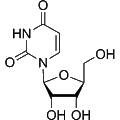
    L-Uridine

    L-Uridine is the enantiomer of the common RNA nucleotide D-uridine, playing a critical role in various biochemical processes. It functions as a phosphate acceptor for nucleoside phosphotransferases, facilitating the transfer of phosphate groups in nucleotide metabolism. L-Uridine has significant applications in research related to RNA synthesis, cellular signaling, and metabolic studies, contributing to a deeper understanding of nucleic acid functions in biological systems.

    100 mg
    $25.00
    250 mg
    $40.00
    All 2 sizes
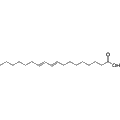
  • 9(E),11(E)-Octadecadienoic acid
    Cat. No.
    A72250

    9(E),11(E)-Octadecadienoic acid

    Synonyms: t9,t11-CLA

    9(E),11(E)-Octadecadienoic acid is an isomer of conjugated linoleic acid (CLA), known for its unique configuration of double bonds. This fatty acid exhibits significant biological activities, including potential anticarcinogenic properties and modulation of lipid metabolism. It is widely used in research exploring its roles in cancer biology, metabolic regulation, and as a dietary supplement for health benefits.

    5 mg
    $150.00
    25 mg
    $365.00
    All 2 sizes
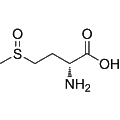
  • D-Methionine sulfoxide
    Cat. No.
    A72639

    D-Methionine sulfoxide

    D-Methionine sulfoxide is the D-isomer of methionine sulfoxide, an oxidative product derived from the amino acid methionine. This compound plays a significant role in studies related to oxidative stress and protein oxidation. D-Methionine sulfoxide is utilized in research investigating amino acid metabolism, storage stability of protein sources, and the effects of oxidative modifications on protein function and structure.

    5 mg
    $25.00
    10 mg
    $40.00
    All 5 sizes
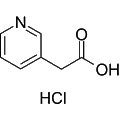
  • 3-Pyridylacetic acid hydrochloride
    Cat. No.
    A72879

    3-Pyridylacetic acid hydrochloride

    3-Pyridylacetic acid hydrochloride functions as a metabolic product derived from nicotinic acid and nicotine degradation. This compound exhibits potential anti-inflammatory activity and serves as a precursor in the synthesis of herbicides. Its versatile application in chemical research makes it a valuable reagent for developing novel therapeutic agents and agrochemicals.

    100 mg
    $20.00
    10 g
    $25.00
    All 3 sizes
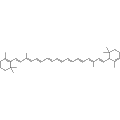
  • (rac)-α-Carotene
    Cat. No.
    A73030

    (rac)-α-Carotene

    (rac)-α-Carotene is a racemic mixture of α-Carotene, which functions as a potent antioxidant. This carotenoid exhibits significant biological activity, including potential protective effects against all-cause mortality, cardiovascular disease, and cancer. Its role in biological research includes studying the mechanisms of oxidative stress and exploring its therapeutic potential in preventing chronic diseases.

    Out of stock

    All 3 sizes
  • Diatoxanthin
    Cat. No.
    A73179

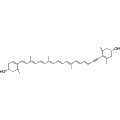
    Diatoxanthin

    Diatoxanthin is a byproduct of fucoxanthin and a significant component derived from the algae F. pinnata. It serves as a valuable biomarker for assessing the inhibitory effects of biocides on diatom photosystem II (PSII), providing insight into the impact of various agents on algal photosynthesis. This compound is essential for research in ecological toxicology and the study of photoprotective mechanisms in photosynthetic organisms.

    Out of stock

    All 3 sizes
  • Chloramphenicol 1-acetate
    Cat. No.
    A73252

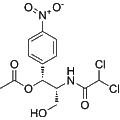
    Chloramphenicol 1-acetate

    Chloramphenicol 1-acetate is a microbial transformation product of Chloramphenicol, produced through the activity of Chloramphenicol acetyltransferase I (CATI) in Streptomyces coelicolor. This compound features regioselective acetylation at the C21 hydroxy group, which is crucial in enzymatic processes. Chloramphenicol 1-acetate serves as a valuable tool in biochemical research, contributing to the study of antibiotic resistance and metabolism. Its application extends to elucidating the mechanisms of acetylation in microbial systems.

    Out of stock

    All 3 sizes
  • (±)7(S),8(R)-EDT
    Cat. No.
    A73341

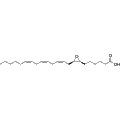
    (±)7(S),8(R)-EDT

    (±)7(S),8(R)-EDT is an isomer of 7,8-EDT, primarily known for its role as a biochemical tool in research. This compound exhibits significant biological activity and is utilized in studies related to enzymatic processes and metabolic pathways. Its unique stereochemistry may contribute to differential interactions with biological targets, making it valuable for investigations in pharmacology and biochemistry.

    Out of stock

    All 3 sizes
  • Bicyclo-PGE1
    Cat. No.
    A73561

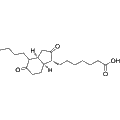
    Bicyclo-PGE1

    Synonyms: Bicyclo Prostaglandin E1

    Bicyclo-PGE1 is a stable transformation product derived from the metabolite 13,14-dihydro-15-keto PGE1. This compound serves as a valuable tool for investigating the biosynthesis and metabolic pathways of PGE1 in vivo. Its stability and unique structure make it an important reagent for researchers studying prostaglandin metabolism and related biological processes.

    1 mg
    $155.00
    5 mg
    $695.00
    All 2 sizes

Items 151-175 of 361

Added to your cart

View Cart Checkout

    Loading...