Impurities & Reference Standards

Impurities & Reference Standards collects environmental contaminants, industrial chemicals and drug stereoisomers. Many entries are substances monitored in environmental and food analysis, such as the plasticizer dimethyl phthalate and the polycyclic aromatic hydrocarbon fluorene. Flame retardants are represented by the organophosphate triphenyl phosphate and by brominated compounds. Perfluorodecanoic acid belongs to the per- and polyfluoroalkyl substances (PFAS), a class known for persistence in the environment. A second group holds enantiomers and isomers of research compounds, such as (R)-Asundexian, the (R)-enantiomer of the factor XIa inhibitor asundexian. Such isomers support stereochemical comparison and the development of chromatographic separation methods. Process-related and degradation compounds of individual drugs are listed separately under Drug Impurity.

Items 101-125 of 361

  • (Rac)-MK 0686
    Cat. No.
    A59154

    (Rac)-MK 0686

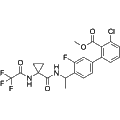
    (Rac)-MK 0686 is a racemic mixture of MK 0686, which acts as an antagonist of the bradykinin B1 receptor. This compound demonstrates key biological activity by inhibiting bradykinin-induced signaling pathways, making it a valuable tool for research in pain modulation and inflammation. Its applications extend to studying the roles of bradykinin receptors in various physiological and pathological conditions.

    Out of stock

    All 3 sizes
  • Retrobradykinin
    Cat. No.
    A59160

    Retrobradykinin

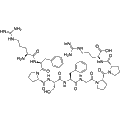
    Retrobradykinin is a synthetic peptide that functions as a negative control for Bradykinin, possessing the reverse sequence of the biologically active peptide. It demonstrates no kinin activity, making it a valuable tool for comparative studies in kinin research. Researchers can utilize Retrobradykinin to differentiate between the specific effects of Bradykinin and its physiological pathways in various biological assays.

    1 mg
    $70.00
    All 1 sizes
  • Cannabicyclolic acid
    Cat. No.
    A59463

    Cannabicyclolic acid

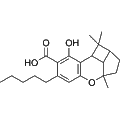
    Cannabicyclolic acid is identified as a photodegradation product of the phytocannabinoid Cannabichromenic acid. It serves as a certified reference material for research in cannabis chemistry and photostability studies. This compound is crucial for understanding the degradation pathways of phytocannabinoids and assessing their stability under varying environmental conditions. Its application extends to quality control and standardization in cannabinoid research.

    Out of stock

    All 3 sizes
  • ortho-CBNQ
    Cat. No.
    A59480

    ortho-CBNQ

    Synonyms: o-Cannabinolquinone; ortho-Cannabinolquinone; o-CBNQ

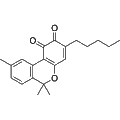
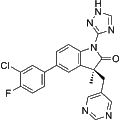
    ortho-CBNQ (o-Cannabinolquinone) is an oxidative byproduct of cannabidiol with implications in cannabinoid research. This compound exhibits unique biochemical properties, enabling investigations into the metabolic pathways of cannabinoids and their potential therapeutic effects. ortho-CBNQ can be utilized in studies focused on oxidative stress, neuroprotection, and the modulation of receptor signaling in the context of the endocannabinoid system. Its application in research may provide insights into the safety and efficacy profiles of cannabinoid-based therapies.

    1 mg
    $245.00
    5 mg
    $760.00
    All 2 sizes
  • (Rac)-Upacicalcet
    Cat. No.
    A59491

    (Rac)-Upacicalcet

    Synonyms: (Rac)-SK-1403 free acid; (Rac)-AJT240 free acid; (Rac)-PLS240 free acid

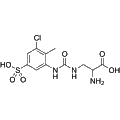
    (Rac)-Upacicalcet serves as a racemic compound of Upacicalcet, a non-peptide calcimimetic that functions as an agonist of the calcium-sensing receptor (CaSR) with an EC50 of 10.8 nM. This compound has been shown to effectively lower serum intact parathyroid hormone (iPTH) and calcium levels, thereby mitigating hypocalcemia and associated gastrointestinal issues. In research models of secondary hyperparathyroidism (SHPT) induced by adenine, (Rac)-Upacicalcet demonstrates potential in improving vascular calcification and alleviating bone disorders. Its inhibitory effects on cortical pore formation and bone fibrosis have been noted in studies involving chronic kidney disease (CKD) models, making it a valuable tool for investigating SHPT mechanisms.

    5 mg
    $715.00
    10 mg
    $1,175.00
    All 3 sizes
  • (R)-SCH-23982 hydrochloride
    Cat. No.
    A60107

    (R)-SCH-23982 hydrochloride

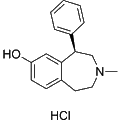
    (R)-SCH-23982 hydrochloride is the R-enantiomer of SCH-23982, a selective antagonist of the dopamine D1 receptor. This compound demonstrates significant potential in the study of central nervous system disorders, including schizophrenia and Parkinson's disease. Its targeted action on dopamine D1 receptors makes it a valuable tool for exploring therapeutic strategies in neuropsychiatric research.

    25 mg
    $1,275.00
    50 mg
    $1,625.00
    All 3 sizes
  • (1S,2S)-2-PCCA hydrochloride
    Cat. No.
    A60855

    (1S,2S)-2-PCCA hydrochloride

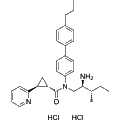
    (1S,2S)-2-PCCA hydrochloride is a diastereomer of 2-PCCA that serves as a selective GPR88 receptor agonist. This compound effectively inhibits GPR88-mediated cAMP production, demonstrating an EC50 of 116 nM in HEK293 cells. It is useful in research applications focused on GPR88-related signaling pathways and neurological studies.

    1 mg
    $60.00
    5 mg
    $160.00
    All 7 sizes
  • (Rac)-L-659989
    Cat. No.
    A62989

    (Rac)-L-659989

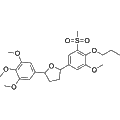
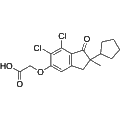
    (Rac)-L-659989 is a racemic mixture of the selective and competitive platelet activating factor (PAF) receptor antagonist, L-659989. It exhibits potent oral bioactivity, making it a valuable tool for studying PAF signaling pathways. This compound is utilized in research applications focused on cardiovascular and inflammatory diseases, where PAF receptor modulation plays a critical role.

    25 mg
    $1,275.00
    50 mg
    $1,625.00
    All 3 sizes
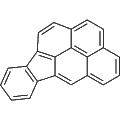
  • Indeno[1,2,3-cd]pyrene
    Cat. No.
    A64099

    Indeno[1,2,3-cd]pyrene

    Indeno[1,2,3-cd]pyrene is a polycyclic aromatic hydrocarbon that primarily targets the aryl hydrocarbon receptor. It exhibits moderate cytotoxicity in human pulmonary alveolar epithelial cells (HPAEpiC) and has been shown to enhance allergic lung inflammation. This compound is useful for studying the mechanisms of lung pathology and environmental toxicology.

    5 mg
    $85.00
    10 mg
    $140.00
    All 5 sizes
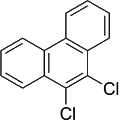
  • 9,10-Dichlorophenanthrene
    Cat. No.
    A64120

    9,10-Dichlorophenanthrene

    9,10-Dichlorophenanthrene is a chlorinated polycyclic aromatic hydrocarbon known for its role as a carcinogen. This compound is capable of activating the aryl hydrocarbon receptor (AhR), which plays a critical role in mediating the biological effects of environmental pollutants. It is commonly used in cancer research to study the mechanisms of carcinogenesis and the biological pathways involved in tumor development.

    5 mg
    $160.00
    10 mg
    $260.00
    All 2 sizes
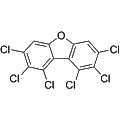
  • 1,2,3,7,8,9-Hexachlorodibenzofuran
    Cat. No.
    A64126

    1,2,3,7,8,9-Hexachlorodibenzofuran

    1,2,3,7,8,9-Hexachlorodibenzofuran is a polychlorinated dibenzofuran homologue with a specific affinity for the aryl hydrocarbon receptor (AhR). This compound exhibits significant toxicity, teratogenicity, mutagenicity, and carcinogenicity. Its interactions with AhR make it a valuable tool for research into the environmental impact of pollutants and the mechanisms of toxicological responses in various biological systems.

    0.5 mg
    $690.00
    All 1 sizes
  • Ac5GalNTGc epimer
    Cat. No.
    A65049

    Ac5GalNTGc epimer

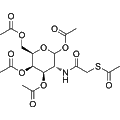
    Ac5GalNTGc epimer is a racemic analogue of hexosamine that specifically targets mucin-type O-glycan biosynthesis. This compound effectively inhibits the synthesis of C-2 thioglycolyl-substituted GalNAc, resulting in decreased leukocyte sialyl-Lewis-X expression and impaired L-/P-selectin mediated rolling and leukocyte-platelet adhesion. Ac5GalNTGc epimer displays notable anti-inflammatory properties, demonstrating efficacy in a thioglycollate-induced acute peritonitis model. It is suitable for research focused on O-glycan and mucin biology, inflammation, and associated translational studies.

    5 mg
    $695.00
    10 mg
    $1,160.00
    All 2 sizes
  • U0124
    Cat. No.
    A65805

    U0124

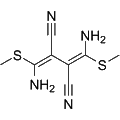
    U0124 is an inactive analog of U0126, specifically designed as a MEK inhibitor. This compound demonstrates no effect on the protein or mRNA levels of c-Fos and c-Jun, confirming its inactive status. U0124 has been shown not to inhibit MEK activity at concentrations up to 100 μM, making it a valuable tool for experimental control in studies involving MEK pathways.

    0.5 mg
    $20.00
    5 mg
    $125.00
    All 6 sizes
  • D-Isoleucine
    Cat. No.
    A65911

    D-Isoleucine

    Synonyms: (R)-Isoleucine

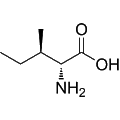
    D-Isoleucine is a selective competitive activator of the Asc-1 antiporter, exhibiting a Ki value of 0.98 mM. By binding to the Asc-1 protein on neuronal cell membranes, D-Isoleucine facilitates the release of D-serine and glycine, thereby enhancing NMDA receptor-dependent synaptic plasticity. This compound is relevant in the study of neurodegenerative diseases, including Alzheimer's disease and schizophrenia. Additionally, D-Isoleucine serves as a non-classical D-amino acid, disrupting bacterial peptidoglycan synthesis and inhibiting biofilm formation in Staphylococcus aureus, suggesting its potential utility in antibacterial research.

    25 mg
    $35.00
    50 mg
    $55.00
    All 6 sizes
  • (R)-KMH-233
    Cat. No.
    A65918

    (R)-KMH-233

    (R)-KMH-233 is an isomer of KMH-233, serving as a valuable experimental control in research applications. This compound acts as a potent, reversible, and selective inhibitor of the L-type amino acid transporter 1 (LAT1), effectively reducing the uptake of its substrate, L-leucine, with an IC50 value of 18 μM. In addition, (R)-KMH-233 enhances the efficacy of chemotherapeutic agents such as Bestatin and Cisplatin, demonstrating significant activity even at low concentrations (25 μM).

    1 mg
    $90.00
    5 mg
    $255.00
    All 5 sizes
  • (S)-TROX-1
    Cat. No.
    A66099

    (S)-TROX-1

    (S)-TROX-1 is the S-enantiomer of the selective N-type calcium channel (Cav2.2) inhibitor, TROX-1, exhibiting an IC50 value of 0.11 μM. This compound demonstrates state-dependent and use-dependent inhibition, effectively targeting open and inactivated channels to block depolarization-associated calcium influx in rat dorsal root ganglion neurons. (S)-TROX-1 is particularly relevant for research focused on pain mechanisms, reversing inflammatory-induced hyperalgesia and nerve injury-induced allodynia.

    5 mg
    $515.00
    10 mg
    $855.00
    All 5 sizes
  • (Rac)-MEM 1003
    Cat. No.
    A66121

    (Rac)-MEM 1003

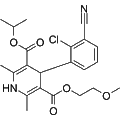
    (Rac)-MEM 1003 is the racemic mixture of MEM 1003, a dihydropyridine derivative that acts as a potent antagonist of L-type calcium channels. This compound has demonstrated significant biological activity in modulating calcium influx, making it a valuable tool in Alzheimer's disease research. (Rac)-MEM 1003 offers potential insights into calcium channel regulation and its implications in neurodegenerative conditions.

    5 mg
    $245.00
    10 mg
    $405.00
    All 5 sizes
  • D-myo-Inositol-1,2-diphosphate sodium
    Cat. No.
    A66371

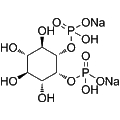
    D-myo-Inositol-1,2-diphosphate sodium

    Synonyms: Ins(1,2)P2 sodium

    D-myo-Inositol-1,2-diphosphate sodium acts as a second messenger isomer involved in cellular signal transduction. This soluble inositol phosphate (InsP) plays a critical role in various cellular processes by facilitating communication between different signaling pathways. Its utility extends to research applications focusing on inositol phosphates and their role in regulating cellular functions, enabling deeper insights into signaling mechanisms.

    0.1 mg
    $180.00
    0.5 mg
    $525.00
    All 3 sizes
  • Inositol 1,3-bisphosphate sodium
    Cat. No.
    A66387

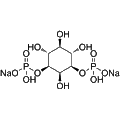
    Inositol 1,3-bisphosphate sodium

    Inositol 1,3-bisphosphate sodium is an isomer of inositol phosphate that functions as a small, soluble second messenger, playing a critical role in cellular signal transduction. It is involved in various biological processes, influencing pathways related to cell growth, differentiation, and apoptosis. This compound is valuable for research applications exploring signaling mechanisms and intracellular communication.

    0.1 mg
    $180.00
    0.5 mg
    $525.00
    All 3 sizes
  • W-7 isomer hydrochloride
    Cat. No.
    A66429

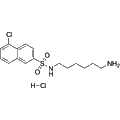
    W-7 isomer hydrochloride

    W-7 isomer hydrochloride is a selective calmodulin antagonist known for its inhibitory effects on calmodulin-mediated processes. This compound is employed in various biological research applications, particularly in studies related to calcium signaling, muscle contraction, and signal transduction pathways. Its specific targeting of calmodulin makes it a valuable tool for investigating cellular mechanisms influenced by calcium ions.

    1 mg
    $25.00
    2 mg
    $30.00
    All 7 sizes
  • (Rac)-Tezacaftor
    Cat. No.
    A66475

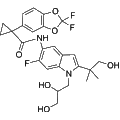
    (Rac)-Tezacaftor

    Synonyms: (Rac)-VX-661

    (Rac)-Tezacaftor is a racemic mixture of Tezacaftor, a known F508del CFTR corrector. This compound is primarily utilized in research related to cystic fibrosis, where it enhances the function of the CFTR protein to improve chloride transport in epithelial cells. Its ability to correct the folding and trafficking of the F508del mutation makes it an important tool in the study of therapeutic strategies for treating cystic fibrosis.

    5 mg
    $65.00
    10 mg
    $105.00
    All 3 sizes
  • (Rac)-Methylindazone
    Cat. No.
    A66546

    (Rac)-Methylindazone

    Synonyms: (Rac)-IAA-94

    (Rac)-Methylindazone is the racemic mixture of Methylindazone, a potent blocker of the CLIC1 ion channel. This compound exhibits significant biological activity in modulating chloride ion transport, making it a valuable tool in research focused on ion channel function and related physiological processes. Potential applications include studies in cellular signaling and the investigation of CLIC1's role in various pathophysiological conditions.

    25 mg
    $1,405.00
    50 mg
    $1,790.00
    All 3 sizes
  • Perfluoroenanthic acid
    Cat. No.
    A67119

    Perfluoroenanthic acid

    Synonyms: Perfluoroheptanoic acid; Tridecafluoroheptanoic acid; PFHpA

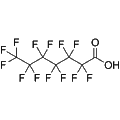
    Perfluoroenanthic acid is a perfluoroalkyl substance (PFAS) known for its potential to disrupt reproductive health. It adversely affects the development of seminiferous tubules and m6A RNA methylation in the testes of offspring mice exposed during pregnancy, leading to reproductive toxicity and impaired spermatogenesis. Additionally, perfluoroenanthic acid influences dendritic spine morphology and synaptic formation in primary cortical neuron cultures, resulting in enhanced neuronal activity and synaptic transmission, as well as increased expression of synapse-related proteins such as Synaptophysin and PSD95.

    10 mg
    $20.00
    1 g
    $25.00
    All 4 sizes
  • NS1219
    Cat. No.
    A67311

    NS1219

    Synonyms: (R)-SPD502

    NS1219, the isomer of NS1209, serves as a selective AMPA receptor antagonist, exhibiting neuroprotective properties. This compound is utilized in research focusing on stroke, neuropathic pain, and epilepsy, providing insights into potential therapeutic approaches for these conditions. Its unique mechanism and target profile make it a valuable reagent for neurobiology studies.

    25 mg
    $1,655.00
    50 mg
    $2,115.00
    All 3 sizes
  • ZIP(Scrambled)
    Cat. No.
    A67424

    ZIP(Scrambled)

    ZIP (Scrambled) serves as a negative control for the zeta inhibitory peptide (ZIP). This scrambled peptide is designed to verify the specificity and effectiveness of ZIP in experimental settings. It can be utilized in molecular and cellular biology research to ensure that observed effects in studies are due to specific interactions with target proteins rather than non-specific binding.

    Out of stock

    All 3 sizes
Items 101-125 of 361

Added to your cart

View Cart Checkout

    Loading...