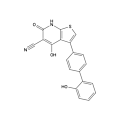
- Cat. No.
- A11071
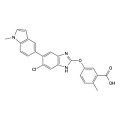
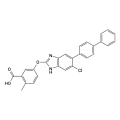
A-769662
A-769662 is a new activator of AMP-activated protein kinase (AMPK).
Search by product name, CAS, target or catalog number. Press Down Arrow to reach product suggestions, Tab to move between links, and Escape to close suggestions.
AMPK activators and inhibitors act on adenosine monophosphate-activated protein kinase (AMPK), an energy sensor. The enzyme is a heterotrimer of a catalytic α subunit with regulatory β and γ subunits. When cellular energy falls, AMPK switches off anabolic pathways such as fatty acid synthesis and switches on catabolic processes. A 2001 study linked AMPK activation to the actions of metformin and introduced compound C, also known as dorsomorphin, as an inhibitor. A-769662, reported in 2006, was among the first direct small-molecule AMPK activators. MK8722 and ex229 also activate the kinase directly, whereas acadesine acts through a cellular metabolite that mimics adenosine monophosphate.
A-769662 is a new activator of AMP-activated protein kinase (AMPK).
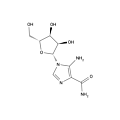
Synonyms: AICA-riboside; Aicar; NSC 105823
Acadesine is a selective activator of AMPK in both hepatocytes and adipocytes.
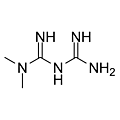
Synonyms: 1,1-Dimethylbiguanide
Metformin is an AMP-activated protein kinase (AMPK) activator that improves glycemic control by improving insulin sensitivity and decreasing intestinal absorption of glucose.
Synonyms: compound 991
EX229 (compound 991) is a potent AMPK activator that is 5-10-fold more potent than A769662 in activating AMPK.
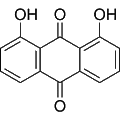
Synonyms: Dantron; Chrysazin; 1,8-Dihydroxyanthraquinone
Danthron is an AMPK activator that plays a critical role in regulating glucose and lipid metabolism. Derived from the traditional Chinese medicinal plant Salvia miltiorrhiza Bunge, Danthron has demonstrated potential in enhancing cellular energy balance. Its biological activity makes it a valuable reagent for research in metabolic disorders and related therapeutic applications.
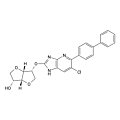
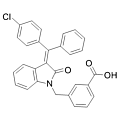
Synonyms: C24
YLF-466D is an allosteric AMPK activator.
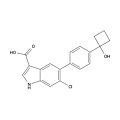
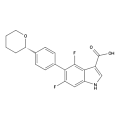
PF-06409577 is orally bioavailable AMPK activator with EC50 of 7 nM for α1β1γ1 in the TR-FRET assay and it shows no detectable inhibition of hERG in a patch-clamp assay (100 μM) and was not an inhibitor (IC50 > 100 μM) of the microsomal activities of major human cytochrome P450 isoforms.
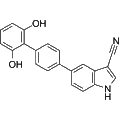
MK-3903 is a potent and selective AMPK activator (EC50 = 8 nM). MK-3903 exhibited robust target engagement in mouse liver following oral dosing, leading to improved lipid metabolism and insulin sensitization in mice.
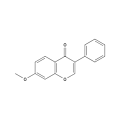
7-Methoxyisoflavone is an isoflavone derivative and also an activator of adenosine monophosphate-activated protein kinase (AMPK).
O-304 is a first-in-class, orally available pan-AMPK activator, which increases AMPK activity by suppressing the dephosphorylation of pAMPK.
IM156 (HL156A), a metformin derivative, is a potent activator of AMPK that increases AMPK phosphorylation.
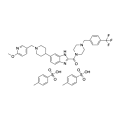
ASP4132 is an orally active, potent AMPK activator with an EC50 of 18 nM. ASP4132 has anti-cancer activity and makes tumor regression in breast cancer xenograft mouse models.
Synonyms: PF-6679142
PF-06679142 is a potent AMPK activator. PF-06679142 exhibited robust activation of AMPK in rat kidneys as well as desirable oral absorption, low plasma clearance, and negligible renal clearance in preclinical species.
Synonyms: CHNQD-0803
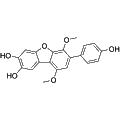
Candidusin A is a potent AMPK activator with a KD of 47.28 nM, isolated from the marine fungus Aspergillus candidus. This compound demonstrates significant cytotoxicity, inducing apoptosis in human prostate cancer cell lines such as 22Rv1, PC-3, and LNCaP. Additionally, Candidusin A reduces the expression of adipogenesis-related genes and fat deposition, while negatively regulating the NF-κB-TNFα inflammatory axis to mitigate inflammation. Its diverse biological activities make Candidusin A a valuable tool for research into non-alcoholic steatohepatitis (NASH) and liver injury.
Out of stock
All 3 sizes
MT 63-78 is a specific and potent direct activator of AMP-activated protein kinase (AMPK), exhibiting an EC50 value of 25 μM. This compound not only induces cell mitotic arrest and apoptosis but also effectively inhibits prostate cancer growth through the suppression of lipogenesis and the mTORC1 signaling pathway. MT 63-78 demonstrates significant antitumor effects, making it a valuable reagent for cancer research applications focused on metabolic regulation and cell cycle modulation.
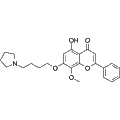
GL-V9 is an AMPK activator that modulates cellular metabolism and promotes apoptosis in HepG2 cells, with an IC50 of 35.2 μM. It induces cell cycle arrest at the G2/M phase and alters mitochondrial membrane potential, leading to increased intracellular reactive oxygen species. By inhibiting the pentose phosphate pathway and enhancing fatty acid oxidation via AMPK activation, GL-V9 significantly impedes cancer cell metastasis and demonstrates antitumor efficacy in mouse models, making it a valuable tool for cancer research.
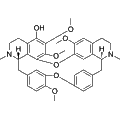
Thalidezine is a selective activator of AMP-activated protein kinase (AMPK), a crucial regulator of cellular energy homeostasis. It has been shown to promote autophagic cell death in anti-apoptotic cancer cells by modulating energy metabolism. Thalidezine serves as a valuable tool for investigating the mechanisms of apoptosis and potential therapeutic interventions in cancer research.
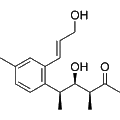
NFAT-133 is an aromatic polyketide that functions as an AMPK activator. It enhances glucose uptake in muscle cells, showing potential as an antidiabetic agent. Additionally, NFAT-133 suppresses T-cell proliferation and IL-2 expression by inhibiting the transcriptional activity of nuclear factor of activated T-cells (NFAT), exhibiting immunosuppressive properties. This compound also reduces nitric oxide production in RAW264.7 cells stimulated by lipopolysaccharide (LPS), without displaying antibacterial or cytotoxic effects.
Out of stock
All 3 sizes
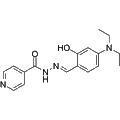
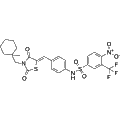
RSVA405 is a potent, orally bioavailable activator of AMP-activated protein kinase (AMPK), exhibiting an EC50 of 1 μM. This compound enhances CaMKKβ-mediated activation of AMPK, leading to the inhibition of mTOR and promotion of autophagy, which in turn increases the degradation of amyloid beta (Aβ). Additionally, RSVA405 demonstrates anti-inflammatory properties by inhibiting STAT3 activity, and is applicable in obesity research.
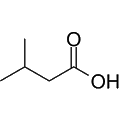
Isovaleric acid is an AMPK activator known for its role in inhibiting osteoclast differentiation through the stimulation of AMPK phosphorylation. Additionally, it promotes colonic smooth muscle relaxation via the activation of the cAMP/PKA pathway. This compound is applicable in research focusing on skeletal diseases, including osteoporosis, as well as intestinal disorders.
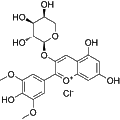
Malvidin-3-O-arabinoside chloride is an AMPK inducer that enhances cellular autophagy. This compound is recognized for its ability to mitigate oxidative damage induced by ethyl carbamate through the activation of AMPK signaling pathways. Its biological activity supports research applications focused on metabolic disorders and oxidative stress-related conditions.
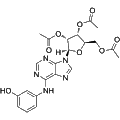
OSU-53 is an orally active AMPK activator and a direct mTOR inhibitor, exhibiting an EC50 of 0.3 μM. This compound induces autophagy by facilitating the conversion of LC3 I to LC3 II and plays a crucial role in modulating energy homeostasis by downregulating fatty acid biosynthesis while enhancing oxidative metabolism through upregulation of PGC1α and NRF-1. OSU-53 demonstrates antitumor activity across various cancer models, including breast and thyroid cancers, making it a valuable tool for cancer research and metabolic studies.
Synonyms: WS070117
IMM-H007 is a potent AMPK (AMP-activated protein kinase) activator and TGFβ1 (transforming growth factor β1) antagonist. This compound exhibits cardioprotective effects by activating AMPK, which subsequently reduces endothelial inflammation through the inactivation of NF-κB and JNK/AP1 signaling pathways. Additionally, IMM-H007 regulates lipid metabolism, effectively resolving hepatic steatosis in high-fat diet-fed hamsters. It is suitable for research applications focused on nonalcoholic fatty liver disease (NAFLD) and inflammatory atherosclerosis.