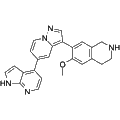
Protein Kinase C (PKC)

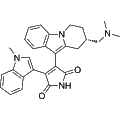
Protein kinase C (PKC) inhibitors and activators act on a family of lipid-regulated serine/threonine kinases. Conventional PKC isoforms require calcium and diacylglycerol, novel isoforms need only diacylglycerol, and atypical isoforms respond to neither. Tumor-promoting phorbol esters mimic diacylglycerol and were shown in 1982 to activate PKC directly. 12-O-tetradecanoyl phorbol-13-acetate (TPA) is the standard activator of this kind, and ingenol mebutate also activates several isoforms. Staurosporine was first described as a PKC inhibitor but blocks a wide range of protein kinases. Enzastaurin is selective for PKCβ, while GO6983 and Ro 31-8220 mesylate inhibit multiple conventional and novel isoforms.

Items 126-150 of 212

  • PKCiota-IN-2
    Cat. No.
    A46185

    PKCiota-IN-2

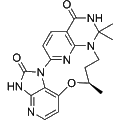
    PKCiota-IN-2 is a potent inhibitor of Protein Kinase C iota (PKC-ι), exhibiting an IC50 value of 2.8 nM. In addition to its primary target, PKCiota-IN-2 also demonstrates inhibitory activity against PKC-α and PKC-ε with IC50 values of 71 nM and 350 nM, respectively. This compound is valuable for research applications exploring the role of PKC isoforms in signal transduction, cancer, and other diseases.

    1 mg
    $95.00
    2 mg
    $145.00
    All 7 sizes
  • NA 0345
    Cat. No.
    A46186

    NA 0345

    NA 0345 is a potent protein kinase C (PKC) inhibitor, exhibiting IC50 values of 70 nM in the presence of 12-O-tetradecanoyl-13-acetate and 110 nM in its absence. This compound selectively inhibits PKC activity, effectively reducing the positive inotropic effects associated with α1-adrenergic receptors. NA 0345 is useful in research applications aimed at elucidating the role of PKC in cardiovascular function and signal transduction pathways.

    Out of stock

    All 3 sizes
  • EGFR Peptide
    Cat. No.
    A46187

    EGFR Peptide

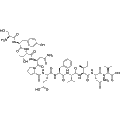
    EGFR Peptide is a selective substrate for Protein Kinase C (PKC), facilitating the measurement of PKC activity in various biological contexts. This peptide is instrumental in studies examining PKC's role in cellular signaling pathways, making it a valuable tool for researchers exploring cancer biology, cell proliferation, and differentiation processes. Its specific interaction with PKC allows for accurate assessments of enzyme activity, contributing to a deeper understanding of PKC-mediated signaling mechanisms.

    Out of stock

    All 3 sizes
  • [Glu27]-PKC (19-36)
    Cat. No.
    A46188

    [Glu27]-PKC (19-36)

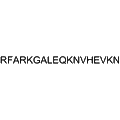
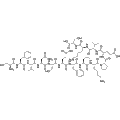
    [Glu27]-PKC (19-36) is a peptide that serves as an inactive control for protein kinase C (PKC) (19-36). As a pseudosubstrate peptide inhibitor, it is designed to maintain PKC in an inactive state without the presence of allosteric activators, such as phospholipids. This reagent is applicable in studies examining the regulation of PKC activity and its role in various cellular signaling pathways. Researchers can utilize [Glu27]-PKC (19-36) to assess the impact of active and inactive states of PKC in experimental setups.

    Out of stock

    All 3 sizes
  • AJH-836
    Cat. No.
    A46189

    AJH-836

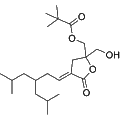
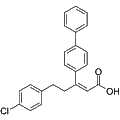
    AJH-836 is an activator of Munc13-1 and protein kinase C (PKC) ε/α, exhibiting a Kd of 4.5 nM for PKCα. This compound facilitates the translocation of Munc13-1 from the cytoplasm to the plasma membrane, thereby enhancing synaptic function. AJH-836 is valuable for research related to neurodegenerative diseases, providing insights into synaptic transmission and neuronal communication.

    25 mg
    $1,275.00
    50 mg
    $1,625.00
    All 3 sizes
  • Anemonin
    Cat. No.
    A46190

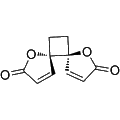
    Anemonin

    Synonyms: Pulsatilla camphor; Anemonine; trans-Anemonin

    Anemonin is a dual inhibitor targeting inducible nitric oxide synthase (iNOS) and protein kinase C theta (PKC-θ). This compound significantly reduces the translation and enhances the protein stability of PKC-θ, demonstrating potent anti-inflammatory effects. Anemonin has been shown to alleviate symptoms of dextran sodium sulfate-induced acute ulcerative colitis in murine models, making it a valuable tool for researching inflammation-related diseases.

    1 mg
    $50.00
    5 mg
    $125.00
    All 4 sizes
  • (±)-1,2-Diolein
    Cat. No.
    A46191

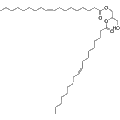
    (±)-1,2-Diolein

    Synonyms: 1,2-Dioleoyl-rac-glycerol

    (±)-1,2-Diolein is a potent activator of protein kinase C (PKC), a crucial regulator of various cellular processes. This compound enhances calcium influx in myotubes, facilitating studies on muscle physiology and signaling pathways. Its application in research supports investigations into PKC-related mechanisms and their implications in muscle function and disease.

    5 mg
    $20.00
    10 mg
    $30.00
    All 7 sizes
  • Protein Kinase C β Peptide
    Cat. No.
    A46192

    Protein Kinase C β Peptide

    Protein Kinase C β Peptide is a peptide fragment derived from Protein Kinase Cβ, which plays a critical role in regulating vascular function. It has been shown that hyperglycemia negatively impacts endothelium-derived nitric oxide production, leading to impaired vasodilation. The inhibition of Protein Kinase Cβ can counteract the reduction in endothelium-dependent vasodilation that occurs during acute hyperglycemia, making this peptide a valuable tool for research into vascular complications associated with diabetes and metabolic disorders.

    Out of stock

    All 3 sizes
  • (S)-Ro 32-0432 free base
    Cat. No.
    A46193

    (S)-Ro 32-0432 free base

    (S)-Ro 32-0432 free base is a selective and potent ATP-competitive inhibitor of Protein Kinase C (PKC), with IC50 values of 9.3 nM for PKCα, 28 nM for PKCβI, 30 nM for PKCβII, 36.5 nM for PKCγ, and 108.3 nM for PKCε. Additionally, it acts as a selective inhibitor of G protein-coupled receptor kinase 5 (GRK5). (S)-Ro 32-0432 free base effectively inhibits T-cell activation, making it a valuable tool for research into chronic inflammatory and autoimmune diseases.

    25 mg
    $1,530.00
    50 mg
    $1,950.00
    All 3 sizes
  • 1,2-Didecanoylglycerol
    Cat. No.
    A46194

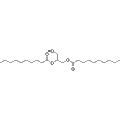
    1,2-Didecanoylglycerol

    1,2-Didecanoylglycerol is a synthetic diacylglycerol that functions as a potent activator of protein kinase C (PKC). It is metabolized by platelets to form 1,2-didecanoylphosphatidic acid (PA10), which plays a crucial role in cellular signaling pathways. This reagent is widely used in research applications involving cell proliferation, differentiation, and various signaling cascades associated with PKC activation.

    25 mg
    $1,275.00
    50 mg
    $1,625.00
    All 3 sizes
  • ɛPKC(85–92),Myristoylated
    Cat. No.
    A46195

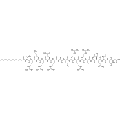
    ɛPKC(85–92),Myristoylated

    ɛPKC(85–92), Myristoylated is a cell-permeable peptide that activates Protein Kinase C (PKC) through myristoylation. This compound enhances nitric oxide (NO) release in cultured human umbilical vein endothelial cells (HUVECs), making it a valuable tool for investigating endothelial cell function and signaling pathways. Research applications include studies on vascular biology and the modulation of PKC activity in various physiological and pathological processes.

    Out of stock

    All 3 sizes
  • Gnidimacrin
    Cat. No.
    A46196

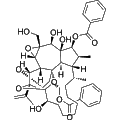
    Gnidimacrin

    Gnidimacrin is a protein kinase C (PKC) activator that demonstrates notable anti-proliferative effects on various cancer cell lines. It effectively inhibits growth in human leukemias, stomach cancers, and non-small cell lung cancers in vitro, while also exhibiting antitumor activity against murine leukemias and solid tumors in vivo. This compound can be utilized in research focused on leukemia and solid tumor biology, contributing to the understanding of PKC signaling pathways in cancer therapy.

    25 mg
    $1,275.00
    50 mg
    $1,625.00
    All 3 sizes
  • PKCη pseudosubstrate inhibitor,myristoylated
    Cat. No.
    A46197

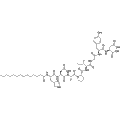
    PKCη pseudosubstrate inhibitor,myristoylated

    PKCη pseudosubstrate inhibitor, myristoylated is a cell-permeable compound designed to inhibit protein kinase C eta (PKCη) activity by mimicking its substrate. This inhibitor allows for the exploration of PKCη’s role in various signaling pathways, facilitating studies on its biological functions in cell proliferation, differentiation, and apoptosis. Researchers can utilize this tool to investigate the therapeutic potential of modulating PKCη activity in various diseases.

    1 mg
    $65.00
    5 mg
    $125.00
    All 3 sizes
  • KRPpSQRHGSKY-NH2
    Cat. No.
    A46198

    KRPpSQRHGSKY-NH2

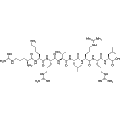
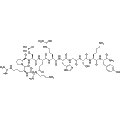
    KRPpSQRHGSKY-NH2 is a bioactive peptide that serves as a phosphorylated substrate for protein kinase C (PKC). This compound is utilized in research applications to study signaling pathways and phosphorylation events mediated by PKC. Its role in cellular processes makes it valuable for investigating various biological functions and potential therapeutic targets.

    Out of stock

    All 3 sizes
  • CP-46665 dihydrochloride
    Cat. No.
    A46199

    CP-46665 dihydrochloride

    Synonyms: CP-46665-1

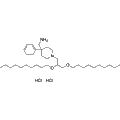
    CP-46665 dihydrochloride is an anticancer agent that primarily targets cellular proliferation. It inhibits the incorporation of tritiated thymidine into leukemia cells and various human solid tumor cells in vitro. This compound leads to the loss of surface characteristics in tumor cells and disrupts cell membranes, thereby effectively inhibiting cell growth and proliferation. It is a valuable tool for research applications focused on cancer biology and therapeutic development.

    25 mg
    $1,275.00
    All 1 sizes
  • PS315
    Cat. No.
    A46200

    PS315

    PS315 is an allosteric inhibitor of protein kinase C (PKC) that targets the PIF-pocket of atypical PKC isoforms. By inducing a displacement of the active site residue Lys111, PS315 effectively inhibits both full-length PKCζ (IC50 = 10 µM) and PKCη (IC50 = 30 µM). This compound has demonstrated anti-cancer properties, making it a valuable tool for research into PKC-related signaling pathways and cancer therapeutics.

    25 mg
    $1,275.00
    50 mg
    $1,625.00
    All 3 sizes
  • PKCTheta-IN-1
    Cat. No.
    A46201

    PKCTheta-IN-1

    PKCTheta-IN-1 is a selective inhibitor of Protein Kinase C Theta (PKCθ), exhibiting an IC50 value of 0.1 nM. This compound disrupts PKCθ-mediated signaling pathways, contributing to its potential in immunological research and cellular proliferation studies. Its specificity makes it a valuable tool for investigating the role of PKCθ in T-cell activation and other related processes.

    Out of stock

    All 3 sizes
  • Protein Kinase C (660-673)
    Cat. No.
    A46202

    Protein Kinase C (660-673)

    Synonyms: PKC βII (660-673)

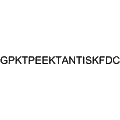
    Protein Kinase C (660-673) is a peptide derived from the PKC βII isoform, specifically designed to exhibit RACK1-binding affinity. This peptide serves as a valuable tool for studying the interactions of PKC βII with RACK1, providing insights into signaling pathways mediated by Protein Kinase C. Its unique structural properties make it suitable for investigating PKC βII's role in cellular processes, including proliferation and differentiation.

    Out of stock

    All 3 sizes
  • PKC-IN-7
    Cat. No.
    A46203

    PKC-IN-7

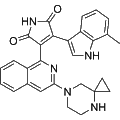
    PKC-IN-7 is a selective inhibitor of protein kinase C (PKC). This compound demonstrates significant anti-proliferative effects in various cancer cell lines and is valuable for investigating the role of PKC in cancer signaling pathways. It is suitable for research applications focused on tumor biology, cell signaling, and therapeutic development for PKC-related diseases.

    Out of stock

    All 3 sizes
  • 6-Deoxyisojacareubin
    Cat. No.
    A46204

    6-Deoxyisojacareubin

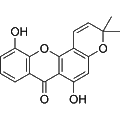
    6-Deoxyisojacareubin is a specific inhibitor of Protein Kinase C (PKC) that exhibits concentration-dependent inhibition of QGY-7703 cell proliferation. As a natural product derived from Garcinia nervosa, it serves as a valuable tool in cancer research to explore PKC-related signaling pathways and its effects on tumor cell growth. Its unique properties make it suitable for studies aiming to elucidate the role of PKC in various cancer types.

    5 mg
    $1,345.00
    All 1 sizes
  • [Ala113]MBP(104-118)
    Cat. No.
    A46205

    [Ala113]MBP(104-118)

    [Ala113]MBP(104-118) is a noncompetitive inhibitor of protein kinase C (PKC), demonstrating IC50 values between 28-62 μM. This peptide is crucial for studying the regulatory mechanisms of PKC in various biological contexts. Its inhibition of PKC activity makes it a valuable tool for investigating signal transduction pathways and their implications in disease states. Researchers can utilize this reagent to explore PKC's role in cellular processes, contributing to the understanding of therapeutic targets in cancer and other diseases.

    1 mg
    $150.00
    All 1 sizes
  • pTH-Related Protein (1-40) (human, mouse, rat)
    Cat. No.
    A46206

    pTH-Related Protein (1-40) (human, mouse, rat)

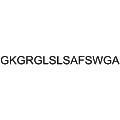
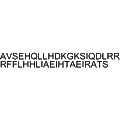
    pTH-Related Protein (1-40) is an activator of the parathyroid hormone receptor (PTHR) and protein kinase C isoforms α and β. This peptide enhances calcium uptake in rat intestinal cells by stimulating the PTHR1 receptor, leading to the upregulation of critical calcium transport proteins, including TRPV6, CaBP-D9k, NCX1, and PMCA1. Its biological activity makes it a valuable tool for research focused on calcium signaling and endocrine regulation in both human and animal models.

    Out of stock

    All 3 sizes
  • Staurosporine-Boc
    Cat. No.
    A46207

    Staurosporine-Boc

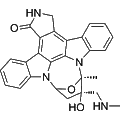
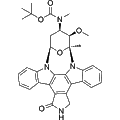
    Staurosporine-Boc is a potent non-selective inhibitor of protein kinases, derived from the actinobacterium Streptomyces staurosporeus. This compound effectively inhibits a wide range of protein kinases, including protein kinase C (PKC), as well as tyrosine and serine/threonine kinases. Due to its broad activity profile, Staurosporine-Boc is extensively utilized in biological research, particularly in studies examining cell signaling pathways and related mechanisms.

    Out of stock

    All 3 sizes
  • Protein Kinase C (661-671)
    Cat. No.
    A46208

    Protein Kinase C (661-671)

    Protein Kinase C (661-671) is a peptide fragment derived from the β1 isoform of protein kinase C (PKC). This fragment is crucial for studying the regulatory mechanisms of PKC in cellular growth control and its role in tumor promotion. It serves as an important tool for research into cancer biology and signaling pathways associated with PKC activity.

    Out of stock

    All 3 sizes
  • Sapintoxin A
    Cat. No.
    A46209

    Sapintoxin A

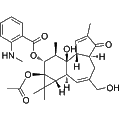
    Sapintoxin A is a phorbol ester derived from the unripe fruits of Sapium indicum. This compound exhibits significant biological activity by acting on protein kinase C (PKC) pathways, making it valuable in the study of signal transduction and cancer research. Its applications include investigating the role of PKC in various cellular processes and understanding tumorigenesis mechanisms.

    Out of stock

    All 3 sizes

Items 126-150 of 212

Added to your cart

View Cart Checkout

    Loading...