Protein Kinase C (PKC)

Protein kinase C (PKC) inhibitors and activators act on a family of lipid-regulated serine/threonine kinases. Conventional PKC isoforms require calcium and diacylglycerol, novel isoforms need only diacylglycerol, and atypical isoforms respond to neither. Tumor-promoting phorbol esters mimic diacylglycerol and were shown in 1982 to activate PKC directly. 12-O-tetradecanoyl phorbol-13-acetate (TPA) is the standard activator of this kind, and ingenol mebutate also activates several isoforms. Staurosporine was first described as a PKC inhibitor but blocks a wide range of protein kinases. Enzastaurin is selective for PKCβ, while GO6983 and Ro 31-8220 mesylate inhibit multiple conventional and novel isoforms.

Items 151-175 of 212

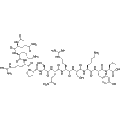
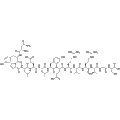
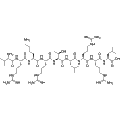
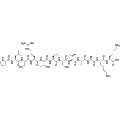
  • Protein Kinase C (19-35) Peptide
    Cat. No.
    A46210

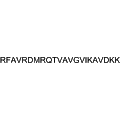
    Protein Kinase C (19-35) Peptide

    Protein Kinase C (19-35) Peptide serves as a pseudosubstrate inhibitor of Protein Kinase C (PKC). By potentially blocking the substrate-binding site within the kinase domain, this peptide renders the cytoplasmic form of PKC inactive. This inhibition is valuable for investigating PKC-related signaling pathways and understanding its role in various cellular processes. Its applications extend to research focused on cell proliferation, differentiation, and apoptosis associated with PKC activity.

    1 mg
    $60.00
    5 mg
    $120.00
    All 3 sizes
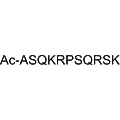
  • PKCδ Peptide Substrate
    Cat. No.
    A46211

    PKCδ Peptide Substrate

    PKCδ Peptide Substrate is a highly specific substrate that targets the δ isoform of Protein Kinase C (PKCδ). Featuring the amino acid sequence corresponding to residues 422-443 of murine eEF-1α and incorporating Thr-431, this peptide supports detailed studies of PKCδ activity. It is suitable for a variety of research applications, including kinase assays and understanding PKCδ's role in cellular signaling pathways.

    Out of stock

    All 3 sizes
  • aPKC-IN-1
    Cat. No.
    A46212

    aPKC-IN-1

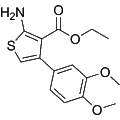
    aPKC-IN-1 is a selective inhibitor of atypical protein kinase C zeta (aPKCζ). This compound plays a crucial role in modulating cellular processes related to vascular permeability and inflammation. It is a valuable tool for investigating various disease mechanisms associated with these biological pathways, making it pertinent for research in areas such as cancer and autoimmune disorders.

    25 mg
    $1,275.00
    50 mg
    $1,625.00
    All 3 sizes
  • ICP-103
    Cat. No.
    A46213

    ICP-103

    ICP-103 is a highly selective protein kinase C (PKC) inhibitor with an IC50 of 30 nM. This compound has demonstrated potent inhibitory activity against PKC, making it a valuable tool for cancer research. ICP-103 can be utilized to explore the role of PKC in tumorigenesis and therapeutic resistance, contributing to a deeper understanding of potential cancer treatment strategies.

    Out of stock

    All 3 sizes
  • pep2-EVKI
    Cat. No.
    A46214

    pep2-EVKI

    Synonyms: YNVYGIEEVKI

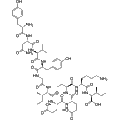
    pep2-EVKI (YNVYGIEEVKI) is an inhibitor peptide that selectively targets and disrupts the interactions of Protein Interacting with C kinase 1 (PICK1). This compound is known to exert opposing effects on synaptic α-amino-3-hydroxy-5-methyl-4-isoxazolepropionic acid receptor (AMPAR) function relative to PICK1 expression. It serves as a valuable tool for studying synaptic signaling pathways and understanding the role of PICK1 in synaptic plasticity and related neurobiological processes.

    2 mg
    $195.00
    All 1 sizes
  • Cytidylate kinase
    Cat. No.
    A46215

    Cytidylate kinase

    Cytidylate kinase is an enzyme that catalyzes the transfer of a phosphate group from ATP to cytidine monophosphate (CMP) and deoxycytidine monophosphate (dCMP), leading to the synthesis of nucleoside diphosphates. This enzymatic activity plays a crucial role in nucleotide metabolism and is essential for DNA and RNA synthesis. Cytidylate kinase is useful for research applications in molecular biology, biochemistry, and studies related to cellular proliferation and metabolism.

    Out of stock

    All 3 sizes
  • Ac-MBP (4-14) Peptide
    Cat. No.
    A46216

    Ac-MBP (4-14) Peptide

    Ac-MBP (4-14) Peptide is an acetylated derivative of the myelin basic protein (MBP) sequence encompassing amino acids 4 to 14. This peptide serves as a selective substrate for protein kinase C (PKC), facilitating accurate biochemical assays. Ac-MBP (4-14) Peptide is suitable for PKC activity assays in crude extracts, allowing for the assessment of PKC function without the need for prior purification steps to remove interfering kinases or phosphatases.

    Out of stock

    All 3 sizes
  • 7-Oxostaurosporine
    Cat. No.
    A46217

    7-Oxostaurosporine

    7-Oxostaurosporine is a selective inhibitor of protein kinase C (PKC), demonstrating significant efficacy in inhibiting tumor proliferation. This compound induces apoptosis in cancer cells and effectively disrupts the nuclear factor (NF)-κB/p-p65 signaling pathway, making it valuable for cancer research and therapeutic studies focused on PKC-related pathways. Its potent biological activity highlights its potential utility in understanding tumor biology and developing targeted cancer therapies.

    1 mg
    $610.00
    All 1 sizes
  • [Ala107]MBP(104-118)
    Cat. No.
    A46218

    [Ala107]MBP(104-118)

    [Ala107]MBP(104-118) is a noncompetitive inhibitor of protein kinase C (PKC), exhibiting IC50 values between 46-145 μM. This peptide is utilized in research to study PKC activity and its role in cellular signaling pathways. Its ability to selectively inhibit PKC makes it a valuable tool in investigating the implications of PKC in various disease states and pharmacological interventions.

    1 mg
    $115.00
    All 1 sizes
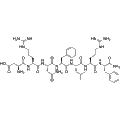
  • Neuropeptide DF2
    Cat. No.
    A46219

    Neuropeptide DF2

    Neuropeptide DF2 is a neuropeptide derived from crayfish, specifically a member of the DRNFLRFamide family. It enhances neurotransmitter release and increases the amplitude of excitatory post-synaptic potentials (EPSP) via activation of calcium/calmodulin-dependent protein kinase pathways. This compound is valuable for research in neurobiology and synaptic transmission.

    Out of stock

    All 3 sizes
  • Protein Kinase C γ Peptide
    Cat. No.
    A46220

    Protein Kinase C γ Peptide

    Protein Kinase C γ Peptide is a bioactive peptide fragment derived from Protein Kinase Cγ, which plays a crucial role in cellular signaling pathways. This peptide is involved in the regulation of nuclear import mechanisms associated with recessive ataxia-related aprataxin and has implications in the study of dominant ataxia disorders. It is a valuable tool for researchers exploring the molecular mechanisms underlying ataxia and related neurodegenerative conditions.

    Out of stock

    All 3 sizes
  • Psychosine-d7
    Cat. No.
    A46221

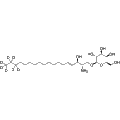
    Psychosine-d7

    Synonyms: Galactosylsphingosine-d7

    Psychosine-d7 is a deuterium-labeled analog of psychosine, serving as a stable isotope for research applications. Psychosine acts as a substrate for the galactocerebrosidase (GALC) enzyme and is identified as a potential biomarker for Krabbe disease. This lipid is known for its high cytotoxicity, inducing apoptosis across various cell types, making it valuable for studies related to neurodegenerative disorders and cellular stress responses.

    1 mg
    $2,450.00
    All 1 sizes
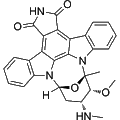
  • K-252b
    Cat. No.
    A46222

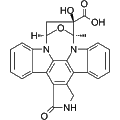
    K-252b

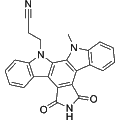
    K-252b is an indolocarbazole that acts as a selective protein kinase C (PKC) inhibitor. Its primary mechanism involves the inhibition of PKC enzymes, essential for various cellular signaling pathways. K-252b is particularly useful in studies assessing the role of PKC in phosphorylation processes and can be applied in cell culture to investigate the effects of targeted PKC modulation on cellular functions. However, its limited membrane permeability necessitates specific experimental conditions for effective use.

    0.5 mg
    $365.00
    1 mg
    $945.00
    All 2 sizes
  • Pep2m, myristoylated
    Cat. No.
    A46223

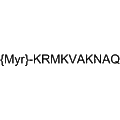
    Pep2m, myristoylated

    Synonyms: Myr-Pep2m

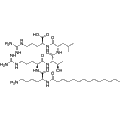
    Pep2m, myristoylated is a cell-permeable peptide that targets protein kinase ζ (PKMζ). This compound is known to disrupt the interactions between N-ethylmaleimide-sensitive factor (NSF) and glutamate receptor subunit 2 (GluR2), providing valuable insights into the roles of PKMζ in cellular signaling. Pep2m, myristoylated is useful for researching synaptic transmission and plasticity, as well as studying the molecular mechanisms underlying memory and learning processes.

    1 mg
    $175.00
    All 1 sizes
  • N-Myristoyl-Lys-Arg-Thr-Leu-Arg
    Cat. No.
    A46224

    N-Myristoyl-Lys-Arg-Thr-Leu-Arg

    N-Myristoyl-Lys-Arg-Thr-Leu-Arg is a selective inhibitor of protein kinase C (PKC), exhibiting an IC50 of 75 μM. This compound effectively inhibits the induction of the IL-2 receptor and production of IL-2 in the Jurkat human leukemic cell line. It can be utilized in research focused on understanding PKC-related signaling pathways and their role in immune responses.

    Out of stock

    All 3 sizes
  • Protein kinase C α peptide TFA
    Cat. No.
    A46225

    Protein kinase C α peptide TFA

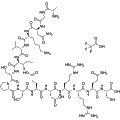
    Protein Kinase C α Peptide (TFA) is a synthetic peptide derived from Protein Kinase C alpha, which functions as a lipid-dependent serine/threonine protein kinase. This reagent plays a critical role in modulating various cellular processes such as cell survival, proliferation, differentiation, migration, and adhesion. It is widely utilized in research applications exploring signaling pathways and cellular responses pertinent to cancer and other diseases.

    Out of stock

    All 3 sizes
  • Protein Kinase C (530-558)
    Cat. No.
    A46226

    Protein Kinase C (530-558)

    Synonyms: PKC fragment (530-558)

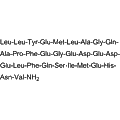
    Protein Kinase C (530-558) is a potent activator of Protein Kinase C (PKC). This peptide fragment has been shown to significantly inhibit osteoclastic bone resorption, making it valuable for research on bone metabolism and related disorders. Its specific activation of PKC can provide insights into the signaling pathways involved in various cellular processes, contributing to studies in cell biology and pharmacology.

    1 mg
    $125.00
    All 1 sizes
  • FKKSFKL-NH2
    Cat. No.
    A46227

    FKKSFKL-NH2

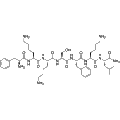
    FKKSFKL-NH2 is a selective peptide targeting protein kinase C (PKC). This compound is valuable for studying PKC-mediated signaling pathways and its involvement in various biochemical processes. Researchers can utilize FKKSFKL-NH2 to explore its potential roles in cell signaling, proliferation, and differentiation, contributing to a deeper understanding of PKC-related functions in cellular biology.

    Out of stock

    All 3 sizes
  • Protein kinase C substrate
    Cat. No.
    A46228

    Protein kinase C substrate

    Protein kinase C substrate serves as a substrate for Protein kinase C, enabling the detection of phosphorylated proteins. Protein kinase C is a critical regulator in signal transduction pathways, facilitating cellular responses through the phosphorylation of specific substrates. This reagent is essential for studying kinase activity and elucidating signaling mechanisms in various biological contexts.

    Out of stock

    All 3 sizes
  • PKC-theta inhibitor 2 hydrochloride
    Cat. No.
    A46229

    PKC-theta inhibitor 2 hydrochloride

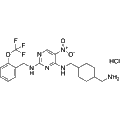
    PKC-theta inhibitor 2 hydrochloride is a highly selective inhibitor of protein kinase C theta (PKC-θ), exhibiting an IC50 of 18 nM. This compound modulates key signaling pathways associated with T cell activation and proliferation. It serves as a valuable tool in research investigating autoimmune diseases, cancer therapeutics, and immune response modulation.

    1 mg
    $70.00
    2 mg
    $100.00
    All 8 sizes
  • Teleocidin A1
    Cat. No.
    A46230

    Teleocidin A1

    Synonyms: Lyngbyatoxin A

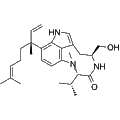
    Teleocidin A1 is a potent activator of protein kinase C (PKC). This compound exhibits significant antiproliferative activity against HeLa cancer cells, with an IC50 of 9.2 nM. Teleocidin A1 serves as a valuable tool for investigating PKC signaling pathways and its implications in cancer research.

    1 mg
    $630.00
    25 mg
    $1,275.00
    All 2 sizes
  • Safingol
    Cat. No.
    A46233

    Safingol

    Synonyms: L-threo-dihydrosphingosine

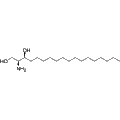
    Safingol is a lyso-sphingolipid that acts as a selective protein kinase C (PKC) inhibitor. It has demonstrated potential in modulating various cellular signaling pathways, making it an important tool in cancer research and studies of cell survival and apoptosis. Safingol is valuable for investigating the role of PKC in diseases and may aid in the development of therapeutic strategies targeting this kinase.

    1 mg
    $150.00
    All 1 sizes
  • [Ala9,10, Lys11,12] Glycogen Synthase (1-12)
    Cat. No.
    A46234

    [Ala9,10, Lys11,12] Glycogen Synthase (1-12)

    [Ala9,10, Lys11,12] Glycogen Synthase (1-12) serves as a selective substrate for phosphorylation by protein kinase C (PKC). This reagent is useful for assessing PKC activity in various biological contexts, providing insights into signaling pathways involving PKC and glycogen metabolism. Researchers can utilize this substrate to elucidate the regulatory mechanisms of PKC in cellular processes.

    Out of stock

    All 3 sizes
  • Protein Kinase C Peptide Substrate
    Cat. No.
    A46235

    Protein Kinase C Peptide Substrate

    Synonyms: PKCε; PRKCE; Peptide Epsilon

    Protein Kinase C Peptide Substrate is specifically designed to act as a substrate for Protein Kinase C, a crucial player in cellular signal transduction. This substrate participates in the phosphorylation of serine and threonine residues in target proteins, modulating various cellular processes in response to second messengers. Its key biological activities include regulation of nervous, endocrine, exocrine, inflammatory, and immune responses. This reagent is valuable for research applications aimed at understanding signaling pathways and the functional roles of Protein Kinase C in cellular physiology.

    Out of stock

    All 3 sizes
  • Ac-MBP (1-11)
    Cat. No.
    A46236

    Ac-MBP (1-11)

    Ac-MBP (1-11) is a synthetic peptide that represents the primary encephalitogenic epitope derived from myelin basic protein (MBP). This peptide is critical for studies on multiple sclerosis and other autoimmune disorders, as it plays a significant role in immune response and T cell activation. Ac-MBP (1-11) is widely utilized in research to understand the mechanisms of demyelination and to explore potential therapeutic interventions.

    Out of stock

    All 3 sizes

Items 151-175 of 212

Added to your cart

View Cart Checkout

    Loading...