Protein Kinase C (PKC)

Protein kinase C (PKC) inhibitors and activators act on a family of lipid-regulated serine/threonine kinases. Conventional PKC isoforms require calcium and diacylglycerol, novel isoforms need only diacylglycerol, and atypical isoforms respond to neither. Tumor-promoting phorbol esters mimic diacylglycerol and were shown in 1982 to activate PKC directly. 12-O-tetradecanoyl phorbol-13-acetate (TPA) is the standard activator of this kind, and ingenol mebutate also activates several isoforms. Staurosporine was first described as a PKC inhibitor but blocks a wide range of protein kinases. Enzastaurin is selective for PKCβ, while GO6983 and Ro 31-8220 mesylate inhibit multiple conventional and novel isoforms.

Items 76-100 of 212

  • CGP-53353
    Cat. No.
    A38051

    CGP-53353

    Synonyms: DAPH-7

    CGP-53353 is a potent protein kinase C (PKC) inhibitor that exhibits IC50 values of 0.41 μM for PKCβII and 3.8 μM for PKCβI. This compound effectively inhibits glucose-induced cell proliferation and DNA synthesis in aortic smooth muscle cells (AoSMC) and A10 cells. CGP-53353 serves as a valuable tool for investigating the mechanisms underlying atherosclerosis in diabetic populations.

    5 mg
    $105.00
    10 mg
    $165.00
    All 5 sizes
  • Bisindolylmaleimide I hydrochloride
    Cat. No.
    A44089

    Bisindolylmaleimide I hydrochloride

    Synonyms: GF109203X hydrochloride; Go 6850 hydrochloride

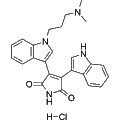
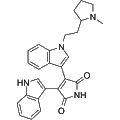
    Bisindolylmaleimide I hydrochloride is a potent and selective inhibitor of Protein Kinase C (PKC), exhibiting inhibition with IC50 values of 20 nM, 17 nM, 16 nM, and 20 nM for PKCα, PKCβI, PKCβII, and PKCγ respectively. Additionally, it serves as an inhibitor of Glycogen Synthase Kinase 3 (GSK-3). This compound is valuable in research investigating signal transduction pathways and cell proliferation, making it a crucial tool for studies in cancer, neurobiology, and cardiology.

    1 mg
    $30.00
    5 mg
    $65.00
    All 6 sizes
  • NSC668394
    Cat. No.
    A46137

    NSC668394

    NSC668394 is a selective inhibitor of ezrin phosphorylation at threonine 567, exhibiting a Kd of 12.59 μM. This compound effectively prevents the phosphorylation of ezrin induced by PKCΙ through direct binding, thereby interfering with key signaling pathways. NSC668394 is primarily utilized in research focused on inhibiting tumor metastasis and studying ezrin's role in cancer progression.

    1 mg
    $35.00
    5 mg
    $100.00
    All 6 sizes
  • R59949
    Cat. No.
    A46138

    R59949

    R59949 is a pan diacylglycerol kinase (DGK) inhibitor that exhibits an IC50 of 300 nM. This compound effectively inhibits the activity of type I DGK α and γ, while also moderately reducing the activity of type II DGK θ and κ. Additionally, R59949 promotes the activation of protein kinase C (PKC) by increasing endogenous diacylglycerol levels. It serves as a valuable tool for studying DGK and PKC signaling pathways in various biological contexts.

    1 mg
    $30.00
    2 mg
    $40.00
    All 8 sizes
  • PKN1/2-IN-1
    Cat. No.
    A46139

    PKN1/2-IN-1

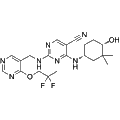
    PKN1/2-IN-1 is a selective inhibitor of protein kinase N isoforms 1 and 2 (PKN1 and PKN2), demonstrating IC50 values of 16 nM and 210 nM, respectively, along with Ki values of 8 nM and 108 nM. This compound effectively permeates cell membranes and shows significant binding affinity for PKN2, as indicated by NanoBRET assays (IC50 = 2.1 μM). PKN1/2-IN-1 is valuable for investigating physiological processes, particularly in research focused on tumor cell migration and related signaling pathways.

    2 mg
    $120.00
    5 mg
    $205.00
    All 6 sizes
  • 1-Oleoyl-2-acetyl-sn-glycerol
    Cat. No.
    A46140

    1-Oleoyl-2-acetyl-sn-glycerol

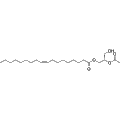
    1-Oleoyl-2-acetyl-sn-glycerol is a cell-permeable diacylglycerol (DAG) analog that activates Protein Kinase C (PKC) as its primary target. It is known to induce specific Ca2+ influx through TRPC channels, enhance superoxide production in human neutrophils, and promote the synthesis of phosphatidylinositol 4-phosphate in intact human platelets. Additionally, 1-Oleoyl-2-acetyl-sn-glycerol has been demonstrated to stimulate the proliferation of ascites tumor cells, making it useful for various biochemical and pharmacological studies.

    5 mg
    $160.00
    10 mg
    $240.00
    All 3 sizes
  • CC-90005
    Cat. No.
    A46141

    CC-90005

    CC-90005 is a potent and selective inhibitor of protein kinase C-θ (PKC-θ), exhibiting an IC50 of 8 nM. This compound demonstrates considerable selectivity for PKC-θ over PKC-δ, with an IC50 of 4440 nM. CC-90005 effectively inhibits T cell activation by downregulating IL-2 expression, making it a valuable tool for research in immunology and T cell signaling pathways.

    1 mg
    $465.00
    5 mg
    $1,050.00
    All 6 sizes
  • Psychosine
    Cat. No.
    A46142

    Psychosine

    Synonyms: Galactosylsphingosine

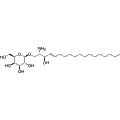
    Psychosine, or galactosylsphingosine, serves as a substrate for the galactocerebrosidase (GALC) enzyme and is recognized as a potential biomarker for Krabbe disease. This cytotoxic lipid is known to induce apoptosis, leading to cell death in various cell types, particularly oligodendrocytes, which are significant in the context of globoid cell leukodystrophy (GLD). Additionally, psychosine acts as an inhibitor of protein kinase C (PKC), further emphasizing its role in cellular signaling pathways and potential applications in neurological research.

    1 mg
    $160.00
    5 mg
    $410.00
    All 2 sizes
  • ZIP
    Cat. No.
    A46143

    ZIP

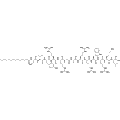
    ZIP is a selective peptide inhibitor of Protein Kinase M zeta (PKMζ), which plays a crucial role in synaptic plasticity and memory processes. This compound effectively impairs morphine-induced conditioned place preference, making it a valuable tool for studying addiction and the molecular mechanisms underlying memory formation. Research applications include investigating the role of PKMζ in memory reinforcement and the modulation of synaptic strength.

    1 mg
    $95.00
    5 mg
    $195.00
    All 3 sizes
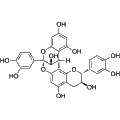
  • Procyanidin A1
    Cat. No.
    A46144

    Procyanidin A1

    Synonyms: Proanthocyanidin A1

    Procyanidin A1 is a potent inhibitor of protein kinase C (PKC) activity, effectively blocking degranulation processes in response to PKC activation and calcium influx in RBL-213 mast cells. This compound exhibits significant antiallergic properties, making it valuable for research applications focused on allergic responses and related signaling pathways. Its ability to modulate cellular activities makes Procyanidin A1 a useful tool in studying allergic mechanisms and developing therapeutic strategies.

    1 mg
    $65.00
    5 mg
    $135.00
    All 6 sizes
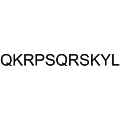
  • Myelin Basic Protein
    Cat. No.
    A46145

    Myelin Basic Protein

    Synonyms: MHP4-14

    Myelin Basic Protein (MHP4-14) serves as a specific substrate for protein kinase C (PKC), demonstrating a Km of 7 μM. This synthetic peptide, derived from residues 4-14 of myelin basic protein, is not phosphorylated by various other kinases, including cyclic AMP-dependent protein kinase and casein kinases I and II. It is highly effective for studying PKC activity in crude tissue extracts, providing a low background and reliable results in biochemical assays.

    5 mg
    $80.00
    10 mg
    $125.00
    All 2 sizes
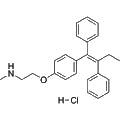
  • N-Desmethyltamoxifen hydrochloride
    Cat. No.
    A46146

    N-Desmethyltamoxifen hydrochloride

    N-Desmethyltamoxifen hydrochloride is a prominent inhibitor of protein kinase C (PKC). As the primary metabolite of tamoxifen, it exhibits ten-fold greater potency against PKC compared to its predecessor. Additionally, this compound effectively regulates ceramide metabolism in human acute myeloid leukemia (AML) cells by limiting ceramide glycosylation, hydrolysis, and sphingosine phosphorylation. Its properties make it valuable for research in cancer biology and metabolic regulation.

    5 mg
    $25.00
    10 mg
    $40.00
    All 5 sizes
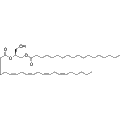
  • 1-Stearoyl-2-arachidonoyl-sn-glycerol
    Cat. No.
    A46147

    1-Stearoyl-2-arachidonoyl-sn-glycerol

    1-Stearoyl-2-arachidonoyl-sn-glycerol is a diacylglycerol (DAG) that serves as a potent activator of protein kinase C (PKC). This compound exhibits significant biological activity by enhancing the activity of nonselective cation channels (NSCC). It is commonly utilized in research applications aimed at elucidating PKC-related signaling pathways and assessing the physiological roles of DAG in cellular processes.

    Out of stock

    All 3 sizes
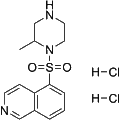
  • Protein kinase inhibitor H-7 dihydrochloride
    Cat. No.
    A46148

    Protein kinase inhibitor H-7 dihydrochloride

    H-7 dihydrochloride is a potent inhibitor of protein kinase C (PKC), effectively blocking its activity. At a concentration of 100 μM, H-7 dihydrochloride completely inhibits ornithine decarboxylase induction stimulated by both TPA (12-O-tetradecanoylphorbol-13-acetate) and phospholipase C. This reagent is widely utilized in research to investigate PKC-related signaling pathways and its role in cellular processes such as proliferation and differentiation.

    5 mg
    $20.00
    10 mg
    $25.00
    All 6 sizes
  • SC-10
    Cat. No.
    A46149

    SC-10

    SC-10 is a potent activator of protein kinase C (PKC), specifically targeting its catalytic activity. This compound enhances PKC signaling pathways, facilitating various cellular processes. SC-10 is widely employed in research applications focusing on cell signaling, cancer biology, and neurobiology, where it helps to elucidate the roles of PKC in cellular growth, differentiation, and apoptosis.

    1 mg
    $35.00
    5 mg
    $80.00
    All 7 sizes
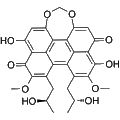
  • Cercosporin
    Cat. No.
    A46150

    Cercosporin

    Synonyms: CGP049090

    Cercosporin is a potent protein kinase C (PKC) inhibitor derived from the plant pathogen Pseudocercosporella capsellae. This compound acts as an effective photosensitizer due to its short activation wavelength, making it particularly suitable for superficial photodynamic therapy (PDT) applications where avoiding tissue perforation is crucial. With an IC50 ranging from 0.6 to 1.3 μM, cercosporin showcases significant biological activity in modulating cellular signaling pathways, contributing to its potential utility in cancer research and therapeutic development.

    1 mg
    $115.00
    5 mg
    $345.00
    All 2 sizes
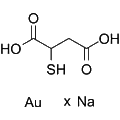
  • Aurothiomalate sodium
    Cat. No.
    A46151

    Aurothiomalate sodium

    Aurothiomalate sodium is a selective inhibitor of the oncogenic protein kinase C iota (PKCι), demonstrating significant potential in cancer research. This compound effectively inhibits tumor cell proliferation while having minimal effects on cell apoptosis, highlighting its unique mechanism of action. Additionally, Aurothiomalate sodium acts as a potent inhibitor of thioredoxin reductase (TrxR) and possesses anti-tumor properties, making it a valuable tool for investigating signaling pathways involved in cancer biology and therapeutic responses. Its anti-rheumatic properties further extend its relevance in related biomedical studies.

    5 mg
    $50.00
    10 mg
    $75.00
    All 5 sizes
  • PS432
    Cat. No.
    A46152

    PS432

    PS432 is a selective protein kinase C (PKC) inhibitor, demonstrating IC50 values of 16.9 μM for PKCι and 18.5 μM for PKCζ. This compound effectively reduces the proliferation of non-small cell lung cancer (NSCLC) cells and inhibits tumor growth in mouse xenograft models. It serves as a valuable tool for research applications targeting PKC signaling pathways in cancer biology.

    1 mg
    $100.00
    5 mg
    $310.00
    All 5 sizes
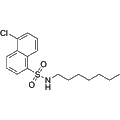
  • Protein kinase inhibitor H-7
    Cat. No.
    A46153

    Protein kinase inhibitor H-7

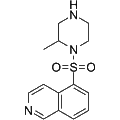
    Protein kinase inhibitor H-7 is a selective inhibitor of protein kinase C (PKC) and cyclic nucleotide-dependent protein kinase, exhibiting a Ki of 6 μM for PKC. This compound has been widely used in research to investigate the role of PKC in various cellular processes, including signal transduction and cell proliferation. Additionally, H-7 serves as a valuable tool in studies focused on the modulation of kinases and their associated pathways.

    5 mg
    $20.00
    10 mg
    $45.00
    All 5 sizes
  • Aprinocarsen sodium
    Cat. No.
    A46154

    Aprinocarsen sodium

    Synonyms: ISIS 3521 sodium

    Aprinocarsen sodium is a specific antisense oligonucleotide that targets protein kinase C-alpha (PKC-α), functioning as a potent inhibitor. This 20-mer oligonucleotide modulates cellular processes such as differentiation and proliferation. In vivo studies demonstrate its ability to inhibit the growth of human tumor cell lines in nude mice, highlighting its potential utility as a chemotherapeutic agent in the treatment of various human cancers.

    1 mg
    $55.00
    5 mg
    $130.00
    All 5 sizes
  • Bisindolylmaleimide II
    Cat. No.
    A46155

    Bisindolylmaleimide II

    Synonyms: Bis II

    Bisindolylmaleimide II is a potent inhibitor of Protein Kinase C (PKC) isoforms, serving as a valuable tool for dissecting PKC-related signaling pathways. Its inhibitory effect on all PKC subtypes makes it useful in studies investigating cellular processes such as proliferation, differentiation, and apoptosis. This compound is widely applied in research aiming to elucidate the role of PKC in various disease models, including cancer and neurodegenerative disorders.

    1 mg
    $115.00
    5 mg
    $130.00
    All 3 sizes
  • SBI-0087702
    Cat. No.
    A46156

    SBI-0087702

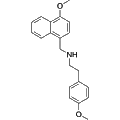
    SBI-0087702 is a selective inhibitor of ATF2, primarily targeting its phosphorylation at Thr52 by PKCε. This reagent induces the translocation of ATF2 to the mitochondria in melanoma cells, leading to enhanced apoptosis through the disruption of mitochondrial membrane integrity. Additionally, SBI-0087702 demonstrates significant effects on reducing both the growth and motility of melanoma cells, making it a valuable compound for research into cancer biology and therapeutic applications.

    5 mg
    $55.00
    10 mg
    $80.00
    All 5 sizes
  • Z-Arg-SBzl
    Cat. No.
    A46157

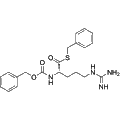
    Z-Arg-SBzl

    Z-Arg-SBzl is a specific substrate for both bovine and activated human protein C. It effectively facilitates the study of protein C activity and its role in coagulation processes. This compound is valuable for research applications focused on thrombosis and hemostasis, enabling the development of assays to investigate the regulatory mechanisms of blood coagulation.

    5 mg
    $150.00
    10 mg
    $235.00
    All 2 sizes
  • Myelin basic protein, MBP (68-86)
    Cat. No.
    A46158

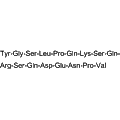
    Myelin basic protein, MBP (68-86)

    Myelin basic protein, MBP (68-86), is a peptide derived from the 68th to 86th amino acid residues of the myelin basic protein sequence. This peptide functions as an autoantigen, initiating immune responses that can lead to the destruction of myelin. MBP (68-86) is utilized in the experimental autoimmune encephalomyelitis (EAE) animal model, making it a valuable tool for investigating the immunological mechanisms involved in multiple sclerosis (MS).

    1 mg
    $90.00
    5 mg
    $195.00
    All 3 sizes
  • Bacopaside I
    Cat. No.
    A46159

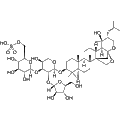
    Bacopaside I

    Bacopaside I is a selective AQP1 inhibitor and protein kinase C (PKC) modulator with notable neuroprotective and anticancer properties. It specifically inhibits the water channel and cGMP-gated ion channel activities of AQP1, thereby reducing the migration of AQP1-expressing colon cancer cells. Additionally, Bacopaside I activates the Akt pathway through PI3K interaction, inhibits MAO-A, and mitigates neuron necrosis and apoptosis due to oxygen-glucose deprivation, while lowering oxidative stress and modulating neuroreceptor expression. This compound is relevant for research in colon cancer, breast cancer, vascular dementia, cerebral ischemia, and associated diseases.

    5 mg
    $240.00
    10 mg
    $395.00
    All 2 sizes

Items 76-100 of 212

Added to your cart

View Cart Checkout

    Loading...