Protein Kinase C (PKC)

Protein kinase C (PKC) inhibitors and activators act on a family of lipid-regulated serine/threonine kinases. Conventional PKC isoforms require calcium and diacylglycerol, novel isoforms need only diacylglycerol, and atypical isoforms respond to neither. Tumor-promoting phorbol esters mimic diacylglycerol and were shown in 1982 to activate PKC directly. 12-O-tetradecanoyl phorbol-13-acetate (TPA) is the standard activator of this kind, and ingenol mebutate also activates several isoforms. Staurosporine was first described as a PKC inhibitor but blocks a wide range of protein kinases. Enzastaurin is selective for PKCβ, while GO6983 and Ro 31-8220 mesylate inhibit multiple conventional and novel isoforms.

Items 176-200 of 212

  • AE 51310
    Cat. No.
    A46237

    AE 51310

    AE 51310 is an inhibitor of the OPN4 receptor, effectively disrupting the activation of protein kinase C (PKC) and the downstream BRAF/MEK/ERK signaling cascade. This compound is valuable for cancer research, particularly in the study of non-small cell lung cancer (NSCLC). Its ability to modulate critical signaling pathways makes AE 51310 a useful tool in investigating tumor biology and potential therapeutic targets.

    Out of stock

    All 3 sizes
  • C8 Dihydroceramide
    Cat. No.
    A46238

    C8 Dihydroceramide

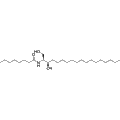
    C8 Dihydroceramide serves as a negative control for C8 Ceramide, an analog of naturally occurring ceramides that can penetrate cell membranes. Unlike its active counterpart, C8-Ceramide exhibits anti-proliferative properties, demonstrating its potential as a chemotherapeutic agent and a stimulant for dendritic cell activation, ultimately promoting T cell responses during viral infections. Additionally, C8-Ceramide has been shown to induce mild activation of protein kinase C (PKC) in in vitro studies, making it relevant for research in cell signaling and immunology.

    1 mg
    $60.00
    25 mg
    $1,275.00
    All 2 sizes
  • JH-131e-153
    Cat. No.
    A46239

    JH-131e-153

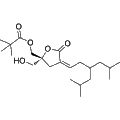
    JH-131e-153 is a diacylglycerol (DAG)-lactone that functions as a small molecule activator of Munc13-1 by targeting its C1 domain. This compound demonstrates a specific activation sequence for Munc13-1, with a comparative hierarchy of WT>I590≈R592A≈W588A. Its activation profile reveals homology with protein kinase C (PKC), indicating potential cross-functional mechanisms. JH-131e-153 plays a crucial role in modulating neuronal processes and serves as a valuable tool for investigating the underlying mechanisms of neurodegenerative diseases.

    Out of stock

    All 3 sizes
  • 12-Deoxyphorbol 13-isobutyrate
    Cat. No.
    A46240

    12-Deoxyphorbol 13-isobutyrate

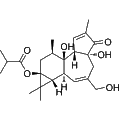
    12-Deoxyphorbol 13-isobutyrate is a potent activator of PKCα, derived from the latex of Euphorbia resinifera. It enhances the proliferation and activation of neural stem cells (NSCs) and promotes the release of TGFα, demonstrating a significant role in neurogenesis. Additionally, this compound has been shown to improve cognitive performance and hippocampal neurogenesis in senescence-accelerated mouse-prone (SAMP8) models, making it a valuable reagent for research into neurodegenerative diseases.

    25 mg
    $5,435.00
    50 mg
    $7,035.00
    All 3 sizes
  • PKCiota-IN-1
    Cat. No.
    A46241

    PKCiota-IN-1

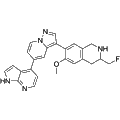
    PKCiota-IN-1 is a potent inhibitor of protein kinase C iota (PKC-ι) with an IC50 of 2.7 nM. This compound also exhibits inhibitory activity against PKC-α and PKC-ε, with IC50 values of 45 nM and 450 nM, respectively. PKCiota-IN-1 is valuable for studying the role of PKC-ι in various biological processes and has potential applications in cancer research and therapeutic strategies targeting PKC pathways.

    25 mg
    $2,285.00
    50 mg
    $2,935.00
    All 3 sizes
  • CIDD-0072424
    Cat. No.
    A46242

    CIDD-0072424

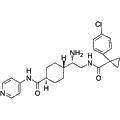
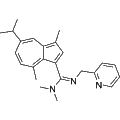
    CIDD-0072424 is a selective inhibitor of Protein Kinase C-epsilon (PKCε), exhibiting an inhibitory constant (Ki) of 54 nM. This compound has been shown to reduce ethanol consumption and preference in a dose-dependent manner, making it a valuable tool for studying alcohol-related behaviors and signaling pathways. It is applicable in research investigating the role of PKCε in addiction and other neurobiological processes.

    Out of stock

    All 3 sizes
  • KRAKAKTTKKR
    Cat. No.
    A46243

    KRAKAKTTKKR

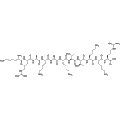
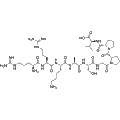
    KRAKAKTTKKR is a synthetic peptide that serves as a substrate for protein kinase C (PKC). It facilitates the study of PKC activity by enabling the assessment of phosphorylation processes. This peptide is utilized in biochemical assays to explore signaling pathways and cellular mechanisms involving PKC, contributing to research in cancer, diabetes, and other diseases influenced by this kinase.

    Out of stock

    All 3 sizes
  • HNS-32
    Cat. No.
    A46244

    HNS-32

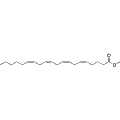
    HNS-32 is an antiarrhythmic agent that demonstrates vasodilatory effects, providing protective benefits against ischemic and reperfusion arrhythmias in canine hearts. This compound exhibits significant negative chronotropic effects on mammalian ventricular myocardium, highlighting its potential for applications in acute coronary syndrome research. HNS-32 serves as a valuable tool for exploring the mechanisms and treatment options for cardiac arrhythmias.

    25 mg
    $1,275.00
    All 1 sizes
  • PKCd (8-17)
    Cat. No.
    A46245

    PKCd (8-17)

    PKCd (8-17) is a bioactive peptide derived from the V1 domain of protein kinase C (PKC)d. This peptide effectively inhibits phorbol 12-myristate 13-acetate (PMA)-induced PKCd translocation and activation. Its inhibitory effects on PKCd contribute to reduced ischemic damage in cardiac and cerebral cells, promote fibroblast proliferation, and inhibit graft coronary artery disease in murine models, making it valuable for research in cardiac and cerebrovascular conditions.

    Out of stock

    All 3 sizes
  • Phosphate acceptor peptide
    Cat. No.
    A46246

    Phosphate acceptor peptide

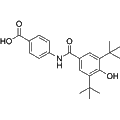
    Phosphate acceptor peptide is a specific substrate for cyclic AMP-dependent protein kinase (PKA), facilitating the study of phosphorylation processes. Additionally, it exhibits weak inhibitory activity against protein kinase C (PKC), making it useful in exploring the mechanisms of kinase signaling pathways. This reagent is applicable in various biochemical assays aimed at understanding cellular signaling and regulation.

    Out of stock

    All 3 sizes
  • Bryostatin 2
    Cat. No.
    A46247

    Bryostatin 2

    Synonyms: (+)-Bryostatin 2

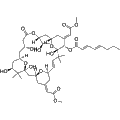
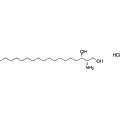
    Bryostatin 2 is a 20-membered ring lactone that acts as an anti-cancer agent, specifically targeting the protein kinase C (PKC) pathway. This compound has demonstrated potential in the research of P-388 lymphocytic leukemia, offering insights into its mechanisms and therapeutic applications. Bryostatin 2 is a valuable tool for investigating the role of PKC in cancer cell growth and survival.

    Out of stock

    All 3 sizes
  • MT477
    Cat. No.
    A46248

    MT477

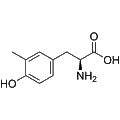
    MT477 is a potent protein kinase C (PKC) inhibitor that induces both apoptosis and necrosis in target cells. This compound effectively reduces the protein expression levels of Ras-GTP, p-Erk1/2, and p-Elk1. Due to its mechanism of action, MT477 demonstrates significant antitumor activity, making it a valuable tool for cancer research and therapeutic investigations.

    25 mg
    $1,275.00
    50 mg
    $1,625.00
    All 3 sizes
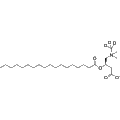
  • Stearoyl-L-carnitine-d9 chloride
    Cat. No.
    A46249

    Stearoyl-L-carnitine-d9 chloride

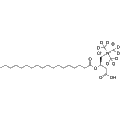
    Stearoyl-L-carnitine-d9 chloride is a deuterated analogue of Stearoyl-L-carnitine chloride, classified as a stable isotope. It serves as a valuable tool in metabolic studies, particularly in understanding lipid metabolism and energy deficiency in type 2 diabetes models. This compound is known to inhibit protein kinase C (PKC) and lecithin cholesterol acyltransferase (LCAT), while also acting as a metabolomic biomarker for Parkinson's disease. Additionally, it demonstrates reduced potency as an inhibitor of GlyT2, providing insights into neurotransmitter dynamics.

    Out of stock

    All 3 sizes
  • PKC-IN-5
    Cat. No.
    A46250

    PKC-IN-5

    PKC-IN-5, a protein kinase C (PKC) inhibitor, disrupts the interaction between PKC epsilon (PKCe) and its adaptor protein RACK2. This inhibition can modulate PKC-mediated signaling pathways, making PKC-IN-5 a valuable tool for studying PKC-related cellular processes. Its application extends to research in cancer biology and neurodegenerative diseases, where PKC signaling plays a critical role.

    Out of stock

    All 3 sizes
  • Ro 31-8830
    Cat. No.
    A46251

    Ro 31-8830

    Synonyms: Ro 32-0432 free base; Bisindolylmaleimide XI

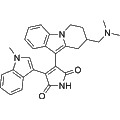
    Ro 31-8830 is a potent and selective inhibitor of protein kinase C, which plays a crucial role in various cell signaling pathways. This compound demonstrates anti-inflammatory activity and is valuable for research focused on inflammatory disorders. Its capabilities make Ro 31-8830 a significant tool for investigating the mechanisms underlying inflammation and evaluating potential therapeutic strategies.

    25 mg
    $1,275.00
    50 mg
    $1,625.00
    All 3 sizes
  • Dioleyl phosphatidylserine
    Cat. No.
    A46252

    Dioleyl phosphatidylserine

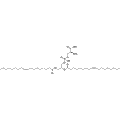
    Dioleyl phosphatidylserine is a phospholipid known for its role in membrane dynamics and cellular signaling. It has been shown to activate protein kinase C gamma (PKC-γ) at concentrations of 100 μM, particularly under calcium ion (Ca2+) levels less than 0.5 μM. This reagent is valuable for research in neuroscience and cellular biology, particularly in studies focusing on synaptic transmission and cellular responsiveness.

    Out of stock

    All 3 sizes
  • Methyl arachidonate
    Cat. No.
    A46253

    Methyl arachidonate

    Synonyms: Arachidonic acid methyl ester

    Methyl arachidonate is an activator of protein kinase C, functioning as an orally active substrate that is subject to esterase-mediated hydrolysis. It promotes the indirect activation of protein kinase C through the generation of eicosanoid metabolites from the arachidonic acid metabolic pathway, demonstrating differential effects via cyclooxygenase products at low concentrations and lipoxygenase products at elevated concentrations. This compound is valuable for investigations into mechanisms related to lipodystrophy.

    25 mg
    $110.00
    50 mg
    $200.00
    All 4 sizes
  • R8605
    Cat. No.
    A46254

    R8605

    R8605 is a protein kinase C (PKC) inhibitor with a reported IC50 of 65 μM in the rat brain. This compound also inhibits calcium/phospholipid-independent phosphorylation of protamine, with IC50 values of 70 μM and 100 μM, respectively. R8605 is applicable in cancer research, facilitating studies on PKC-mediated signaling pathways and their implications in tumorigenesis.

    Out of stock

    All 3 sizes
  • Safingol hydrochloride
    Cat. No.
    A46255

    Safingol hydrochloride

    Synonyms: L-threo-dihydrosphingosine hydrochloride

    Safingol hydrochloride is a lyso-sphingolipid that functions as a potent inhibitor of protein kinase C (PKC). This compound exhibits significant biological activity in modulating cellular signaling pathways associated with cancer progression and apoptosis. Safingol hydrochloride is primarily utilized in research focused on cancer biology, cardiovascular disease, and neuroprotection, providing valuable insights into PKC-related mechanisms.

    1 mg
    $155.00
    5 mg
    $395.00
    All 6 sizes
  • 3-Methyl-L-tyrosine
    Cat. No.
    A46256

    3-Methyl-L-tyrosine

    3-Methyl-L-tyrosine is a derivative of L-Tyrosine that features a methyl group at the third position of the aromatic ring. This compound acts as a substrate for the protein tyrosine kinase Csk, demonstrating a catalytic efficiency (kcat/Km) of 38% relative to L-Tyrosine, indicating its role in modulating the enzymatic processing of Gsk. Research applications of 3-Methyl-L-tyrosine include studying the molecular recognition mechanisms of Gsk's substrates, which is essential for the design of specific inhibitors targeting Gsk in various therapeutic areas.

    Out of stock

    All 3 sizes
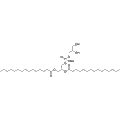
  • Stearoyl-L-carnitine-d3
    Cat. No.
    A46257

    Stearoyl-L-carnitine-d3

    Stearoyl-L-carnitine-d3 is a deuterated form of Stearoylcarnitine, functioning primarily as a stable isotope for research applications. This fatty ester lipid is an endogenous metabolite, known to inhibit protein kinase C (PKC) and accumulate in pancreatic β cells, resulting in impaired insulin synthesis and energy deficiency in type 2 diabetes models. Additionally, Stearoyl-L-carnitine-d3 inhibits lecithin cholesterol acyltransferase (LCAT) in animal plasma and serves as a potential metabolomics biomarker for Parkinson’s disease, further expanding its utility in metabolic research.

    Out of stock

    All 3 sizes
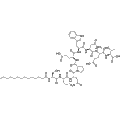
  • PKCβII Peptide Inhibitor I
    Cat. No.
    A46258

    PKCβII Peptide Inhibitor I

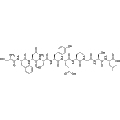
    PKCβII Peptide Inhibitor I is a selective inhibitor of Protein Kinase C beta II (PKCβII). This peptide demonstrates significant cardioprotective effects in rat models of ischemia/reperfusion injury, making it a valuable tool in cardiovascular research. Additionally, it has been shown to prevent vascular endothelial dysfunction, highlighting its potential applications in studying vascular health and related pathologies.

    Out of stock

    All 3 sizes
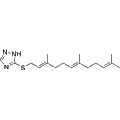
  • Farnesylthiotriazole
    Cat. No.
    A46259

    Farnesylthiotriazole

    Synonyms: FTT

    Farnesylthiotriazole (FTT) is a potent activator of protein kinase C (PKC), with a dissociation constant (Kd) of 0.8 μM. This compound plays a significant role in various signaling pathways, making it a valuable tool in cancer research. Its ability to modulate PKC activity can aid in the investigation of tumor biology and therapeutic strategies targeting PKC-related pathways.

    25 mg
    $1,275.00
    50 mg
    $1,625.00
    All 3 sizes
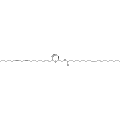
  • 1-Oleoyl-2-linoleoyl-sn-glycerol
    Cat. No.
    A46260

    1-Oleoyl-2-linoleoyl-sn-glycerol

    1-Oleoyl-2-linoleoyl-sn-glycerol is a diacylglycerol that acts as an activator of protein kinase C (PKC). This activation initiates downstream signaling cascades that are vital in promoting tumor growth, making it a relevant compound for cancer research. Its role in the signaling pathways related to breast cancer highlights its potential use in studying tumorigenesis and therapeutic strategies.

    Out of stock

    All 3 sizes
  • 1,2-Dipentadecanoyl-sn-glycero-3-phospho-(1'-rac-glycerol) sodium
    Cat. No.
    A46261

    1,2-Dipentadecanoyl-sn-glycero-3-phospho-(1'-rac-glycerol) sodium

    1,2-Dipentadecanoyl-sn-glycero-3-phospho-(1'-rac-glycerol) sodium is a potent activator of the protein kinase C (PKC) family. This anionic phospholipid is integral to mitochondrial and microsomal membranes, significantly contributing to the composition and function of lung surfactant, particularly within lamellar body membranes in the lungs. Its unique properties make it a valuable tool for studying PKC-mediated signaling pathways and lung physiology.

    Out of stock

    All 3 sizes

Items 176-200 of 212

Added to your cart

View Cart Checkout

    Loading...