Platelet-Activating Factor (PAF) Receptors

Platelet-activating factor (PAF) receptor antagonists block a G protein-coupled receptor for an inflammatory lipid. PAF is released by platelets, leukocytes and endothelial cells and promotes platelet aggregation, leukocyte activation and vascular permeability. The PAF receptor was cloned by functional expression from guinea pig lung in 1991. Ginkgolide B and ginkgolide A are terpene lactones from Ginkgo biloba that serve as classic natural PAF receptor antagonists. Foropafant, tulopafant and 48740 RP are synthetic antagonists developed for the same receptor. Rupatadine fumarate also blocks the histamine H1 receptor, and CP-96486 also blocks the leukotriene D4 (LTD4) receptor. Further ligands of these receptors are found under Histamine Receptors and Leukotriene Receptor.

1 Item

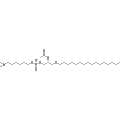
  • Hexanolamino PAF C-16
    Cat. No.
    A62946

    Hexanolamino PAF C-16

    Synonyms: 1-O-Hexa-decyl-2-acetyl-sn-glycero-3-phospho(N,N,N-trimethyl)-hexanolamine

    Hexanolamino PAF C-16 is a partial agonist of the Platelet-activating Factor Receptor (PAFR). This compound induces platelet aggregation and promotes macrophage production, while not increasing intracellular calcium levels ([Ca2+]i) in platelets, indicating distinct signaling pathways mediated by PAF receptors. It serves as a valuable tool for research into platelet function and macrophage biology, contributing to the understanding of PAF-related cellular responses.

    1 mg
    $50.00
    5 mg
    $210.00
    All 2 sizes

1 Item

Added to your cart

View Cart Checkout

    Loading...