Histamine Receptors

Histamine receptor antagonists and related ligands target H1 to H4, the four G protein-coupled receptors for histamine. H1 receptors mediate allergic and smooth muscle responses, whereas H2 receptors control gastric acid secretion. Black and colleagues defined the H2 receptor in 1972 as a histamine receptor that classic H1 antagonists failed to block. The H3 receptor acts mainly as a presynaptic autoreceptor in the brain, and its human gene was cloned in 1999. H4, the most recently described subtype, is expressed largely on immune cells. Ligands here include the H1 antagonist chlorpheniramine maleate and the H2 antagonist cimetidine. Ciproxifan blocks H3, while JNJ7777120 is a widely used H4 antagonist.

2 Items

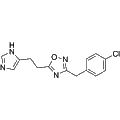
  • VUF5207
    Cat. No.
    A34066

    VUF5207

    VUF5207 is a partial agonist of the histamine H3 receptor, playing a key role in modulating neurotransmitter release in the central nervous system. This compound is utilized in research applications investigating the physiological and pathophysiological roles of histamine signaling, as well as potential therapeutic strategies for conditions such as cognitive disorders and sleep regulation. Its unique properties make it a valuable tool for studying histaminergic mechanisms and their implications in neurobiology.

    25 mg
    $1,275.00
    All 1 sizes
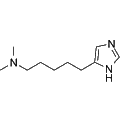
  • GR-175737
    Cat. No.
    A34170

    GR-175737

    GR-175737 is a partial agonist of the histamine H3 receptor, exhibiting an EC50 value of 7.8 nM. This compound is primarily utilized in research focused on inflammatory diseases, facilitating the investigation of H3 receptor modulation in various pathophysiological contexts. Its pharmacological profile makes it a valuable tool for studying the role of histamine receptors in inflammation and related disorders.

    25 mg
    $1,275.00
    All 1 sizes

2 Items

Added to your cart

View Cart Checkout

    Loading...