- Cat. No.
- A11928
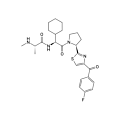
LCL-161
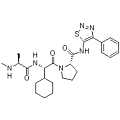
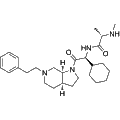
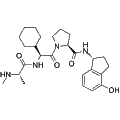
LCL161 is an orally bioavailable second mitochondrial-derived activator of caspases (SMAC) mimetic and inhibitor of IAP (Inhibitor of Apoptosis Protein) family of proteins, with potential antineoplastic activity.
Search by product name, CAS, target or catalog number. Press Down Arrow to reach product suggestions, Tab to move between links, and Escape to close suggestions.
Inhibitor of apoptosis (IAP) antagonists target proteins that restrain caspases and cell death signaling. X-linked inhibitor of apoptosis protein (XIAP) was shown in 1997 to inhibit caspases directly through its baculovirus IAP repeat (BIR) domains. The mitochondrial protein second mitochondria-derived activator of caspases (Smac) relieves this block by binding to IAPs. Most listed compounds are Smac mimetics, which cause autoubiquitination and loss of cellular IAP 1 and 2 (cIAP1, cIAP2). This activates nuclear factor kappa B (NF-κB) and cell death driven by tumor necrosis factor alpha (TNF-α). Birinapant, LCL-161, xevinapant and GDC-0152 are examples, and BV-6 acts on cIAP1, cIAP2 and XIAP. Embelin, a natural benzoquinone, is listed as an XIAP inhibitor.
LCL161 is an orally bioavailable second mitochondrial-derived activator of caspases (SMAC) mimetic and inhibitor of IAP (Inhibitor of Apoptosis Protein) family of proteins, with potential antineoplastic activity.
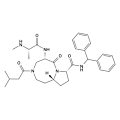
Synonyms: AT406; SM-406; ARRY-334543
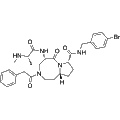
AT-406 is an orally bioavailable inhibitor of IAP family of proteins with potential apoptotic inducing and antineoplastic activity. AT-406 selectively inhibits the biological activity of IAP proteins, including X chromosome-linked IAP (XIAP), the cellular IAPs 1 (c-IAP1) and 2 (c-IAP2) and melanoma inhibitor of apoptosis protein (ML-IAP).
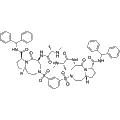
BV-6 is a SMAC mimetic, dual cIAP and XIAP inhibitor.
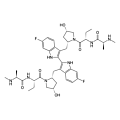
Synonyms: TL-32711
Birinapant, also known as TL32711, is a synthetic small molecule and peptido mimetic of second mitochondrial-derived activator of caspases (SMAC) and inhibitor of IAP (Inhibitor of Apoptosis Protein) family proteins, with potential antineoplastic activity.
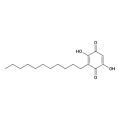
Synonyms: Embelic acid; Emberine; NSC 91874
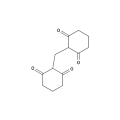
Embelin is a cell-permeable benzoquinone compound that exhibits antitumor properties.
Apoptosis Inhibitor is a cell-permeable inhibitor of apoptosis induction.
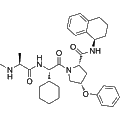
GDC-0152 is a second mitochondrial activator of caspases (Smac) mimetic inhibitor of IAPs (Inhibitor of Apoptosis Proteins) with potential antineoplastic activity.
Synonyms: FL 118,FL-118
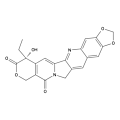
FL118 is an inhibitor of human survivin expression, activating tumor suppressor p53 as a novel MOA in p53 wild-type cancer cells.
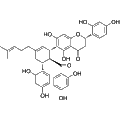
Sanggenon G is a potent inhibitor of the X-linked inhibitor of apoptosis protein (XIAP), targeting the BIR3 domain with a binding affinity of 34.26 μM. This cell-permeable compound enhances caspase activation, facilitating apoptosis in various cell models. Sanggenon G is useful for research applications focused on cell death mechanisms and potential therapeutic development for conditions associated with apoptosis dysregulation.
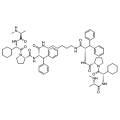
Synonyms: APG-1387
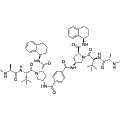
Dasminapant is a bivalent SMAC mimetic that functions as an inhibitor of inhibitor of apoptosis proteins (IAPs), specifically targeting XIAP, cIAP-1, cIAP-2, and ML-IAP. This compound induces the degradation of cIAP-1 and XIAP, resulting in the activation of caspase-3 and subsequent PARP cleavage, ultimately leading to programmed cell death (apoptosis). Dasminapant is valuable in research applications concerning hepatocellular carcinoma, ovarian cancer, and nasopharyngeal carcinoma, providing insights into novel therapeutic strategies.
SM-1295 is an inhibitor of apoptosis protein (IAP) antagonist that selectively inhibits XIAP-BIR3, c-IAP1-BIR3, and c-IAP2-BIR3, with Kd values of 3077 nM, 3.2 nM, and 9.5 nM, respectively. This compound disrupts IAP-mediated cellular survival signals, promoting apoptosis in cancer cells. SM-1295 is a valuable tool for research in cancer therapy, apoptosis signaling, and the study of IAP functions in various biological contexts.
LBW242 is a potent inhibitor of Inhibitor of Apoptosis Proteins (IAPs) that functions as a Smac mimetic. This compound demonstrates pro-apoptotic activity and is particularly effective in mutant FLT3-expressing cells. LBW242 has been shown to enhance the cytotoxic effects of TRAIL and other anticancer agents on ovarian cancer cells, making it a valuable reagent for research in multiple myeloma and other cancer therapies.
CST530 is an inhibitor of apoptosis protein (IAP) antagonist that targets the BIR3 domain of IAP. By disrupting IAP function, CST530 facilitates the ubiquitination and subsequent degradation of cIAP1. This reagent is suitable for research applications involving protein degradation strategies, including the development of PROTACs, to explore the regulation of apoptotic pathways.
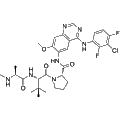
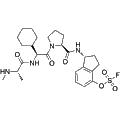
Anticancer agent 128 is an IAP (Inhibitor of Apoptosis Protein) inhibitor that covalently targets the BIR3 domains of XIAP, cIAP1, and cIAP2. This compound exhibits potent biological activity, with IC50 values of 24.9 nM, 19.3 nM, and 10.3 nM against these targets, respectively. It is pivotal for research applications involving apoptosis regulation and cancer treatment strategies, offering a promising avenue for therapeutic development.
Out of stock
All 3 sizes
HM90822 is an orally active inhibitor of Inhibitor of Apoptosis Proteins (IAPs). It promotes the ubiquitination and subsequent proteasomal degradation of XIAP, cIAP1, and cIAP2, leading to apoptotic cell death in sensitive pancreatic cancer cell lines. Additionally, HM90822 demonstrates significant tumor growth inhibition in Panc-1 pancreatic cancer xenograft and orthotopic mouse models. This reagent is a valuable tool for investigating mechanisms of pancreatic cancer and potential therapeutic strategies.
Anticancer Agent 127 is a potent inhibitor of inhibitor of apoptosis proteins (IAPs), specifically covalently targeting the BIR3 domains of XIAP, cIAP1, and cIAP2. With IC50 values of 12 nM, 14 nM, and 9 nM for each respective target, it effectively disrupts the anti-apoptotic functions of these proteins. This compound demonstrates significant anticancer activity and is valuable for research applications focused on apoptosis regulation and cancer biology.
Synonyms: HGS1029
AEG40826 is a potent inhibitor of apoptosis (IAP) that functions as a second mitochondria-derived activator of caspases (SMAC) mimetic. It effectively degrades cellular inhibitor of apoptosis protein 1 (cIAP1) and interferes with tumor necrosis factor alpha (TNF-α) pro-survival signaling pathways. AEG40826 is widely utilized in cancer research, particularly in studies exploring apoptosis modulation and therapeutic resistance mechanisms.