- Cat. No.
- A19688
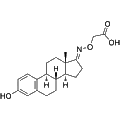
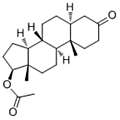
Androstanolone acetate
Androstanolone acetate is an androgen ligand, which targets androgen receptor (AR). Androstanolone acetate binds to cIAP1 ligand Bestatin via a linker to form PROTACs.
Search by product name, CAS, target or catalog number. Press Down Arrow to reach product suggestions, Tab to move between links, and Escape to close suggestions.
Androgen receptor (AR) antagonists, agonists and degraders act on the nuclear receptor that mediates androgen signaling. Two groups cloned human AR complementary DNA in 1988, and one of them mapped the gene to the X chromosome. After androgen binding, AR moves to the nucleus and regulates genes in prostate, muscle and other tissues. Bicalutamide is a nonsteroidal AR antagonist widely used in prostate cancer cell studies. Enzalutamide, described in 2009 as a second-generation antiandrogen, also impairs AR nuclear translocation and DNA binding. Darolutamide is a later nonsteroidal antagonist with a structure distinct from these earlier compounds. Andarine is a selective androgen receptor modulator with agonist activity, which suits studies of tissue-selective AR signaling.
Androstanolone acetate is an androgen ligand, which targets androgen receptor (AR). Androstanolone acetate binds to cIAP1 ligand Bestatin via a linker to form PROTACs.
Synonyms: UT155
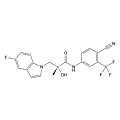
(R)-UT-155 (compound 11) is a selective androgen receptor degrader (SARD) ligand. Less active than the S-isomer.
YT 6-2 analog-1 is a p62/SQSTM1-targeting autophagy ligand designed for use in AUTOTAC control applications. This compound effectively facilitates the degradation of the androgen receptor (AR), leading to reduced nuclear AR levels and downregulation of AR target gene expression, including AR-v7. Additionally, YT 6-2 analog-1 demonstrates efficacy against common AR mutants found in prostate cancer, making it a valuable tool for research in hormone signaling and targeted therapy.
Out of stock
All 3 sizes
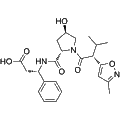
VHL Ligand 8 is a potent ligand for the von Hippel-Lindau (VHL) E3 ligase. It serves as a key precursor in the synthesis of ARD-266, a highly effective PROTAC degrader targeting the androgen receptor (AR). ARD-266 induces robust degradation of AR protein in various AR-positive prostate cancer cell lines, including LNCaP, VCaP, and 22Rv1, with demonstrated DC50 values ranging from 0.2 to 1 nM. This compound is useful in research focusing on targeted protein degradation therapies for prostate cancer.
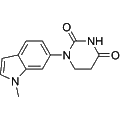
6-(2,4-Dioxopyrimidin-1-yl)-1-methylindole is a selective ligand for E3 ligases, facilitating targeted protein degradation pathways. This compound plays a crucial role in the synthesis of the PROTAC Androgen Receptor Degrader-1, highlighting its importance in advancing research on androgen receptor-mediated signaling. Its use in drug discovery efforts underscores its potential in addressing diseases associated with dysfunctional protein regulation.
Out of stock
All 3 sizes
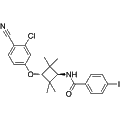
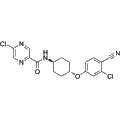
Androgen Receptor Ligand 3 is a selective ligand for the androgen receptor (AR), designed for targeted protein degradation applications. It is chemically linked to an inhibitor of apoptosis protein (IAP) ligand, facilitating the formation of an ERα PROTAC degrader. This compound provides a valuable tool for studying androgen receptor signaling pathways and can be utilized in research focused on androgen-related diseases, including prostate cancer.
ABM-14 is a ligand that specifically targets the androgen receptor (AR) for use in PROTAC (proteolysis-targeting chimera) applications. It facilitates the recruitment of AR via a linker to the VHL (von Hippel-Lindau) E3 ubiquitin ligase, enabling targeted degradation of AR. This compound is valuable for research in AR-related signaling pathways and therapeutic strategies for conditions such as prostate cancer.
AR ligand-30 is a potent target protein ligand for PROTAC applications, specifically designed to engage with Bavdegalutamide. This compound facilitates targeted protein degradation, offering vital insights into therapeutic strategies for prostate cancer research. Its ability to modulate androgen receptor signaling makes it a valuable tool for investigating novel cancer treatment pathways.
Androgen Receptor Ligand 1 is an androgen receptor (AR) ligand that engages with CRBN E3 ligase through a specialized linker, facilitating the creation of an AR PROTAC degrader. This compound is essential for investigating the mechanisms of AR signaling and can significantly aid in prostate cancer research. Its unique action promotes targeted protein degradation, providing valuable insights into therapeutic strategies against AR-driven malignancies.
Out of stock
All 3 sizes
AR Antagonist 14 is a potent ligand for specific target proteins utilized in PROTAC (Proteolysis Targeting Chimeras) applications. This compound facilitates the development of targeted protein degraders, allowing for the selective degradation of androgen receptors. AR Antagonist 14 can be effectively combined with VH 101-amide-piperidine-Pip-alkyne to synthesize PROTAC degraders, enhancing research on targeted therapies in cancer and other diseases.
Out of stock
All 3 sizes
AR Ligand-44 is a potent androgen receptor (AR) ligand that serves as a crucial component in the development of proteolysis-targeting chimeras (PROTACs). Its high affinity for the androgen receptor makes it a valuable tool for investigating AR-mediated signaling pathways. This compound is particularly relevant in research focused on prostate cancer and hormone-related disorders, facilitating the exploration of targeted therapy strategies.
Out of stock
All 3 sizes
AR ligand 42 is a potent androgen receptor ligand that functions by selectively binding to the androgen receptor. It is utilized in the synthesis of the androgen receptor PROTAC degrader ITRI-90, facilitating targeted degradation of the androgen receptor in research applications. This compound is instrumental for studies exploring androgen signaling pathways and potential therapeutic strategies in prostate cancer and other androgen-related conditions.
Out of stock
All 3 sizes
AR ligand-4 is a potent ligand for the androgen receptor (AR), serving as a crucial building block for the synthesis of PROTACs, including ARD-1676. Its role in targeted protein degradation makes it a valuable tool for investigating AR biology and therapeutic strategies in androgen-dependent diseases. Researchers can use AR ligand-4 to explore the implications of AR modulation in various biological contexts.
Out of stock
All 3 sizes
AR ligand-32 is a target protein ligand that plays a crucial role in the synthesis of PROTAC AR Degrader-7. This compound effectively engages the androgen receptor, facilitating its degradation through the ubiquitin-proteasome pathway. It is primarily utilized in research focused on targeted protein degradation and androgen signaling pathways, providing valuable insights into therapeutic strategies for diseases linked to androgen receptor activity.
Out of stock
All 3 sizes
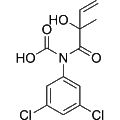
AR ligand-29 is a targeted protein ligand designed for use with PROTAC VinclozolinM2-2204. This compound plays a critical role in cancer research by facilitating the selective degradation of androgen receptors, making it a valuable tool for studies focused on androgen receptor-mediated pathways and their implications in cancer biology. Its specificity enhances the understanding of therapeutic strategies aimed at addressing androgen-dependent malignancies.
Out of stock
All 3 sizes
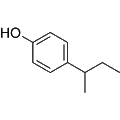
Synonyms: 4-sec-BP
4-sec-Butylphenol is an androgen receptor ligand, exhibiting a binding affinity with a pIC50 value of 4.07. Additionally, it acts as an estrogen receptor agonist, contributing to its significant biological activity. This compound is commonly detected in industrial effluents and production water from oil and gas extraction, as well as in samples from river water, making it relevant for environmental research and toxicology studies.
Androgen Receptor Ligand 4 is a selective ligand for the androgen receptor, exhibiting an IC50 greater than 100 µM. This compound is valuable in research applications focused on androgen signaling pathways and their role in adolescent development. Its function in modulating androgen receptor activity makes it essential for studies investigating hormonal influences on growth and maturation.
SRC2-2 peptide is a coactivator-derived mimic that targets the androgen receptor (AR) ligand. It plays a vital role in modulating AR activity, making it a valuable tool for investigating mechanisms of prostate cancer progression and treatment. This peptide is suitable for studies focused on AR signaling pathways and the development of AR-targeted therapies.
Out of stock
All 3 sizes