Vitamin D Receptors

Vitamin D receptor ligands include calcitriol analogs and labeled vitamin D reference compounds. The vitamin D receptor (VDR) was cloned in 1988 and belongs to the nuclear receptor superfamily, binding DNA as a heterodimer with the retinoid X receptor. Its natural ligand, 1,25-dihydroxyvitamin D3, is formed from vitamin D by sequential hydroxylation in liver and kidney. Eldecalcitol, falecalcitriol and seocalcitol are synthetic analogs of that hormone and are used to compare receptor activation and gene induction. Vitamin D2 serves as a precursor form in such comparisons, and deuterated material such as Calcitriol D6 supports mass spectrometric measurement of vitamin D metabolites.

11 Items

  • MeTC7
    Cat. No.
    A85509

    MeTC7

    MeTC7 is a potent Vitamin D receptor (VDR) antagonist with an IC50 value of 2.9 μM. This compound exhibits significant VDR inhibition, contributing to its antitumor effects. MeTC7 is useful in research applications aiming to explore VDR signaling pathways and its implications in cancer biology.

    1 mg
    $35.00
    5 mg
    $95.00
    All 6 sizes
  • ZK168281
    Cat. No.
    A85510

    ZK168281

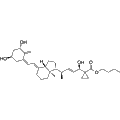
    ZK168281 is a potent VDR (Vitamin D Receptor) antagonist, functioning through its high affinity for the receptor with a Kd value of 0.1 nM. This compound effectively inhibits the interaction between the VDR and coactivators, thereby modulating pathways influenced by vitamin D signaling. ZK168281 is valuable for research applications focused on VDR-related signaling pathways and the study of vitamin D's role in various biological processes.

    1 mg
    $760.00
    5 mg
    $1,600.00
    All 3 sizes
  • TEI-9647
    Cat. No.
    A85511

    TEI-9647

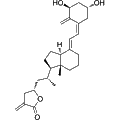
    TEI-9647 is a potent and specific antagonist of the vitamin D receptor (VDR), functioning as a Vitamin D3 lactone analogue. It effectively inhibits VDR/VDRE-mediated genomic actions of 1α,25(OH)2D3, thereby suppressing bone resorption and HL-60 cell differentiation triggered by this active form of vitamin D. TEI-9647 is a valuable tool for investigating pathological conditions such as Paget's disease, where it may help mitigate excessive bone resorption and osteoclast formation.

    1 mg
    $440.00
    5 mg
    $1,435.00
    All 3 sizes
  • TEI-9648
    Cat. No.
    A85512

    TEI-9648

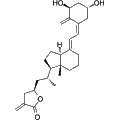
    TEI-9648 is a potent and specific antagonist of the vitamin D receptor (VDR). It effectively inhibits the genomic actions mediated by 1α,25(OH)2D3, blocking associated biological pathways. Additionally, TEI-9648 impedes the differentiation of HL-60 cells induced by 1α,25(OH)2D3. This compound demonstrates potential applications in research related to bone metabolism and VDR signaling pathways.

    1 mg
    $440.00
    5 mg
    $1,435.00
    All 3 sizes
  • ZK159222
    Cat. No.
    A85515

    ZK159222

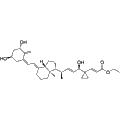
    ZK159222 is a potent vitamin D receptor (VDR) antagonist, functioning as a 25-carboxylic ester derivative of 1α,25-(OH)2D3. Its mechanism of action involves preventing ligand-induced interactions between the vitamin D receptor and coactivators, thereby inhibiting the receptor's activity. ZK159222 also exhibits partial agonist characteristics, making it valuable for research into VDR signaling pathways and potential therapeutic applications in diseases related to vitamin D metabolism.

    0.5 mg
    $725.00
    1 mg
    $1,200.00
    All 3 sizes
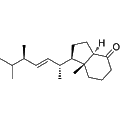
  • Windaus ketone
    Cat. No.
    A85520

    Windaus ketone

    Windaus ketone is a vitamin D (VD) antagonist that inhibits the activity of the vitamin D receptor (VDR). This compound is valuable in research focused on understanding vitamin D signaling pathways and their implications in various biological processes, including bone metabolism and immune function. Its antagonistic properties make it an important tool for studying the effects of disrupting VD/VDR interactions in cellular and molecular research.

    2 mg
    $200.00
    5 mg
    $210.00
    All 6 sizes
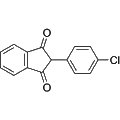
  • Chlorindione
    Cat. No.
    A85522

    Chlorindione

    Synonyms: Chlophenadione; Indaliton; G-25766

    Chlorindione is a potent anticoagulant that functions as a vitamin K1 antagonist. By inhibiting the synthesis of vitamin K-dependent clotting factors, it effectively reduces thrombus formation. This reagent is primarily utilized in research to study coagulation pathways and the mechanisms of anticoagulation therapy.

    50 mg
    $25.00
    100 mg
    $40.00
    All 3 sizes
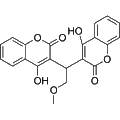
  • Coumetarol
    Cat. No.
    A85524

    Coumetarol

    Synonyms: Dicumoxane; Ph 137

    Coumetarol is a vitamin K antagonist that acts primarily as a vascular endothelial growth factor (VEGF) and vitamin D receptor (VDR) antagonist. It is utilized in research to study mechanisms related to coagulation, as well as potential implications in cancer biology and cardiovascular diseases. This compound is valuable for investigating the role of vitamin K in various biological processes and evaluating its effects on cell signaling pathways.

    2 mg
    $40.00
    5 mg
    $65.00
    All 6 sizes
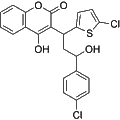
  • Tioclomarol
    Cat. No.
    A85533

    Tioclomarol

    Tioclomarol is a coumarin anticoagulant that acts as a vitamin K antagonist. By inhibiting vitamin K-dependent clotting factors, it effectively reduces the risk of thromboembolic events. Tioclomarol is utilized in various research applications related to coagulation processes and the study of anticoagulant therapies.

    1 mg
    $145.00
    5 mg
    $310.00
    All 6 sizes
  • Coumachlor
    Cat. No.
    A85548

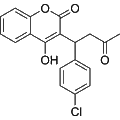
    Coumachlor

    Coumachlor is an orally active anticoagulant agent and a vitamin K antagonist. It interferes with the synthesis of vitamin K-dependent clotting factors, thereby inhibiting the coagulation cascade. Coumachlor is primarily used in research related to thrombosis and hemostasis, providing insight into the mechanisms of blood coagulation and potential therapeutic interventions.

    5 mg
    $20.00
    25 mg
    $30.00
    All 5 sizes
  • Tecarfarin
    Cat. No.
    A85551

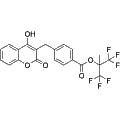
    Tecarfarin

    Synonyms: ATI-5923

    Tecarfarin is an orally active, non-competitive antagonist of vitamin K epoxide reductase (VKOR), which plays a critical role in the activation of vitamin K-dependent clotting factors II, VII, IX, and X. By inhibiting VKOR, Tecarfarin exhibits significant antithrombotic activity, making it valuable for research in coagulation disorders and anticoagulation therapies. This compound is useful in studying the mechanisms of thromboembolism and the development of novel anticoagulant agents.

    1 mg
    $120.00
    5 mg
    $285.00
    All 6 sizes

11 Items

Added to your cart

View Cart Checkout

    Loading...