PARP

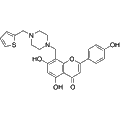
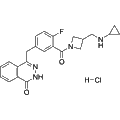
PARP inhibitors block poly(ADP-ribose) polymerases (PARPs), enzymes that mark DNA damage and recruit repair proteins. PARP1 and PARP2 bind DNA single-strand breaks and attach poly(ADP-ribose) chains to themselves and to nearby chromatin proteins. Cells lacking breast cancer susceptibility proteins 1 or 2 (BRCA1, BRCA2), and therefore defective in homologous recombination, are highly sensitive to PARP inhibition. This synthetic lethal relationship, reported in 2005, has shaped much of the research on DNA repair inhibitors. Olaparib, niraparib, veliparib and talazoparib target the catalytic domains of PARP1 and PARP2, and 3-aminobenzamide is an early benzamide inhibitor. XAV 939 instead inhibits tankyrases 1 and 2 (TNKS1, TNKS2), which stabilizes axin in Wnt signaling studies.

Items 126-150 of 236

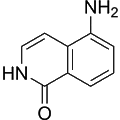
  • 5-AIQ
    Cat. No.
    A29036

    5-AIQ

    Synonyms: 5-Aminoisoquinolin-1-one

    5-AIQ (5-Aminoisoquinolin-1-one) is a selective inhibitor of PARP-1, a key protein involved in DNA repair mechanisms. This compound exhibits significant potential in reducing tissue injury resulting from ischemia-reperfusion of the liver. 5-AIQ is useful for research applications focused on understanding ischemia-reperfusion injury and developing therapeutic strategies for liver protection.

    5 mg
    $20.00
    10 mg
    $25.00
    All 6 sizes
  • G-631
    Cat. No.
    A29037

    G-631

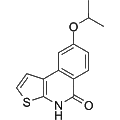
    G-631 is a potent tankyrase (TNKS1/TNKS2) inhibitor that modulates the Wnt/β-catenin signaling pathway by stabilizing AXIN. This compound has demonstrated weak anti-tumor activity in preclinical models of colorectal cancer. G-631 is suitable for research applications focused on the mechanisms of cancer progression and the exploration of therapeutic strategies for colorectal cancer.

    5 mg
    $335.00
    10 mg
    $550.00
    All 5 sizes
  • UKTT15
    Cat. No.
    A29038

    UKTT15

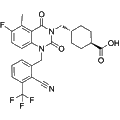
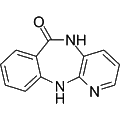
    UKTT15 is an allosteric inhibitor of the enzyme PARP1. It exhibits significant inhibitory activity against PARP1, influencing DNA repair mechanisms and cellular response to DNA damage. UKTT15 is useful in research focused on cancer biology, particularly in studies evaluating the therapeutic potential of PARP inhibition in cancer treatment and the modulation of DNA repair pathways.

    5 mg
    $255.00
    10 mg
    $420.00
    All 4 sizes
  • TNKS-2-IN-2
    Cat. No.
    A29039

    TNKS-2-IN-2

    TNKS-2-IN-2 is a selective inhibitor targeting tankyrase 2 (TNKS2), exhibiting an IC50 of 22 nM. This compound plays a crucial role in the regulation of RNA processing and signaling pathways by inhibiting poly(ADP-ribose) polymerase activity. TNKS-2-IN-2 is utilized in research exploring cancer biology and cellular senescence, offering insights into the therapeutic potential of targeting TNKS2 in various disease models.

    1 mg
    $75.00
    5 mg
    $195.00
    All 7 sizes
  • EB-47
    Cat. No.
    A29040

    EB-47

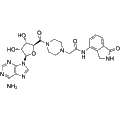
    EB-47 is a selective inhibitor of PARP-1 (ARTD-1) with an IC50 value of 45 nM, demonstrating its strong inhibition profile. It also exhibits modest potency against ARTD5 with an IC50 of 410 nM. Structurally, EB-47 mimics the substrate NAD+, extending from the nicotinamide to the adenosine subsite, making it a valuable tool for studying DNA repair mechanisms and related cancer research applications.

    1 mg
    $50.00
    5 mg
    $110.00
    All 5 sizes
  • AZ3391
    Cat. No.
    A29041

    AZ3391

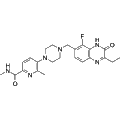
    AZ3391 is a selective inhibitor of the PARP enzyme family, which is critically involved in cellular processes including DNA repair, chromatin remodeling, and cell cycle regulation. As a quinoxaline derivative, AZ3391 demonstrates significant potential for investigating neurodegenerative diseases and conditions affecting the central nervous system, particularly in the brain and spinal cord. This compound is valuable for research applications focused on understanding the mechanisms underlying DNA damage response and related pathologies.

    5 mg
    $100.00
    10 mg
    $170.00
    All 5 sizes
  • Amelparib
    Cat. No.
    A29042

    Amelparib

    Synonyms: JPI-289 free base

    Amelparib is a selective inhibitor of PARP-1, exhibiting potent activity with an IC50 of 18.5 nM for PARP-1 inhibition and 10.7 nM for cellular PAR formation. This orally active and water-soluble compound demonstrates potential neuroprotective effects, making it a valuable tool for research in the field of acute ischemic stroke. Amelparib's ability to modulate PARP-1 activity offers insights into its therapeutic roles in neuroprotection and cellular repair mechanisms.

    1 mg
    $390.00
    5 mg
    $1,010.00
    All 6 sizes
  • PARP1-IN-7
    Cat. No.
    A29043

    PARP1-IN-7

    PARP1-IN-7 is a selective inhibitor of poly(ADP-ribose) polymerase-1 (PARP1), primarily functioning to disrupt DNA repair mechanisms in cancer cells. By inhibiting PARP1 activity, it enhances the cytotoxic effects of DNA-damaging agents, making it a valuable tool in cancer research. Its applications include studying mechanisms of tumorigenesis, evaluating synthetic lethality in cancer therapies, and exploring potential combinations with other anticancer agents.

    5 mg
    $560.00
    10 mg
    $925.00
    All 5 sizes
  • TNKS-2-IN-1
    Cat. No.
    A29044

    TNKS-2-IN-1

    TNKS-2-IN-1, a potent TNKS-2 inhibitor, selectively targets tankyrases 1 and 2. It exhibits inhibitory activity with IC50 values of 259 nM for TNKS-1 and 1100 nM for TNKS-2. This compound is utilized in research applications investigating cellular processes related to telomere maintenance, Wnt signaling, and cancer therapy.

    10 mg
    $25.00
    25 mg
    $30.00
    All 4 sizes
  • E7016
    Cat. No.
    A29045

    E7016

    Synonyms: GPI 21016

    E7016 is a potent orally bioavailable inhibitor of PARP (Poly(ADP-ribose) polymerase). By inhibiting DNA repair mechanisms, E7016 enhances the radiosensitivity of tumor cells both in vitro and in vivo, making it a promising candidate for cancer therapeutics. This compound is useful in research applications focused on cancer treatment strategies involving DNA damage response and repair pathways.

    1 mg
    $105.00
    5 mg
    $270.00
    All 6 sizes
  • ART-IN-1
    Cat. No.
    A29046

    ART-IN-1

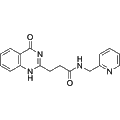
    ART-IN-1 is a selective inhibitor of poly(ADP-ribose) polymerases (PARPs), with IC50 values of 19 µM for PARP2, 22 µM for TNKS2, 2.4 µM for PARP10, greater than 100 µM for PARP14, and 1.1 µM for PARP15. This compound is utilized in research focused on DNA damage repair mechanisms and cancer therapeutics, making it a valuable tool for studying PARP-related pathways and their implications in various diseases. ART-IN-1 is instrumental in elucidating the role of PARP inhibition in enhancing the efficacy of chemotherapy and targeted therapies.

    5 mg
    $320.00
    10 mg
    $530.00
    All 5 sizes
  • KSQ-4279 (gentisate)
    Cat. No.
    A29047

    KSQ-4279 (gentisate)

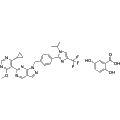
    KSQ-4279 (gentisate) is a potent inhibitor of USP1 and selectively targets PARP1. This compound demonstrates significant potential in cancer research, showcasing its ability to disrupt key pathways involved in tumor progression and repair mechanisms. Its unique inhibitory properties make it a valuable tool for studying the molecular underpinnings of various cancer types and developing targeted therapeutic strategies.

    1 mg
    $255.00
    5 mg
    $395.00
    All 6 sizes
  • TNKS1/2-IN-1
    Cat. No.
    A29050

    TNKS1/2-IN-1

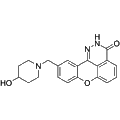
    TNKS1/2-IN-1 is a potent inhibitor of tankyrase 1 and 2, demonstrating pIC50 values between 7.1 and 8.2. This compound effectively modulates the activity of TNKS1/2, making it a valuable tool for research into cancer, fibrosis, and other hyperproliferative diseases. Its selective inhibition offers insights into the biological pathways regulated by tankyrases, facilitating the exploration of therapeutic strategies targeting these conditions.

    1 mg
    $385.00
    5 mg
    $985.00
    All 6 sizes
  • PARP-1-IN-4
    Cat. No.
    A29051

    PARP-1-IN-4

    PARP-1-IN-4 is a selective inhibitor of PARP-1, exhibiting an IC50 value of 302 μM. This compound is utilized in research focused on lung adenocarcinoma, where inhibiting PARP-1 activity may contribute to understanding cancer pathophysiology and therapeutic strategies. Its specificity for PARP-1 makes it a valuable tool in studying DNA repair mechanisms and their impact on cancer cell proliferation and survival.

    5 mg
    $30.00
    10 mg
    $55.00
    All 5 sizes
  • ARTD3/PARP3-IN-1
    Cat. No.
    A29052

    ARTD3/PARP3-IN-1

    ARTD3/PARP3-IN-1 is an unselective inhibitor targeting diphtheria toxin-like ADP-ribosyltransferase 3 (ARTD3) and PARP3. This compound modulates ADP-ribosylation processes, influencing cellular responses to DNA damage and stress. It is primarily used in research applications investigating the roles of ARTD3 and PARP3 in cellular signaling, cell survival, and cancer biology.

    1 mg
    $50.00
    5 mg
    $120.00
    All 5 sizes
  • LS-75
    Cat. No.
    A29053

    LS-75

    LS-75 is a potent inhibitor of PARP-1, exhibiting an IC50 value of 18 μM and demonstrating blood-brain barrier permeability. This compound is recognized for its neuroprotective properties, making it a valuable tool for research in neurodegenerative diseases and cellular response to DNA damage. Its selective inhibition of PARP-1 activity lends itself to investigations of therapeutic strategies aimed at neurological health and related disorders.

    200 mg
    $25.00
    500 mg
    $30.00
    All 6 sizes
  • Rucaparib tartrate
    Cat. No.
    A29054

    Rucaparib tartrate

    Synonyms: AG-014699 tartrate; PF-01367338 tartrate

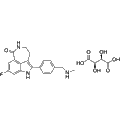
    Rucaparib tartrate is a potent inhibitor of PARP proteins, specifically targeting PARP-1, PARP-2, and PARP-3, with a Ki value of 1.4 nM for PARP-1. This compound also exhibits modest inhibitory activity against hexose-6-phosphate dehydrogenase (H6PD). Rucaparib tartrate is primarily utilized in research related to castration-resistant prostate cancer (CRPC), making it a valuable reagent for studies involving DNA repair mechanisms and cancer therapeutics.

    25 mg
    $1,800.00
    50 mg
    $2,285.00
    All 3 sizes
  • PARP1-IN-5
    Cat. No.
    A29056

    PARP1-IN-5

    PARP1-IN-5 is a potent and selective inhibitor of PARP-1, exhibiting an IC50 of 14.7 nM. This compound demonstrates low toxicity and is orally active, making it suitable for in vivo studies. PARP1-IN-5 is primarily used in cancer research to elucidate the role of PARP-1 in DNA repair mechanisms and its potential as a therapeutic target in oncology.

    Out of stock

    All 3 sizes
  • Venadaparib hydrochloride
    Cat. No.
    A29057

    Venadaparib hydrochloride

    Synonyms: IDX-1197 hydrochloride

    Venadaparib hydrochloride is a potent and selective inhibitor of poly(ADP-ribose) polymerase (PARP) with demonstrated anticancer activity. This compound is primarily utilized in research focused on solid tumors, aiding in the exploration of cancer therapies targeting DNA repair mechanisms.

    5 mg
    $795.00
    All 1 sizes
  • Rucaparib acetate
    Cat. No.
    A29058

    Rucaparib acetate

    Synonyms: AG014699 acetate; PF-01367338 acetate

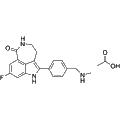
    Rucaparib acetate is a potent oral inhibitor of PARP proteins, primarily PARP-1, with a Ki of 1.4 nM. By targeting PARP-1, PARP-2, and PARP-3, Rucaparib acetate induces synthetic lethality in cancer cells with defective homologous recombination. Its unique profile also includes modest inhibition of hexose-6-phosphate dehydrogenase (H6PD). This reagent is applicable in research for castration-resistant prostate cancer (CRPC) and other malignancies characterized by DNA repair deficiencies.

    25 mg
    $1,800.00
    50 mg
    $2,285.00
    All 3 sizes
  • Rucaparib hydrochloride
    Cat. No.
    A29059

    Rucaparib hydrochloride

    Synonyms: AG014699 hydrochloride; PF-01367338 hydrochloride

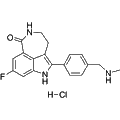
    Rucaparib hydrochloride is a potent, orally active inhibitor of PARP proteins, specifically targeting PARP-1, PARP-2, and PARP-3, with a Ki value of 1.4 nM for PARP-1. In addition to its principal function as a PARP inhibitor, Rucaparib exhibits modest inhibitory activity toward hexose-6-phosphate dehydrogenase (H6PD). This compound is primarily utilized in research focused on castration-resistant prostate cancer (CRPC), contributing to studies aimed at better understanding and overcoming resistance mechanisms in cancer therapy.

    25 mg
    $1,800.00
    50 mg
    $2,285.00
    All 3 sizes
  • Mefuparib
    Cat. No.
    A29061

    Mefuparib

    Synonyms: CVL218

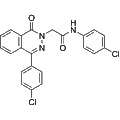
    Mefuparib is a potent poly ADP-ribose polymerase (PARP) inhibitor that demonstrates significant brain penetration attributed to its high protein binding affinity. This compound is utilized in cancer research to investigate the therapeutic potential of PARP inhibition in various malignancies. Its ability to interfere with DNA repair mechanisms makes it a valuable tool for studying tumor biology and treatment resistance.

    5 mg
    $95.00
    10 mg
    $155.00
    All 5 sizes
  • PARP7-IN-19
    Cat. No.
    A29063

    PARP7-IN-19

    PARP7-IN-19 is a potent inhibitor of PARP7, exhibiting an IC50 of less than 10 nM. This compound is valuable for research focused on the role of PARP7 in tumor biology, enabling investigations into cancer progression and therapeutic targeting. Its high specificity makes it an important tool for studying the mechanisms underlying PARP7-related pathways in various cancer models.

    Out of stock

    All 3 sizes
  • Lerzeparib
    Cat. No.
    A29064

    Lerzeparib

    Lerzeparib is a potent inhibitor of poly(ADP-ribose) polymerase (PARP), demonstrating significant antineoplastic activity. By obstructing the PARP enzyme, Lerzeparib effectively disrupts DNA repair mechanisms in cancer cells, leading to increased cellular apoptosis. This compound is primarily utilized in cancer research to explore therapeutic strategies for tumors with homologous recombination deficiencies, such as BRCA-mutated cancers.

    Out of stock

    All 3 sizes
  • PARP1-IN-9
    Cat. No.
    A29065

    PARP1-IN-9

    PARP1-IN-9 is a potent inhibitor of PARP1, exhibiting an IC50 value of 30.51 nM. This compound effectively induces apoptosis in cancer cells, demonstrating significant anticancer activity. PARP1-IN-9 is useful for research applications related to cancer treatment and the study of DNA repair mechanisms.

    25 mg
    $1,275.00
    50 mg
    $1,625.00
    All 3 sizes

Items 126-150 of 236

Added to your cart

View Cart Checkout

    Loading...