Anti-infectives

Anti-infectives brings together compounds that act on bacteria, fungi and viruses in microbiology research. They are used to study microbial growth, drug resistance and host-pathogen interactions. Its seven subcategories are Antibiotic, Bacterial, Fungal, Mycobacterium tuberculosis, HIV (human immunodeficiency virus), Dengue Virus and Flavivirus. Antibacterial examples include the oxazolidinone linezolid, the carbapenems imipenem and meropenem, and the glycylcycline tigecycline. Bedaquiline, a diarylquinoline, and pretomanid, a nitroimidazole, are used in Mycobacterium tuberculosis research. Among the antivirals, nelfinavir inhibits HIV-1 protease, an enzyme required for viral maturation. Compounds for a single viral enzyme or virus, such as reverse transcriptase or influenza virus, also have their own Microbiology categories.

14 Items

  • Tubulysin A
    Cat. No.
    A21001

    Tubulysin A

    Synonyms: TubA

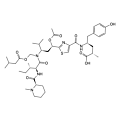
    Tubulysin A(TubA) is a myxobacterial product that can function as an antiangiogenic agent in many in vitro assays; anti-microtubule, anti-mitotic, an apoptosis inducer, anticancer, anti-angiogenic, and antiproliferative.

    1 mg
    $520.00
    5 mg
    $1,480.00
    All 6 sizes
  • Hirsutine
    Cat. No.
    A30286

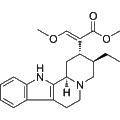
    Hirsutine

    Hirsutine, an indole alkaloid derived from Uncaria rhynchophylla, serves as an apoptosis inducer with notable anti-cancer properties. It effectively triggers apoptotic pathways while demonstrating significant inhibitory effects against Dengue virus, all with low cytotoxicity. This compound is valuable for research in cancer biology and virology, enabling studies on apoptotic mechanisms and antiviral strategies.

    2 mg
    $25.00
    5 mg
    $40.00
    All 4 sizes
  • Falcarindiol
    Cat. No.
    A30575

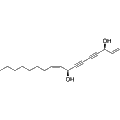
    Falcarindiol

    Falcarindiol is an orally active polyacetylenic oxylipin that functions as an apoptosis inducer by activating PPARγ and enhancing the expression of the cholesterol transporter ABCA1 in cells. This compound exhibits significant biological activities, including anti-inflammatory, antifungal, anticancer, and antidiabetic effects. Additionally, as a click chemistry reagent, Falcarindiol contains an alkyne group, allowing it to participate in copper-catalyzed azide-alkyne cycloaddition (CuAAc) reactions with azide-containing molecules, making it valuable for various research applications.

    1 mg
    $60.00
    5 mg
    $150.00
    All 6 sizes
  • δ-Cadinene
    Cat. No.
    A30661

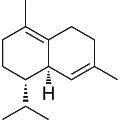
    δ-Cadinene

    Synonyms: (+)-δ-Cadinene

    δ-Cadinene is a sesquiterpene primarily known for its role as an apoptosis inducer. It exhibits significant antiproliferative and pro-apoptotic effects specifically in human ovarian cancer (OVCAR-3) cells. Additionally, δ-Cadinene demonstrates broad-spectrum bioactivity, including trichomonacidal, antimicrobial, antifungal, and anticancer properties, making it a valuable compound for various research applications in cancer biology and infectious disease studies.

    50 mg
    $40.00
    100 mg
    $60.00
    All 5 sizes
  • Damnacanthal
    Cat. No.
    A30760

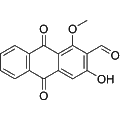
    Damnacanthal

    Damnacanthal is an anthraquinone that primarily functions as an apoptosis inducer through selective inhibition of p56lck tyrosine kinase activity. Demonstrating significant anticancer properties, Damnacanthal effectively inhibits p56lck autophosphorylation and the phosphorylation of exogenous substrates, with IC50 values of 46 nM and 220 nM, respectively. Additionally, Damnacanthal exhibits antinociceptive and anti-inflammatory effects in murine models, along with antifungal activity against Candida albicans. This compound is valuable for research into cancer biology and related therapeutic pathways.

    1 mg
    $375.00
    5 mg
    $805.00
    All 2 sizes
  • 2-Methoxyjuglone
    Cat. No.
    A31728

    2-Methoxyjuglone

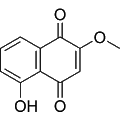
    2-Methoxyjuglone is a naphthoquinone that functions primarily as an apoptosis inducer. It activates caspase-9 and caspase-3 through the mitochondrial cytochrome c-dependent intrinsic apoptosis pathway, leading to increased pro-apoptotic Bax levels and decreased anti-apoptotic Bcl-2 levels. 2-Methoxyjuglone also induces apoptosis by promoting mitochondrial cytochrome c release and is associated with morphological changes of apoptosis, early apoptotic signals, cell cycle arrest in S-phase and G2/M-phase, as well as DNA double-strand breaks. Additionally, it exhibits antimicrobial properties against Gram-positive bacteria and pathogenic fungi, making it valuable in the research of various cancers, including hepatocellular carcinoma and breast cancer, as well as in studies of fungal and bacterial infections.

    Out of stock

    All 3 sizes
  • (±)-Trolline
    Cat. No.
    A32904

    (±)-Trolline

    Synonyms: (±)-Oleracein E

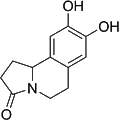
    (±)-Trolline, also known as (±)-Oleracein E, is an isoquinoline alkaloid with notable antibacterial properties against respiratory pathogens. Additionally, it demonstrates antiviral activity against influenza viruses A and B. (±)-Trolline is also a potent inducer of hepatic stellate cell apoptosis, making it a valuable tool for studying liver fibrosis and associated liver disorders.

    1 mg
    $320.00
    5 mg
    $820.00
    All 2 sizes
  • ROS inducer 9
    Cat. No.
    A39273

    ROS inducer 9

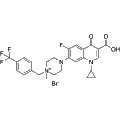
    ROS inducer 9 is an antibacterial agent that functions by inhibiting glutathione (GSH) activity and elevating reactive oxygen species (ROS) levels. With a minimum inhibitory concentration (MIC) of 0.25 μg/mL against E. coli, it demonstrates potent antibacterial properties. Additionally, ROS inducer 9 exhibits low toxicity to erythrocytes and RAW 264.7 cells, making it suitable for various biological research applications in exploring oxidative stress responses in bacterial infections.

    Out of stock

    All 3 sizes
  • ICeD-2
    Cat. No.
    A43503

    ICeD-2

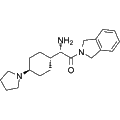
    ICeD-2 is a potent inducer of cell death that specifically targets HIV-1 infected cells by exploiting HIV-1 protease activity. This compound effectively inhibits the hydrolysis of Gly-Pro-AMC by dipeptidyl peptidase DPP8 and DPP9, leading to enhanced degradation of infected cells. Additionally, ICeD-2 demonstrates strong stabilization of DPP9 in peripheral blood mononuclear cells (PBMCs), making it a valuable tool for research in HIV-related studies and cell death mechanisms.

    5 mg
    $540.00
    10 mg
    $890.00
    All 5 sizes
  • BMAP-28
    Cat. No.
    A47075

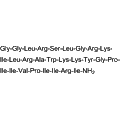
    BMAP-28

    BMAP-28 is an antibiotic peptide that acts as an inducer of the mitochondrial permeability transition pore. It triggers cell death by promoting the opening of this pore, making it a valuable tool for studying microbial infections and cancer mechanisms. Researchers can utilize BMAP-28 to explore its potential therapeutic applications and the underlying processes involved in cell apoptosis.

    Out of stock

    All 3 sizes
  • N-3-Oxo-tetradecanoyl-L-homoserine lactone
    Cat. No.
    A48521

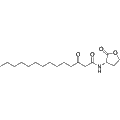
    N-3-Oxo-tetradecanoyl-L-homoserine lactone

    Synonyms: oxo-C14-HSL

    N-3-Oxo-tetradecanoyl-L-homoserine lactone (oxo-C14-HSL) is a rhizobacterial inducer that enhances plant defense mechanisms, particularly against nematode infestations. This compound plays a vital role in promoting beneficial interactions between plants and soil microorganisms, ultimately improving plant resilience and health. It is utilized in research focused on plant-microbe interactions and crop protection strategies.

    1 mg
    $45.00
    5 mg
    $105.00
    All 6 sizes
  • A-Factor
    Cat. No.
    A49858

    A-Factor

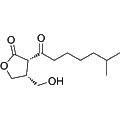
    A-Factor is a potent inducer of streptomycin biosynthesis in the inactive mutant strain of Streptomyces griseus. Additionally, A-Factor promotes spore formation during the conidial development of Magnaporthe oryzae. This reagent is valuable for researchers studying antibiotic production and fungal development processes.

    Out of stock

    All 3 sizes
  • 3-Acetonyl-3-hydroxyoxindole
    Cat. No.
    A53554

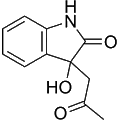
    3-Acetonyl-3-hydroxyoxindole

    Synonyms: 3-Hydroxy-3-acetonyloxindole

    3-Acetonyl-3-hydroxyoxindole functions as a potent systemic acquired resistance (SAR) inducer in plants. This compound has demonstrated the ability to enhance resistance in tobacco plants against the tobacco mosaic virus (TMV) and the fungal pathogen Erysiphe cichoracearum. 3-Acetonyl-3-hydroxyoxindole also elevates levels of pathogenesis-related gene 1 (PR-1) expression, salicylic acid (SA) accumulation, and phenylalanine ammonia-lyase activity, making it a valuable tool for studying plant immune responses.

    5 mg
    $975.00
    All 1 sizes
  • Nuarimol
    Cat. No.
    B13838

    Nuarimol

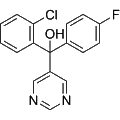
    Nuarimol is a fungicide that primarily targets fungal pathogens to protect crops in agricultural applications. This compound functions as a phenobarbital-type inducer of hepatic drug-metabolizing enzymes, leading to transient, significant hepatic regenerative proliferation and accompanying hepatomegaly through reversible hepatocellular injury. Research indicates its potential utility in studies exploring liver regeneration and metabolic enzyme regulation.

    Out of stock

    All 3 sizes

14 Items

Added to your cart

View Cart Checkout

    Loading...