
- Cat. No.
- A20379
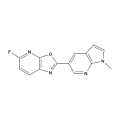
MK-3328
MK-3328 is a β-Amyloid PET ligand, which exhibits high binding potency with an IC50 of 10.5 nM.
In stock
View Details
Search by product name, CAS, target or catalog number. Press Down Arrow to reach product suggestions, Tab to move between links, and Escape to close suggestions.
Amyloid-β (Aβ) research compounds include Aβ peptides and modulators of Aβ production, aggregation and signaling. Aβ was first purified from cerebrovascular amyloid in Alzheimer's disease and characterized in 1984. The peptide is cleaved from the amyloid precursor protein (APP), whose cloning in 1987 revealed a structure resembling a cell-surface receptor. The amyloid hypothesis proposes that Aβ accumulation drives Alzheimer's disease pathogenesis, and it frames much current research. The category includes Amyloid b-Peptide (1-42) (human) for aggregation and toxicity studies. γ-Secretase inhibitors such as avagacestat and RO4929097 reduce Aβ formation. FPS-ZM1 blocks the receptor for advanced glycation end products (RAGE), which binds Aβ.
MK-3328 is a β-Amyloid PET ligand, which exhibits high binding potency with an IC50 of 10.5 nM.
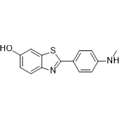
Synonyms: PiB; 6-OH-BTA-1
Pittsburgh Compound B (PiB) is a targeted β-amyloid (Aβ) binder, designed as a PET tracer for the visualization of Aβ deposition in the brain. It exhibits a high affinity for Aβ(1-40) fibrils with a Ki value of 678.4 nM. The compound can be modified using click chemistry, allowing for the development of fluorescent conjugates for applications in fluorescence imaging and ultrastructural studies. Pittsburgh Compound B is particularly relevant for research focusing on Alzheimer's disease and the characterization of Aβ complexes.
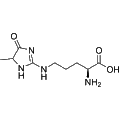
MG-H1 is a ligand for the receptor for advanced glycation end products (RAGE), exhibiting a binding affinity (Kd) of 4.12 nM. It interacts specifically with human umbilical vein endothelial cells, making it a valuable tool for studying endothelial dysfunction. MG-H1 is particularly relevant in the context of diabetes research, where it aids in understanding the mechanisms of vascular complications associated with the disease.
Out of stock
All 3 sizes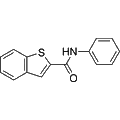
Aβ42 agonist-2 is a small molecule compound designed to target Aβ42 ligands. It facilitates the aggregation of Aβ42 by promoting the self-assembly of nontoxic aggregates and accelerating fibril formation through interactions with Aβ42 oligomers and pentamers. Additionally, Aβ42 agonist-2 has been shown to mitigate Aβ42-induced cytotoxicity in HT22 hippocampal neuronal cells, making it a valuable tool for investigating Alzheimer’s disease pathology and potential therapeutic strategies.
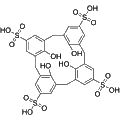
Synonyms: para-Sulfonatocalix[n]arene
4-Sulfocalix[4]arene is an amyloid-beta 42 binder that exhibits a dissociation constant (Kd) of 5.39 µM, indicating a strong affinity for binding to this protein. Its ability to inhibit amyloid β-peptide fibrillation makes it a valuable tool in research focused on Alzheimer's disease pathology. Additionally, 4-Sulfocalix[4]arene can reduce the cytotoxicity associated with amyloid aggregates, providing insights for therapeutic strategies targeting amyloid-related neurodegeneration.
Out of stock
All 3 sizes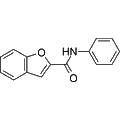
Aβ42 agonist-1 is a selective ligand targeting Aβ42, facilitating the aggregation of Aβ42 peptides. This compound interacts with Aβ42 oligomers and pentamers, promoting the self-assembly of nontoxic aggregates and accelerating the formation of fibrils. Additionally, Aβ42 agonist-1 effectively inhibits Aβ42-induced cytotoxicity in HT22 hippocampal neuronal cells, making it a valuable tool for research into Alzheimer's disease mechanisms and therapeutic strategies.
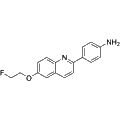
THK-523 is a selective tau imaging ligand that targets tau pathology associated with neurodegenerative disorders, particularly Alzheimer's disease. Demonstrating high affinity and specificity, THK-523 is effective as an in vivo radiotracer, facilitating the imaging of tau aggregates. Its applications extend to research in tau-related pathologies, aiding in the understanding of tau's role in neurodegeneration and the development of potential therapeutic strategies.
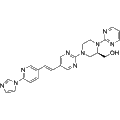
α-Synuclein aggregate binder 2 is a specific binder for alpha-synuclein, exhibiting a binding affinity characterized by a Ki of 1.6 nM. This compound demonstrates a weaker interaction with β-amyloid aggregates, with a Ki of 295 nM. It is valuable in research applications focused on Parkinson's disease, serving as a tracer to investigate alpha-synuclein aggregation and its implications in neurodegenerative disorders.
Out of stock
All 3 sizes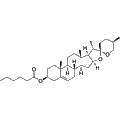
Synonyms: SP-233
Caprospinol is a potent σ-1 receptor ligand that exhibits neuroprotective properties through multiple mechanisms. It effectively binds to β-amyloid protein (Aβ(42)), interacts with the mitochondrial respiratory chain, and facilitates the clearance of Aβ(42) monomers. Caprospinol is capable of crossing the blood-brain barrier, thereby showing promise in restoring cognitive function and inhibiting the progression of Alzheimer's disease. Its diverse biological activities make it a valuable tool for research in neurodegenerative disorders.