
- Cat. No.
- A18201
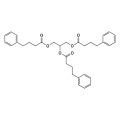
Glycerol phenylbutyrate
Synonyms: HPN-100; trade name: Ravicti.
Glycerol phenylbutyrate is a sigma-2 (ς2) receptor ligand, with a pKi of 8.02.
In stock
View Details
Search by product name, CAS, target or catalog number. Press Down Arrow to reach product suggestions, Tab to move between links, and Escape to close suggestions.
Sigma receptor ligands bind sigma-1 and sigma-2 receptors, two unrelated proteins that are not G protein-coupled. The sigma-1 receptor was cloned in 1996 and resembles a yeast sterol isomerase more than any known mammalian receptor. It resides mainly in the endoplasmic reticulum, and its 2016 crystal structure showed a trimer with one transmembrane helix per protomer. The gene for the sigma-2 receptor was identified in 2017 as transmembrane protein 97 (TMEM97). Cutamesine (SA4503) dihydrochloride, 4-IBP and pentoxyverine citrate are sigma-1 agonists, whereas S1RA and BD-1047 2HBr are sigma-1 antagonists. Siramesine is a sigma-2 agonist, and UMB24 a sigma-2 antagonist.
Synonyms: HPN-100; trade name: Ravicti.
Glycerol phenylbutyrate is a sigma-2 (ς2) receptor ligand, with a pKi of 8.02.
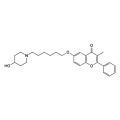
Sigma-LIGAND-1 is a selective sigma receptor ligand, has receptor IC50s of 16 nM at the DTG site, 19 nM at the PPP site, and a Ki of 4000 nM at the dopamine D2 receptor.
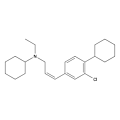
SR-31747 free base is a sigma ligand with immunosuppressive and anti-inflammatory properties.
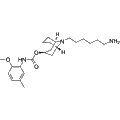
SV119 is a potent sigma-2 (σ₂) receptor ligand, exhibiting a binding affinity with a Ki value of approximately 5-10 nM. This compound promotes apoptosis in diverse human cancer cell lines through the activation of caspase-3 and induces mitochondrial depolarization, highlighting its potential in cancer therapy. SV119 also demonstrates the ability to enhance the efficacy of chemotherapeutic agents like Paclitaxel, increasing their cytotoxic effects on tumor cells. In preclinical mouse xenograft models, SV119 has been shown to significantly inhibit tumor growth, making it a valuable tool for researching cancers, including breast, prostate, and pancreatic malignancies.
Out of stock
All 3 sizes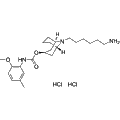
SV119 hydrochloride is a sigma-2 ligand with a Ki value of 5.2 nM that enhances the translocation of therapeutic agents across the plasma membrane of cancer cells. It has shown the ability to overcome the internalization barrier in pancreatic cancer, effectively maintaining the anti-tumor properties of conjugated dm-Erastin. Furthermore, SV119 hydrochloride exhibits cytotoxic effects on triple-negative breast cancer (TNBC) cells and promotes apoptosis, making it a valuable compound for cancer research and therapeutic development.
Out of stock
All 3 sizes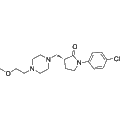
MS-377 is a selective sigma-1 receptor ligand with an affinity (Ki = 73 nM) that demonstrates minimal interaction with the sigma-2 receptor (Ki = 6900 nM) and no significant binding to other receptors, including those for dopamine and serotonin. This compound indirectly modulates the NMDA receptor ion-channel complex, exhibiting antipsychotic activity by inhibiting PCP-induced behaviors and reducing dopamine and serotonin release in the rat medial prefrontal cortex. MS-377 is suitable for research applications related to schizophrenia.
Out of stock
All 3 sizes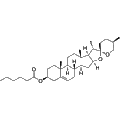
Synonyms: SP-233
Caprospinol is a potent σ-1 receptor ligand that exhibits neuroprotective properties through multiple mechanisms. It effectively binds to β-amyloid protein (Aβ(42)), interacts with the mitochondrial respiratory chain, and facilitates the clearance of Aβ(42) monomers. Caprospinol is capable of crossing the blood-brain barrier, thereby showing promise in restoring cognitive function and inhibiting the progression of Alzheimer's disease. Its diverse biological activities make it a valuable tool for research in neurodegenerative disorders.
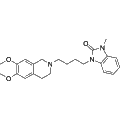
CM398 is a selective sigma-2 receptor ligand that demonstrates a high binding affinity (Ki = 0.43 nM) while maintaining a 1000-fold selectivity over the sigma-1 receptor. In addition to its primary target, CM398 exhibits appreciable affinity for dopamine (Ki = 32.90 nM) and serotonin (Ki = 244.2 nM) transporters. This compound has shown promising anti-inflammatory and analgesic properties in preclinical studies, specifically within the formalin model of inflammatory pain in mice, making it a valuable tool for research in pain management and neuropharmacology.
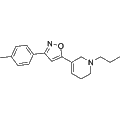
PD 144418 is a potent and selective sigma 1 (σ1) receptor ligand, exhibiting a high affinity with a Ki value of 0.08 nM for σ1 and significantly lower affinity of 1377 nM for σ2 receptors. This compound demonstrates minimal interaction with other receptors, ion channels, and enzymes, ensuring specificity in its action. PD 144418 has shown potential antipsychotic properties, making it a valuable tool for research into psychiatric disorders and sigma receptor biology.
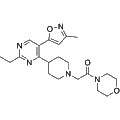
WLB-89462 is a selective σ2 receptor ligand, exhibiting an affinity (Ki) of 13 nM. This compound demonstrates neuroprotective activity, effectively improving short-term memory impairment caused by Aβ peptide in rodent models. Additionally, WLB-89462 possesses a favorable ADMET profile, characterized by good solubility, lack of CYP inhibition, metabolic stability, high permeability, and significant brain penetration, making it a valuable tool for research in neurodegenerative diseases.
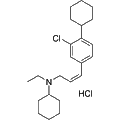
SR-31747 is a sigma receptor ligand that exhibits immunosuppressive and anti-inflammatory effects. This compound inhibits sterol isomerase, thereby blocking cell proliferation. SR-31747 can be utilized in research focused on immune regulation and inflammatory disorders.
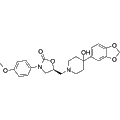
Synonyms: EMD 57445
Panamesine is a selective sigma receptor ligand with a high affinity of IC50 6 nM for sigma binding sites. This compound exhibits potential as an atypical neuroleptic agent, making it of interest in neuropharmacological research. Its unique binding properties may provide insights into the therapeutic mechanisms of sigma receptor modulation in various neurological disorders.
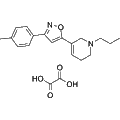
PD 144418 oxalate is a selective and potent ligand for the sigma 1 (σ1) receptor, demonstrating a high binding affinity with a Ki value of 0.08 nM. Its selectivity is underscored by minimal affinity for sigma 2 (σ2) and other biological targets, including receptors, ion channels, and enzymes. This compound has potential applications in studying antipsychotic mechanisms and could serve as a valuable tool in neuropharmacological research.
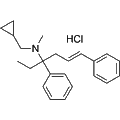
Synonyms: JO 1784 hydrochloride
Igmesine hydrochloride is a potent σ-receptor ligand that exhibits the ability to inhibit colonic electromechanical activity stimulated by emotional stress. This compound effectively counteracts the enhancement of colonic motility induced by dopamine and centrally injected D1 or D2 receptor agonists. Additionally, Igmesine hydrochloride disrupts the colonic motility responses prompted by corticotropin-releasing factor (CRF), likely through mechanisms involving central cholecystokinin (CCK) release or activation of supraspinal CCK pathways, making it a valuable tool for studying gastrointestinal responses to stress and neurotransmitter signaling.
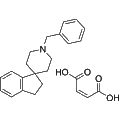
L-693403 maleate is a highly selective sigma receptor ligand with strong binding affinity. This compound serves as an important tool for investigating sigma receptor-mediated pathways and their potential implications in various physiological diseases. It is suitable for research applications focused on understanding the role of sigma receptors in neurobiology and pharmacology.
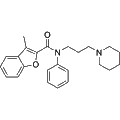
KSCM-5 is a high-affinity ligand for the sigma-1 receptor, exhibiting a Ki value of approximately 34 nM, which indicates significant selectivity. Its unique interaction with the sigma receptor makes KSCM-5 valuable for research applications in compound development targeting diseases related to sigma receptor dysregulation. This compound can provide insights into the therapeutic potential and mechanisms of sigma receptors in various biological processes.
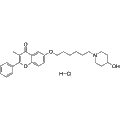
Sigma-LIGAND-1 hydrochloride is a selective ligand for sigma receptors, exhibiting IC50 values of 16 nM and 19 nM at the DTG and PPP sites, respectively. This compound demonstrates a Ki of 4000 nM at the dopamine D2 receptor, indicating its selectivity for sigma binding. It is valuable for research in neuropharmacology, particularly in studies exploring sigma receptor-mediated signaling pathways and their implications in various neurological disorders.
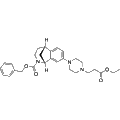
SAS-1121 is a selective ligand for the sigma 2 receptor and PGRMC1, exhibiting a Ki of 16.2 nM. It demonstrates a remarkable 574-fold selectivity for the sigma 2 receptor compared to the sigma 1 receptor. As a tertiary amine, SAS-1121 is valuable for studying mechanisms related to neurological conditions and offers potential insights into sigma receptor-related pathways in pharmacological research.
Out of stock
All 3 sizes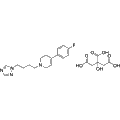
E-5842 citrate is a selective σ receptor ligand with a Ki value of 4 nM for the σ1 receptor. This compound has been shown to enhance Fos protein levels in the medial prefrontal cortex and nucleus accumbens, while having no effect on protein levels in the striatum. E-5842 citrate is valuable for investigating the neurobiological mechanisms underlying psychiatric disorders.
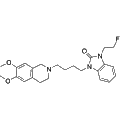
Sigma-2 Radioligand 1 is a selective ligand targeting the sigma-2 receptor. This radioligand demonstrates favorable biodistribution in murine models and exhibits significant in vivo activity in rat studies. Modified with [18F], Sigma-2 Radioligand 1 is suitable for micro-PET/CT imaging, displaying high tumor uptake and an optimal tumor-to-background ratio, particularly in U87MG glioma xenografts. Its specificity makes it a valuable tool for tumor visualization and research into sigma receptor biology.
Out of stock
All 3 sizes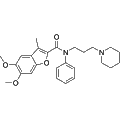
KSCM-1 is a selective ligand for the sigma-1 receptor, exhibiting a Ki value of 27.5 nM. This compound demonstrates a marked selectivity for the sigma-1 receptor over sigma-2 receptors and exhibits minimal affinity for non-sigma receptor targets. KSCM-1 is valuable for studies investigating the role of sigma-1 receptors in various biological processes and neurological disorders.