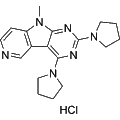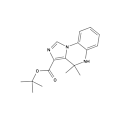
- Cat. No.
- A16336
U-93631
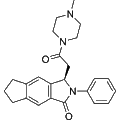
U-93631 is a GABAA receptor ligand of novel chemical structure with IC50 of 100 nM,and has been shown to induce a rapid, time-dependent decay of GABA-induced whole-cell Cl-currents in recombinant GABAA receptors.
Search by product name, CAS, target or catalog number. Press Down Arrow to reach product suggestions, Tab to move between links, and Escape to close suggestions.
Gamma-aminobutyric acid (GABA) receptor agonists, antagonists and modulators target inhibitory neurotransmission. GABA-A receptors are ligand-gated chloride channels, and their cloning in 1987 placed them among the other ligand-gated ion channel receptors. GABA-B receptors are G protein-coupled receptors, and their cloning in 1997 revealed similarity to metabotropic glutamate receptors. Flumazenil blocks the benzodiazepine site of GABA-A receptors, whereas the anesthetic propofol enhances GABA-A receptor currents. Natural products such as baicalin and dihydromyricetin are also listed for their reported activity at GABA-A receptors. These ligands support studies of synaptic inhibition, neuronal excitability, sedation and anxiety-related behavior.
U-93631 is a GABAA receptor ligand of novel chemical structure with IC50 of 100 nM,and has been shown to induce a rapid, time-dependent decay of GABA-induced whole-cell Cl-currents in recombinant GABAA receptors.
Synonyms: 450191S
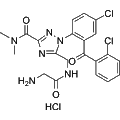
Rilmazafone hydrochloride is a selective ligand for the GABA receptor, specifically acting on the benzodiazepine site. This compound exhibits significant anxiolytic and sedative effects, making it valuable for research in neuropharmacology and the study of anxiety disorders. Its ability to modulate GABAergic neurotransmission renders it a useful tool for elucidating the mechanisms underlying anxiety and sleep regulation.
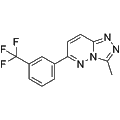
CL 218872 is a selective ligand for the benzodiazepine receptor subtype BZ1, demonstrating notable anxiolytic, sedative, and anticonvulsant properties. This compound is useful in research applications focusing on anxiety-related disorders and epilepsy. Its oral bioactivity makes it an important tool for studying the pharmacological effects associated with benzodiazepine receptors.
Synonyms: Ro 07-4065
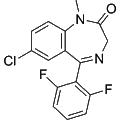
Difludiazepam is a benzodiazepine derivative that acts as a ligand for the GABAA receptor, exhibiting an IC50 value of 4.1 nM. By binding to an allosteric site on the GABAA receptor, Difludiazepam enhances the receptor's responsiveness to GABA, thereby decreasing neuronal excitability. This compounds structural features include halogenated groups situated at the ortho position of its phenyl ring, making it a valuable tool for research focused on neurological function and disorders.
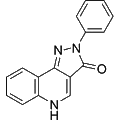
CGS 8216 is a non-benzodiazepine ligand targeting the GABA receptor, exhibiting high affinity and specificity for rat forebrain membranes. This compound effectively inhibits 3H-flunitrazepam binding to rat synaptosomal membranes, demonstrating potent blocking of 3H-FLU labeling of brain benzodiazepine receptors in vivo, comparable to Diazepam. CGS 8216 is valuable for studying GABAergic signaling and the pharmacological properties of benzodiazepine receptors in neural research applications.
GABAA receptor agent 1 is a high-affinity ligand that specifically targets the GABAA receptor. This compound exhibits potent anticonvulsant activity, making it valuable for research in epilepsy and seizure disorders. Its mechanism of action involves modulating neurotransmission, thereby influencing anxiety and various neurobehavioral conditions.
Ro 22-8515 is a selective ligand for the benzodiazepine receptor. It exhibits anxiolytic and sedative effects, making it a valuable tool for exploring the neuropharmacology of anxiety and sleep disorders. This compound is useful in research applications aimed at understanding the role of benzodiazepine receptors in various neurological conditions.
Synonyms: MR04A3
(-)-JM-1232 is a ligand for GABA A receptors that binds to the benzodiazepine binding site, leading to pronounced analgesic effects. This compound has shown significant efficacy in preclinical models, with CI50 values of 2.96 mg/kg for acute thermal stimuli, 3.06 mg/kg for mechanically induced pain, and 2.27 mg/kg for visceral pain. The potent analgesic properties of (-)-JM-1232 make it a valuable tool for research focused on pain mechanisms and the development of analgesic therapies.
AHN-683 is a potent ligand for the GABA receptor, specifically acting on the peripheral benzodiazepine receptor (BDR). This compound modulates GABAergic signaling, which plays a critical role in nervous system function. AHN-683 can be utilized in research applications aimed at understanding anxiety, neurodegeneration, and the therapeutic potential of benzodiazepine derivatives.
Out of stock
All 3 sizes
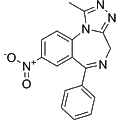
Nitrazolam is a benzodiazepine compound that functions as a GABA receptor ligand. It may exert central nervous system depressant properties, including sedation, hypnosis, anxiolytic, and anticonvulsant effects. This compound is relevant for research applications focused on disorders associated with GABAergic dysfunction and the pharmacological exploration of benzodiazepine-related mechanisms.
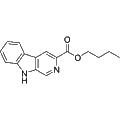
β-CCB is a potent ligand for the benzodiazepine receptor, demonstrating inhibitory activity on the binding of [3H]flunitrazepam and ethyl (3-[3H]carboline-3-carboxylate with a Ki value of 3-4 nM. This compound exhibits proconvulsant and anxiogenic effects, making it valuable for research in neuropharmacology and anxiety disorder models. Its selective binding properties contribute to investigations into the mechanisms of benzodiazepine action and potential therapeutic targets.
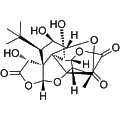
Ginkgolide M is a naturally occurring ginkgolide derived from Ginkgo biloba, primarily targeting ligand-gated ion channels in the central nervous system. It functions as an inhibitor of the GABAA receptor, leading to its inhibitory effects on neuronal activity. This compound is valuable for research into neurodegenerative diseases, including Alzheimer's disease, contributing to the understanding of potential therapeutic pathways.
Out of stock
All 3 sizes
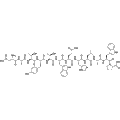
K1 peptide is a high-affinity ligand for GABAA receptor-associated protein (GABARAP). It plays a crucial role in mediating protein interactions involved in cellular processes such as autophagy and synaptic transmission. K1 peptide is valuable for research applications focused on GABARAP function and its implications in neurobiology and cellular signaling pathways.
Out of stock
All 3 sizes
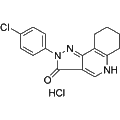
GABA-A Receptor Ligand-1 is a selective ligand for the GABA-A receptor, exhibiting a pKi of 7.27. This compound demonstrates significant neuroprotective effects, reducing mitochondrial dysfunction and promoting both neurite outgrowth and neuronal regeneration. Research applications include studies on ischemic stroke models in rats, highlighting its potential for therapeutic interventions in neurodegenerative conditions.
Out of stock
All 3 sizes
CGS-17867A hydrochloride is a selective ligand for benzodiazepine receptors. This compound exhibits weak sedative properties and has been shown to stimulate the consumption of palatable food. CGS-17867A hydrochloride is applicable in research exploring the modulation of appetite and the neurobiology of sedative effects.
Out of stock
All 3 sizes
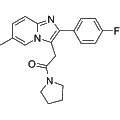
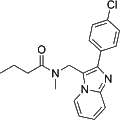
Saripidem is a non-selective ligand for the ω modulatory sites of the GABA receptor. This compound exhibits anxiolytic and sedative properties by enhancing GABAergic neurotransmission. It is applicable in research focused on neuropharmacology, particularly in the study of anxiety, sleep disorders, and other neuropsychiatric conditions.
Synonyms: WE-973
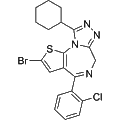
Ciclotizolam is a thienotriazolodiazepine that acts as a ligand for benzodiazepine receptors in the central nervous system. It has demonstrated anticonvulsant and anti-aggressive properties. Research indicates that Ciclotizolam can reduce total sleep time in feline models, making it a valuable compound for studying sleep regulation and associated neurological mechanisms.
PNU-107484A is a selective GABAA receptor ligand with distinct activity across various α isoform subtypes. It functions as a positive allosteric modulator for the α1β2γ2 subtype, enhancing GABA-induced chloride currents, while exhibiting inhibitory effects on the α3β2γ2 and α6β2γ2 subtypes. The compound demonstrates half-maximal inhibitory concentrations of 3.1 μM for α1β2γ2, 4.2 μM for α3β2γ2, and 3.5 μM for α6β2γ2. PNU-107484A serves as a valuable tool for exploring the physiological implications of different GABAA receptor α isoform subtypes in research settings.