- Cat. No.
- A11233
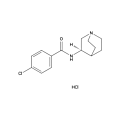
PNU 282987
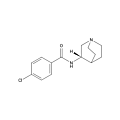
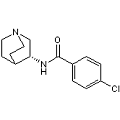
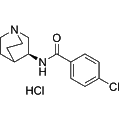
PNU 282987 (PNU-282,987)is a drug that acts as a potent and selective agonist for the α7 subtype of neural nicotinic acetylcholine receptors.
Search by product name, CAS, target or catalog number. Press Down Arrow to reach product suggestions, Tab to move between links, and Escape to close suggestions.
Nicotinic acetylcholine receptor (nAChR) agonists, antagonists and modulators act on ligand-gated cation channels. Each receptor is a pentamer of subunits arranged around a central pore that opens when acetylcholine binds. A refined structure of the Torpedo receptor at 4 Å resolution, published in 2005, resolved its ligand-binding, membrane and cytoplasmic regions. Muscle-type receptors mediate neuromuscular transmission, while neuronal subtypes such as α7 and α4β2 are studied in attention, memory and nicotine dependence. Agonists include PNU 282987, which is selective for α7, and the partial agonist varenicline. PNU-120596, described in 2005, is a positive allosteric modulator of α7 that enhances acetylcholine-evoked currents. Vecuronium bromide, a neuromuscular blocking agent, acts on the muscle-type receptor.
PNU 282987 (PNU-282,987)is a drug that acts as a potent and selective agonist for the α7 subtype of neural nicotinic acetylcholine receptors.
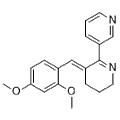
Synonyms: GTS 21; DMBX-A
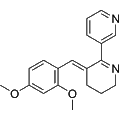
GTS-21 dihydrochloride is a selective α7 nicotinic acetylcholine receptor agonist, has recently been established as a promising treatment for inflammation.
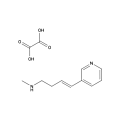
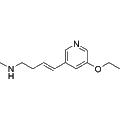
Synonyms: RJR-2403 oxalate; (E)-Metanicotine oxalate
Rivanicline oxalate (RJR-2403 oxalate; (E)-Metanicotine oxalate) is a neuronal nicotinic receptor agonist, showing high selectivity for the α4β2 subtype (Ki=26 nM); > 1,000 fold selectivity than α7 receptors(Ki= 3.6 μM).
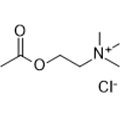
Synonyms: ACh chloride
Acetylcholine chloride is a cholinergic agonist that acts primarily on nicotinic acetylcholine receptors (nAChRs). This compound exerts significant effects on the modulation of dopaminergic neuron activity, making it relevant for studying neurophysiological processes. Additionally, Acetylcholine chloride has been shown to inhibit the aggregation of p53 mutant peptides in vitro, highlighting its potential applications in cancer research and neurodegenerative disease studies.
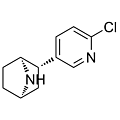
Synonyms: CMI 545
(±)-Epibatidine is a nicotinic agonist. (±)-Epibatidine is a neuronal nAChR agonist.
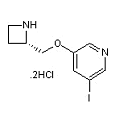
5-Iodo-A-85380 2HCl is a highly potent and subtype-selective agonist for the a4b2 and a6b2 nicotinic acetylcholine receptors.
Synonyms: ABT418
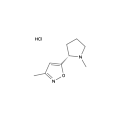
ABT-418 HCl is a neuronal nicotinic acetylcholine receptor agonist.
Synonyms: ABT-894; Sofiniclin
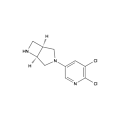
Sofinicline is a novel nicotinic acetylcholine receptor agonist in the treatment of attention-deficit/hyperactivity disorder.
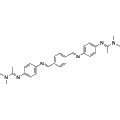
Tribendimidine is an orally active broad-spectrum anthelmintic agent primarily targeting parasitic helminths. It demonstrates significant efficacy against Ascaris lumbricoides and Necator americanus, contributing to its potential use in treating intestinal helminth infections. Additionally, Tribendimidine acts as an agonist for L-type nicotinic acetylcholine receptors (nAChRs), further elucidating its mechanism of action in disrupting neurotransmission in helminths. This compound is valuable for research in parasitology and the development of novel anthelmintic therapies.
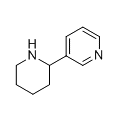
Synonyms: (S)-Anabasine
Anabasine is a piperidine botanical insecticide.
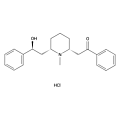
Lobeline hydrochloride, a nicotinic receptor agonist, acting as a potent antagonist at both α3β2 and α4β2 neuronal nicotinic receptor subtypes.
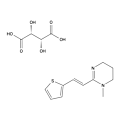
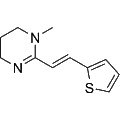
Pyrantel tartrate is an antinematodal thiophene nicotinic receptor agonist and can elicit spastic muscle paralysis in parasitic worms due to prolonged activation of the excitatory nicotinic acetylcholine (nACh) receptors on body wall muscle.
Synonyms: B-973B
-)-(S)-B-973B is a potent allosteric agonist and positive allosteric modulator of α7 nAChR, with antinociceptive activity.
Nelonicline (ABT-126) is a selective neuronal nicotinic receptor agonist.
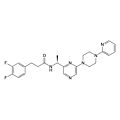
Synonyms: PNU 282987
PNU-282987 S enantiomer free base is the S-enantiomer of PNU-282987 free base. PNU-282987 is an α7 nicotinic acetylcholine receptor (α7 nAChR) agonist.
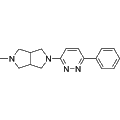
4BP-TQS is an allosteric agonist of α7 subunit-containing neuronal nicotinic acetylcholine receptors (nAChRs).
Synonyms: PNU-282987; PNU282987.
PNU 282987 is a highly selective α7 nAChR agonist (Ki = 26 nM) displaying negligible blockade of α1β1γδ and α3β4 nAChRs (IC50 ≥ 60 μM). Found to be inactive against a panel of 32 receptors at 1 μM, except 5-HT3 receptors (Ki = 930 nM).
AR420626 is a selective agonist of free fatty acid receptor 3 (FFAR3, also known as GPR41), with an IC₅₀ of 117 nM. It demonstrates anti-inflammatory, antitumor, and antidiabetic activities. AR420626 improves neurogenic diarrhea by modulating neural pathways mediated by nicotinic acetylcholine receptors (nAChRs). In cancer models, it suppresses the growth of HepG2 xenografts and inhibits hepatoma cell proliferation through apoptosis induction. Additionally, AR420626 mitigates allergic asthma and eczema and enhances glucose uptake by activating FFAR3-mediated Ca²⁺ signaling, offering potential therapeutic benefits in metabolic disorders such as diabetes.
(S)-PNU-282987 hydrochloride is a potent agonist of the α7 nicotinic acetylcholine receptor (nAChR), exhibiting an EC50 of 154 nM. In addition, it acts as a functional antagonist of the 5-HT3 receptor with an IC50 of 4541 nM. This compound is valuable for research applications exploring the central and peripheral nervous systems, facilitating the study of neurotransmission and signaling pathways involving cholinergic and serotonergic systems.
Synonyms: DMBX-A
GTS-21 is a selective agonist of the alpha7 nicotinic acetylcholine receptor (α7-nAChR), known for its anti-inflammatory and cognitive-enhancing properties. Additionally, GTS-21 exhibits antagonistic activity at the α4β2 receptor (Ki=20 nM) and the 5-HT3A receptor (IC50=3.1 μM). This compound is utilized in research related to age-associated memory impairment (AAMI) and Alzheimer's disease, making it a valuable tool for investigating cognitive dysfunction and neuroinflammatory processes.
α7 nAchR-JAK2-STAT3 agonist 1 is a selective agonist targeting the α7 nicotinic acetylcholine receptor, modulating the JAK2-STAT3 signaling pathway. It demonstrates significant anti-inflammatory activity by inhibiting the expression of inducible nitric oxide synthase (iNOS), interleukin-1 beta (IL-1β), and interleukin-6 (IL-6) in murine RAW264.7 macrophages, with an IC50 of 0.32 μM for nitric oxide production. Additionally, it effectively suppresses lipopolysaccharide (LPS)-induced nitric oxide release, NF-κB activation, and related cytokine production. This compound is valuable for studying sepsis and inflammatory responses.
TC-2559 free base is an agonist of the α4β2 nicotinic acetylcholine receptor (nAChR), demonstrating an EC50 value of 0.18 μM. It exhibits reduced potency on β4-containing nAChR subtypes, such as α2β4, α4β4, and α3β4, with EC50 values between 10-30 µM. Research indicates that TC-2559 enhances dopamine neuron activity in the ventral tegmental area, which may influence excitability and aggression. Additionally, it possesses anti-inflammatory effects via STAT3 inhibition, proving beneficial in models of mechanical allodynia and cognitive deficits. This compound is useful for investigations into nerve pain and related neurological conditions.
Out of stock
All 3 sizes
A-582941 is a selective α7 nicotinic acetylcholine receptor (nAChR) agonist that effectively crosses the blood-brain barrier. With Ki values of 10.8 nM in rat brain and 17 nM in human frontal cortex, it demonstrates significant biological activity by promoting ERK1/2 and CREB phosphorylation, inhibiting GSK-3β through Ser-9 phosphorylation, and enhancing acetylcholine release. Additionally, A-582941 induces the expression of activity-regulated cytoskeleton-associated protein (Arc) and c-Fos while activating brain regions linked to working memory and attention. This compound is valuable for investigating mechanisms involved in Alzheimer's disease and schizophrenia.
Out of stock
All 3 sizes
Pyrantel is an orally active anthelmintic that functions as an agonist of the nicotinic acetylcholine receptor (nAChR). It induces spasmodic muscle paralysis in parasitic organisms, making it effective in the eradication of a variety of helminthic infections. Pyrantel is commonly utilized in the study and treatment of conditions such as ascariasis, hookworm infections, pinworm infections, and trichinosis, providing critical research insights into parasitic diseases.
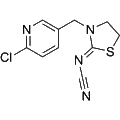
Thiacloprid is an orally active neurotoxic insecticide that functions as an agonist of nicotinic acetylcholine receptors (nAChR). It has been shown to reduce cellular viability, deplete reduced glutathione, and elevate malondialdehyde (MDA) levels, leading to cytotoxicity and oxidative stress. While Thiacloprid exhibits lower acute toxicity to honeybees compared to some other insecticides, it adversely affects their learning, memory, immune function, and overall survival. Additionally, this compound disrupts intestinal microbiota, increasing the risk of premature colony collapse in bumblebees. Thiacloprid is utilized in the broad-spectrum control of agricultural pests across various crops, including potatoes, cabbages, fruits, vegetables, and nuts.