- Cat. No.
- A12314
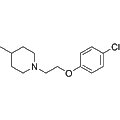
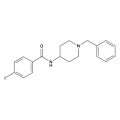
4-IBP
4-IBP is a selective ς1 agonist with a high level of affinity for the ς1 receptor (Ki = 1.7 nM) and a moderate affinity for the ς2 receptor (Ki = 25.2 nM) .
Search by product name, CAS, target or catalog number. Press Down Arrow to reach product suggestions, Tab to move between links, and Escape to close suggestions.
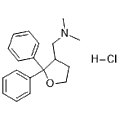
Sigma receptor ligands bind sigma-1 and sigma-2 receptors, two unrelated proteins that are not G protein-coupled. The sigma-1 receptor was cloned in 1996 and resembles a yeast sterol isomerase more than any known mammalian receptor. It resides mainly in the endoplasmic reticulum, and its 2016 crystal structure showed a trimer with one transmembrane helix per protomer. The gene for the sigma-2 receptor was identified in 2017 as transmembrane protein 97 (TMEM97). Cutamesine (SA4503) dihydrochloride, 4-IBP and pentoxyverine citrate are sigma-1 agonists, whereas S1RA and BD-1047 2HBr are sigma-1 antagonists. Siramesine is a sigma-2 agonist, and UMB24 a sigma-2 antagonist.
4-IBP is a selective ς1 agonist with a high level of affinity for the ς1 receptor (Ki = 1.7 nM) and a moderate affinity for the ς2 receptor (Ki = 25.2 nM) .
Synonyms: Lu 28-179
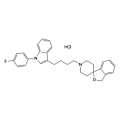
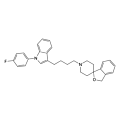
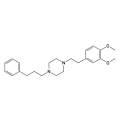
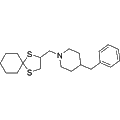
Siramesine Hydrochloride is a selective sigma-2 receptor agonist, which has been shown to trigger cell death of cancer cells and to exhibit a potent anticancer activity in vivo.
Synonyms: AGY-94806; Cutamesine; SA4503 dihydrochloride
SA4503 is a selective sigma 1 receptor(ς1R) agonist; high affinity for the sigma 1 receptor subtype labeled by (+)-[3H]pentazocine (IC50 = 17.4 +/- 1.9 nM); 100-fold less affinity for the sigma 2 receptor.
Synonyms: Lu 28-179
Anti-cancer agent siramesine is a lysosomotropic detergent that induces cytoprotective autophagosome accumulation.
Synonyms: (S,R)-Noscapine
Noscapine is an orally administrable drug used worldwide for cough suppression, primarily mediated by its sigma receptor agonist activity, and possess anticancer activity.
Synonyms: Carbetapentane citrate
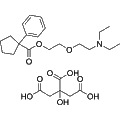
Pentoxyverine citrate is a sigma-1 receptor agonist that effectively crosses the blood-brain barrier. With binding affinities of 41 nM for σ1, it demonstrates potent antitussive, anticonvulsant, and spasmolytic activities. This compound is utilized in research for its ability to inhibit bronchial interceptor activity, attenuate cough reflex, relax bronchial smooth muscle, and reduce airway resistance, making it valuable in the study of respiratory conditions.
Synonyms: Anavex-273
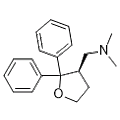
Anavex2-73 is a muscarinic/moderate sigma1 receptor agonist that alleviated the scopolamine- and dizocilpine-induced learning impairments. CAS: 195615-83-9 (Free base) 195615-84-0 (HCl)
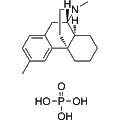
Dimemorfan phosphate is a selective sigma 1 receptor agonist, known for its significant antitussive properties. This compound has been explored in research for its potential therapeutic effects on cough suppression and its implications in neurological disorders. Its pharmacological profile makes Dimemorfan phosphate a valuable tool for studies investigating sigma receptor functions and related signaling pathways.
Synonyms: AE-37; AVex-73; Anavex-2-73
Blarcamesine, also known as AVex-73 and AE-37, is a muscarinic M1 agonist potentially for the treatment of Alzheimer's disease. It is an ς receptor ligand.
Synonyms: SA4503; AGY 94806
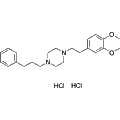
Cutamesine (SA4503; AGY-94806) is a selective sigma 1 receptor(??1R) agonist; high affinity for the sigma 1 receptor subtype labeled by (+)-[3H]pentazocine (IC50= 17.4±1.9 nM); 100-fold less affinity for the sigma 2 receptor.
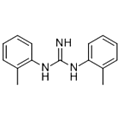
Synonyms: 1,3-Di-o-tolylguanidine; DTG
Ditolylguanidine (1,3-Di-o-tolylguanidine) is an agonist of sigma receptor (??1/??2 receptor).
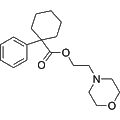
PRE-084 is a selective agonist of the σ1 receptor (S1R), exhibiting an IC50 of 44 nM. This compound demonstrates significant neuroprotective effects and enhances motor function and motor neuron survival in murine models. Additionally, PRE-084 has been shown to mitigate myocardial ischemia-reperfusion injury in rat models through the activation of the Akt-eNOS signaling pathway, highlighting its potential for various therapeutic applications in neurological and cardiac research.
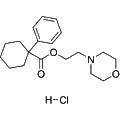
PRE-084 hydrochloride is a highly selective agonist for the sigma-1 receptor (S1R), exhibiting an IC50 value of 44 nM. This compound demonstrates significant neuroprotective effects, enhancing motor function and promoting motor neuron survival in murine models. Additionally, PRE-084 hydrochloride mitigates myocardial ischemia-reperfusion injury in rats by activating the Akt-eNOS signaling pathway, making it a valuable tool for research in neurodegenerative diseases and cardiac protection.
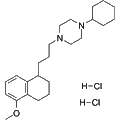
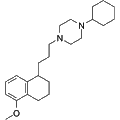
PB28 dihydrochloride is a potent σ2 receptor agonist, exhibiting high affinity with a Ki of 0.68 nM, and also acts as a σ1 antagonist with a Ki of 0.38 nM. This compound demonstrates significant biological activity by inhibiting electrically evoked twitch responses in guinea pig bladder and ileum, with EC50 values of 2.62 μM and 3.96 μM, respectively. PB28 dihydrochloride has been shown to modulate SARS-CoV-2-human protein-protein interactions, induce caspase-independent apoptosis, and display antitumor effects, making it a valuable tool for research in neuropharmacology and cancer biology.
BS148 is a selective agonist for the sigma-2 receptor (S2R) with a binding affinity (Ki) of 20 nM and shows over 80-fold selectivity for S2R compared to S1R. This compound activates the endoplasmic reticulum stress response by upregulating key genes such as protein kinase R-like ER kinase (PERK), activating transcription factor 4 (ATF4), and C/EBP homologous protein (CHOP), leading to apoptosis in melanoma cells. Additionally, BS148 downregulates cholesterol-related genes and activates the MAPK signaling pathway, making it a valuable tool for melanoma research.
Out of stock
All 3 sizes
PB28 is a selective sigma 2 (σ2) receptor agonist, exhibiting a high affinity with a Ki value of 0.68 nM, and also acts as a σ1 antagonist (Ki = 0.38 nM). This compound demonstrates significant biological activity by inhibiting electrically evoked contractions in guinea pig bladder and ileum, with EC50 values of 2.62 μM and 3.96 μM, respectively. PB28 is also noted for its ability to modulate SARS-CoV-2-human protein interactions and induces caspase-independent apoptosis, showcasing its potential in antitumor research applications.
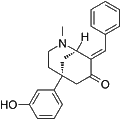
CB-64D is a dual agonist of sigma receptor 1 and sigma receptor 2, exhibiting Ki values of 16.5 nM and 3063 nM, respectively. It has been shown to induce apoptosis in SK-N-SH cancer cells, highlighting its potential role in cancer research. This compound can serve as a valuable tool for investigating the biological functions of sigma receptors and their implications in various pathologies.
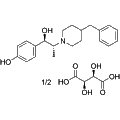
threo-Ifenprodil hemitartrate is a sigma (σ) receptor agonist, exhibiting Kis of 59.1 nM and 2 nM for σ1 and σ2 receptors, respectively. This compound also acts as a NR2B subunit-selective NMDA receptor antagonist, with an IC50 of 0.22 μM, and demonstrates inhibition of the hERG potassium channel with an IC50 of 88 nM, indicating potential antiarrhythmic activity. threo-Ifenprodil hemitartrate serves as a valuable tool in neuropharmacology and cardiovascular research.
S1R Agonist 3 is a highly selective sigma-1 receptor (S1R) agonist with a binding affinity (Ki) of 1.5 nM. It demonstrates the capability to reduce hyperlocomotion in wfs1abKO zebrafish larvae while leaving locomotion unaltered in wildtype wfs1abWT zebrafish. Additionally, S1R Agonist 3 effectively reverses learning and memory deficits induced by the Aβ25-35 peptide, highlighting its potential utility in Alzheimer’s disease research.
Out of stock
All 3 sizes
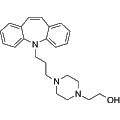
Synonyms: Ensidon; G-33040
Opipramol is a sigma (σ) receptor agonist that exhibits potent interaction with sigma recognition sites, demonstrating a Ki value of 50 nM. This atypical tricyclic antidepressant (TCA) is primarily utilized in research focused on generalized anxiety disorder (GAD). Its mechanism of action may contribute to modulating anxiety-related behaviors, making it a valuable compound for studies investigating novel therapeutic approaches in anxiety disorders.
S1R Agonist 1 is a selective sigma-1 receptor (S1R) agonist, demonstrating a binding affinity (Ki) of 0.93 nM for S1R and 72 nM for S2R. This compound exhibits neuroprotective effects against reactive oxygen species (ROS) and N-methyl-D-aspartate (NMDA)-induced neurotoxicity. It is useful in research applications aimed at understanding neurodegenerative diseases and neuroprotection mechanisms.
S1R agonist 1 hydrochloride is a selective agonist of the sigma-1 receptor (S1R), demonstrating a binding affinity with a Ki of 0.93 nM for S1R and 72 nM for the sigma-2 receptor (S2R). This compound displays neuroprotective properties against reactive oxygen species (ROS) and NMDA-induced neurotoxicity. S1R agonist 1 hydrochloride is applicable in research focused on neurodegenerative conditions and the modulation of cellular stress responses.
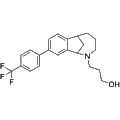
UKH-1114 is a selective agonist for the sigma-2 receptor, specifically targeting TMEM97, with affinities of 1279 nM and 46 nM for σ1R and σ2R/TMEM97, respectively. This compound demonstrates remarkable selectivity, displaying minimal affinity for over 50 other receptors and ion channels. UKH-1114 has been shown to effectively alleviate mechanical hypersensitivity induced by spared nerve injury (SNI) while minimizing the risk of motor impairment. It serves as a valuable tool for investigating mechanisms of neuropathic pain.
S1R Agonist 2 is a selective sigma-1 receptor (S1R) agonist, demonstrating a binding affinity of 1.1 nM for S1R and 88 nM for sigma-2 receptor (S2R). This compound exhibits significant neuroprotective effects against reactive oxygen species (ROS) and N-methyl-D-aspartate (NMDA)-induced neurotoxicity. Due to its targeted action on the S1R, S1R Agonist 2 is valuable for research focusing on neurodegenerative diseases and neuronal protection mechanisms.
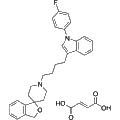
Synonyms: LU-28-179 fumarate
Siramesine fumarate is a potent sigma-2 receptor agonist with a subnanomolar affinity for sigma-2 receptors (IC50 = 0.12 nM) and a 140-fold selectivity over sigma-1 receptors (IC50 = 17 nM). This compound induces cell death through the destabilization of mitochondria without affecting lysosomes. Siramesine fumarate has demonstrated significant anti-cancer activity, making it a valuable tool for research in cancer therapeutics and the study of sigma receptor biology.