Carbohydrates & Glycobiology

Carbohydrates for glycobiology research range from sugars and sugar alcohols to amino sugars and polysaccharides. Sugar alcohols such as D-Sorbitol and maltitol are used as osmotic agents, stabilizers and enzyme substrates. Among the sugars, lactulose is a synthetic disaccharide built from galactose and fructose. Glucosamine and its salts represent the amino sugars, which are building blocks of glycosaminoglycans and chitin. Polysaccharides include hyaluronic acid, a glycosaminoglycan of the extracellular matrix, and chitosan, the deacetylated form of chitin. Protected sugars such as D-Xylofuranose, 1,2,3,5-tetraacetate serve as starting materials for nucleoside synthesis. The category belongs to Biochemical Assay Reagents, next to Acyl-CoA & Cofactors and Chelators & Bifunctional Chelators.

Items 51-75 of 1090

  • Sialyl lewis x-lactose
    Cat. No.
    A73272

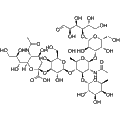
    Sialyl lewis x-lactose

    Sialyl Lewis X-Lactose is a biochemical reagent primarily utilized in assays to study carbohydrate-protein interactions. This compound serves as a ligand for selectin proteins, playing a crucial role in cell adhesion and inflammation processes. It is widely applied in research areas such as cancer biology, immunology, and glycoscience, enabling the exploration of cellular signaling pathways and disease mechanisms.

    Out of stock

    All 3 sizes
  • Difucosyl-para-lacto-N-hexaose
    Cat. No.
    A73395

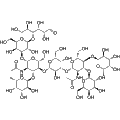
    Difucosyl-para-lacto-N-hexaose

    Difucosyl-para-lacto-N-hexaose II (DFpLNH II) serves as a valuable biochemical assay reagent. This compound exhibits significant biological activity in glycan-related research, facilitating the study of glycoprotein interactions and cellular signaling pathways. Its application extends to various life science investigations, aiding in the understanding of glycan functions and their implications in biological systems.

    Out of stock

    All 3 sizes
  • Galactose 1-phosphate uridylyltransferase
    Cat. No.
    A73532

    Galactose 1-phosphate uridylyltransferase

    Galactose 1-phosphate uridylyltransferase (GALT) is a critical enzyme that catalyzes the conversion of galactose-1-phosphate into uridine diphosphate galactose, playing a pivotal role in the Leloir pathway of galactose metabolism. Deficiency of GALT is linked to classic galactosemia, making this enzyme significant for metabolic disease studies. Research involving GALT can enhance the understanding of galactose metabolism and its associated disorders.

    Out of stock

    All 3 sizes
  • L-4-Aminoarabinose-bactoprenyl phosphate
    Cat. No.
    A73739

    L-4-Aminoarabinose-bactoprenyl phosphate

    Synonyms: L-4-Aminoarabinose-BP

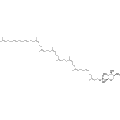
    L-4-Aminoarabinose-bactoprenyl phosphate (L-4-Aminoarabinose-BP) is a substrate of the ArnT enzyme, involved in the modification of lipid A through covalent modifications. This reagent facilitates the transfer of L-4-aminoarabinose (Ara4N) to lipid A in lipopolysaccharides (LPS), aiding Gram-negative bacteria in acquiring resistance to cationic antimicrobial peptides (CAMPs). As an endogenous intermediate synthesized by enzymes from the arn operon, such as ArnC and ArnD, L-4-Aminoarabinose-bactoprenyl phosphate plays a crucial role in understanding bacterial resistance mechanisms.

    Out of stock

    All 3 sizes
  • L-Lyxose
    Cat. No.
    A73764

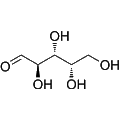
    L-Lyxose

    Synonyms: L(+) LYXOSE extrapure

    L-Lyxose is a five-carbon aldose sugar that serves as a vital biochemical assay reagent. It is primarily utilized in the study of carbohydrate metabolism and as a substrate in various enzymatic assays. Additionally, L-Lyxose plays a role in research related to glycosylation and cell signaling, aiding in the exploration of various biological processes.

    50 mg
    $40.00
    100 mg
    $70.00
    All 4 sizes
  • UDP-xylose
    Cat. No.
    A74092

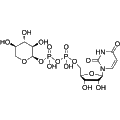
    UDP-xylose

    UDP-xylose is a fundamental sugar nucleotide that acts as a catalytic substrate for UDP-xylose synthase (UXS). As a key sugar donor, it facilitates the synthesis of glycoproteins, polysaccharides, oligosaccharides, and various metabolites in plants, vertebrates, and fungi. UDP-xylose is crucial in the biosynthesis of proteoglycans and plays a significant role in the regulation of extracellular matrix components. This reagent is valuable for research in glycobiology, particularly in studying proteoglycan biosynthesis and associated connective tissue disorders.

    5 mg
    $230.00
    All 1 sizes
  • Isomaltotriose
    Cat. No.
    A74535

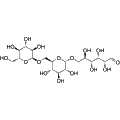
    Isomaltotriose

    Isomaltotriose is a trisaccharide derived from the enzymatic hydrolysis of dextran sourced from Leuconostoc mesenteroides NRRL B-512. This compound serves as a fermentable substrate in various biochemical assays and is utilized in studies investigating carbohydrate metabolism and microbial fermentation processes. Its application in research extends to understanding the role of oligosaccharides in food science and the development of prebiotics.

    5 mg
    $30.00
    10 mg
    $50.00
    All 6 sizes
  • ADP-specific glucokinase, pyrococcus furiosus
    Cat. No.
    A74944

    ADP-specific glucokinase, pyrococcus furiosus

    Synonyms: ADP-dependent hexokinase; pyrococcus furiosus

    ADP-Specific Glucokinase from Pyrococcus furiosus is an enzyme that specifically phosphorylates glucose into glucose-6-phosphate using ADP as a co-substrate, thereby facilitating glycolytic pathways. This enzyme demonstrates significant biological activity, including the activation of T-cells and enhancement of macrophage phagocytic functions. Applications of ADP-Specific Glucokinase encompass research in metabolic diseases, neurological disorders, and cancer studies, providing insights into glucose metabolism and immune responses.

    Out of stock

    All 3 sizes
  • UDP-GalNAz disodium
    Cat. No.
    A75027

    UDP-GalNAz disodium

    Synonyms: UDP-N-azidoacetylgalactosamine disodium

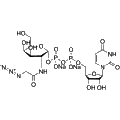
    UDP-GalNAz disodium is an analogue of UDP-GalNAc disodium, serving as a donor substrate for N-acetylgalactosaminyltransferases, which facilitate the transfer of GalNAc to various saccharide or peptide acceptors. This compound features an azide group, making it a valuable reagent for click chemistry applications. UDP-GalNAz disodium can participate in copper-catalyzed azide-alkyne cycloaddition (CuAAc) reactions with alkyne-bearing molecules, as well as strain-promoted alkyne-azide cycloaddition (SPAAC) reactions involving DBCO or BCN groups. It is useful in the study of glycosylation pathways and the synthesis of complex glycoproteins.

    5 mg
    $345.00
    10 mg
    $555.00
    All 2 sizes
  • 1-Thio-β-D-glucose sodium
    Cat. No.
    A76108

    1-Thio-β-D-glucose sodium

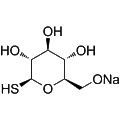
    1-Thio-β-D-glucose sodium is a biochemical reagent that exhibits self-assembling properties to form hydrophilic monolayers with metal surfaces. This compound stabilizes lipid bilayers, enhancing membrane integrity, and offers protection to proteins against denaturation. Its unique characteristics make it valuable in studies involving biomolecular interactions and membrane biophysics.

    25 mg
    $50.00
    50 mg
    $75.00
    All 6 sizes
  • Methyl 3,5-di-O-benzyl-D-ribofuranoside
    Cat. No.
    A76731

    Methyl 3,5-di-O-benzyl-D-ribofuranoside

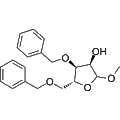
    Methyl 3,5-di-O-benzyl-D-ribofuranoside is a sugar derivative that serves as a substrate in various biochemical applications. This compound enhances mitochondrial oxygen consumption, making it valuable for studies related to mitochondrial function and energy metabolism. It can be used in research focused on cellular respiration and the role of carbohydrates in bioenergetics.

    Out of stock

    All 3 sizes
  • CMP-sialic acid synthetase (NmCSS)
    Cat. No.
    A77844

    CMP-sialic acid synthetase (NmCSS)

    CMP-sialic acid synthetase (NmCSS) is a critical enzyme that catalyzes the conversion of free sialic acid into CMP-sialic acid, the sole substrate for sialyltransferases. This enzymatic activity is vital for the biosynthesis of glycoconjugates and other carbohydrate structures that incorporate sialic acids. NmCSS is an important target for research in glycobiology and offers applications in the study of cell signaling, infection mechanisms, and the development of therapeutic strategies.

    50 mg
    $110.00
    200 mg
    $220.00
    All 2 sizes
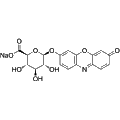
  • Resorufin β-D-glucuronide sodium
    Cat. No.
    A78194

    Resorufin β-D-glucuronide sodium

    Resorufin β-D-glucuronide sodium serves as a substrate for the enzyme β-glucuronidase, facilitating the assessment of enzyme activity in various biochemical assays. This compound is particularly valuable for studies involving drug metabolism, pharmacokinetics, and the investigation of glucuronidation processes. Its utility in fluorescence-based assays allows for sensitive detection and quantification of β-glucuronidase activity in biological samples.

    Out of stock

    All 3 sizes
  • Sodium carboxymethyl cellulose (Viscosity:800-1200 mPa.s)
    Cat. No.
    A86380

    Sodium carboxymethyl cellulose (Viscosity:800-1200 mPa.s)

    Synonyms: CMC-Na (Viscosity:800-1200 mPa.s)

    Sodium carboxymethyl cellulose is a cellulose derivative that serves as a versatile biochemical assay reagent. This compound acts primarily as a thickening agent due to its viscosity range of 800-1200 mPa.s, making it effective in various laboratory applications. It is commonly utilized in formulations as a stabilizer, emulsifier, and barrier agent in scientific research.

    100 mg
    $25.00
    500 mg
    $30.00
    All 8 sizes
  • IPTG
    Cat. No.
    A86381

    IPTG

    Synonyms: Isopropyl β-D-thiogalactoside

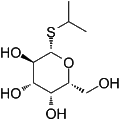
    IPTG (Isopropyl β-D-1-thiogalactopyranoside) acts as a molecular mimic of allolactose and serves as an inducer of the lac operon. This compound effectively triggers transcription in systems where gene expression is regulated by the lac operator, enabling controlled protein expression in biological research. IPTG is widely utilized in molecular biology and recombinant protein studies to regulate the activity of target genes within prokaryotic expression systems.

    500 mg
    $35.00
    1 g
    $40.00
    All 5 sizes
  • Methyl cellulose(Viscosity:100000mPa.s)
    Cat. No.
    A86396

    Methyl cellulose(Viscosity:100000mPa.s)

    Synonyms: MC(Viscosity:100000mPa.s)

    Methyl Cellulose (Viscosity: 100000 mPa.s) is a non-ionic cellulose ether that exhibits surface activity and thermogelation properties. This reagent serves as an effective polymer for various applications including drug delivery systems, thickening agents, and stabilizers in pharmaceutical formulations, food products, cosmetic formulations, and construction materials. Its versatile nature makes it a valuable component in both research and industrial settings.

    100 mg
    $20.00
    500 mg
    $35.00
    All 5 sizes
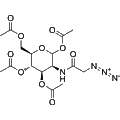
  • Ac4ManNAz (80% α isomer)
    Cat. No.
    A86397

    Ac4ManNAz (80% α isomer)

    Ac4ManNAz is a specialized glycoprotein labeling reagent that incorporates an azide group for selective protein modification. Its primary application lies in cell labeling, tracking, and proteomic analysis. Ac4ManNAz facilitates click chemistry through copper-catalyzed azide-alkyne cycloaddition (CuAAc) reactions with alkynes and engages in strain-promoted alkyne-azide cycloaddition (SPAAC) with DBCO or BCN groups, making it a versatile tool for probing glycoprotein dynamics in biological systems.

    2 mg
    $25.00
    5 mg
    $40.00
    All 6 sizes
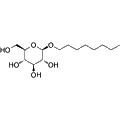
  • n-Octyl β-D-glucopyranoside
    Cat. No.
    A86406

    n-Octyl β-D-glucopyranoside

    n-Octyl β-D-glucopyranoside is a non-ionic detergent primarily used for the solubilization and crystallization of membrane proteins in biochemical and biotechnical research. It effectively disrupts lipid bilayers, facilitating protein extraction while maintaining protein functionality. Additionally, n-Octyl β-D-glucopyranoside has been shown to completely inhibit cavitation-induced cell lysis in vitro, making it a valuable tool for studies involving cell membrane dynamics and protein interaction analyses.

    100 mg
    $25.00
    200 mg
    $30.00
    All 5 sizes
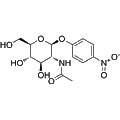
  • 4-Nitrophenyl-N-acetyl-β-D-glucosaminide
    Cat. No.
    A86407

    4-Nitrophenyl-N-acetyl-β-D-glucosaminide

    4-Nitrophenyl-N-acetyl-β-D-glucosaminide serves as a substrate for N-acetyl-beta-D-hexosaminidase (NAGase), facilitating precise and efficient enzymatic assays for this target. Its high solubility and stability make it an ideal choice for biochemical studies. This compound is particularly valuable in research applications focused on renal tubular injury and related pathophysiological conditions.

    100 mg
    $25.00
    200 mg
    $30.00
    All 4 sizes
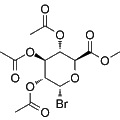
  • Acetobromo-α-D-glucuronic acid methyl ester, 98%
    Cat. No.
    A86430

    Acetobromo-α-D-glucuronic acid methyl ester, 98%

    Synonyms: Acetobromo-alpha-D-glucuronic acid methyl ester; 98%

    Acetobromo-α-D-glucuronic acid methyl ester is a glucuronosyl donor that facilitates glycosylation reactions. This compound is primarily utilized in the synthesis of various glycosides and other complex carbohydrates, enabling researchers to explore carbohydrate chemistry and related biological processes. Its high purity supports reliable and reproducible experimental outcomes in chemical research applications.

    10 g
    $25.00
    25 g
    $45.00
    All 4 sizes
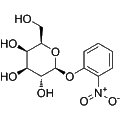
  • ONPG
    Cat. No.
    A86445

    ONPG

    Synonyms: 2-Nitrophenyl β-D-galactopyranoside

    ONPG (o-nitrophenyl-β-D-galactopyranoside) serves as a colorimetric and spectrophotometric substrate for β-galactosidase detection. This compound is hydrolyzed by β-galactosidase to release o-nitrophenol, resulting in a measurable color change, making it useful for quantifying enzyme activity in various biological assays. Its applications extend to molecular biology, microbiology, and enzymology research, facilitating studies on gene expression and metabolic functions.

    500 mg
    $25.00
    1 g
    $30.00
    All 3 sizes
  • Hydroxyethyl starch (MW170-230 kDa)
    Cat. No.
    A86484

    Hydroxyethyl starch (MW170-230 kDa)

    Hydroxyethyl starch (MW 170-230 kDa) is a biochemical reagent primarily utilized for its role as a volume expander in intravenous therapy. This medium-molecular-weight hydroxyethyl starch exhibits minimal intravascular hydrolysis, ensuring stable blood volume maintenance. Notably, it enhances hemorheological parameters while minimizing coagulation disorders, making it valuable for research in fluid resuscitation and hemodynamic studies.

    1 mg
    $20.00
    25 g
    $25.00
    All 5 sizes
  • Agarose,Low melting point
    Cat. No.
    A86501

    Agarose,Low melting point

    Low Melting Point Agarose is a polysaccharide derived from seaweed, primarily utilized as a biochemical assay reagent. Its unique property of lower gelation temperature makes it ideal for the recovery of large DNA fragments and for enzymatic reactions within gel matrices. This agarose is especially valuable in molecular biology techniques such as pulsed field gel electrophoresis and capillary electrophoresis, facilitating the analysis and purification of nucleic acids.

    100 mg
    $25.00
    250 mg
    $40.00
    All 3 sizes
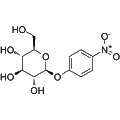
  • 4-Nitrophenyl β-D-glucopyranoside
    Cat. No.
    A86538

    4-Nitrophenyl β-D-glucopyranoside

    4-Nitrophenyl β-D-glucopyranoside is a chromogenic substrate specifically designed for β-galactosidase assays. Upon hydrolysis, it releases p-nitrophenol, which can be quantifiably measured spectrophotometrically at 405 nm. This reagent facilitates the understanding of enzyme activity and has potential applications in research related to postmenopausal osteoporosis. Its intramolecular nucleophilic catalysis by the phosphate group at the 2-position enhances its utility in enzymatic studies.

    500 mg
    $40.00
    1 g
    $45.00
    All 3 sizes
  • CM Cellulose CM-32
    Cat. No.
    A86551

    CM Cellulose CM-32

    Synonyms: Carboxymethyl cellulose CM-32; CM-32

    CM Cellulose CM-32 (Carboxymethyl cellulose) functions as a biochemical assay reagent, primarily utilized in various biomedical applications. This cellulose derivative shows significant promise in tissue engineering, wound dressing, and the creation of absorbent nonwovens, as well as in the fabrication of three-dimensional scaffolds for biocompatible implants and artificial organs. Additionally, CM Cellulose CM-32 has been demonstrated to inhibit osteoclast formation, making it valuable for research related to bone health and disease diagnosis.

    5 g
    $20.00
    10 g
    $30.00
    All 3 sizes

Items 51-75 of 1090

Added to your cart

View Cart Checkout

    Loading...