Carbohydrates & Glycobiology

Carbohydrates for glycobiology research range from sugars and sugar alcohols to amino sugars and polysaccharides. Sugar alcohols such as D-Sorbitol and maltitol are used as osmotic agents, stabilizers and enzyme substrates. Among the sugars, lactulose is a synthetic disaccharide built from galactose and fructose. Glucosamine and its salts represent the amino sugars, which are building blocks of glycosaminoglycans and chitin. Polysaccharides include hyaluronic acid, a glycosaminoglycan of the extracellular matrix, and chitosan, the deacetylated form of chitin. Protected sugars such as D-Xylofuranose, 1,2,3,5-tetraacetate serve as starting materials for nucleoside synthesis. The category belongs to Biochemical Assay Reagents, next to Acyl-CoA & Cofactors and Chelators & Bifunctional Chelators.

Items 76-100 of 1090

  • DEAE-dextran (MW 500000)
    Cat. No.
    A86574

    DEAE-dextran (MW 500000)

    Synonyms: Diethylaminoethyl dextran (MW 500000)

    DEAE-Dextran (MW 500000) is a cationic carbohydrate polymer modified with diethylaminoethyl (DEAE) groups, facilitating the transfection of nucleic acids, including DNA and RNA, into cells. Its positive charge enhances interaction with negatively charged cell membranes, promoting efficient uptake. Additionally, DEAE-Dextran serves as an ion-exchange chromatography resin, enabling the separation and purification of biomolecules based on charge properties. This reagent is widely utilized in biochemical assays and molecular biology applications.

    100 mg
    $20.00
    500 mg
    $35.00
    All 7 sizes
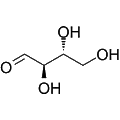
  • D-Erythrose (50% in water)
    Cat. No.
    A86588

    D-Erythrose (50% in water)

    D-Erythrose is a four-carbon aldose sugar that serves as a critical biochemical assay reagent. It functions as a key intermediate in several metabolic pathways, particularly in the biosynthesis of amino acids and nucleotides. Additionally, D-Erythrose is involved in the pentose phosphate pathway, contributing to the generation of reducing equivalents necessary for biosynthetic reactions and providing cellular defense against oxidative stress.

    50 mg
    $25.00
    100 mg
    $40.00
    All 3 sizes
  • Chitinase, Streptomyces griseus
    Cat. No.
    A86607

    Chitinase, Streptomyces griseus

    Synonyms: AMCase; Streptomyces griseus

    Chitinase from Streptomyces griseus is a chitin-targeting enzyme that exhibits robust chitin hydrolysis activity. This enzyme is known to inhibit chitin-induced innate type 2 inflammation in the lungs while enhancing allergen-induced Th2 responses in a chitin-free environment. Chitinase plays a significant role in mediating the effector functions of IL-13, making it a valuable tool for research in innate immunity and allergic inflammation pathways.

    1 g
    $95.00
    5 g
    $235.00
    All 2 sizes
  • Cross-linked dextran LH 20
    Cat. No.
    A86673

    Cross-linked dextran LH 20

    Cross-linked dextran LH 20 serves as a dextran gel for the isolation and purification of various natural compounds. It demonstrates effective separation of components such as pigments, flavonoids, and bioactive compounds from sources including red wine. This reagent is suitable for applications in food science, natural product research, and analytical chemistry, facilitating the study of complex mixtures through enhanced resolution and selectivity.

    5 g
    $45.00
    10 g
    $80.00
    All 3 sizes
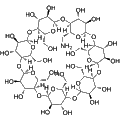
  • 6-Amino-6-deoxy-β-cyclodextrin
    Cat. No.
    A86678

    6-Amino-6-deoxy-β-cyclodextrin

    6-Amino-6-deoxy-β-cyclodextrin is a cyclodextrin derivative that serves as a versatile building block for the synthesis of other cyclodextrin derivatives. This compound functions as a chiral selector, facilitating the chiral separation of α-amino acid derivatives through capillary electrophoresis. Its unique structural properties make it an essential reagent for research applications in chiral analysis and pharmaceutical formulation development.

    100 mg
    $45.00
    250 mg
    $85.00
    All 4 sizes
  • 2,5-Anhydro-D-mannitol, 97%
    Cat. No.
    A86690

    2,5-Anhydro-D-mannitol, 97%

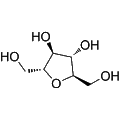
    2,5-Anhydro-D-mannitol is a biochemical assay reagent known for its ability to serve as an effective standard in carbohydrate analysis. This compound acts as a stabilizing agent in biochemical assays, facilitating accurate measurement of various carbohydrates. Its application extends to research involving glycosylation and carbohydrate metabolism, making it essential for studies in carbohydrate biochemistry.

    5 mg
    $25.00
    10 mg
    $45.00
    All 5 sizes
  • X-alpha-Gal
    Cat. No.
    A86692

    X-alpha-Gal

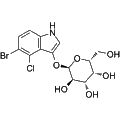
    X-alpha-Gal is a chromogenic substrate that targets β-galactopyranoside to efficiently screen for colonies exhibiting high β-galactosidase activity. Additionally, it serves as a detector for α-galactosidase activity. This reagent is valuable in yeast two-hybrid screening for the activation of the MEL1 gene, as well as in confirming protein interactions when used with Matchmaker GAL4-based products.

    10 mg
    $25.00
    25 mg
    $45.00
    All 4 sizes
  • α-Acetobromoglucose, contains 1% CaCO3 as stabilizer
    Cat. No.
    A86700

    α-Acetobromoglucose, contains 1% CaCO3 as stabilizer

    Synonyms: Acetobromo-α-D-glucose; contains 1% CaCO3 as stabilizer; Acetobromo-alpha-D-glucose

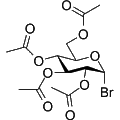
    α-Acetobromoglucose is a glycosyl donor known for its role in facilitating glycosylation reactions. This reagent is particularly useful in the synthesis of various active compounds, enhancing the efficiency of carbohydrate chemistry. The inclusion of 1% CaCO3 as a stabilizer ensures prolonged usability and stability during experimental procedures, making it suitable for a range of research applications in the field of synthetic organic chemistry.

    25 g
    $25.00
    All 1 sizes
  • 6-Alkynyl fucose
    Cat. No.
    A86709

    6-Alkynyl fucose

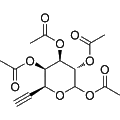
    6-Alkynyl fucose serves as a versatile click chemistry reagent, specifically designed for the study of protein O-fucosylation. Featuring a reactive alkyne group, it readily participates in copper-catalyzed azide-alkyne cycloaddition (CuAAc) with azide-containing molecules. This compound is invaluable for researchers investigating glycosylation processes and developing glycoprotein-based applications.

    5 mg
    $335.00
    10 mg
    $550.00
    All 5 sizes
  • Fructooligosaccharides
    Cat. No.
    A86715

    Fructooligosaccharides

    Synonyms: Oligolevulose

    Fructooligosaccharides are a class of prebiotic dietary fibers that enhance gut health by promoting the growth of beneficial intestinal bacteria. This compound is resistant to hydrolysis by digestive enzymes, allowing it to undergo fermentation in the colon. Research indicates that fructooligosaccharides not only support intestinal microbiota but also play a role in preventing bone loss in critical areas such as the femur and lumbar spine. They are commonly found in various foods, including breast milk, wheat, onions, garlic, honey, and bananas, making them an integral component of dietary studies focused on gut health and bone density.

    1 g
    $25.00
    5 g
    $35.00
    All 3 sizes
  • 3-O-Methyl-D-glucopyranose
    Cat. No.
    A86754

    3-O-Methyl-D-glucopyranose

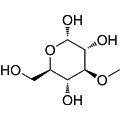
    3-O-Methyl-D-glucopyranose is a biochemical assay reagent that serves as a carbohydrate derivative commonly utilized in life science research. This compound functions as a substrate or standard in various assays, aiding in the study of glycan interactions and metabolic pathways. Its application extends to investigations of enzymatic activities and carbohydrate metabolism, making it an essential tool for researchers in biochemistry and molecular biology.

    250 mg
    $35.00
    1 g
    $65.00
    All 3 sizes
  • Sucrose monolaurate
    Cat. No.
    A86785

    Sucrose monolaurate

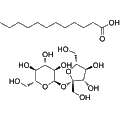
    Sucrose monolaurate is a glycolipid surfactant that primarily targets microbial cell membranes. It demonstrates significant inhibitory and bactericidal effects against various foodborne pathogens, particularly Gram-positive bacteria, by disrupting cell membrane permeability and interacting with bacterial DNA. Due to its ability to lower liquid surface tension, sucrose monolaurate also serves as a synergistic agent with chlorine-based disinfectants, enhancing the efficacy of pathogen removal from agricultural product surfaces. This compound is useful in food safety research and applications related to microbial control.

    100 mg
    $20.00
    250 mg
    $35.00
    All 5 sizes
  • Pyranose oxidase, Coriolus sp.
    Cat. No.
    A86801

    Pyranose oxidase, Coriolus sp.

    Pyranose oxidase from Coriolus sp. is an oxidoreductase that specifically targets monosaccharides, including D-glucose and D-galactose. This enzyme exhibits significant potential in biosensor development for the detection of glucose and 1,5-anhydroglucitol, as well as applications in biofuel cells. Its ability to facilitate electron transfer makes it valuable for biochemical research in these areas.

    1 mg
    $560.00
    All 1 sizes
  • Polysucrose 400
    Cat. No.
    A86802

    Polysucrose 400

    Polysucrose 400 is a synthetic polymer derived from sucrose, primarily utilized for the efficient isolation of cells and organelles. Its unique properties make it suitable for applications in cell separation and purification processes in biological research. This reagent facilitates the study of cellular mechanisms and enhances the understanding of organelle function.

    1 g
    $25.00
    5 g
    $35.00
    All 2 sizes
  • Blue dextran (MW 2000000)
    Cat. No.
    A86874

    Blue dextran (MW 2000000)

    Synonyms: Dextran blue (MW 2000000)

    Blue Dextran (MW 2000000) is a high molecular weight polysaccharide used primarily as a biochemical assay reagent. Its strong UV absorbance and unique properties make it suitable for applications such as gel filtration chromatography and as a tracer in various biological experiments. Blue Dextran enables researchers to study macromolecular interactions and dynamics in diverse life science applications.

    50 mg
    $30.00
    100 mg
    $45.00
    All 5 sizes
  • ADP-Glucose disodium
    Cat. No.
    A86949

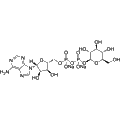
    ADP-Glucose disodium

    Synonyms: Adenosine-5'-diphosphoglucose disodium

    ADP-Glucose disodium is a critical biochemical assay reagent that serves as an immediate precursor for the biosynthesis of storage polysaccharides such as amylose and amylopectin in plants, green algae, and cyanobacteria. This compound facilitates the enzymatic synthesis of starch and other polysaccharides through the activity of enzymes like amylose synthase and starch synthase primarily in plastids. Although predominantly produced in plastids, ADP-Glucose can also be synthesized in the cytoplasm of certain grasses and subsequently transported into plastids by specialized membrane-bound transporters, making it essential for studying carbohydrate metabolism and storage processes in various organisms.

    5 mg
    $70.00
    10 mg
    $120.00
    All 5 sizes
  • 2,3,4,6-Tetra-O-benzyl-D-galactopyranose
    Cat. No.
    A86952

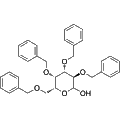
    2,3,4,6-Tetra-O-benzyl-D-galactopyranose

    Synonyms: 2,3,4,6-Tetra-O-Benzyl-D-galactose

    2,3,4,6-Tetra-O-benzyl-D-galactopyranose is a biochemical reagent utilized as a substrate in glycosylation reactions. It serves as a valuable tool for studying carbohydrate chemistry and enzyme kinetics, particularly in the context of galactoside synthesis. This compound is also applicable in various assays for exploring biochemical pathways involving galactose derivatives.

    1 g
    $60.00
    5 g
    $140.00
    All 3 sizes
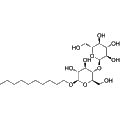
  • Decyl β-D-maltopyranoside
    Cat. No.
    A87010

    Decyl β-D-maltopyranoside

    Decyl β-D-maltopyranoside is a biochemical reagent that functions as a non-ionic surfactant. This compound is primarily utilized in membrane protein solubilization and stabilization, facilitating the study of membrane-associated biological activities. Its unique properties make it ideal for applications in structural biology, biochemistry, and drug discovery research.

    100 mg
    $25.00
    All 1 sizes
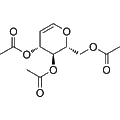
  • Tri-O-acetyl-D-glucal
    Cat. No.
    A87024

    Tri-O-acetyl-D-glucal

    Tri-O-acetyl-D-glucal is a biochemical reagent that serves as a versatile organic compound in life science research. It is primarily utilized in glycosylation reactions and carbohydrate chemistry studies. This compound facilitates the synthesis of glycosides and oligosaccharides, making it valuable for investigations in glycobiology and medicinal chemistry.

    25 g
    $25.00
    50 g
    $35.00
    All 4 sizes
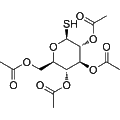
  • 1-Thio-beta-D-glucose tetraacetate
    Cat. No.
    A87060

    1-Thio-beta-D-glucose tetraacetate

    1-Thio-beta-D-glucose tetraacetate is a biochemical assay reagent known for its cytotoxic effects on HeLa cells and human ocular lens epithelium CECH, with IC50 values greater than 250 μM and 200 μM, respectively. This compound demonstrates moderate anticancer activity, making it a valuable tool for cancer research and cell viability studies. Its ability to influence cellular processes positions it as a useful reagent for exploring therapeutic strategies in oncological investigations.

    100 mg
    $30.00
    250 mg
    $90.00
    All 4 sizes
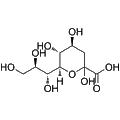
  • 3-Deoxy-D-glycero-D-galacto-2-nonulosonic acid
    Cat. No.
    A87180

    3-Deoxy-D-glycero-D-galacto-2-nonulosonic acid

    Synonyms: KDN

    3-Deoxy-D-glycero-D-galacto-2-nonulosonic acid (KDN) is a unique form of sialic acid that plays a vital role in cellular interactions and signaling. It is susceptible to hydrolysis by sialidase enzymes, particularly from the loach (Misgurnus fossilis), which can be utilized in biochemical studies. KDN's distinctive structural features make it valuable for research in glycobiology, immunology, and the exploration of glycan-related processes.

    5 mg
    $125.00
    10 mg
    $165.00
    All 4 sizes
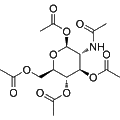
  • β-D-Glucopyranose,2-(acetylamino)-2-deoxy,1,3,4,6-tetraacetate
    Cat. No.
    A87212

    β-D-Glucopyranose,2-(acetylamino)-2-deoxy,1,3,4,6-tetraacetate

    β-D-Glucopyranose, 2-(acetylamino)-2-deoxy, 1,3,4,6-tetraacetate is a specialized biochemical reagent utilized in glycobiology research. This compound facilitates the study of carbohydrate structures, their biosynthesis, and the enzymatic pathways involved in glycan metabolism and recognition. Its applications extend to both basic research and biomedicine, providing insights into the roles glycans play in various biological processes and their implications for therapeutic development.

    1 g
    $20.00
    5 g
    $35.00
    All 6 sizes
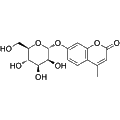
  • 4-Methylumbelliferyl-α-d-mannoside
    Cat. No.
    A87217

    4-Methylumbelliferyl-α-d-mannoside

    Synonyms: 4-Methylumbelliferyl-alpha-d-mannoside

    4-Methylumbelliferyl-α-D-mannoside is a fluorescent substrate specifically designed for the detection of α-D-mannosidase activity. Upon hydrolysis by the enzyme, it yields a fluorescent product that can be readily quantified, making it valuable in studying α-D-mannosidase activity in various biological samples. This compound is widely utilized in enzymatic assays, providing insights into the enzymatic processes involving mannose-containing glycoproteins.

    5 mg
    $40.00
    25 mg
    $1,275.00
    All 4 sizes
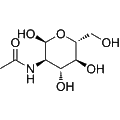
  • N-Acetyl-α-D-glucosamine
    Cat. No.
    A87239

    N-Acetyl-α-D-glucosamine

    N-Acetyl-α-D-glucosamine is a biochemical assay reagent that serves as a substrate for various enzymes, including glycosyltransferases. It plays a crucial role in cellular processes such as glycosylation and cell signaling. This compound is widely utilized in research focused on carbohydrate metabolism, cell biology, and the study of glycoconjugates.

    500 mg
    $20.00
    1 g
    $30.00
    All 2 sizes
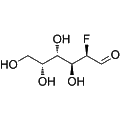
  • 2-Deoxy-2-fluoro-D-galactose
    Cat. No.
    A87242

    2-Deoxy-2-fluoro-D-galactose

    2-Deoxy-2-fluoro-D-galactose is a biochemical reagent utilized in glycobiology research, focusing on the study of carbohydrate structure and function. This compound acts as a glucose analog, impacting glycan biosynthesis and enabling the investigation of glycan recognition processes. Its applications span across basic research, biomedicine, and biotechnology, facilitating insights into sugar metabolism and its implications in various biological systems.

    10 mg
    $170.00
    25 mg
    $320.00
    All 4 sizes

Items 76-100 of 1090

Added to your cart

View Cart Checkout

    Loading...