Carbohydrates & Glycobiology

Carbohydrates for glycobiology research range from sugars and sugar alcohols to amino sugars and polysaccharides. Sugar alcohols such as D-Sorbitol and maltitol are used as osmotic agents, stabilizers and enzyme substrates. Among the sugars, lactulose is a synthetic disaccharide built from galactose and fructose. Glucosamine and its salts represent the amino sugars, which are building blocks of glycosaminoglycans and chitin. Polysaccharides include hyaluronic acid, a glycosaminoglycan of the extracellular matrix, and chitosan, the deacetylated form of chitin. Protected sugars such as D-Xylofuranose, 1,2,3,5-tetraacetate serve as starting materials for nucleoside synthesis. The category belongs to Biochemical Assay Reagents, next to Acyl-CoA & Cofactors and Chelators & Bifunctional Chelators.

Items 26-50 of 1090

  • 2-Amino-2-deoxyglucose hydrochloride
    Cat. No.
    A66986

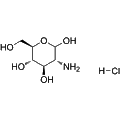
    2-Amino-2-deoxyglucose hydrochloride

    Synonyms: D-Glucosamine Hydrochloride

    2-Amino-2-deoxyglucose hydrochloride is a glucose analog that serves as a substrate for the GLUT1 transporter. It exhibits significant potential as a tumor-targeting ligand and a component in the fabrication of prodrug conjugates, facilitating targeted drug delivery to cancer cells. This reagent is valuable in diagnostic imaging and evaluating therapeutic outcomes in solid tumors, including breast cancer and glioblastoma. Additionally, it contributes to investigations into bacterial resistance mechanisms, particularly by incorporating into the peptidoglycan of Streptococcus pneumoniae, aiding in the evasion of lysozyme digestion. This compound is essential for research in tumor metabolism and antibiotic resistance studies.
    50 mg
    $25.00
    100 mg
    $40.00
    All 2 sizes
  • N-Azidoacetylmannosamine
    Cat. No.
    A70253

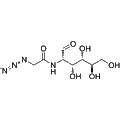
    N-Azidoacetylmannosamine

    N-Azidoacetylmannosamine is an azide-labeled sugar designed for the metabolic incorporation into glycoproteins. This reagent facilitates the subsequent reaction with alkynes or phosphines conjugated to fluorescent or biotin tags, enabling visualization or capture of glycoproteins. Its utility extends to the investigation of glycan structures and functions within live biological contexts.

    5 mg
    $75.00
    10 mg
    $125.00
    All 5 sizes
  • UDP-xylose disodium
    Cat. No.
    A71171

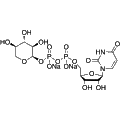
    UDP-xylose disodium

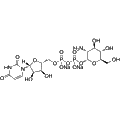
    UDP-xylose disodium is a key sugar nucleotide that functions as a glycosyl donor in various biosynthetic pathways. It plays a crucial role in the synthesis of glycoproteins, polysaccharides, and oligosaccharides in plants, vertebrates, and fungi, as well as in proteoglycan biosynthesis. This compound is significant for investigating extracellular matrix component regulation and understanding the mechanisms underlying proteoglycan biosynthesis in glycobiology and related conditions, including connective tissue disorders.

    1 mg
    $35.00
    5 mg
    $85.00
    All 6 sizes
  • UDP-GalNAc disodium
    Cat. No.
    A71177

    UDP-GalNAc disodium

    Synonyms: UDP-N-acetyl-D-galactosamine disodium

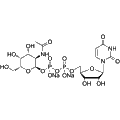
    UDP-GalNAc disodium is a sugar nucleotide that serves as a substrate for EpsC115, a mutant form of the enzyme with the first 115 N-terminal residues deleted. This compound acts as a donor substrate for N-acetylgalactosaminyltransferases, facilitating the transfer of GalNAc to various sugar or peptide acceptors. UDP-GalNAc disodium is instrumental in glycosylation reactions and has applications in cancer research, particularly in the study of colorectal and breast cancers.

    1 mg
    $65.00
    5 mg
    $130.00
    All 6 sizes
  • β-D-Glucose
    Cat. No.
    A71279

    β-D-Glucose

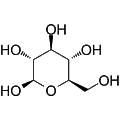
    β-D-Glucose is a monosaccharide that serves as a primary energy source for cells and plays a crucial role in various metabolic pathways. Its chemical properties allow it to be a significant component in both plant and animal tissues, where it is easily metabolized to produce cellular energy. In research applications, β-D-Glucose is utilized as a biochemical assay reagent and serves essential roles in studying metabolic processes, cell culture, and energy production mechanisms.

    5 g
    $50.00
    10 g
    $85.00
    All 3 sizes
  • N-Acetyl-α-D-glucosamine 1-phosphate (disodium)
    Cat. No.
    A71366

    N-Acetyl-α-D-glucosamine 1-phosphate (disodium)

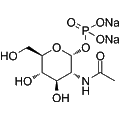
    N-Acetyl-α-D-glucosamine 1-phosphate (disodium) is an ectopic sugar phosphate that plays a crucial role as an intermediate in N-glycoprotein biosynthesis. It acts as a metabolic precursor for teichoic acid and muramic acid, vital components of bacterial cell walls. This compound is utilized in research applications focused on glycoprotein synthesis and bacterial cell wall studies, facilitating the exploration of cellular mechanisms and potential therapeutic targets.

    1 mg
    $30.00
    5 mg
    $70.00
    All 5 sizes
  • Amylose
    Cat. No.
    A71426

    Amylose

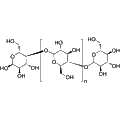
    Amylose is a polysaccharide that primarily functions as a biochemical assay reagent. It interacts with proteins and free fatty acids through non-covalent forces, such as hydrophobic and electrostatic interactions, facilitating the formation of ternary complexes. This characteristic is essential in the study of starch structure and digestion, making amylose pivotal in food science and carbohydrate metabolism research. Additionally, it plays a significant role in investigations focused on controlling glycemic responses by influencing the rate of starch digestion.

    500 mg
    $30.00
    1 g
    $40.00
    All 3 sizes
  • Arabinose
    Cat. No.
    A71437

    Arabinose

    Synonyms: (±)​-​Arabinose; DL-​Arabinose

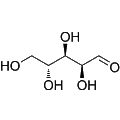
    Arabinose, a five-carbon sugar, plays a crucial role in various biological processes and is commonly derived from plant sources. It exhibits immunomodulatory effects by promoting balanced immune responses and attenuating inflammation, making it valuable for research into immune disorders. Additionally, arabinose serves as an important intermediate in the synthesis of complex compounds, supporting further biochemical studies and applications related to inflammation and immune function.

    100 mg
    $20.00
    250 mg
    $25.00
    All 4 sizes
  • Levoglucosan
    Cat. No.
    A71443

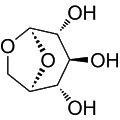
    Levoglucosan

    Synonyms: 1,6-Anhydro-β-D-glucopyranose; 1,6-Anhydro-β-D-glucose

    Levoglucosan (1,6-Anhydro-β-D-glucopyranose) is an anhydrous sugar generated from the pyrolysis of glucans. This compound serves as a key biological marker for biomass combustion and is utilized in various research applications, including studies on environmental pollution and renewable energy. Its presence in natural settings makes it an important focus for researchers analyzing organic materials and their degradation processes.

    250 mg
    $20.00
    500 mg
    $25.00
    All 6 sizes
  • α-Lactose hydrate
    Cat. No.
    A71534

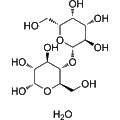
    α-Lactose hydrate

    Synonyms: α-D-Lactose hydrate

    α-Lactose hydrate, a disaccharide composed of glucose and galactose, serves as a crucial biochemical assay reagent. It exists in two isomeric forms, α and β, and plays significant roles in the food and pharmaceutical industries. Its applications include acting as a bulking or agglomerating agent, as well as a diluent for various compounds such as pigments, flavors, and enzymes, facilitating diverse biochemical analyses and formulations.

    1 mg
    $20.00
    25 mg
    $25.00
    All 3 sizes
  • Dulcite
    Cat. No.
    A71542

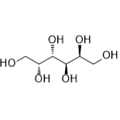
    Dulcite

    Synonyms: Dulcitol; Melampyrit; NSC 1944

    Dulcite, also known as dulcitol or Melampyrit, is a sugar alcohol formed through the reduction of galactose via aldose reductase in non-insulin-dependent cells. It is utilized in biochemical studies focused on carbohydrate metabolism and osmotic regulation. Dulcite's ability to modulate osmotic pressure makes it relevant for research into conditions related to cellular osmoregulation and diabetic complications.

    50 mg
    $25.00
    100 mg
    $30.00
    All 4 sizes
  • D-Galacturonic acid hydrate
    Cat. No.
    A71568

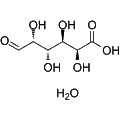
    D-Galacturonic acid hydrate

    Synonyms: D-galUA hydrate

    D-Galacturonic acid hydrate, a sugar acid, is a key component of pectin found in various plant sources. The presence of a carboxyl group allows it to effectively bind metal cations, facilitating applications in heavy metal removal and contributing to the formulation of food products and pharmaceuticals. This compound is valuable for research in areas such as natural polymer science, environmental remediation, and food technology.

    100 mg
    $25.00
    200 mg
    $30.00
    All 5 sizes
  • UDP-glucosamine disodium
    Cat. No.
    A71678

    UDP-glucosamine disodium

    UDP-glucosamine disodium serves as a substrate for O-GlcNAc transferase, facilitating the conjugation of O-GlcNAc to target proteins. This modification plays a crucial role in various cellular processes, including signal transduction and transcriptional regulation. Additionally, UDP-glucosamine is produced via the hexosamine biosynthesis pathway, which is primarily controlled by glucose-6-phosphate and the enzyme GFAT. Its applications in research include studying O-GlcNAcylation dynamics and investigating the implications of glycosylation in cellular functions and disease mechanisms.

    1 mg
    $200.00
    5 mg
    $515.00
    All 3 sizes
  • Dextrin
    Cat. No.
    A71736

    Dextrin

    Dextrin is a low molecular weight carbohydrate resulting from starch hydrolysis. As a biochemical assay reagent, it serves as an effective thickener, stabilizer, and binder in food formulations, enhancing texture and shelf-life. In addition to its applications in food production, dextrin is integral to various industrial processes, including adhesives, paper, textiles, construction, and packaging, due to its unique chemical properties.

    1 mg
    $20.00
    100 g
    $25.00
    All 3 sizes
  • Sialyl-Lewis X
    Cat. No.
    A71790

    Sialyl-Lewis X

    Synonyms: sLeX

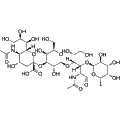
    Sialyl-Lewis X (sLeX) is a sialylated fucosylated tetrasaccharide that serves as a high-affinity ligand for selectins, including E-, P-, and L-selectin. This compound is critical in mediating cell adhesion and plays a pivotal role in the recruitment of neutrophils to inflammatory sites by binding to ELAM-1 and CD62. Research applications include studying inflammation, immune responses, and potential therapeutic targets for inflammatory diseases.

    1 mg
    $335.00
    5 mg
    $780.00
    All 3 sizes
  • Lacto-N-fucopentaose II
    Cat. No.
    A71851

    Lacto-N-fucopentaose II

    Synonyms: LNFP II

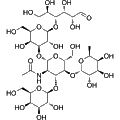
    Lacto-N-fucopentaose II (LNFP II) serves as a sialyl Lewis hapten targeting the human Lewis blood group determinant. This compound is a crucial component in the study of biomolecular interactions and is recognized as a significant molecular tumor marker, specifically CA 19-9, for biliopancreatic malignancies. LNFP II is extensively utilized in cancer research, aiding in the investigation of tumorigenesis and potential therapeutic strategies.

    1 mg
    $225.00
    5 mg
    $580.00
    All 3 sizes
  • Heparinase
    Cat. No.
    A72000

    Heparinase

    Synonyms: Heparinase I

    Heparinase is an enzymatic reagent that specifically degrades heparin into oligosaccharides and unsaturated disaccharides. This activity is essential for the preparation of low molecular weight heparin (LMWH), which is commonly used in various therapeutic applications, including anticoagulation. Heparinase is a valuable tool in biochemical research focused on glycobiology, hemostasis, and the study of heparin-related interactions in biological systems.

    50 mg
    $310.00
    100 mg
    $455.00
    All 2 sizes
  • L-Ribulose
    Cat. No.
    A72123

    L-Ribulose

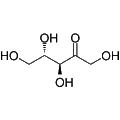
    L-Ribulose is an isomer of L-ribose and serves as a crucial precursor for the synthesis of rare sugars and L-nucleoside analogues. Its role in metabolic pathways makes it valuable in biochemical research, particularly in studies related to carbohydrate chemistry and nucleic acid modifications. This compound facilitates the exploration of novel therapeutic agents and contributes to the understanding of sugar metabolism.

    5 mg
    $155.00
    10 mg
    $250.00
    All 3 sizes
  • β-N-Acetylhexosaminidase, Porcine kidney
    Cat. No.
    A72262

    β-N-Acetylhexosaminidase, Porcine kidney

    Synonyms: NAG; Porcine kidney

    β-N-Acetylhexosaminidase, Porcine kidney is a glycosidase that facilitates transglycosylation reactions, making it valuable in the synthesis of health-promoting human milk oligosaccharides. The enzyme displays optimal activity at pH 5 and 40 °C, demonstrating significant thermal stability up to 55 °C when associated with the cell wall. This enzyme is relevant for applications in the biotransformation of chitin and is useful in glycobiology research, particularly in studies related to food health and oligosaccharide production.

    50 mg
    $95.00
    All 1 sizes
  • Cellohexaose
    Cat. No.
    A72451

    Cellohexaose

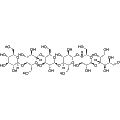
    Cellohexaose is a glucose polymer comprising six D-glucose monomers linked by beta (1-4) glycosidic bonds, resulting from the hydrolysis of cellulose. This compound plays a crucial role in carbohydrate metabolism and is applicable in studies involving cellulose breakdown and microbial fermentation. Cellohexaose serves as a valuable substrate in enzymatic assays and research focused on the biochemical pathways of polysaccharide degradation.

    1 mg
    $140.00
    5 mg
    $355.00
    All 2 sizes
  • 3-Indolyl-β-D-glucuronide
    Cat. No.
    A72608

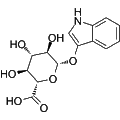
    3-Indolyl-β-D-glucuronide

    3-Indolyl-β-D-glucuronide serves as a chromogenic substrate for β-D-glucuronidase, facilitating the detection and enumeration of E. coli through the formation of a blue precipitate upon enzymatic cleavage. Additionally, it holds potential as a novel indicator for renal failure in patient plasma, providing valuable insights for clinical research and diagnostics. This compound is pivotal for studies in microbiology and renal function assessment.

    25 mg
    $165.00
    All 1 sizes
  • Fructosamine hydrochloride
    Cat. No.
    A72666

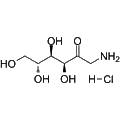
    Fructosamine hydrochloride

    Synonyms: D-Isoglucosamine hydrochloride

    Fructosamine hydrochloride is a biochemical assay reagent that serves as a metabolic intermediate involved in cellular processes and the composition of cell membranes and cartilage. This compound is noted for its ability to induce site-specific breaks in DNA chains, particularly in the presence of Cu2+, making it a valuable tool for research into DNA damage mechanisms and metabolic disorders. Its utility in various biochemical assays supports studies in cell biology and pharmacology.

    5 mg
    $25.00
    10 mg
    $40.00
    All 7 sizes
  • D-Galacturonic acid
    Cat. No.
    A72727

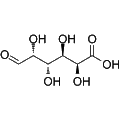
    D-Galacturonic acid

    Synonyms: D-galUA

    D-Galacturonic acid, a sugar acid, is a key component of pectin found in plant cell walls. Its carboxyl groups facilitate binding with metal cations, making it valuable in applications such as heavy metal removal and various industries, including food and pharmaceuticals. This compound is utilized in biological research focused on plant biochemistry and environmental science.

    500 mg
    $150.00
    1 g
    $235.00
    All 2 sizes
  • beta-1,3-Galactosyltransferase (CgtB)
    Cat. No.
    A73234

    beta-1,3-Galactosyltransferase (CgtB)

    Beta-1,3-Galactosyltransferase (CgtB) is a biochemical enzyme that catalyzes the transfer of galactose to specific substrates, playing a crucial role in the biosynthesis of sialylated lipooligosaccharides (LOSSIAL). This enzyme is essential for the production of GM1-like LOSSIAL structures, making it valuable for studies related to glycoprotein and glycolipid biosynthesis. Beta-1,3-Galactosyltransferase (CgtB) is commonly employed in biochemical research to investigate glycobiology and its implications in cell signaling and immunology.

    1 mg
    $115.00
    All 1 sizes
  • 4-Methylumbelliferyl α-L-fucopyranoside
    Cat. No.
    A73236

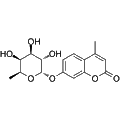
    4-Methylumbelliferyl α-L-fucopyranoside

    4-Methylumbelliferyl α-L-fucopyranoside is a substrate for the enzyme α-L-fucosidase, which plays a crucial role in glycoprotein processing. This compound is known to enhance the capacitation of porcine sperm and provides protection against premature acrosome reactions. Additionally, it exhibits distinct hydrophobicity and isoelectric focusing characteristics, making it valuable for various biochemical studies and applications in reproductive biology.

    0.5 mg
    $80.00
    1 mg
    $110.00
    All 4 sizes

Items 26-50 of 1090

Added to your cart

View Cart Checkout

    Loading...