Carbohydrates & Glycobiology

Carbohydrates for glycobiology research range from sugars and sugar alcohols to amino sugars and polysaccharides. Sugar alcohols such as D-Sorbitol and maltitol are used as osmotic agents, stabilizers and enzyme substrates. Among the sugars, lactulose is a synthetic disaccharide built from galactose and fructose. Glucosamine and its salts represent the amino sugars, which are building blocks of glycosaminoglycans and chitin. Polysaccharides include hyaluronic acid, a glycosaminoglycan of the extracellular matrix, and chitosan, the deacetylated form of chitin. Protected sugars such as D-Xylofuranose, 1,2,3,5-tetraacetate serve as starting materials for nucleoside synthesis. The category belongs to Biochemical Assay Reagents, next to Acyl-CoA & Cofactors and Chelators & Bifunctional Chelators.

Items 151-175 of 1090

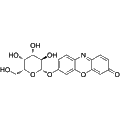
  • Resorufin-β-D-galactopyranoside
    Cat. No.
    A88218

    Resorufin-β-D-galactopyranoside

    Resorufin-β-D-galactopyranoside acts as a substrate for β-galactosidase, facilitating the assessment of this enzyme's activity, which plays a crucial role in lactose metabolism and gene expression regulation. Upon hydrolysis by β-galactosidase, it produces resorufin, a red fluorescent compound, making it a valuable reagent for detecting and quantifying β-galactosidase activity in various biological samples, including bacterial and mammalian cells. This compound is essential for biochemical assays aimed at studying enzyme dynamics and cellular processes.

    1 mg
    $35.00
    5 mg
    $85.00
    All 5 sizes
  • Carboxyl methylstarch sodium
    Cat. No.
    A88281

    Carboxyl methylstarch sodium

    Carboxyl methylstarch sodium is a versatile biochemical assay reagent known for its role as a biological polymer. It exhibits properties that facilitate various life science research applications, particularly in the study of drug delivery, bioavailability, and as a stabilizing agent in formulations. This reagent is instrumental in enhancing the solubility and stability of therapeutic compounds, contributing to advancements in pharmaceuticals and biochemistry.

    25 g
    $60.00
    50 g
    $90.00
    All 3 sizes
  • Methyl β-D-ribofuranoside
    Cat. No.
    A88293

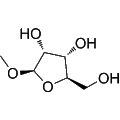
    Methyl β-D-ribofuranoside

    Methyl β-D-ribofuranoside is a significant reagent in glycobiology research, primarily serving as a precursor for the synthesis of ribonucleosides and ribooligosaccharides. Its key biological activity involves participating in glycan synthesis and modification, making it valuable in studying protein-glycan interactions and the role of carbohydrates in various biological processes. This compound is essential for understanding carbohydrate chemistry, enzymatic pathways in glycan formation and degradation, and the implications of glycans in both basic research and biotechnological applications.

    100 mg
    $20.00
    All 1 sizes
  • Glucosamine 6-sulfate
    Cat. No.
    A88312

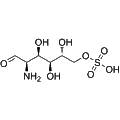
    Glucosamine 6-sulfate

    Synonyms: GlcN6P; D-Glucosamine-6-sulfate

    Glucosamine 6-sulfate (GlcN6P) is an organic cofactor that facilitates the cleavage of phosphodiester bonds. This compound plays a crucial role in the catalytic activity of glmS ribozymes, making it valuable for studies involving ribozyme mechanisms and RNA processing. Its biochemical properties contribute to understanding RNA biology and the regulation of gene expression.

    5 mg
    $25.00
    10 mg
    $50.00
    All 2 sizes
  • alpha-D-glucose hydrate
    Cat. No.
    A88323

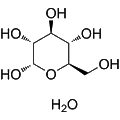
    alpha-D-glucose hydrate

    Alpha-D-glucose hydrate is a monosaccharide that serves as a primary energy source for many cellular processes. Its fundamental role in energy metabolism makes it essential in various biochemical assays. Alpha-D-glucose is also a critical building block for larger carbohydrates, including starch and glycogen. In aqueous solutions, it exists as a hydrate, incorporating water molecules into its structure, which is key to its biological activity.

    100 g
    $20.00
    500 g
    $30.00
    All 5 sizes
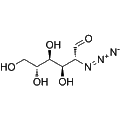
  • 2-Azido-2-deoxy-D-glucose, 98%
    Cat. No.
    A88354

    2-Azido-2-deoxy-D-glucose, 98%

    Synonyms: 2-ADG; 98%

    2-Azido-2-deoxy-D-glucose is a glycosylation inhibitor that targets glycosylating enzymes, providing valuable insights into glycosylation pathways. This reagent is instrumental in studying the mechanisms of enzyme activity and regulation in various biological contexts. Its unique azido group allows for further chemical modifications, making it a versatile tool in carbohydrate chemistry and biochemistry research applications.

    50 mg
    $65.00
    100 mg
    $90.00
    All 4 sizes
  • Decyl glucoside (60% in water)
    Cat. No.
    A88356

    Decyl glucoside (60% in water)

    Synonyms: Octyldecyl glucoside

    Decyl glucoside is a mild nonionic surfactant primarily utilized as a biochemical assay reagent. Derived from renewable sources, including glucose and fatty alcohols from coconut or palm kernel oil, it demonstrates outstanding foaming and cleaning properties. This compound is widely employed in various biological applications for its ability to solubilize proteins and facilitate interactions in biochemical assays.

    Out of stock

    All 3 sizes
  • GDP-azido-fucose disodium
    Cat. No.
    A88357

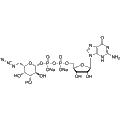
    GDP-azido-fucose disodium

    GDP-azido-fucose disodium is a chemically modified donor substrate utilized in glycosylation studies. This reagent facilitates the synthesis of fluorophore-conjugated GDP-fucose, enabling effective visualization and analysis of glycosyltransferase reactions. Its unique azido group allows for the introduction of diverse functionalizations, making it a valuable tool in glycobiology research.

    1 mg
    $105.00
    5 mg
    $260.00
    All 6 sizes
  • 6-Azido-6-deoxy-D-glucose, 95%
    Cat. No.
    A88367

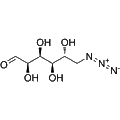
    6-Azido-6-deoxy-D-glucose, 95%

    6-Azido-6-deoxy-D-glucose is a modified sugar that serves as a bioorthogonal probe for studying glycosylation patterns in live cells. This reagent can be incorporated into glycoproteins and allows for the visualization of protein-specific glycosylation through click chemistry. It is particularly valuable in cell biology and biochemical research applications, facilitating insights into cellular processes involving glycosylation and its implications in health and disease.

    5 mg
    $75.00
    10 mg
    $120.00
    All 5 sizes
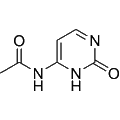
  • N4-Acetylcytosine
    Cat. No.
    A88437

    N4-Acetylcytosine

    Synonyms: 4-N-Acetylcytosine

    N4-Acetylcytosine is a synthetic derivative of cytosine, functioning primarily as a nucleotide analog. It plays a crucial role in the study of nucleic acid metabolism and modification, serving as a valuable tool for investigating epigenetic regulation and RNA processing. This compound is useful in various research applications, particularly in understanding the role of acetylation in cellular processes and genomic stability.

    10 g
    $25.00
    25 g
    $45.00
    All 2 sizes
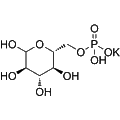
  • D-Glucose 6-phosphate potassium
    Cat. No.
    A88441

    D-Glucose 6-phosphate potassium

    D-Glucose 6-phosphate potassium is a substrate for glucose-6-phosphate isomerase, facilitating crucial enzymatic reactions in carbohydrate metabolism. This compound plays a significant role in cellular energy production and utilization, supporting various biochemical assays related to metabolic pathways. It is essential for research applications focusing on glucose metabolism and energy dynamics within biological systems.

    2 mg
    $20.00
    5 mg
    $25.00
    All 7 sizes
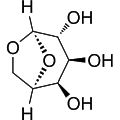
  • D-Galactosan
    Cat. No.
    A88448

    D-Galactosan

    Synonyms: 1,6-Anhydro-β-D-galactopyranose

    D-Galactosan, also known as 1,6-Anhydro-β-D-galactopyranose, is a sugar compound that serves as a valuable reagent in carbohydrate chemistry and glycobiology research. It displays significant biological activity, facilitating studies on glycosylation processes, carbohydrate recognition, and the synthesis of complex carbohydrates. This compound is useful for exploring interactions involving galactose and related structures in various biological systems.

    2 mg
    $25.00
    5 mg
    $35.00
    All 7 sizes
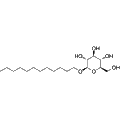
  • Dodecyl β-D-glucopyranoside
    Cat. No.
    A88459

    Dodecyl β-D-glucopyranoside

    Dodecyl β-D-glucopyranoside is a non-ionic detergent and surfactant effective in the solubilization and purification of membrane proteins for biochemical studies. It is known to interact with bovine serum albumin (BSA), leading to the quenching of its intrinsic fluorescence. The critical micelle concentration (CMC) for Dodecyl β-D-glucopyranoside and the DG/BSA complex is 2.0 mM and 2.34 mM, respectively, facilitating micelle formation in aqueous solutions above these concentrations. This reagent is valuable for researchers investigating protein structure and function.

    5 mg
    $25.00
    10 mg
    $35.00
    All 8 sizes
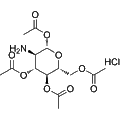
  • 1,3,4,6-Tetra-O-acetyl-2-amino-2-desoxy-β-D-glucopyranose hydrochloride
    Cat. No.
    A88498

    1,3,4,6-Tetra-O-acetyl-2-amino-2-desoxy-β-D-glucopyranose hydrochloride

    1,3,4,6-Tetra-O-acetyl-2-amino-2-desoxy-β-D-glucopyranose hydrochloride is a biochemical reagent utilized in glycobiology research, focusing on the structure and function of carbohydrates. This compound plays a crucial role in carbohydrate chemistry and the enzymology associated with glycan synthesis and degradation. It facilitates studies on protein-glycan interactions and the biological significance of glycans, offering insights relevant to basic research, biomedicine, and biotechnology applications.

    1 g
    $20.00
    5 g
    $45.00
    All 6 sizes
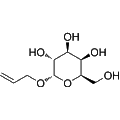
  • Allylα-D-galactopyranoside
    Cat. No.
    A88499

    Allylα-D-galactopyranoside

    Allylα-D-galactopyranoside is a glycosyl donor used in glycobiology research to facilitate the study of glycan structures and functions. It serves as a substrate in glycosylation reactions, aiding in the synthesis of complex carbohydrates. This compound is essential for investigating carbohydrate chemistry, enzymatic pathways involved in glycan formation and degradation, and protein-glycan interactions, contributing significantly to advancements in biomolecular research and therapeutic development.

    100 mg
    $20.00
    250 mg
    $35.00
    All 5 sizes
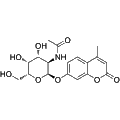
  • 4-Methylumbelliferyl 2-acetamido-2-deoxy-α-D-galactopyranoside
    Cat. No.
    A88517

    4-Methylumbelliferyl 2-acetamido-2-deoxy-α-D-galactopyranoside

    4-Methylumbelliferyl 2-acetamido-2-deoxy-α-D-galactopyranoside serves as a fluorogenic substrate for the assessment of α-galactosidase enzymatic activity. This compound is integral for analyzing enzyme kinetics in various biological samples, providing insights into the physiological roles of α-galactosidase. Additionally, it can be utilized for screening potential inhibitors or activators of this enzyme, facilitating research into its regulatory mechanisms and therapeutic targets.

    1 mg
    $45.00
    5 mg
    $190.00
    All 3 sizes
  • (2-Hydroxypropyl)-α-cyclodextrin (MW 1180)
    Cat. No.
    A88548

    (2-Hydroxypropyl)-α-cyclodextrin (MW 1180)

    Synonyms: α‐HPCD (MW 1180)

    (2-Hydroxypropyl)-α-cyclodextrin (MW 1180) is a derivative of cyclodextrins that primarily functions as a solubilizing agent for hydrophobic compounds. Its unique structure allows it to encapsulate various substances, enhancing their solubility and bioavailability. This reagent is commonly utilized in pharmaceutical formulations, drug delivery research, and studies investigating the interaction between drugs and biological systems.

    50 mg
    $20.00
    100 mg
    $30.00
    All 5 sizes
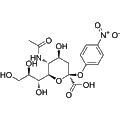
  • 2-O-(p-Nitrophenyl)-α-D-N-acetylneuraminic acid
    Cat. No.
    A88560

    2-O-(p-Nitrophenyl)-α-D-N-acetylneuraminic acid

    Synonyms: PNP-α-NeuNAc

    2-O-(p-Nitrophenyl)-α-D-N-acetylneuraminic acid serves as a chromogenic substrate for neuraminidase. Upon enzymatic hydrolysis, it yields p-nitrophenol, facilitating the quantification of enzyme activity and the assessment of inhibitory effects through spectrophotometric analysis. Additionally, this compound functions as a sialyl donor in enzyme-catalyzed trans-sialylation processes, making it valuable for studies involving sialic acid metabolism.

    1 mg
    $200.00
    5 mg
    $705.00
    All 4 sizes
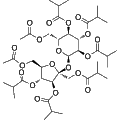
  • Sucrose acetoisobutyrate (90% solution)
    Cat. No.
    A88570

    Sucrose acetoisobutyrate (90% solution)

    Synonyms: SAIB (90% solution)

    Sucrose acetoisobutyrate (SAIB) is a biochemical reagent that serves as an emulsifying agent, stabilizing formulations in various biological applications. This compound demonstrates key properties in enhancing solubility and improving the consistency of complex mixtures. SAIB is widely utilized in research involving drug delivery systems, food science, and cosmetic formulations, contributing to advancements in product development and formulation stability.

    Out of stock

    All 3 sizes
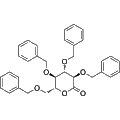
  • Tetra-O-benzyl-δ-D-Gluconolactone
    Cat. No.
    A88602

    Tetra-O-benzyl-δ-D-Gluconolactone

    Synonyms: 2,3,4,6-Tetra-O-benzyl-D-glucono-1,5-lactone

    Tetra-O-benzyl-δ-D-Gluconolactone is a biochemical reagent that serves as a valuable organic compound in life science research. This compound can be employed in various biochemical assays to study carbohydrate chemistry and enzymatic processes. Its utility in synthesizing glycosides and other derivatives makes it a versatile tool for researchers investigating carbohydrate-based interactions and cellular functions.

    5 g
    $20.00
    10 g
    $30.00
    All 3 sizes
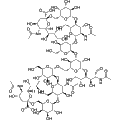
  • Disialyloctasaccharide
    Cat. No.
    A88616

    Disialyloctasaccharide

    Disialyloctasaccharide is a biochemical assay reagent primarily utilized in glycobiology research. It plays a vital role in studying carbohydrate chemistry, glycan synthesis, and enzymatic degradation, as well as protein-glycan interactions. This compound is essential for elucidating the structural and functional roles of glycans in biological systems, thereby contributing to advancements in basic research, biomedicine, and biotechnology applications.

    1 mg
    $65.00
    5 mg
    $170.00
    All 3 sizes
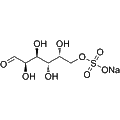
  • D-Galactose-6-O-sulfate sodium salt
    Cat. No.
    A88621

    D-Galactose-6-O-sulfate sodium salt

    Synonyms: D-Galactose-6-O-sulphate sodium salt

    D-Galactose-6-O-sulfate sodium salt is a biochemical assay reagent that functions as a sulfate derivative of galactose. This compound plays a significant role in glycosylation studies and can be utilized in the investigation of carbohydrate-binding proteins. Its applications extend to research on glycosaminoglycans and other polysaccharides in various biological processes.

    5 mg
    $170.00
    10 mg
    $295.00
    All 2 sizes
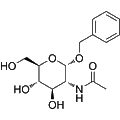
  • Phenylmethyl 2-(acetylamino)-2-deoxy-α-D-glucopyranoside
    Cat. No.
    A88624

    Phenylmethyl 2-(acetylamino)-2-deoxy-α-D-glucopyranoside

    Phenylmethyl 2-(acetylamino)-2-deoxy-α-D-glucopyranoside serves as a biochemical reagent targeting glycobiology applications. This compound plays a crucial role in the study of glycan structure, synthesis, and biological functions. Its utility extends to investigations into carbohydrate chemistry, glycan formation and degradation enzymology, and protein-glycan interactions. This reagent is essential for advancing research in basic science, biomedicine, and biotechnological applications.

    1 g
    $20.00
    5 g
    $60.00
    All 2 sizes
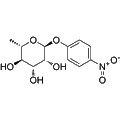
  • 4-Nitrophenyl α-L-rhamnopyranoside
    Cat. No.
    A88626

    4-Nitrophenyl α-L-rhamnopyranoside

    4-Nitrophenyl α-L-rhamnopyranoside serves as an essential substrate for the evaluation of enzymes that hydrolyze rhamnose, particularly α-L-rhamnosidase. Upon hydrolysis, this compound produces a yellow chromophore, p-nitrophenol, which facilitates the detection and quantification of rhamnohydrolase activity in various biological samples and microbial cultures. Its distinctive chemical characteristics make it a valuable reagent in biochemical assays aimed at studying carbohydrate-active enzymes.

    10 mg
    $30.00
    25 mg
    $60.00
    All 4 sizes
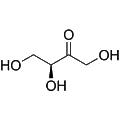
  • L-Erythrulose
    Cat. No.
    A88655

    L-Erythrulose

    L-Erythrulose is a carbohydrate reagent primarily utilized in glycobiology research, focusing on the study of sugar structures and functions. It plays a critical role in understanding carbohydrate chemistry, the enzymatic processes involved in glycan synthesis and degradation, and the interactions between proteins and glycans. Applications of L-Erythrulose span across basic research, biomedicine, and biotechnological innovations, aiding in the exploration of glycan roles in diverse biological systems.

    1 mg
    $20.00
    5 mg
    $25.00
    All 7 sizes

Items 151-175 of 1090

Added to your cart

View Cart Checkout

    Loading...