Carbohydrates & Glycobiology

Carbohydrates for glycobiology research range from sugars and sugar alcohols to amino sugars and polysaccharides. Sugar alcohols such as D-Sorbitol and maltitol are used as osmotic agents, stabilizers and enzyme substrates. Among the sugars, lactulose is a synthetic disaccharide built from galactose and fructose. Glucosamine and its salts represent the amino sugars, which are building blocks of glycosaminoglycans and chitin. Polysaccharides include hyaluronic acid, a glycosaminoglycan of the extracellular matrix, and chitosan, the deacetylated form of chitin. Protected sugars such as D-Xylofuranose, 1,2,3,5-tetraacetate serve as starting materials for nucleoside synthesis. The category belongs to Biochemical Assay Reagents, next to Acyl-CoA & Cofactors and Chelators & Bifunctional Chelators.

Items 176-200 of 1090

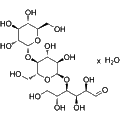
  • Maltotriose hydrate
    Cat. No.
    A88662

    Maltotriose hydrate

    Maltotriose hydrate is a biochemical assay reagent that serves as a biological substrate in various life science research applications. This trisaccharide plays a critical role in studies involving carbohydrate metabolism and enzyme activities. It is particularly useful for investigations related to glycosidases and other carbohydrate-active enzymes.

    100 mg
    $20.00
    1 g
    $110.00
    All 2 sizes
  • Benzyl β-D-glucopyranoside
    Cat. No.
    A88677

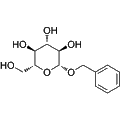
    Benzyl β-D-glucopyranoside

    Benzyl β-D-glucopyranoside is a glycosyl donor actively utilized in glycobiology research. It plays a crucial role in facilitating glycan synthesis and exploring carbohydrate interactions within biological systems. This compound is instrumental in studies focusing on the structure and function of glycoproteins and glycolipids, as well as in the enzymatic pathways of glycan formation and degradation. Its applications extend to basic research, biomedicine, and biotechnology, making it a valuable reagent for advancing studies in carbohydrate chemistry and protein-glycan interactions.

    5 mg
    $20.00
    25 mg
    $40.00
    All 5 sizes
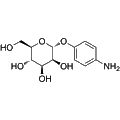
  • 4-Aminophenyl β-D-glucopyranoside
    Cat. No.
    A88683

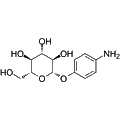
    4-Aminophenyl β-D-glucopyranoside

    4-Aminophenyl β-D-glucopyranoside serves as a biochemical assay reagent, primarily utilized for the study of glycosylation processes in biological systems. This compound facilitates the assessment of enzyme activity related to glycosidases, making it valuable in the exploration of carbohydrate metabolism. Its application extends to probing the role of glycosylation in various biological assays and research areas.

    10 mg
    $25.00
    25 mg
    $40.00
    All 5 sizes
  • Telmisartan acyl-β-D-glucuronide
    Cat. No.
    A88689

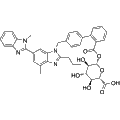
    Telmisartan acyl-β-D-glucuronide

    Telmisartan acyl-β-D-glucuronide is a biochemical reagent that functions as a glycosylation compound in glycobiology research. This compound plays a critical role in studying the structure, synthesis, and biological functions of glycans, as well as their interactions with proteins. It is utilized in various applications, including research on carbohydrate chemistry and enzymatic processes involved in glycan metabolism, helping elucidate the significance of glycans in biological systems and their implications in biomedicine and biotechnology.

    1 mg
    $390.00
    2.5 mg
    $600.00
    All 3 sizes
  • Hexyl-β-D-glucopyranoside, 98%
    Cat. No.
    A88786

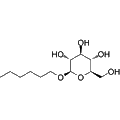
    Hexyl-β-D-glucopyranoside, 98%

    Hexyl-β-D-glucopyranoside is a nonionic detergent that acts primarily by solubilizing membrane proteins and disrupting lipid bilayers without denaturing them. It is commonly employed in biochemical and biophysical research for cell lysis, protein extraction, and enzyme activity assays. Its mild nature makes it suitable for preserving the functionality of the proteins being studied, making it a valuable tool in the exploration of membrane protein dynamics and interactions.

    50 mg
    $35.00
    100 mg
    $55.00
    All 4 sizes
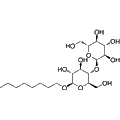
  • Octyl β-D-maltopyranoside
    Cat. No.
    A88837

    Octyl β-D-maltopyranoside

    Octyl β-D-maltopyranoside is a non-ionic detergent that primarily targets membrane proteins. It is widely used in biochemical assays for solubilizing and stabilizing integral membrane proteins, facilitating their study by various biochemical methods. This reagent is particularly valuable in structural biology and functional assays, aiding in the analysis of protein interactions and enzymatic activity.

    100 mg
    $25.00
    250 mg
    $45.00
    All 4 sizes
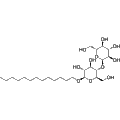
  • Tridecyl β-D-maltopyranoside
    Cat. No.
    A88840

    Tridecyl β-D-maltopyranoside

    Synonyms: Tridecyl beta-D-maltopyranoside

    Tridecyl β-D-maltopyranoside is a synthetic sugar with a primary mechanism of serving as a surfactant and emulsifying agent due to its unique glycosidic structure. This reagent exhibits biological activity in promoting the synthesis of glycosylated proteins, facilitating various biochemical studies and applications. Its utility extends to research focusing on carbohydrate interactions and the development of glycoprotein-based therapeutics.

    25 mg
    $40.00
    50 mg
    $65.00
    All 6 sizes
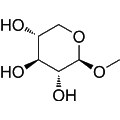
  • Methyl-β-D-xylopyranoside
    Cat. No.
    A88867

    Methyl-β-D-xylopyranoside

    Synonyms: Methyl-beta-D-xylopyranoside

    Methyl-β-D-xylopyranoside is a specific substrate for the enzyme xylosidase. It is utilized in biochemical assays to study xylosidase activity and to investigate carbohydrate metabolism. This compound is valuable for research applications related to glycosylation and polysaccharide degradation.

    1 g
    $20.00
    5 g
    $35.00
    All 3 sizes
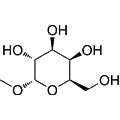
  • Methyl α-D-galactopyranoside
    Cat. No.
    A88868

    Methyl α-D-galactopyranoside

    Methyl α-D-galactopyranoside is a biochemical reagent that serves as a substrate in glycobiology research. It plays a critical role in studying carbohydrate interactions, glycan synthesis, and enzymatic processes related to glycan metabolism. This compound facilitates research into protein-glycan recognition and the biological functions of glycans, thereby contributing to advancements in fundamental biological sciences, biomedicine, and biotechnology applications.

    10 g
    $20.00
    25 g
    $35.00
    All 4 sizes
  • 4-Aminophenyl-α-D-mannopyranoside, 98%
    Cat. No.
    A88871

    4-Aminophenyl-α-D-mannopyranoside, 98%

    Synonyms: 4-Aminophenylmannoside; 98%

    4-Aminophenyl-α-D-mannopyranoside, 98% serves as a valuable detection substrate in biochemical research, particularly for studying glycosylation processes and enzyme-substrate interactions. This synthetic glycoside enables researchers to elucidate mechanisms underlying carbohydrate-modifying enzymes and their biological implications. Its application is essential for advancing knowledge in areas such as cell signaling, glycoprotein synthesis, and carbohydrate metabolism.

    10 mg
    $75.00
    25 mg
    $130.00
    All 3 sizes
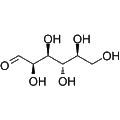
  • L-Altrose
    Cat. No.
    A88879

    L-Altrose

    Synonyms: (2R,3S,4S,5S)-2,3,4,5,6-Pentahydroxyhexanal

    L-Altrose is a biochemical assay reagent primarily utilized as a biological material in various life science research applications. This naturally occurring monosaccharide serves as a versatile organic compound, facilitating studies in carbohydrate metabolism and interaction with specific biological systems. Its role in glycomics and metabolic profiling makes it an essential tool for researchers investigating the nuances of sugar biology and related pathways.

    5 mg
    $145.00
    10 mg
    $235.00
    All 4 sizes
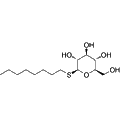
  • Octyl β-D-thioglucopyranoside
    Cat. No.
    A88888

    Octyl β-D-thioglucopyranoside

    Octyl β-D-thioglucopyranoside is a non-ionic detergent primarily used for the solubilization of membrane proteins in biochemical studies. Its capability to effectively solubilize E. coli membrane proteins makes it valuable for applications in membrane biochemistry and protein purification. This reagent aids in the extraction and study of integral membrane proteins, facilitating various research applications in structural biology and pharmacology.

    1 g
    $25.00
    All 1 sizes
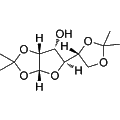
  • 1,2:5,6-Bis-O-(1-methylethylidene)-α-D-allofuranose
    Cat. No.
    A88890

    1,2:5,6-Bis-O-(1-methylethylidene)-α-D-allofuranose

    1,2:5,6-Bis-O-(1-methylethylidene)-α-D-allofuranose is a carbohydrate derivative with significant relevance in glycobiology. It serves as an important intermediate in the synthesis of various carbohydrate compounds, facilitating research into carbohydrate-based structures and their biological functions. This reagent is particularly useful for studies aimed at understanding glycosylation processes and carbohydrate interactions in biological systems.

    1 g
    $20.00
    5 g
    $25.00
    All 7 sizes
  • Triacetyl-β-cyclodextrin
    Cat. No.
    A88896

    Triacetyl-β-cyclodextrin

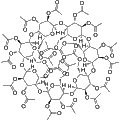
    Triacetyl-β-cyclodextrin is a biochemical assay reagent known for its ability to form inclusion complexes with various organic molecules. This compound enhances solubility and bioavailability of poorly soluble drugs, making it valuable in pharmaceutical research and drug formulation studies. Its unique structure allows for versatile applications in life sciences, including molecular recognition and drug delivery systems.

    25 mg
    $20.00
    50 mg
    $25.00
    All 5 sizes
  • Octyl α-D-glucopyranoside
    Cat. No.
    A88898

    Octyl α-D-glucopyranoside

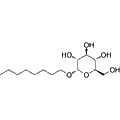
    Octyl α-D-glucopyranoside is a nonionic detergent primarily targeting membrane proteins. It is utilized in biochemical assays to solubilize and stabilize membrane components, facilitating studies of protein function and interactions. This compound is essential for research in cellular biology, structural biology, and membrane biochemistry, providing a means to investigate various biological processes.

    50 mg
    $25.00
    100 mg
    $40.00
    All 2 sizes
  • 2,3,4-Tri-O-acetyl-D-glucuronide methyl ester
    Cat. No.
    A88900

    2,3,4-Tri-O-acetyl-D-glucuronide methyl ester

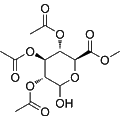
    2,3,4-Tri-O-acetyl-D-glucuronide methyl ester is a biochemical reagent that serves as a glucuronidation substrate. This compound demonstrates significant biological activity related to enzymatic studies, particularly in the evaluation of UDP-glucuronosyltransferases. It is widely used in research applications focused on drug metabolism, biochemical pathways, and the synthesis of glucuronide derivatives for analytical purposes.

    25 mg
    $25.00
    50 mg
    $35.00
    All 4 sizes
  • Invert sugar
    Cat. No.
    A88913

    Invert sugar

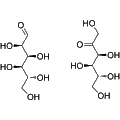
    Invert sugar is a mixture of dextrose and levulose produced through the hydrolysis of sucrose by acids or enzymes. Its primary function as a sweetener is utilized in a variety of food and beverage applications due to its enhanced sweetness and ability to retain moisture. Invert sugar demonstrates improved solubility and stability, making it a valuable ingredient in confectionery, baking, and other culinary formulations. Its unique properties allow for increased sweetness and reduced crystallization, enhancing overall product quality.

    100 mg
    $35.00
    1 g
    $45.00
    All 3 sizes
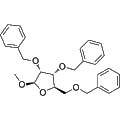
  • Methyl 2,3,5-tri-O-benzyl-β-D-ribofuranoside
    Cat. No.
    A88924

    Methyl 2,3,5-tri-O-benzyl-β-D-ribofuranoside

    Methyl 2,3,5-tri-O-benzyl-β-D-ribofuranoside is a versatile glycosylation reagent utilized in the synthesis of oligosaccharides and polysaccharides. This compound facilitates the formation of glycosidic bonds, enabling the construction of complex carbohydrate structures. Its efficacy in carbohydrate chemistry makes it a valuable tool for researchers exploring glycosylation processes and carbohydrate-based biomolecules.

    250 mg
    $45.00
    1 g
    $85.00
    All 2 sizes
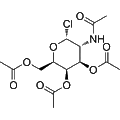
  • 2-Acetamido-3,4,6-tri-O-acetyl-2-deoxy-α-D-galactopyranosyl chloride
    Cat. No.
    A88931

    2-Acetamido-3,4,6-tri-O-acetyl-2-deoxy-α-D-galactopyranosyl chloride

    2-Acetamido-3,4,6-tri-O-acetyl-2-deoxy-α-D-galactopyranosyl chloride serves as a glycosylation agent, primarily targeting sugar moieties in biological applications. It is utilized in glycobiology research for the synthesis of glycosylated compounds and can facilitate studies on carbohydrate-protein interactions. This reagent is essential for exploring the roles of sugars in cellular processes and developing novel glycosylated therapeutics.

    100 mg
    $45.00
    250 mg
    $90.00
    All 5 sizes
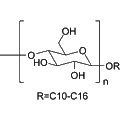
  • Lauryl glucoside (50% in water)
    Cat. No.
    A88941

    Lauryl glucoside (50% in water)

    Lauryl glucoside (50% in water) is a non-ionic surfactant that exhibits excellent cleansing and foaming properties. Its versatile nature makes it suitable for a wide range of applications in biochemical research and formulation development. This compound is particularly useful in studies involving surfactants due to its effectiveness and low toxicity profile.

    Out of stock

    All 3 sizes
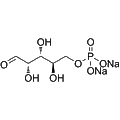
  • D-Arabinose 5-phosphate sodium
    Cat. No.
    A88944

    D-Arabinose 5-phosphate sodium

    D-Arabinose 5-phosphate sodium is a biochemical reagent pivotal for glycobiology research. It acts as a substrate for various enzymatic processes involved in glycan synthesis and plays a crucial role in studying carbohydrate interactions and their biological implications. This compound is instrumental in advancing our understanding of glycan biology, protein-glycan recognition, and the evolution of sugar structures, thereby contributing to fundamental research and biotechnological applications.

    1 mg
    $550.00
    2 mg
    $795.00
    All 2 sizes
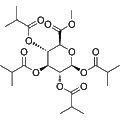
  • β-D-Glucopyranuronic acid,methyl ester,1,2,3,4-tetrakis(2-methylpropanoate)
    Cat. No.
    A88960

    β-D-Glucopyranuronic acid,methyl ester,1,2,3,4-tetrakis(2-methylpropanoate)

    β-D-Glucopyranuronic acid, methyl ester, 1,2,3,4-tetrakis(2-methylpropanoate) is a biochemical reagent utilized in glycobiology research, targeting the structure and function of carbohydrates. This compound plays a crucial role in the study of glycan synthesis, enzymatic reactions related to glycan metabolism, and protein-glycan interactions. It is essential for advancing research in carbohydrate chemistry and understanding the biological significance of glycans in various systems, contributing to insights in biomedicine and biotechnology.

    5 mg
    $55.00
    10 mg
    $85.00
    All 4 sizes
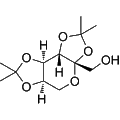
  • Diacetone-β-D-fructose
    Cat. No.
    A88964

    Diacetone-β-D-fructose

    Synonyms: 2,3:4,5-Di-O-isopropylidene-β-D-fructopyranose

    Diacetone-β-D-fructose is a biochemical reagent employed primarily in biochemical assays. Its unique structural properties make it suitable for various life science applications, notably in the study of carbohydrate metabolism and enzymatic reactions. This compound serves as a versatile building block in organic synthesis and offers insights into glycosylation processes and sugar-derived networks in biological research.

    50 g
    $25.00
    100 g
    $45.00
    All 3 sizes
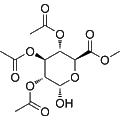
  • 2,3,4-Tri-O-acetyl-α-D-glucuronic acid methyl ester
    Cat. No.
    A88980

    2,3,4-Tri-O-acetyl-α-D-glucuronic acid methyl ester

    Synonyms: Methyl-(2,3,4-tri-O-acetyl-a-D-glucopyranosyl)uronate

    2,3,4-Tri-O-acetyl-α-D-glucuronic acid methyl ester serves as a biochemical assay reagent primarily used in chemical synthesis applications. This compound is a derivative of glucuronic acid, exhibiting potential for use in the development of glycosidic linkages and investigations of carbohydrate-related biological pathways. Its distinct acetylation pattern provides enhanced solubility and stability, making it a valuable tool in biochemical research.

    100 mg
    $25.00
    250 mg
    $45.00
    All 2 sizes
  • De-N-sulfated heparin sodium salt
    Cat. No.
    A88982

    De-N-sulfated heparin sodium salt

    Synonyms: Heparamine sodium salt

    De-N-sulfated heparin sodium salt is a biochemical assay reagent targeting glycosaminoglycan interactions. It serves as a valuable tool for studying the role of heparan sulfate in various biological processes, including cell signaling and adhesion. This compound is essential for research applications exploring the modulation of protein interactions and the development of therapeutic strategies in fields such as cancer biology and regenerative medicine.

    5 mg
    $215.00
    10 mg
    $355.00
    All 2 sizes

Items 176-200 of 1090

Added to your cart

View Cart Checkout

    Loading...