Biochemical Assay Reagents

Biochemical Assay Reagents collects small molecules used to prepare, run and calibrate biochemical and cell-based assays. Vitamins and cofactors such as niacin, riboflavin and biotin sit alongside sugars, sugar alcohols and amino acids such as L-arginine. Enzyme substrates and metal-ion chelators complete the range, including the calcium chelator 1,2-bis(2-aminophenoxy)ethane-N,N,N′,N′-tetraacetic acid (BAPTA). Three subcategories group related reagents, namely Carbohydrates & Glycobiology, Acyl-CoA & Cofactors for acyl-coenzyme A (acyl-CoA) compounds, and Chelators & Bifunctional Chelators. Most of these compounds act as substrates, cofactors, standards or buffer components rather than as inhibitors of a defined target.

Items 451-465 of 465

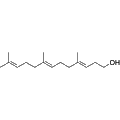
  • (3E,7E)-Homofarnesol
    Cat. No.
    B19811

    (3E,7E)-Homofarnesol

    (3E,7E)-Homofarnesol is a C16 isoprenoid alcohol that serves as a non-natural substrate for squalene-hopene cyclases. Through enzymatic cyclization, (3E,7E)-Homofarnesol yields ambroxan, a compound with potential applications in fragrance and flavor industries. Its unique structure and functionality make it valuable for biochemical research involving terpenoid biosynthesis and enzyme activity studies.

    Out of stock

    All 3 sizes
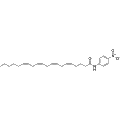
  • Arachidonoyl p-nitroaniline
    Cat. No.
    B20450

    Arachidonoyl p-nitroaniline

    Arachidonoyl p-nitroaniline is a substrate for the hydrolysis reaction catalyzed by fatty acid amide hydrolase (FAAH) in Dictyostelium discoideum, particularly with long-chain unsaturated fatty acids. This compound is instrumental in enzyme kinetic studies, facilitating the measurement of hydrolysis rates and the evaluation of fatty acid amide hydrolase activity from recombinant His-FAAH. It serves as a valuable tool for characterizing the binding and catalytic specificity of mammalian FAAH enzymes in biochemical research.

    1 mg
    $30.00
    5 mg
    $115.00
    All 2 sizes
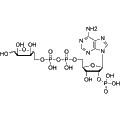
  • ADPRP
    Cat. No.
    B20480

    ADPRP

    ADPRP is a post-translational modification enzyme that utilizes NAD+ (nicotinamide adenine dinucleotide) as a substrate to catalyze the addition of ADP-ribose units to chromatin-bound proteins, including itself. This process, known as poly(ADP-ribosylation), plays a critical role in regulating the interactions between DNA and nuclear proteins. ADPRP is essential for investigating mechanisms of DNA repair, transcription regulation, and cellular response to stress in various biological research applications.

    Out of stock

    All 3 sizes
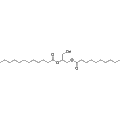
  • 1-Decanoin-2-laurin
    Cat. No.
    B20678

    1-Decanoin-2-laurin

    1-Decanoin-2-laurin is an acylglycerol that serves as a substrate for various biochemical reactions. Its structure is characterized by the presence of decanoic and lauric acid moieties, making it relevant in lipid metabolism studies. This compound is utilized in research focusing on lipophilicity, membrane interactions, and the investigation of metabolic pathways involving glycerolipids.

    Out of stock

    All 3 sizes
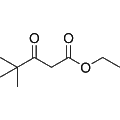
  • Ethyl pivaloylacetate
    Cat. No.
    B20850

    Ethyl pivaloylacetate

    Ethyl pivaloylacetate is a β-ketoester that serves as a substrate in the evaluation of ketoreductase activity and stereoselectivity. Its chemical properties make it valuable for studying enzyme functionality and reaction mechanisms in biochemical research. The compound is useful in various applications involving synthetic organic chemistry and biocatalysis.

    1 g
    $25.00
    5 g
    $30.00
    All 6 sizes
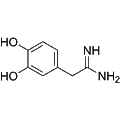
  • 3,4-Dihydroxybenzeneethanimidamide
    Cat. No.
    B21049

    3,4-Dihydroxybenzeneethanimidamide

    3,4-Dihydroxybenzeneethanimidamide is a selective reagent for Gly-Pro, a substrate of prolidase. Its primary application involves measuring prolidase activity through the decrease in fluorescence intensities, making it a valuable tool in studying enzymatic activity. This compound is particularly useful for research related to inflammation, providing insights into the biochemical pathways involved in inflammatory processes.

    Out of stock

    All 3 sizes
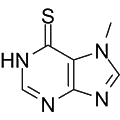
  • 7-Methyl-6-mercaptopurine
    Cat. No.
    B21062

    7-Methyl-6-mercaptopurine

    7-Methyl-6-mercaptopurine is a purine derivative that serves as a substrate for thiopurine methyltransferase (TPMT). It exhibits Km and Vmax values of 231 μM and 2340 U/mg protein, respectively, making it relevant for studies involving TPMT enzymatic activity. This compound is utilized in research applications focused on drug metabolism and biomarker discovery in thiopurine therapies.

    1 mg
    $25.00
    5 mg
    $55.00
    All 7 sizes
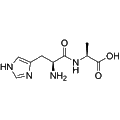
  • H-His-Ala-OH
    Cat. No.
    B21381

    H-His-Ala-OH

    Synonyms: L-histidyl-L-alanine

    H-His-Ala-OH is a dipeptide with significant utility as a substrate in biochemical assays. It plays a crucial role in probing enzyme activities and interactions, facilitating studies in peptide synthesis and protein function. This compound is valuable for researchers analyzing enzymatic pathways and conducting assays related to protein chemistry.

    5 mg
    $40.00
    10 mg
    $60.00
    All 6 sizes
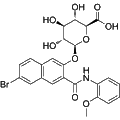
  • Naphthol AS-BI glucuronide
    Cat. No.
    B21402

    Naphthol AS-BI glucuronide

    Synonyms: Naphthol AS-BI β-D-glucuronide

    Naphthol AS-BI glucuronide is a biochemical assay reagent that serves as a substrate for the detection of β-glucuronidase activity. This compound is primarily utilized in various enzymatic assays to facilitate the study of glucuronidation processes in biological systems. Its utility extends to applications in pharmacology and toxicology, particularly in metabolism research and enzyme activity monitoring.

    25 mg
    $395.00
    All 1 sizes
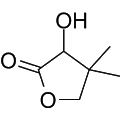
  • DL-Pantolactone
    Cat. No.
    B21587

    DL-Pantolactone

    DL-Pantolactone is a γ-lactone that serves as a substrate for hydrolysis by lactonohydrolase, converting it into Pantoic acid. This compound is utilized in various biochemical applications, including the synthesis of 3,5-dinitrobenzoyl-DL-pantolactone. Its chemical properties make it valuable for research involving enzymatic hydrolysis and organic synthesis.

    5 g
    $20.00
    10 g
    $25.00
    All 4 sizes
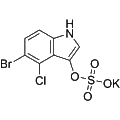
  • 5-Bromo-4-chloro-3-indolyl sulfate potassium
    Cat. No.
    B21592

    5-Bromo-4-chloro-3-indolyl sulfate potassium

    5-Bromo-4-chloro-3-indolyl sulfate potassium serves as a biochemical assay reagent with applications in enzyme activity measurement and substrate detection. This compound is particularly useful for identifying specific enzymatic reactions, allowing researchers to study biosynthetic pathways and enzyme kinetics. Its robust performance makes it suitable for various laboratory applications in biochemistry and molecular biology.

    Out of stock

    All 3 sizes
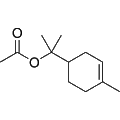
  • α-Terpinyl acetate
    Cat. No.
    B21675

    α-Terpinyl acetate

    α-Terpinyl acetate is a monoterpene ester that serves as a competitive substrate for the cytochrome P450 2B6 enzyme. It binds to the active site of P450 2B6, exhibiting a dissociation constant (Kd) value of 5.4 μM. This compound is valuable in pharmacokinetic studies and enzyme activity research, offering insights into drug metabolism and interactions.

    2 g
    $20.00
    5 g
    $25.00
    All 3 sizes
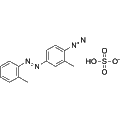
  • Fast garnet GBC sulfate salt, 90%
    Cat. No.
    B21762

    Fast garnet GBC sulfate salt, 90%

    Synonyms: Azoic diazo No. 4; 90%

    Fast garnet GBC sulfate salt is a chromogenic substrate designed for the enzyme alkaline phosphatase. It provides a colorimetric response upon hydrolysis, making it valuable for detecting the enzymatic activity in various biochemical assays. This reagent is commonly used in applications such as immunohistochemistry, ELISA, and other enzymatic assays where visualization of alkaline phosphatase activity is required.

    50 mg
    $20.00
    100 mg
    $30.00
    All 3 sizes
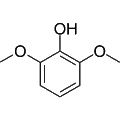
  • 2,6-Dimethoxyphenol
    Cat. No.
    B21772

    2,6-Dimethoxyphenol

    Synonyms: Syringol

    2,6-Dimethoxyphenol is a phenolic compound that serves as a substrate for laccase, an enzyme crucial in various biological oxidation processes. This compound demonstrates antioxidant activity through its ability to scavenge free radicals, making it valuable in studies focused on oxidative stress and enzymatic activity. Additionally, it can be utilized in research aimed at understanding laccase function and its applications in environmental and industrial settings.

    500 mg
    $20.00
    1 g
    $30.00
    All 4 sizes
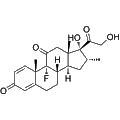
  • 11-Dehydrodexamethasone
    Cat. No.
    B21923

    11-Dehydrodexamethasone

    11-Dehydrodexamethasone is an effective substrate for the enzyme 11β-hydroxysteroid dehydrogenase (11β-HSD) type 1 and type 2. It is primarily utilized to study the enzymatic conversion to Dexamethasone through the reductive activity of 11β-HSD. This compound is valuable in research focusing on steroid metabolism, regulatory mechanisms of glucocorticoids, and their implications in various physiological processes.

    Out of stock

    All 3 sizes
Items 451-465 of 465

Added to your cart

View Cart Checkout

    Loading...