Biochemical Assay Reagents

Biochemical Assay Reagents collects small molecules used to prepare, run and calibrate biochemical and cell-based assays. Vitamins and cofactors such as niacin, riboflavin and biotin sit alongside sugars, sugar alcohols and amino acids such as L-arginine. Enzyme substrates and metal-ion chelators complete the range, including the calcium chelator 1,2-bis(2-aminophenoxy)ethane-N,N,N′,N′-tetraacetic acid (BAPTA). Three subcategories group related reagents, namely Carbohydrates & Glycobiology, Acyl-CoA & Cofactors for acyl-coenzyme A (acyl-CoA) compounds, and Chelators & Bifunctional Chelators. Most of these compounds act as substrates, cofactors, standards or buffer components rather than as inhibitors of a defined target.

Items 426-450 of 465

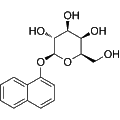
  • 1-Naphthalenyl β-D-galactopyranoside
    Cat. No.
    A94523

    1-Naphthalenyl β-D-galactopyranoside

    1-Naphthalenyl β-D-galactopyranoside serves as a substrate for β-galactosidase, facilitating enzymatic activity studies in biochemical assays. Its unique structure allows for the visualization of glycosidic bond hydrolysis, making it a valuable tool in glycobiology research. This reagent is instrumental in investigating glycan structures and interactions, contributing to the understanding of carbohydrate biology.

    Out of stock

    All 3 sizes
  • Pentachloroaniline
    Cat. No.
    A94604

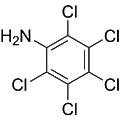
    Pentachloroaniline

    Synonyms: 2,3,4,5,6-Pentachloroaniline

    Pentachloroaniline is a pentachlorinated aromatic amine that acts as a substrate for reductive dehalogenation reactions, primarily serving as a metabolite of the pesticide quintozene. This compound can be reduced to yield various trichloroanilines and dichloroanilines, thereby playing a significant role in environmental studies related to the degradation of chlorinated compounds. It is important to note that pentachloroaniline does not initiate its own dehalogenation process in Desulfitobacterium frappieri PCP-1 and instead requires induction by 3,5-dichlorophenol for conversion.

    Out of stock

    All 3 sizes
  • 1,3-Distearoyl-2-linoleoyl glycerol
    Cat. No.
    A94657

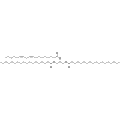
    1,3-Distearoyl-2-linoleoyl glycerol

    Synonyms: 1,3-Stearin-2-linolein; TG(18:0/18:2/18:0); 18:0/18:2/18:0-TG

    1,3-Distearoyl-2-linoleoyl glycerol is a biochemical reagent that serves as an important substrate for studying lipid metabolism. This compound embodies a unique structure with one linoleoyl and two stearoyl fatty acids, enabling investigations into membrane dynamics and lipid bilayer properties. Its applications include exploring lipid interaction with proteins and evaluating the effects of dietary fats on cellular processes. Researchers utilize this reagent to enhance their understanding of lipid roles in health and disease.

    1 mg
    $60.00
    5 mg
    $250.00
    All 4 sizes
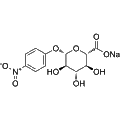
  • 4-Nitrophenyl β-D-glucuronide sodium
    Cat. No.
    A94729

    4-Nitrophenyl β-D-glucuronide sodium

    4-Nitrophenyl β-D-glucuronide sodium is a substrate for glucuronidase enzymes, primarily utilized in biochemical assays. This compound serves as a valuable tool in glycobiology research, enabling the study of glycosylation processes and enzyme activities. Its hydrolysis produces a colorimetric change, facilitating the detection and quantification of enzymatic activity in various biological samples.

    25 mg
    $50.00
    50 mg
    $75.00
    All 5 sizes
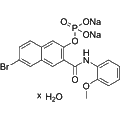
  • Naphthol AS-BI phosphate disodium hydrate
    Cat. No.
    A94822

    Naphthol AS-BI phosphate disodium hydrate

    Naphthol AS-BI phosphate disodium hydrate serves as a test substrate for the assessment of alkaline and acidic phosphatase activities. This reagent is particularly useful in measuring the activity of individual cell acid phosphatase, making it valuable in biochemical research and enzyme activity studies. Its application extends to various fields, including cell biology and clinical diagnostics, where precise enzyme activity measurement is essential.

    Out of stock

    All 3 sizes
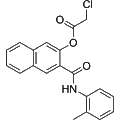
  • Naphthol AS-D chloroacetate,98% (TLC)
    Cat. No.
    A94887

    Naphthol AS-D chloroacetate,98% (TLC)

    Synonyms: 3-Hydroxy-2-naphthoic-o-toluidide chloroacetate; 98% (TLC)

    Naphthol AS-D chloroacetate is a test substrate primarily used for the histochemical localization of esterases. This compound serves as a valuable tool in studies aimed at identifying and characterizing esterase enzyme activity within various biological samples. Its effective substrate properties facilitate the visualization of esterase activity, making it an important reagent in biochemical research and histological applications.

    5 mg
    $20.00
    10 mg
    $25.00
    All 6 sizes
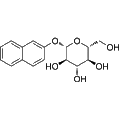
  • 2-Naphthalenyl β-D-glucopyranoside
    Cat. No.
    A94942

    2-Naphthalenyl β-D-glucopyranoside

    2-Naphthalenyl β-D-glucopyranoside is a synthetic sugar analogue that serves as a substrate in various biochemical assays. Its structural properties make it useful for studying glycosylation processes and enzyme activity in glycobiology research. This compound is valuable for investigating interactions between carbohydrates and proteins, aiding in the understanding of cellular mechanisms and signaling pathways.

    50 mg
    $135.00
    100 mg
    $185.00
    All 4 sizes
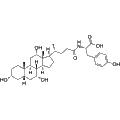
  • Cholyl-L-tyrosine
    Cat. No.
    A96739

    Cholyl-L-tyrosine

    Synonyms: TyrCA

    Cholyl-L-tyrosine is a cholyl conjugate of L-tyrosine that serves as a substrate for enzymatic hydrolysis by pancreatic juices. This compound is instrumental in studying lipid metabolism and the roles of bile acids in digestion. Its use can provide insights into the biochemical interactions between bile acids and amino acids, contributing to research in gastrointestinal function and disorders.

    Out of stock

    All 3 sizes
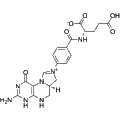
  • Anhydroleucovorin
    Cat. No.
    A97926

    Anhydroleucovorin

    Anhydroleucovorin is a form of tetrahydrofolate that acts as a substrate for cyclohydrolase, facilitating its conversion to 10-formyltetrahydrofolate. This compound is primarily utilized in oncology research to study folate metabolism and its implications in cancer biology. Its role in the synthesis of formyl groups makes it valuable for investigating metabolic pathways related to cell proliferation and differentiation.

    5 mg
    $275.00
    10 mg
    $450.00
    All 3 sizes
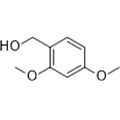
  • 2,4-Dimethoxybenzyl alcohol
    Cat. No.
    A98307

    2,4-Dimethoxybenzyl alcohol

    2,4-Dimethoxybenzyl alcohol serves as a substrate for the glucose-methanol-choline (GMC) oxidoreductase enzyme, which functions as an aryl-alcohol oxidase. This aromatic alcohol is crucial in biochemical assays involving GMC oxidoreductase, offering insights into enzymatic mechanisms and metabolic pathways. Additionally, it can be utilized as a drug intermediate in organic synthesis.

    5 g
    $20.00
    10 g
    $30.00
    All 4 sizes
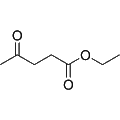
  • Ethyl 4-oxopentanoate
    Cat. No.
    A99211

    Ethyl 4-oxopentanoate

    Ethyl 4-oxopentanoate is a carbonyl substrate that targets Rhodococcus erythropolis carbonyl reductase (RECR). This compound exhibits significant biological activity as a substrate for the enzymatic reduction process, facilitating studies on ketone transformations. It is widely applicable in biochemical research focused on enzyme activity and metabolic pathways involving carbonyl compounds.

    500 mg
    $25.00
    1 g
    $40.00
    All 2 sizes
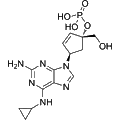
  • Abacavir 5′-phosphate
    Cat. No.
    A99375

    Abacavir 5′-phosphate

    Abacavir 5′-phosphate is a substrate for adenosine deaminase-like protein 1 (ADAL1). This compound is of particular interest in the study of HIV infection, facilitating research into antiviral mechanisms and potential therapeutic strategies. Its role as a substrate may provide insights into the enzymatic processes involved in nucleoside metabolism and their implications in viral pathogenesis.

    Out of stock

    All 3 sizes
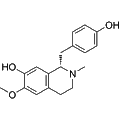
  • N-Methylcoclaurine
    Cat. No.
    B10286

    N-Methylcoclaurine ((S)-N-methylcoclaurine)

    Synonyms: (S)-N-methylcoclaurine

    N-Methylcoclaurine is a substrate of the enzyme CyNMCH, playing a crucial role in the biosynthesis of benzylisoquinoline alkaloids. This compound serves as an important branch point intermediate, facilitating the production of various bioactive alkaloids. Its application in research further enhances understanding of metabolic pathways and the enzymatic processes involved in alkaloid synthesis.

    Out of stock

    All 3 sizes
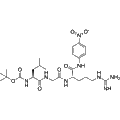
  • Endotoxin Substrate
    Cat. No.
    B11030

    Endotoxin Substrate

    Endotoxin Substrate (Boc-LGR-pNA) is a chromogenic substrate designed for the quantitative assessment of endotoxin levels. It provides a reliable method to evaluate endotoxin contamination in various biological samples. This substrate is particularly useful in pharmaceutical and microbiological research applications, facilitating the detection and measurement of lipopolysaccharide activity.

    5 mg
    $40.00
    10 mg
    $60.00
    All 5 sizes
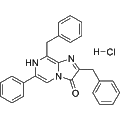
  • Coelenteramine 400a hydrochloride
    Cat. No.
    B11146

    Coelenteramine 400a hydrochloride

    Synonyms: Coelenterazine 400a hydrochloride; Bisdeoxycoelenterazine hydrochloride

    Coelenteramine 400a hydrochloride serves as a substrate for Renilla luciferase (RLuc), facilitating the emission of blue light at 395 nm. This compound enhances bioluminescence reactions by substituting the sulfur and oxygen heteroatoms of the methylene bridge, resulting in improved signal resolution. Coelenteramine 400a hydrochloride is applicable in studies of bioluminescence resonance energy transfer (BRET), making it a valuable reagent for bioluminescence research.

    Out of stock

    All 3 sizes
  • L-Luciferin
    Cat. No.
    B11314

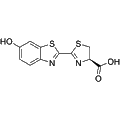
    L-Luciferin

    L-Luciferin is an alternative substrate for the enzyme luciferase, primarily utilized for bioluminescence applications in research. It competes with firefly luciferin, influencing light production based on enzyme concentration and substrate availability. This compound is widely used in studies involving gene expression, cellular activity, and drug screening, providing valuable insights into various biological processes.

    1 mg
    $155.00
    5 mg
    $395.00
    All 7 sizes
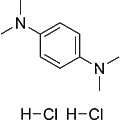
  • TMPD dihydrochloride
    Cat. No.
    B18124

    TMPD dihydrochloride

    TMPD dihydrochloride is a redox-active substrate molecule that serves as an electron donor and reducing cosubstrate for heme peroxidases. It is readily oxidizable, making it useful in enzymatic assays to study redox processes. Additionally, TMPD dihydrochloride functions as a substrate for cytochrome c oxidase (complex IV), enabling research into cellular respiration and oxidative phosphorylation pathways.

    1 g
    $20.00
    5 g
    $55.00
    All 2 sizes
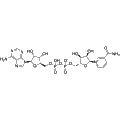
  • α-NAD
    Cat. No.
    B18182

    α-NAD

    Synonyms: α-Nicotinamide Adenine Dinucleotide

    α-NAD (α-Nicotinamide Adenine Dinucleotide) serves as a substrate for renalase and functions as an analog of β-NAD, impacting the kinetics of NAD-dependent enzymes. This compound plays a vital role as a cofactor in mitochondrial oxidation-reduction reactions, facilitating essential metabolic processes. Its application in research extends to studies involving energy metabolism and enzyme kinetics in various biological systems.

    5 mg
    $285.00
    All 1 sizes
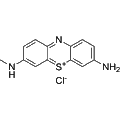
  • Azure C
    Cat. No.
    B18199

    Azure C

    Synonyms: Monomethylthionine

    Azure C is a chemical compound that functions as a substrate for horseradish peroxidase (HRP). It is produced through the sequential enzymatic oxidation of Methylene blue (MB) or Azure B (AB). This reagent is primarily utilized in various biochemical assays to study peroxidase activity and enzyme kinetics, making it valuable in enzyme research and related applications.

    1 g
    $25.00
    All 1 sizes
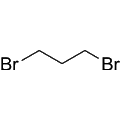
  • 1,3-Dibromopropane
    Cat. No.
    B18320

    1,3-Dibromopropane

    Synonyms: Trimethylene dibromide

    1,3-Dibromopropane functions as a substrate for haloalkane dehalogenase enzymes, specifically in assays involving DmmA. This compound is useful for studying the enzymatic dehalogenation reactions and understanding the mechanisms of haloalkane degradation. It provides valuable insights into bioremediation processes and the enzymatic breakdown of halogenated compounds in various biological contexts.

    5 g
    $20.00
    10 g
    $25.00
    All 3 sizes
  • UDP-β-D-glucose disodium
    Cat. No.
    B18334

    UDP-β-D-glucose disodium

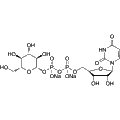
    UDP-β-D-glucose disodium is a substrate involved in glycosylation reactions, primarily serving as a donor of glucose moieties. It is pivotal for the biosynthesis of glycoproteins and glycolipids, facilitating the assembly of complex carbohydrates. This compound is commonly utilized in biochemical studies aimed at understanding glycosylation processes and assessing carbohydrate structure-function relationships in cellular biology.

    100 mg
    $100.00
    250 mg
    $335.00
    All 4 sizes
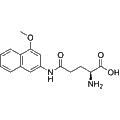
  • H-Glu(4MβNA)-OH
    Cat. No.
    B18368

    H-Glu(4MβNA)-OH

    Synonyms: H-Glu(4MbetaNA)-OH; L-Glutamic acid γ-(4-methoxy-β-naphthylamide)

    H-Glu(4MβNA)-OH is a specialized substrate designed for the study of aminopeptidases (APs). This compound enables the cleavage and characterization of AP activity, facilitating research into peptide metabolism and enzyme kinetics. Its application is valuable for biochemical assays and enzymology studies, aiding in the investigation of substrate specificity and enzyme mechanisms.

    1 mg
    $45.00
    5 mg
    $90.00
    All 2 sizes
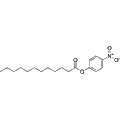
  • 4-Nitrophenyl Laurate
    Cat. No.
    B18385

    4-Nitrophenyl Laurate

    4-Nitrophenyl Laurate is a 4-nitrophenyl ester that serves as a substrate for various enzymes. Its structural properties enable it to participate in enzymatic reactions, making it a useful tool in biochemical research. This compound is particularly valuable in studies involving lipid metabolism and enzyme kinetics.

    50 mg
    $25.00
    100 mg
    $30.00
    All 2 sizes
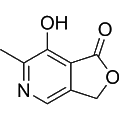
  • 4-Pyridoxolactone
    Cat. No.
    B18492

    4-Pyridoxolactone

    Synonyms: β-Pyracin

    4-Pyridoxolactone is an essential metabolic substrate in the degradation pathway of vitamin B6, particularly involved in the metabolic processes mediated by soil microorganisms. It acts as the specific substrate for the enzyme 4-pyridoxolactonase, which catalyzes a zinc-dependent hydrolysis of the lactone ring. This reaction ultimately produces 4-pyridoxic acid (4PA), highlighting its significance in vitamin B6 metabolism and its potential applications in biochemical research.

    1 mg
    $55.00
    5 mg
    $115.00
    All 3 sizes
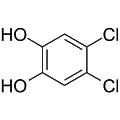
  • 4,5-Dichlorocatechol
    Cat. No.
    B19768

    4,5-Dichlorocatechol

    4,5-Dichlorocatechol serves as a substrate for the broad-spectrum chlorocatechol 1,2-dioxygenase found in Pseudomonas chlororaphis RW71. This compound exhibits notable inhibitory activity, with Ki values of 30 nM for the dioxygenase from Pseudomonas putida AC27 and 4 nM for the dioxygenase from Acidovorax sp. strain PS14. It is valuable for research applications involving microbial degradation processes and enzymatic studies of chlorinated aromatic compounds.

    1 mg
    $65.00
    5 mg
    $70.00
    All 8 sizes

Items 426-450 of 465

Added to your cart

View Cart Checkout

    Loading...