Impurities & Reference Standards

Impurities & Reference Standards collects environmental contaminants, industrial chemicals and drug stereoisomers. Many entries are substances monitored in environmental and food analysis, such as the plasticizer dimethyl phthalate and the polycyclic aromatic hydrocarbon fluorene. Flame retardants are represented by the organophosphate triphenyl phosphate and by brominated compounds. Perfluorodecanoic acid belongs to the per- and polyfluoroalkyl substances (PFAS), a class known for persistence in the environment. A second group holds enantiomers and isomers of research compounds, such as (R)-Asundexian, the (R)-enantiomer of the factor XIa inhibitor asundexian. Such isomers support stereochemical comparison and the development of chromatographic separation methods. Process-related and degradation compounds of individual drugs are listed separately under Drug Impurity.

Items 51-75 of 361

  • (-)-TK216 (l-TK216)
    Cat. No.
    A38021

    (-)-TK216 (l-TK216)

    (-)-TK216 is the enantiomer of TK216, a potent and orally bioavailable inhibitor of E26 transformation-specific (ETS) transcription factors. This compound exhibits significant anti-cancer activity, making it a valuable tool for research focused on gene regulation and oncogenic pathways. Its efficacy in targeting ETS-related mechanisms positions (-)-TK216 as a pertinent compound for investigative studies in cancer biology and therapeutic development.

    5 mg
    $100.00
    10 mg
    $175.00
    All 5 sizes
  • Adeninobananin
    Cat. No.
    A38124

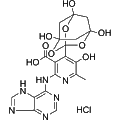
    Adeninobananin

    Adeninobananin is a negative control reagent that serves as a reference compound in research involving SARS Coronavirus helicase. It exhibits no inhibitory activity, making it an essential tool for validating experimental outcomes and ensuring the reliability of data in studies related to viral replication and helicase function. Its use is crucial in distinguishing specific effects of active compounds in antiviral research.

    5 mg
    $795.00
    All 1 sizes
  • 5,6-Epoxyretinyl palmitate
    Cat. No.
    A38166

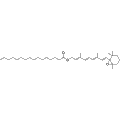
    5,6-Epoxyretinyl palmitate

    Synonyms: 5,6-Epoxy-RP

    5,6-Epoxyretinyl palmitate is a significant photodegradation product of retinyl palmitate, generated upon UVA light exposure. This compound exhibits phototoxic effects on cells, leading to substantial DNA single-strand breaks, DNA damage, and chromosomal mutations in light-activated conditions. Its distinctive biological activity makes it valuable for research applications investigating phototoxicity, cellular responses to UV irradiation, and mechanisms of DNA damage.

    Out of stock

    All 3 sizes
  • S-(N-PhenethylthiocarbaMoyl)-L-cysteine
    Cat. No.
    A38182

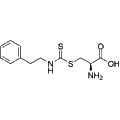
    S-(N-PhenethylthiocarbaMoyl)-L-cysteine

    Synonyms: PEITC-Cys

    S-(N-PhenethylthiocarbaMoyl)-L-cysteine (PEITC-Cys) functions primarily as a P450 inhibitor, exhibiting significant anticarcinogenic properties. This compound demonstrates notable antileukemic activity by inhibiting DNA synthesis in HL60 cells. PEITC-Cys is valuable for research applications focused on cancer biology and drug metabolism studies.

    25 mg
    $1,800.00
    50 mg
    $2,285.00
    All 3 sizes
  • Primordazine NC-6364997
    Cat. No.
    A38608

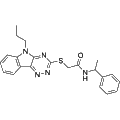
    Primordazine NC-6364997

    Primordazine NC-6364997 serves as a negative control compound in the study of Primordazine A and Primordazine B. It allows researchers to delineate the specific effects of the active compounds by providing a baseline for comparison. This reagent is essential for validating experimental results in pharmacological studies and contributes to the overall understanding of the Primordazine series.

    Out of stock

    All 3 sizes
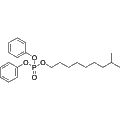
  • Isodecyl diphenyl phosphate
    Cat. No.
    A38614

    Isodecyl diphenyl phosphate

    Synonyms: IDPP

    Isodecyl diphenyl phosphate (IDPP) functions as a flame retardant by altering polymer properties to enhance thermal stability. It has been shown to induce DNA damage and reduce the proportion of cells in the S phase in A549 cell lines. IDPP is primarily utilized in materials science research, particularly in studies focused on flame retardancy and the cellular effects of reactive compounds.

    5 mg
    $70.00
    10 mg
    $110.00
    All 4 sizes
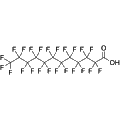
  • Perfluorododecanoic acid
    Cat. No.
    A38896

    Perfluorododecanoic acid

    Synonyms: PFDoA

    Perfluorododecanoic acid (PFDoA) is a perfluoroalkyl substance (PFAS) known for its impact on cellular viability. Research indicates that PFDoA decreases the viability of PC12 cells while simultaneously increasing levels of reactive oxygen species (ROS) and malondialdehyde (MDA). Furthermore, exposure to PFDoA leads to a reduction in mitochondrial membrane potential, highlighting its significance in studies related to oxidative stress and cellular toxicity.

    10 mg
    $25.00
    25 mg
    $35.00
    All 5 sizes
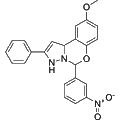
  • (Rac)-Phox-I1
    Cat. No.
    A39091

    (Rac)-Phox-I1

    (Rac)-Phox-I1 is a racemic isomer of Phox-I1, functioning primarily as an inhibitor of p67phox. This compound effectively inhibits the production of reactive oxygen species (ROS), making it a valuable tool in studies of oxidative stress and related signaling pathways. Its application extends to research on inflammatory diseases and metabolic disorders where ROS play a critical role.

    25 mg
    $1,275.00
    50 mg
    $1,625.00
    All 3 sizes
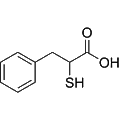
  • PD 145305
    Cat. No.
    A39836

    PD 145305

    Synonyms: 3-Phenyl-2-sulfanylpropanoic acid

    PD 145305, a structural analogue of PD150606, serves as an inactive counterpart in calpain inhibition studies. While PD150606 is known for its selective inhibition of calpain enzymes, PD 145305 lacks this inhibitory activity, making it useful as a control in research applications. This compound is valuable for investigations into calpain-related pathways and mechanisms without the confounding effects of enzymatic inhibition.

    1 mg
    $80.00
    All 1 sizes
  • WAY-120744
    Cat. No.
    A40166

    WAY-120744

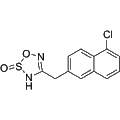
    WAY-120744 is a novel naphthalenyl 3H-1,2,3,5-oxathiadiazole 2-oxide that acts as a potent modulator of biological targets relevant to chemotherapeutic strategies. This compound demonstrates significant anti-cancer activity, making it suitable for applications in cancer research and drug development. Its unique structure permits exploration of mechanisms of action in various cellular contexts, providing valuable insights into the modulation of signaling pathways.

    25 mg
    $1,275.00
    All 1 sizes
  • GSK8573
    Cat. No.
    A40277

    GSK8573

    GSK8573 is an inactive control compound with a specific binding affinity to BRD9, exhibiting a Kd value of 1.04 μM. While it acts as an acetyl-lysine competitive inhibitor, GSK8573 is not active against BAZ2A/B or other bromodomain family members. This compound serves as a structurally related negative control in biological experiments, allowing researchers to validate findings in studies involving bromodomain interactions.

    5 mg
    $25.00
    10 mg
    $45.00
    All 5 sizes
  • (Rac)-EBET-1055
    Cat. No.
    A40304

    (Rac)-EBET-1055

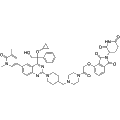
    (Rac)-EBET-1055 is a racemic mixture of the PROTAC degrader EBET-1055, targeting bromodomain and extra-terminal (BET) proteins. This compound effectively inhibits the growth of pancreatic ductal adenocarcinoma (PDAC) while modulating the activity of cancer-associated fibroblasts (CAFs). Additionally, (Rac)-EBET-1055 enhances reporter gene activities in organoid co-cultures, making it a valuable tool for studying tumor microenvironment interactions and potential therapeutic strategies in cancer research.

    5 mg
    $305.00
    10 mg
    $475.00
    All 5 sizes
  • cis-SIM1
    Cat. No.
    A40376

    cis-SIM1

    cis-SIM1 serves as a negative control for studies involving SIM1. This compound is crucial for verifying the specificity of experimental results where SIM1 activity is being assessed. It ensures accurate interpretation of data by providing a baseline against which SIM1-mediated effects can be measured in biological research.

    2 mg
    $625.00
    All 1 sizes
  • SGC-BRDVIII-NC
    Cat. No.
    A40475

    SGC-BRDVIII-NC

    SGC-BRDVIII-NC is a negative control compound for SMARCA2/4 and PB1 bromodomain inhibition. This compound effectively disrupts protein-ligand interactions by methylating the phenolic hydroxyl group, validating its use as a control in experimental setups. SGC-BRDVIII-NC is suitable for research applications related to adipogenesis, aiding in the understanding of the role of bromodomain inhibitors in cellular processes.

    Out of stock

    All 3 sizes
  • (R)-Ziftomenib
    Cat. No.
    A40539

    (R)-Ziftomenib

    Synonyms: (R)-KO-539

    (R)-Ziftomenib is the R-enantiomer of Ziftomenib, an orally active inhibitor of the menin-MLL interaction. This compound exhibits significant antitumor activity and is primarily utilized in research focused on therapeutic strategies targeting MLL-rearranged leukemias. Its selective inhibition of menin provides a valuable tool for investigating the role of this pathway in cancer biology.

    Out of stock

    All 3 sizes
  • (±)-JQ1 (racemic JQ1)
    Cat. No.
    A40611

    (±)-JQ1 (racemic JQ1)

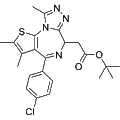
    (±)-JQ1 is a racemic mixture known for its selective inhibition of bromodomain-containing protein 4 (BRD4). This compound has demonstrated significant anti-inflammatory and anti-proliferative activities, making it a valuable tool in cancer research and epigenetic studies. Its ability to modulate gene expression through epigenetic mechanisms supports its application in investigating cellular signaling pathways and therapeutic interventions.

    1 mg
    $135.00
    5 mg
    $345.00
    All 2 sizes
  • Firsocostat (S enantiomer)
    Cat. No.
    A43938

    Firsocostat (S enantiomer)

    Synonyms: ND-630 (S enantiomer); GS-0976 (S enantiomer); NDI-010976 (S enantiomer)

    Firsocostat (S enantiomer) is a less active form of the ACC inhibitor, Firsocostat. As an inhibitor of acetyl-CoA carboxylase, it plays a role in metabolic modulation by influencing fatty acid synthesis and oxidation. This compound is primarily utilized in research focused on metabolic disorders, obesity, and related therapeutic interventions.

    1 mg
    $315.00
    5 mg
    $740.00
    All 2 sizes
  • Fz7-21S
    Cat. No.
    A44215

    Fz7-21S

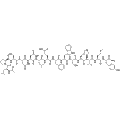
    Fz7-21S is a negative control for the peptide antagonist Fz7-21, targeting FZD7 receptors. This reagent serves as a critical tool in experimental setups that require the evaluation of Fz7-21 activity without exerting its inhibitory effects. It is suitable for studies focused on FZD7-mediated signaling pathways, enabling researchers to delineate the specific biological functions and downstream effects associated with FZD7 receptor inhibition.

    1 mg
    $90.00
    5 mg
    $240.00
    All 3 sizes
  • 1-Methylpyrene
    Cat. No.
    A45469

    1-Methylpyrene

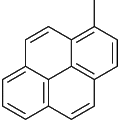
    1-Methylpyrene is an environmental pollutant and a rodent carcinogen, primarily targeting cellular mutagenesis. It exhibits mutagenic activity through metabolic activation by cytochrome P450 (CYP) and sulfotransferase (SULT) enzymes. Key biological activities include inducing chromosome loss and causing mitotic disturbances, making it relevant for studies in carcinogenic risk assessment and environmental toxicology.

    10 mg
    $35.00
    All 1 sizes
  • Erythromycin A enol ether
    Cat. No.
    A46562

    Erythromycin A enol ether

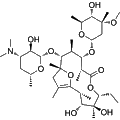
    Erythromycin A enol ether is a degradation product of the macrolide antibiotic Erythromycin A. This compound does not exhibit antibacterial activity due to its acidic nature. It serves as an important marker in the study of Erythromycin A stability and degradation mechanisms, contributing to research on antibiotic efficacy and formulation development.

    1 mg
    $30.00
    2 mg
    $55.00
    All 8 sizes
  • Tulathromycin B
    Cat. No.
    A46642

    Tulathromycin B

    Synonyms: CP 547272

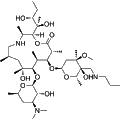
    Tulathromycin B is an isomer of Tulathromycin, a macrolide antibiotic that primarily targets bacterial protein synthesis by inhibiting the 50S ribosomal subunit. This compound exhibits significant antibacterial activity, particularly against respiratory pathogens in veterinary medicine. Tulathromycin B serves as an important tool for research focusing on antibiotic mechanisms and the development of novel antimicrobial therapies.

    1 mg
    $200.00
    5 mg
    $460.00
    All 2 sizes
  • Δ2,3-Doramectin
    Cat. No.
    A47258

    Δ2,3-Doramectin

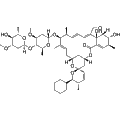
    Δ2,3-Doramectin is a primary degradation product of doramectin, which is an antiparasitic antibiotic. This compound plays a crucial role in the study of doramectin's stability and metabolic processes. Research applications include investigating the pharmacokinetics and environmental fate of doramectin in various biological systems.

    Out of stock

    All 3 sizes
  • 6:2 Fluorotelomer alcohol
    Cat. No.
    A48157

    6:2 Fluorotelomer alcohol

    Synonyms: 6:2 FTOH; 1H,1H; 2H; 2H-Perfluoro-1-octanol; 2-(Perfluorohexyl)ethanol

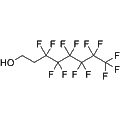
    6:2 Fluorotelomer alcohol (6:2 FTOH) targets short-chain perfluoroalkyl substances (PFAS) and is known for its potential to undergo microbial degradation. It significantly influences the structure and composition of bacterial communities in sediments, leading to alterations in both richness and diversity. This compound serves as an important reagent in environmental research, particularly in studies addressing the ecological impacts of PFAS contamination.

    500 mg
    $20.00
    25 g
    $25.00
    All 5 sizes
  • (Rac)-TBAJ-876
    Cat. No.
    A48169

    (Rac)-TBAJ-876

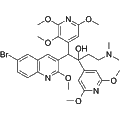
    (Rac)-TBAJ-876 is a racemic mixture of TBAJ-876, a potent inhibitor of Mycobacterium tuberculosis. This compound serves as an analogue of the well-known anti-tuberculosis agent Bedaquiline, exhibiting promising anti-mycobacterial activity. (Rac)-TBAJ-876 is utilized in research aimed at understanding and combating tuberculosis, contributing valuable insights into therapeutic strategies against this infectious disease.

    1 mg
    $310.00
    5 mg
    $805.00
    All 6 sizes
  • (Z)-Heptaprenyl-MPDA diammonium
    Cat. No.
    A48412

    (Z)-Heptaprenyl-MPDA diammonium

    Synonyms: (Z)-Heptaprenyl phosphate diammonium

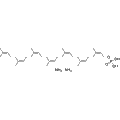
    (Z)-Heptaprenyl-MPDA diammonium is the (Z)-isomer of Heptaprenyl-MPDA, a short-chain homolog of undecaprenyl phosphate. This compound serves as an endogenous substrate for Phospho-MurNAc-pentapeptide translocase (MraY), playing a critical role in bacterial cell wall biosynthesis. It is suitable for investigating mechanisms involved in bacterial infections and contributes to research on antimicrobial targets.

    Out of stock

    All 3 sizes

Items 51-75 of 361

Added to your cart

View Cart Checkout

    Loading...