Impurities & Reference Standards

Impurities & Reference Standards collects environmental contaminants, industrial chemicals and drug stereoisomers. Many entries are substances monitored in environmental and food analysis, such as the plasticizer dimethyl phthalate and the polycyclic aromatic hydrocarbon fluorene. Flame retardants are represented by the organophosphate triphenyl phosphate and by brominated compounds. Perfluorodecanoic acid belongs to the per- and polyfluoroalkyl substances (PFAS), a class known for persistence in the environment. A second group holds enantiomers and isomers of research compounds, such as (R)-Asundexian, the (R)-enantiomer of the factor XIa inhibitor asundexian. Such isomers support stereochemical comparison and the development of chromatographic separation methods. Process-related and degradation compounds of individual drugs are listed separately under Drug Impurity.

Items 26-50 of 361

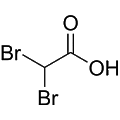
  • Dibromoacetic acid
    Cat. No.
    A31485

    Dibromoacetic acid

    Dibromoacetic acid is a haloacetic acid that serves as a disinfection by-product found in drinking water. It is known to exhibit immunotoxic effects and can induce apoptosis in various cellular contexts. This compound is utilized in research focused on understanding the toxicological implications of water quality and the health risks associated with disinfection by-products.

    100 mg
    $40.00
    All 1 sizes
  • ETM-305
    Cat. No.
    A32950

    ETM-305

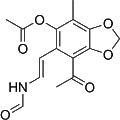
    ETM-305 is a degradation product of the anticancer agent ET-743 (Ecteinascidin 743). This tetrahydroisoquinoline alkaloid targets the minor groove of DNA, effectively inhibiting the transcription of stress-induced proteins, inducing DNA backbone cleavage, and promoting apoptosis in cancer cells. It has been shown to enhance reactive oxygen species (ROS) production in MCF-7 and MDA-MB-453 cell lines, making it a valuable tool for investigating the mechanisms of soft tissue sarcoma and ovarian cancer.

    Out of stock

    All 3 sizes
  • Dipropyl phthalate
    Cat. No.
    A32994

    Dipropyl phthalate

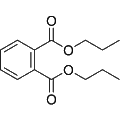
    Dipropyl phthalate acts primarily as a plasticizer. It has been shown to activate the FoxO signaling pathway, resulting in abnormal proliferation and apoptosis of pharyngeal arch cartilage in zebrafish models. Additionally, this compound induces developmental defects in the craniofacial cartilage of zebrafish embryos, making it a relevant tool for studies on developmental biology and toxicology.

    50 mg
    $35.00
    100 mg
    $55.00
    All 3 sizes
  • Trihexyl phosphate
    Cat. No.
    A33068

    Trihexyl phosphate

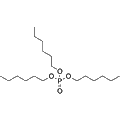
    Trihexyl phosphate is an organophosphate compound serving as a flame retardant. It exhibits mitochondrial impairment and induces apoptosis in CHO cells. Additionally, Trihexyl phosphate promotes the proliferation of human breast cancer cells (MCF-7) in a dose-dependent manner and displays estrogenic activity through ERα-independent pathways, making it useful for research in cancer biology and toxicology.

    10 mg
    $20.00
    25 mg
    $35.00
    All 4 sizes
  • (S)-Lomedeucitinib
    Cat. No.
    A33318

    (S)-Lomedeucitinib

    Synonyms: (S)-BMS-986322

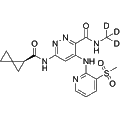
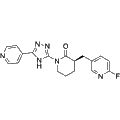
    (S)-Lomedeucitinib is the S-enantiomer of Lomedeucitinib and functions as a selective inhibitor of tyrosine protein kinase 2 (TYK2). This compound demonstrates significant potential in modulating immune responses and has applications in research related to autoimmune diseases and other TYK2-dependent pathways. Its structural properties and mechanism of action make it a valuable tool in the study of targeted therapies and signal transduction.

    1 mg
    $40.00
    5 mg
    $100.00
    All 3 sizes
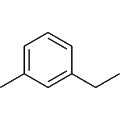
  • 3-Ethyltoluene
    Cat. No.
    A33537

    3-Ethyltoluene

    Synonyms: 3-Methylethylbenzene

    3-Ethyltoluene (3-Methylethylbenzene) is an isomer of ethyltoluenes that primarily targets cellular pathways involved in survival and proliferation. This compound has been shown to inhibit cell growth while inducing reactive oxygen species (ROS) production and upregulating inflammatory gene expression. Additionally, 3-Ethyltoluene promotes fibrosis in cells, leading to increased levels of liver-associated biomarkers, including AST, FGF-23, Cyt-7 p21, TGFβ, TIMP2, and MMP2. It is particularly relevant for research into liver diseases, such as non-alcoholic fatty liver disease (NAFLD).

    50 mg
    $30.00
    100 mg
    $40.00
    All 2 sizes
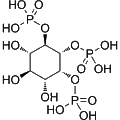
  • α-Trinositol
    Cat. No.
    A33578

    α-Trinositol

    Synonyms: PP 56

    α-Trinositol is an isomer of the intracellular signaling molecule inositol trisphosphate (IP3). It plays a critical role in cellular signaling pathways, particularly in regulating calcium release and modulating glial cell responses. α-Trinositol is valuable for research applications focusing on in vitro cytotoxicity, as well as studies on glutamate-induced glial cytotoxic swelling and injury, providing insight into neurodegenerative processes and potential therapeutic interventions.

    25 mg
    $1,275.00
    50 mg
    $1,625.00
    All 3 sizes
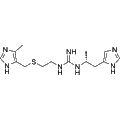
  • Sopromidine
    Cat. No.
    A34199

    Sopromidine

    Sopromidine is a potent stereoselective isomer of the achiral H2-agonist Impromidine. It exhibits significant activity as a histamine H2 receptor agonist, influencing gastric acid secretion and various physiological processes. This reagent is primarily utilized in research focused on gastrointestinal physiology and pharmacology, facilitating studies on the modulation of histaminergic pathways.

    Out of stock

    All 3 sizes
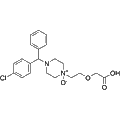
  • Cetirizine N-oxide
    Cat. No.
    A34204

    Cetirizine N-oxide

    Cetirizine N-oxide is an oxidative degradation product of the histamine H1 receptor antagonist cetirizine. This compound serves as a useful reference in studies investigating the metabolic pathways and stability of cetirizine. Research applications may include pharmacokinetic studies, drug metabolism investigations, and the assessment of oxidative stress impacts on antihistamine efficacy.

    10 mg
    $400.00
    25 mg
    $660.00
    All 3 sizes
  • (R,R)-Bexobrutideg
    Cat. No.
    A34465

    (R,R)-Bexobrutideg

    Synonyms: (R,R)-NX-5948; (R,R)-BTK-IN-24

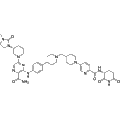
    (R,R)-Bexobrutideg is the (R,R)-enantiomer of Bexobrutideg, acting as a potent PROTAC that facilitates the targeted degradation of Bruton's tyrosine kinase (BTK) via the cereblon E3 ligase (CRBN) complex. This compound demonstrates significant anti-inflammatory effects by inhibiting B cell activation and has shown efficacy in tumor growth suppression in TMD8 xenograft models exhibiting wild-type BTK and BTKi resistance mutations. Additionally, (R,R)-Bexobrutideg is effective in a mouse model of collagen-induced arthritis and possesses the ability to penetrate the blood-brain barrier, making it a valuable tool for research into autoimmune diseases and hematological cancers.

    5 mg
    $155.00
    10 mg
    $240.00
    All 5 sizes
  • (R)-SARM1-IN-5
    Cat. No.
    A35431

    (R)-SARM1-IN-5

    (R)-SARM1-IN-5 is the (R)-enantiomer of a selective SARM1 inhibitor. This compound plays a crucial role in modulating axonal degeneration, making it applicable in research focused on neurodegenerative diseases, including Alzheimer's disease, Parkinson's disease, amyotrophic lateral sclerosis (ALS), and multiple sclerosis (MS). Its inhibition of SARM1 offers valuable insights into potential therapeutic strategies for these conditions.

    1 mg
    $470.00
    All 1 sizes
  • (Rac)-VB-201
    Cat. No.
    A35436

    (Rac)-VB-201

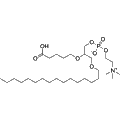
    (Rac)-VB-201 serves as a racemic mixture of VB-201, a small molecule characterized as an oxidized phospholipid. This compound primarily targets CD14 and toll-like receptor 2, effectively inhibiting innate cell activation. Its key biological activity includes the suppression of atherosclerosis, making it a valuable tool for research in cardiovascular diseases and inflammation pathways.

    25 mg
    $1,530.00
    50 mg
    $1,950.00
    All 3 sizes
  • 1-Oleoyl-2-hydroxy-sn-glycero-3-phospho-L-serine sodium
    Cat. No.
    A35804

    1-Oleoyl-2-hydroxy-sn-glycero-3-phospho-L-serine sodium

    Synonyms: 18:1 Lyso-PS

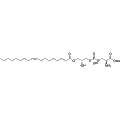
    1-Oleoyl-2-hydroxy-sn-glycero-3-phospho-L-serine sodium is a modified phosphatidylserine (PS) product that facilitates signal transduction following NADPH oxidase activation. This compound enhances macrophage phagocytosis of both apoptotic neutrophils and PS-exposed activated neutrophils, making it valuable for studies related to inflammation. Additionally, it serves as a substrate for lysophosphatidyltransferase, leading to diacylphosphatidylserine synthesis, and has been shown to reduce IL-8 secretion while decreasing the viability of colon cancer cells. 1-Oleoyl-2-hydroxy-sn-glycero-3-phospho-L-serine sodium is useful in researching peritonitis and inflammatory bowel disease.

    5 mg
    $310.00
    10 mg
    $570.00
    All 5 sizes
  • KF-52 enantiomer
    Cat. No.
    A36290

    KF-52 enantiomer

    KF-52 enantiomer is a selective inhibitor of phosphofructokinase-1 (PFK1), an essential enzyme in glycolysis. By modulating PFK1 activity, this compound potentially affects glucose metabolism and energy production in cells. Its biological activity makes it a valuable tool for research into metabolic disorders and cancer biology, where altered glycolytic pathways are often implicated.

    5 mg
    $525.00
    10 mg
    $875.00
    All 5 sizes
  • Nε-(Carboxymethyl)-L-lysine
    Cat. No.
    A36641

    Nε-(Carboxymethyl)-L-lysine

    Synonyms: CML; N6-(Carboxymethyl)-L-lysine; Nε-(1-Carboxymethyl)-L-lysine

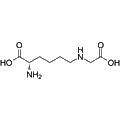
    Nε-(Carboxymethyl)-L-lysine (CML) is an advanced glycation end product that primarily targets cellular pathways involved in inflammation and cancer progression. CML significantly upregulates the expression of PLK1 and CEP20, while activating RAGE and the ERK/NFκB signaling cascade. This compound drives centrosome amplification and is implicated in the malignant transformation of hepatocytes, promoting hepatocellular carcinoma development. Additionally, CML induces epithelial-mesenchymal transition in osteosarcoma cells, enhancing their migratory and invasive capabilities, making it a crucial reagent for cancer research and studies on glycation effects.

    1 mg
    $20.00
    5 mg
    $100.00
    All 6 sizes
  • (R)-AR-13503
    Cat. No.
    A36843

    (R)-AR-13503

    Synonyms: (R)-AR-13324 M1 metabolite

    (R)-AR-13503 is the (R)-enantiomer of AR-13503, primarily functioning as a ROCK kinase and PKC inhibitor. This compound exhibits significant anti-angiogenic properties and has demonstrated potential in supporting retinal health. Its unique biological activity makes (R)-AR-13503 a valuable tool for research focused on retinal diseases and associated therapeutic interventions.

    5 mg
    $260.00
    10 mg
    $505.00
    All 2 sizes
  • N-Nitroso-N-methylurea
    Cat. No.
    A37278

    N-Nitroso-N-methylurea

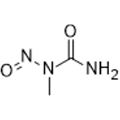
    N-Nitroso-N-methylurea is a direct-acting alkylating agent and a potent carcinogen, mutagen, and teratogen. It interacts with DNA, leading to mutations that can result in various cancers and degenerative diseases in multiple animal organs. Additionally, N-Nitroso-N-methylurea serves as a precursor in the synthesis of diazomethane, making it valuable for diverse chemical research applications in cancer biology and toxicology studies.

    25 mg
    $30.00
    50 mg
    $40.00
    All 8 sizes
  • Retreversine
    Cat. No.
    A37420

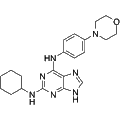
    Retreversine

    Retreversine is an inactive control compound specifically designed for use in conjunction with Reversine, an ATP-competitive Aurora kinase inhibitor. This reagent serves as a vital tool for validating experimental results in studies involving Aurora kinase pathways. Its unique structure allows researchers to effectively assess the specificity and effects of active inhibitors on cellular processes, making it essential for biochemical and pharmacological research applications.

    0.5 mg
    $65.00
    1 mg
    $190.00
    All 4 sizes
  • JG-258
    Cat. No.
    A37586

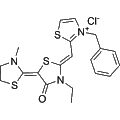
    JG-258

    JG-258 is an inactive negative control for Hsp70 inhibitors. It serves as a useful tool in experimental design, allowing researchers to discern specific effects attributed to active compounds. This reagent is particularly beneficial in studies focusing on the modulation of Hsp70 activity and in elucidating the biological roles of Hsp70 in various cellular processes.

    Out of stock

    All 3 sizes
  • VPC-80051 racemate
    Cat. No.
    A37763

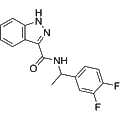
    VPC-80051 racemate

    VPC-80051 racemate is a potent inhibitor of the heterogeneous nuclear ribonucleoprotein A1 (hnRNP A1) splicing factor. This compound exhibits significant activity in modulating alternative splicing processes, making it a valuable tool for studying gene regulation and RNA processing. Research applications include investigations into the role of hnRNP A1 in various diseases and the development of potential therapeutic strategies targeting RNA splicing pathways.

    5 mg
    $140.00
    10 mg
    $225.00
    All 5 sizes
  • ART615
    Cat. No.
    A37825

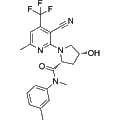
    ART615

    ART615 is a chemical isomer of ART558 and functions as an inactive control in experiments assessing the activity of ART558. It demonstrates less than 10% inhibition of polymerase theta (Polθ) at a concentration of 12 µM, making it a suitable reagent for comparative studies involving Polθ inhibition. This compound is valuable for research applications aimed at understanding the specific mechanisms of action of ART558 in various biological contexts.

    5 mg
    $140.00
    10 mg
    $245.00
    All 3 sizes
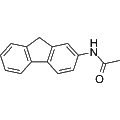
  • 2-Acetamidofluorene
    Cat. No.
    A37851

    2-Acetamidofluorene

    2-Acetamidofluorene is a potent carcinogen that primarily induces hepatocellular carcinoma (HCC) and multiple primary tumors. It serves as a key tool in cancer research, particularly in studies focused on the mechanisms of tumorigenesis and the evaluation of chemical-induced carcinogenicity. Researchers can utilize 2-Acetamidofluorene to explore the biological pathways involved in cancer development and progression.

    25 mg
    $20.00
    50 mg
    $25.00
    All 4 sizes
  • Thermospermine
    Cat. No.
    A37898

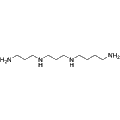
    Thermospermine

    Thermospermine is a structural isomer of Spermine that is synthesized by the enzyme thermospermine synthase, designated ACAULIS5 (ACL5). This compound plays a crucial role in plant biology by inhibiting auxin-inducible xylem differentiation in Arabidopsis thaliana. Thermospermine is valuable for research applications focused on plant growth regulation and developmental biology.

    1 mg
    $115.00
    5 mg
    $300.00
    All 7 sizes
  • N-Nitrosonornicotine
    Cat. No.
    A37912

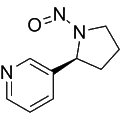
    N-Nitrosonornicotine

    Synonyms: (2S)-N'-Nitrosonornicotine

    N-Nitrosonornicotine is a tobacco-specific nitrosamine known for its carcinogenic and mutagenic properties. It effectively induces micronuclei formation in C3A cells and has the capacity to form DNA adducts. This compound serves as a valuable tool in cancer research and toxicology studies, particularly in understanding the mechanisms of tobacco-related carcinogenesis.

    5 mg
    $145.00
    10 mg
    $235.00
    All 2 sizes
  • (+)-TK216
    Cat. No.
    A37948

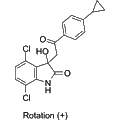
    (+)-TK216 (d-TK216)

    Synonyms: d-TK216

    (+)-TK216 is the active enantiomer of TK216, serving as a potent inhibitor of the E26 transformation specific (ETS) transcription factors. This compound exhibits significant biological activity in modulating gene expression and has shown promise in cancer research due to its ability to disrupt ETS-related signaling pathways. It is a valuable reagent for investigating the role of ETS proteins in oncogenesis and other related cellular processes.

    5 mg
    $370.00
    10 mg
    $670.00
    All 5 sizes

Items 26-50 of 361

Added to your cart

View Cart Checkout

    Loading...