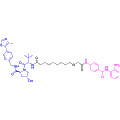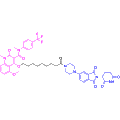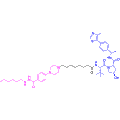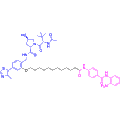
PROTAC Degrader

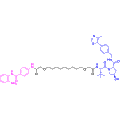
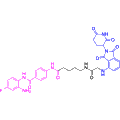
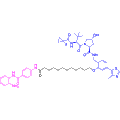
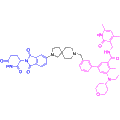
PROTAC degraders recruit an E3 ubiquitin ligase to a target protein so that the proteasome degrades it. Each proteolysis-targeting chimera (PROTAC) links a target-binding ligand to an E3 ligase ligand through a chemical linker. The approach was first described in 2001, and later work showed that small-molecule PROTACs can act catalytically, removing several target copies per molecule. Examples include the bromodomain and extra-terminal (BET) degraders dBET1, MZ1 and ARV-771, and the estrogen receptor degrader ERD-308. Degraders of anti-apoptotic proteins, such as PROTAC Mcl1 degrader-1, are also listed.

Items 226-250 of 786

  • PROTAC PDE4 degrader-1
    Cat. No.
    A26034

    PROTAC PDE4 degrader-1

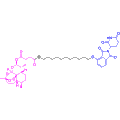
    PROTAC PDE4 degrader-1 is a selective and orally active degrader targeting phosphodiesterase 4 (PDE4). It exhibits a DC50 of 41.98 μM and effectively inhibits the secretion of pro-inflammatory cytokines such as TNF-α and IL-6. This compound demonstrates significant potential in alleviating pulmonary inflammation in LPS-induced acute lung injury models, making it a valuable tool for studying inflammatory diseases and therapeutic interventions.

    Out of stock

    All 3 sizes
  • FIP22
    Cat. No.
    A26156

    FIP22

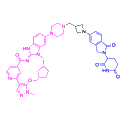
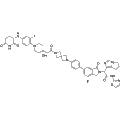
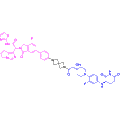
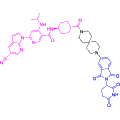
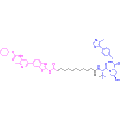
    FIP22 is a potent and selective degrader of IRAK4 utilizing the PROTAC technology. It functions by inducing degradation through the formation of a ternary complex consisting of IRAK4, FIP22, and CRBN, with an EC50 of 12.63 nM. This mechanism effectively inhibits IRAK4-mediated signaling pathways, including NF-κB and MAPK pathways, making FIP22 valuable for research into conditions such as atopic dermatitis, where IRAK4 plays a critical role.

    5 mg
    $1,265.00
    10 mg
    $1,805.00
    All 4 sizes
  • R1-ICR-5
    Cat. No.
    A26221

    R1-ICR-5

    R1-ICR-5 is a selective RIPK1 PROTAC degrader designed to mediate protein degradation via the VHL pathway. This compound promotes the degradation of RIPK1, subsequently dysregulating TNFR1 and TLR3/4 signaling pathways, enhancing the activity of NF-κB, MAPK, and IFN signaling. Additionally, R1-ICR-5 facilitates RIPK3 activation, leading to necroptosis. This reagent is applicable in research focused on triple-negative breast cancer and skin inflammation.

    5 mg
    $1,130.00
    10 mg
    $1,930.00
    All 5 sizes
  • JPS014
    Cat. No.
    A26348

    JPS014

    JPS014 is a benzamide-based HDAC degrader designed to engage the Von Hippel-Lindau (VHL) E3 ligase for targeted proteolysis. It effectively degrades class I histone deacetylases (HDAC1 and HDAC2), leading to significant alterations in gene expression profiles and promoting apoptotic pathways in HCT116 cancer cells. This compound is particularly useful for studying the role of HDAC inhibition in cancer biology and elucidating mechanisms of resistance to therapies.

    Out of stock

    All 3 sizes
  • PROTAC HDAC4 Degrader-1
    Cat. No.
    A26404

    PROTAC HDAC4 Degrader-1

    PROTAC HDAC4 Degrader-1 is a selective PROTAC that targets and promotes the degradation of HDAC4, a histone deacetylase involved in regulating gene expression. This compound effectively decreases HDAC4 protein levels, leading to S phase cell cycle arrest and reduced tumor cell proliferation, as evidenced by its impact on colony formation. Additionally, PROTAC HDAC4 Degrader-1 demonstrates efficacy in vivo in H460 mouse models, making it a valuable tool for cancer research, particularly in studies related to lung cancer.

    Out of stock

    All 3 sizes
  • YX862
    Cat. No.
    A26423

    YX862

    YX862 is a selective PROTAC degrader targeting HDAC8, designed to induce robust degradation of this histone deacetylase. It achieves over 95% degradation of HDAC8 at a concentration of 250 nM in MDA-MB-231 cells. This compound serves as a valuable tool for investigating the role of HDAC8 in various biological processes and provides insights into potential therapeutic strategies for HDAC8-related diseases.

    5 mg
    $600.00
    10 mg
    $985.00
    All 4 sizes
  • JPS035
    Cat. No.
    A26482

    JPS035

    JPS035 is a benzamide-derived HDAC degrader that utilizes the Von Hippel-Lindau (VHL) E3 ligase-mediated PROTAC technology. It specifically targets and degrades class I histone deacetylases (HDAC1 and HDAC2), leading to significant alterations in gene expression and promoting apoptosis in HCT116 colorectal cancer cells. This compound serves as a valuable tool for studies focused on epigenetic modulation and therapeutic strategies against HDAC-related diseases.

    Out of stock

    All 3 sizes
  • JPS016
    Cat. No.
    A26487

    JPS016

    JPS016 is a class I histone deacetylase (HDAC) PROTAC inhibitor that targets HDAC1, HDAC2, and HDAC3 for ubiquitination and proteasomal degradation via VHL E3 ligase recruitment. This compound demonstrates significant anticancer activity by reducing the viability of colon cancer cells and inducing apoptosis. Additionally, JPS016 activates the PINK1/Parkin-mediated mitochondrial autophagy pathway, enhancing cardiomyocyte viability, alleviating mitochondrial damage, and decreasing mitochondrial ROS production. It is valuable for research into colon cancer and sepsis-related cardiac dysfunction.

    5 mg
    $710.00
    All 1 sizes
  • HD-TAC7
    Cat. No.
    A26537

    HD-TAC7

    HD-TAC7 is a highly effective PROTAC HDAC degrader, specifically targeting histone deacetylases HDAC1, HDAC2, and HDAC3 with IC50 values of 3.6 μM, 4.2 μM, and 1.1 μM, respectively. This compound has demonstrated the ability to reduce NF-κB p65 levels in RAW 264.7 macrophages. HD-TAC7 is suitable for research applications focused on inflammatory diseases, including asthma and chronic obstructive pulmonary disease (COPD).

    1 mg
    $160.00
    5 mg
    $375.00
    All 6 sizes
  • JPS036
    Cat. No.
    A26550

    JPS036

    JPS036 is a benzamide-based HDAC degrader that operates through the Von Hippel-Lindau (VHL) E3-ligase proteolysis targeting chimera (PROTAC) mechanism. This compound selectively degrades class I histone deacetylases (HDAC1 and HDAC2), demonstrating significant biological activity by promoting the expression of differentially expressed genes and enhancing apoptosis in HCT116 cells. JPS036 serves as a valuable research tool for studying the roles of HDACs in cellular processes and disease models.

    1 mg
    $280.00
    5 mg
    $710.00
    All 2 sizes
  • PROTAC EZH2 Degrader-3
    Cat. No.
    A26609

    PROTAC EZH2 Degrader-3

    PROTAC EZH2 Degrader-3 (compound ZJ-20) specifically targets and degrades the EZH2 protein through a proteolysis-targeting chimera (PROTAC) mechanism. This compound demonstrates potent inhibition of EZH2 expression as well as a significant reduction in other PRC2 subunits and H3K27me3 levels. Additionally, PROTAC EZH2 Degrader-3 exhibits anti-proliferative effects, inducing cell cycle arrest in the G0-G1 phase and promoting apoptosis in cancer cells, making it valuable for research in cancer therapeutics and epigenetic regulation.

    Out of stock

    All 3 sizes
  • PROTAC EZH2 Degrader-9
    Cat. No.
    A26611

    PROTAC EZH2 Degrader-9

    PROTAC EZH2 Degrader-9 is an orally active PROTAC that selectively degrades EZH2 via the ubiquitin-proteasome pathway. By downregulating PRC2 core subunits and inhibiting H3K27me3, it effectively reverses PRC2-mediated gene silencing and disrupts EZH2 non-catalytic target gene activation. PROTAC EZH2 Degrader-9 demonstrates potent antiproliferative effects on various cancer cell lines, inducing cell cycle arrest and apoptosis. This reagent is valuable for research focused on leukemia, lymphoma, and non-small cell lung cancer.

    Out of stock

    All 3 sizes
  • WIZ degrader 1
    Cat. No.
    A26633

    WIZ degrader 1

    WIZ Degrader 1 is a selective degrader targeting widely interspaced zinc finger motifs (WIZ) with an AC50 of 2 nM. This compound induces the expression of fetal hemoglobin (HbF) with an EC50 of 6 mM, providing a valuable tool for research into inherited blood disorders. Its capability to modulate HbF levels highlights its potential applications in therapeutic strategies for conditions such as sickle cell disease and beta-thalassemia.

    25 mg
    $1,655.00
    50 mg
    $2,115.00
    All 3 sizes
  • CARM1 degrader-1
    Cat. No.
    A26665

    CARM1 degrader-1

    CARM1 degrader-1 is a selective PROTAC degrader targeting CARM1, exhibiting a DC50 value of 8.1 nM. It effectively degrades CARM1 through a VHL- and proteasome-mediated mechanism, leading to a reduction in the methylation levels of CARM1 substrates in various cell-based assays. Additionally, CARM1 degrader-1 demonstrates the ability to inhibit cancer cell migration, making it a valuable tool for investigating mechanisms in breast cancer research.

    Out of stock

    All 3 sizes
  • WIZ degrader 2
    Cat. No.
    A26675

    WIZ degrader 2

    WIZ Degrader 2 is an efficient degrader targeting widely interspaced zinc finger motifs, with an AC50 of 0.011 μM. This compound enhances the expression of fetal hemoglobin (HbF) with an EC50 of 0.038 μM. WIZ Degrader 2 is a valuable tool for research into inherited blood disorders, facilitating studies aimed at understanding and potentially treating these conditions.

    25 mg
    $1,780.00
    50 mg
    $2,280.00
    All 3 sizes
  • UNC8153 TFA
    Cat. No.
    A26831

    UNC8153 TFA

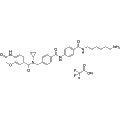
    UNC8153 TFA is a potent degrader targeting nuclear receptor-binding SET domain-containing 2 (NSD2) with a Kd of 24 nM. This compound effectively decreases cellular levels of NSD2 protein, exhibiting a DC50 of 0.35 μM in U2OS cells, and diminishes the H3K36me2 chromatin modification. With its streamlined warhead, UNC8153 TFA facilitates proteasome-dependent degradation of NSD2, making it a valuable tool for investigating the role of NSD2 in various biological processes and disease mechanisms.

    1 mg
    $55.00
    5 mg
    $130.00
    All 6 sizes
  • NC-R17
    Cat. No.
    A26849

    NC-R17

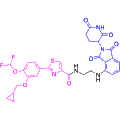
    NC-R17 is a non-covalent degrader targeting Glutathione Peroxidase 4 (GPX4) through the PROTAC mechanism, designed to induce ferroptosis in cancer cells. Exhibiting significant antitumor activity, NC-R17 facilitates the targeted degradation of GPX4, contributing to research in cancer biology and therapeutic strategies. The compound combines a Demethyl-RSL3 ligand for GPX4 with an E3 ubiquitin ligase ligand derived from Lenalidomide, connected by a specific PROTAC linker to enhance its biological activity.

    Out of stock

    All 3 sizes
  • PROTAC FSP1 degrader 1
    Cat. No.
    A26890

    PROTAC FSP1 degrader 1

    PROTAC FSP1 Degrader 1 is a potent PROTAC compound designed to selectively degrade FSP1, leading to an increase in intracellular lipid peroxides. This reagent effectively promotes ferroptosis in conjunction with GPX4 inhibitors and significantly elevates reactive oxygen species (ROS) production. Additionally, PROTAC FSP1 Degrader 1 upregulates the mRNA expression of several ferroptosis-related proteins, including GPX4, FTH1, ACSL4, TfR1, and FSP1. This compound is particularly suitable for research focused on triple-negative breast cancer.

    Out of stock

    All 3 sizes
  • PROTAC GPX4 degrader-4
    Cat. No.
    A26947

    PROTAC GPX4 degrader-4

    PROTAC GPX4 degrader-4 selectively targets GPX4, functioning as a PROTAC degrader with a DC50 of 5.32 nM. This compound effectively inhibits the proliferation of RT4, T24, and J82 bladder cancer cell lines, exhibiting IC50 values of 0.09, 2.97, and 7.58 μM, respectively. PROTAC GPX4 degrader-4 promotes the accumulation of lipid reactive oxygen species (ROS) and triggers ferroptosis in T24 and RT4 cells. Additionally, it demonstrates significant antitumor efficacy in a T24 tumor-bearing BALB/c nude mouse model, making it a valuable tool for bladder cancer research.

    Out of stock

    All 3 sizes
  • Gly-PEG3-BA
    Cat. No.
    A28613

    Gly-PEG3-BA

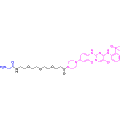
    Gly-PEG3-BA is an EML4-ALK PROTAC degrader that targets the EML4-ALK fusion protein. This compound exhibits a DC50 of 0.50 μM for EML4-ALK in H3122 cells and a DC50 of 20.15 μM for EGFR mutant (L858R/T790M) levels in H1975 cells. Gly-PEG3-BA demonstrates notable antiproliferative effects, with IC50 values of 0.84 μM against H3122 cells and 20.74 μM against H1975 cells. It is a valuable tool for research in non-small cell lung cancer.

    Out of stock

    All 3 sizes
  • Lys-PEG3-BA
    Cat. No.
    A28645

    Lys-PEG3-BA

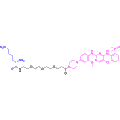
    Lys-PEG3-BA is a novel EML4-ALK/EGFR PROTAC degrader that influences target proteins through the ubiquitin-proteasome pathway. With DC50 values of 1.32 μM against H3122 (EML4-ALK) cells and 19.66 μM for H1975 (EGFR-L858R/T790M) cells, it effectively inhibits cell proliferation. This compound serves as a valuable tool for research into non-small cell lung cancer and the mechanisms underlying targeted protein degradation.

    Out of stock

    All 3 sizes
  • PROTAC EGFR degrader 17
    Cat. No.
    A28652

    PROTAC EGFR degrader 17

    PROTAC EGFR degrader 17 is a potent EGFR-targeted PROTAC degrader with a DC50 value of 0.49 nM. This reagent facilitates the ubiquitination and subsequent degradation of the epidermal growth factor receptor (EGFR). It is particularly useful for research applications related to various forms of cancer, including non-small cell lung cancer, providing a valuable tool for investigating targeted degradation pathways in oncogenesis.

    Out of stock

    All 3 sizes
  • PROTAC EGFR degrader 12
    Cat. No.
    A28665

    PROTAC EGFR degrader 12

    PROTAC EGFR degrader 12 is a PROTAC designed to selectively target and degrade mutant forms of epidermal growth factor receptor (EGFR). It demonstrates potent biological activity with IC50 values under 50 nM against EGFRL858R-T790M (NCI-H1975 cells), EGFRL858R (NCI-H3255 cells), and EGFRL858R-T790M-L797S (NCI-H1975+CS cells). This reagent is valuable for research applications focused on understanding and treating EGFR-driven cancers, particularly those with resistant mutations.

    Out of stock

    All 3 sizes
  • PROTAC EGFR degrader 16
    Cat. No.
    A28732

    PROTAC EGFR degrader 16

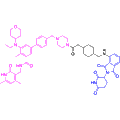
    PROTAC EGFR degrader 16 is a selective degrader designed to target the epidermal growth factor receptor (EGFR). It exhibits DC50 values of less than 50 nM in various cell lines, including NCI-H1975 (EGFR L858R-T970M), NCI-H3225 (EGFR L858R), and NCI-H1976 + CS (EGFR L858R-T970M-L797S). This compound is valuable for investigating EGFR-driven cancers, particularly non-small cell lung cancer, facilitating research into targeted degradation therapies.

    Out of stock

    All 3 sizes
  • TX2-120-1
    Cat. No.
    A28741

    TX2-120-1

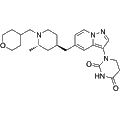
    TX2-120-1 is a potent Her3 degrader, exhibiting an IC50 value of 56 nM for Her3 binding. This compound facilitates the degradation of the Her3 protein, making it a valuable tool for investigating Her3-related pathways and therapeutic applications. Additionally, TX2-120-1 can be utilized in the synthesis of TX2-121-1, further expanding research possibilities in targeted protein degradation.

    Out of stock

    All 3 sizes
Items 226-250 of 786

Added to your cart

View Cart Checkout

    Loading...