- Cat. No.
- A11974
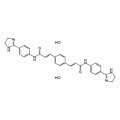
GW 4869
GW4869 is a cell permeable, selective inhibitor of N-SMase (neutral sphingomyelinase).
Search by product name, CAS, target or catalog number. Press Down Arrow to reach product suggestions, Tab to move between links, and Escape to close suggestions.
Tumor necrosis factor alpha (TNF-α) inhibitors reduce the production or signaling of a central inflammatory cytokine. In 1975 an endotoxin-induced serum factor that causes necrosis of tumors was described and named tumor necrosis factor. Cloning of human TNF in 1984 revealed a precursor related to lymphotoxin. Through its two receptors, TNF-α activates nuclear factor kappa B (NF-κB) and cell death pathways. Etanercept is a soluble receptor fusion protein that binds the cytokine, and C 87 is a small-molecule TNF-α inhibitor. In 1991 thalidomide was shown to inhibit TNF-α production by stimulated human monocytes, and its analogs lenalidomide and pomalidomide are also listed. Pathway compounds include the NF-κB inhibitor QNZ and necrostatin-1, an inhibitor of receptor-interacting protein kinase 1 (RIPK1).
GW4869 is a cell permeable, selective inhibitor of N-SMase (neutral sphingomyelinase).
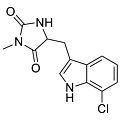
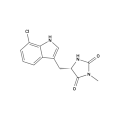
Necrostatin-1 is an ATP-competitive, allosteric inhibitor of receptor-interacting protein kinase 1 (RIPK1) (EC50 = 182 nM).
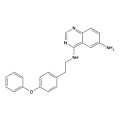
Synonyms: CAY10470; EVP4593
QNZ inhibits the activation of the transcription factor NF-κB and has been used to investigate NF-κB signaling.
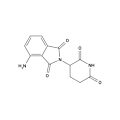
Synonyms: Actimid; CC-4047
Pomalidomide is a derivative of thalidomide and acts as an immunomodulator.
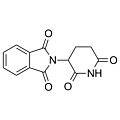
Thalidomide can directly inhibit angiogenesis induced by bFGF or VEGF in vivo.
Etanercept, a dimeric fusion protein that binds TNF, acts as a TNF inhibitor.
KR-33493 is a potent inhibitor of Fas-mediated cell death (FAF1).
C87 is a novel small-molecule TNFα inhibitor; potently inhibits TNFα-induced cytotoxicity with an IC50 of 8.73 μM.
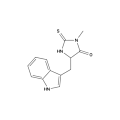
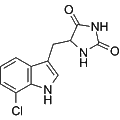
Synonyms: MTH-DL-Tryptophan; Necroptotic Inhibitor
Necrostatin 2 is a potent necroptosis inhibitor with EC50 of 50 nM.
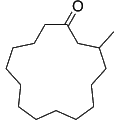
Synonyms: Methylexaltone; 3-Methylcyclopentadecanone
Muscone, a TNF receptor inhibitor, is derived from the traditional Chinese medicine musk. It effectively inhibits NF-κB signaling and NLRP3 inflammasome activation, resulting in a significant reduction of inflammatory cytokines such as IL-1β, TNF-α, and IL-6. This compound is valuable in research focused on inflammation, cardiac function restoration, and improving survival rates in various pathological conditions.
Ro 08-2750 is a potent and selective Nerve growth factor (NGF) inhibitor that binds the NGF dimer (KD ~ 1 μM).
C25-140, a first-in-class, fairly selective TRAF6-Ubc13 inhibitor, directly binds to TRAF6, and blocks the interaction of TRAF6 with Ubc13. C25-140 lowers TRAF6 activity, reduces NF-κB activation, and combats autoimmunity.
DRI-C21045 is a potent and selective inhibitor of the CD40-CD40L costimulatory protein-protein interaction (PPI) with an IC50 of 0.17 µM.
SPD304 is a selective TNF-α inhibitor, which promotes dissociation of TNF trimers and therefore blocks the interaction of TNF and its receptor.
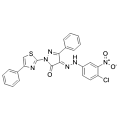
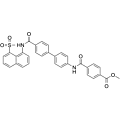
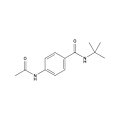
TNF-α-IN-1 is a TNF-α inhibitor extracted from patent US20030096841A1, compound example I-7.
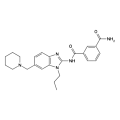
(Rac)-Benpyrine, a racemate of Benpyrine, is a potent and orally active TNF-α inhibitor. (Rac)-Benpyrine has the potential for TNF-α mediated inflammatory and autoimmune disease research.
UCB-9260, an orally active compound, inhibits TNF signaling by stabilising an asymmetric form of the trimer. UCB-9260 is selective for TNF over other superfamily members, and binds TNF with a similar Kd of 13 nM.
Synonyms: REN 1654; REN 1189
CPI-1189 (REN 1654, REN 1189) is the proapoptotic cytokine tumor necrosis factor (TNF) alpha inhibitor.
HS-276 is an orally bioavailable, potent, and highly selective inhibitor of transforming growth factor-β–activated kinase 1 (TAK1), with a Kᵢ of 2.5 nM. It exhibits strong inhibition of TAK1 and moderate activity against a panel of other kinases, including CLK2, GCK, ULK2, MAP4K5, IRAK1, NUAK, CSNK1G2, CAMKKβ-1, and MLK1, with respective IC₅₀ values ranging from 8.25 to 5585 nM. HS-276 is a valuable tool for investigating TAK1-mediated signaling pathways and holds therapeutic potential for inflammatory conditions such as rheumatoid arthritis (RA).
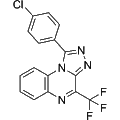
Necroptosis-IN-1 is a potent inhibitor of necroptosis, primarily targeting receptor-interacting protein kinase (RIPK). This compound effectively hinders necroptotic cell death pathways, making it a valuable tool for research involving cell death mechanisms. Its application spans studies related to inflammation, neurodegeneration, and cancer, providing insights into the role of necroptosis in various pathological conditions.
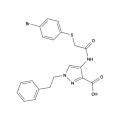
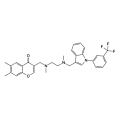
TNF-α-IN-19 is a selective inhibitor of TNFα, effectively disrupting the interaction between TNFα receptor 1 (TNFαRI), TNF receptor-associated death domain (TRADD), and receptor-interacting protein 1 (RIP1). It exhibits EC50 values of 2.451 μM for TNFα, 3.792 μM for IL-1β, and 1.54 μM for the TNFα/IL-1β combination. Notably, TNF-α-IN-19 specifically inhibits the degradation of IκBα induced by TNFα stimulation, while showing no effect in IL-1β stimulated conditions. This compound is valuable for research into inflammatory pathways and therapeutic interventions in TNFα-mediated diseases.
Necrostatin-21 is a potent necroptosis inhibitor targeting receptor-interacting protein kinase 1 (RIP1) and c-Jun N-terminal kinase 3 (JNK3) with an EC50 of 0.5 μM. This compound demonstrates an ability to modulate cell death pathways, making it valuable for research into various conditions including infections, cardiovascular diseases, and neurodegenerative disorders such as Alzheimer’s disease. Its dual action on key kinases provides insight into the mechanisms underlying necroptosis and potential therapeutic approaches.
Out of stock
All 3 sizes
CC-1069 is a TNF-α inhibitor that targets tumor necrosis factor-alpha, a key cytokine involved in inflammation and tumorigenesis. This compound has shown potential in inhibiting processes related to endothelial cell function. CC-1069 is particularly useful for investigating angiogenesis-dependent tumors, including gliomas, providing valuable insights into tumor growth and vascularization mechanisms in experimental research settings.
Out of stock
All 3 sizes