Cell Culture and Assays

Cell culture and assay reagents support cell growth in vitro and the measurement of viability and proliferation. Serum-free media often add hormones such as insulin, hydrocortisone and liothyronine, the active thyroid hormone, together with L-glutamine as a nutrient. Enzymes such as trypsin and hyaluronidase help dissociate adherent cells and tissue fragments. Tetrazolium salts such as MTT and WST-8 report metabolic activity through the formation of a colored formazan. 5-Ethynyl-2'-deoxyuridine (EdU) and 5-bromo-2'-deoxyuridine (BrdU) label newly synthesized DNA in dividing cells. Calcein-AM and propidium iodide distinguish live from dead cells by esterase activity and membrane integrity.

Items 26-50 of 65

  • Propidium Iodide
    Cat. No.
    A24597

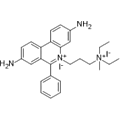
    Propidium Iodide

    Synonyms: PI

    Propidium Iodide (PI) is a nuclear staining agent that stains DNA. Propidium Iodide is an analogue of ethidine bromide that emits red fluorescence upon embedding in double-stranded DNA. Propidium Iodide cannot pass through living cell membranes, but it can pass through damaged cell membranes to stain the nucleus. Propidium Iodide has a fluorescence wavelength of 493/617 nm and a wavelength of 536/635 nm after Mosaic with DNA. Propidium Iodide is commonly used in the detection of apoptosis (apoptosis) or necrosis (necrosis), and is often used in flow cytometry analysis.

    5 mg
    $25.00
    10 mg
    $30.00
    All 7 sizes
  • Neutral Red
    Cat. No.
    A24737

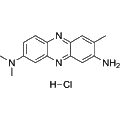
    Neutral Red

    Neutral Red is a nitrogenous pH indicator with a pKa of 6.8, functioning primarily as a probe for monitoring internal acidification processes within thylakoids. Its effective staining properties allow it to highlight lysosomal compartments, providing valuable insights in cellular studies. This reagent is widely utilized in research applications focusing on cellular biology, particularly in investigations of lysosomal function and pH-dependent processes.

    500 mg
    $30.00
    1 g
    $50.00
    All 3 sizes
  • Trypan Blue
    Cat. No.
    A24895

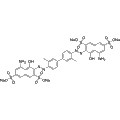
    Trypan Blue

    Synonyms: Direct Blue 14; Diphenyl Blue; Diamine Blue

    Diphenyl Blue, also known as Trypan Blue, is a vital reference dye primarily used to assess cell membrane integrity and viability. It selectively stains dead or damaged cells blue, allowing for the identification of non-viable cells in various tissue and cell culture applications. Viable cells with intact membranes exclude the dye, while macrophages can phagocytize Diphenyl Blue, making it an effective living stain for studying these immune cells. This dye is essential for research involving cell viability assays and tissue analyses.

    5 g
    $20.00
    10 g
    $30.00
    All 5 sizes
  • WST-1
    Cat. No.
    A24910

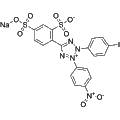
    WST-1

    WST-1 is a water-soluble tetrazolium salt that serves as a reagent for cell proliferation assays. It selectively undergoes reduction by intracellular mitochondrial dehydrogenases, resulting in the production of a soluble formazan product detectable at 450 nm. This compound is utilized to assess cell viability and cytotoxicity, making it an essential tool in various biological and pharmacological research applications.

    5 mg
    $30.00
    10 mg
    $40.00
    All 6 sizes
  • 6-CFDA
    Cat. No.
    A24958

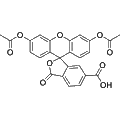
    6-CFDA

    Synonyms: 6-Carboxyfluorescein diacetate

    6-CFDA is a fluorescent dye commonly used in biological research for cell tracking and viability assays. It undergoes free diffusion into cells, where it is hydrolyzed by intracellular non-specific lipases to produce carboxyfluorescein, a fluorescent compound that carries an additional negative charge. This enhanced charge improves retention within cells compared to traditional fluorescein dyes, facilitating more accurate analysis of cellular processes and functions.

    5 mg
    $40.00
    10 mg
    $45.00
    All 4 sizes
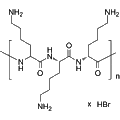
  • Poly-D-lysine hydrobromide (MW 70000-150000)
    Cat. No.
    A29850

    Poly-D-lysine hydrobromide (MW 70000-150000)

    Synonyms: PDLHB (MW 70000-150000)

    Poly-D-lysine hydrobromide (MW 70,000-150,000) is a synthetic polymeric substrate that acts as a CaSR agonist. It is extensively utilized in neural cell culture, promoting cell adhesion and growth by enhancing neuronal differentiation. This reagent is essential for research applications focused on neurobiology and the study of calcium-sensing receptor pathways.

    5 mg
    $25.00
    10 mg
    $40.00
    All 5 sizes
  • Insulin (swine)
    Cat. No.
    A33736

    Insulin (swine)

    Insulin (swine) is derived from porcine sources and primarily targets insulin receptors in glucose metabolism pathways. This reagent plays a pivotal role in diabetes research by promoting glucose oxidation, stimulating lipogenesis, and facilitating the regulation of blood glucose levels. Although it acts as an antigen to mitigate pancreatic lymphocyte infiltration, Insulin (swine) does not exert a direct metabolic effect on blood glucose when administered orally, making it suitable for studies focused on insulin resistance and autoimmune aspects of diabetes.

    10 mg
    $40.00
    50 mg
    $80.00
    All 3 sizes
  • L-Ascorbic acid 2-phosphate
    Cat. No.
    A36169

    L-Ascorbic acid 2-phosphate

    Synonyms: 2-Phospho-L-ascorbic acid; LAA2P

    L-Ascorbic acid 2-phosphate is a stable derivative of vitamin C that induces osteogenic differentiation in human adipose stem cells (hASCs). It enhances collagen synthesis and promotes alkaline phosphatase (ALP) activity, along with the expression of runx2A during the differentiation process. This compound serves as a valuable supplement in culture media for studies focused on bone regeneration and related cellular processes.

    100 mg
    $25.00
    200 mg
    $30.00
    All 6 sizes
  • L-Ascorbic acid 2-phosphate magnesium
    Cat. No.
    A36170

    L-Ascorbic acid 2-phosphate magnesium

    Synonyms: 2-Phospho-L-ascorbic acid magnesium; LAA2P magnesium

    L-Ascorbic acid 2-phosphate magnesium is a stable derivative of vitamin C that promotes osteogenic differentiation in stem cells. This compound stimulates collagen synthesis and enhances alkaline phosphatase (ALP) activity, along with the expression of runx2A in human adipose stem cells (hASCs). As a culture medium supplement, it is particularly useful for promoting osteogenic pathways in research and therapeutic applications related to bone regeneration and development.

    100 mg
    $25.00
    500 mg
    $30.00
    All 4 sizes
  • L-Ascorbic acid 2-phosphate magnesium hydrate
    Cat. No.
    A36172

    L-Ascorbic acid 2-phosphate magnesium hydrate

    Synonyms: 2-Phospho-L-ascorbic acid magnesium hydrate; LAA2P magnesium hydrate

    L-Ascorbic acid 2-phosphate magnesium hydrate acts as an osteogenic differentiation inducer. This stable vitamin C derivative promotes collagen synthesis and enhances alkaline phosphatase (ALP) activity, as well as the expression of runx2A in human adipose stem cells (hASCs). It serves as an effective supplement in culture media to facilitate osteogenic differentiation, making it valuable for research in bone development and regenerative medicine.

    100 mg
    $25.00
    500 mg
    $40.00
    All 3 sizes
  • Pyruvic acid sodium
    Cat. No.
    A38760

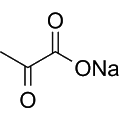
    Pyruvic acid sodium

    Synonyms: Sodium 2-oxopropanoate; Acetylformic acid sodium

    Pyruvic acid sodium, also known as sodium 2-oxopropanoate, is a key intermediate in the glycolytic pathway derived from glucose metabolism. This compound exhibits free radical scavenging properties, effectively neutralizing reactive oxygen species (ROS). It is widely utilized in research applications focused on metabolism, redox biology, and cellular response to oxidative stress.

    5 g
    $25.00
    10 g
    $30.00
    All 5 sizes
  • Resazurin
    Cat. No.
    A43757

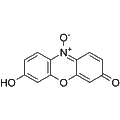
    Resazurin

    Synonyms: Diazoresorcinol

    Resazurin is a water-soluble, membrane-permeable fluorescent dye that serves as a redox indicator. It is non-toxic and stable, transitioning from a blue non-fluorescent form to a pink and highly fluorescent form, Resorufin, upon reduction in living cells. Due to its sensitivity to changes in cellular metabolism, Resazurin is widely used for assessing cell viability, cytotoxicity, proliferation, migration, and invasion across various biological systems, including human, plant, animal, bacterial, and fungal cells.

    25 mg
    $1,275.00
    All 1 sizes
  • XTT sodium hydrate
    Cat. No.
    A43783

    XTT sodium hydrate

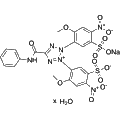
    XTT sodium hydrate is a fluorescent dye that specifically targets cell surface processes. Upon reduction by cellular NADH in conjunction with an electron mediator, it generates a water-soluble formazan product. This compound is widely utilized in colorimetric assays for quantifying cell proliferation, assessing cytotoxicity, and studying apoptosis in various biological research applications.

    25 mg
    $165.00
    50 mg
    $295.00
    All 4 sizes
  • 5(6)-CFDA
    Cat. No.
    A44301

    5(6)-CFDA

    Synonyms: 5-(6)-Carboxyfluorescein diacetate; CFDA

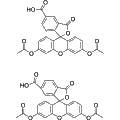
    5(6)-CFDA is a fluorescent dye that acts through passive diffusion into cells, where it is hydrolyzed by intracellular non-specific lipases into carboxyl fluorescein (CF). The carboxylate group of CF imparts a negative charge, enhancing its retention within cells compared to traditional fluorescein dyes. This property makes 5(6)-CFDA particularly useful for various biological applications such as cell tracking, apoptosis detection, and cellular viability assays in live cell imaging studies.

    25 mg
    $30.00
    50 mg
    $40.00
    All 3 sizes
  • Resazurin sodium
    Cat. No.
    A44577

    Resazurin sodium

    Synonyms: Diazoresorcinol sodium

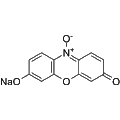
    Resazurin sodium is a non-toxic, stable redox indicator that targets bacterial activity through its membrane-permeable properties. It serves as a vital tool for assessing cell viability, proliferation, and toxicity in various cell types, including human, plant, animal, bacterial, and fungal cells. Upon reduction, Resazurin sodium transforms into Resorufin, a highly fluorescent compound, enabling sensitive detection and quantification of cellular processes under fluorescent microscopy or spectrophotometry.

    500 mg
    $20.00
    1 g
    $25.00
    All 3 sizes
  • Sulforhodamine B sodium salt
    Cat. No.
    A44816

    Sulforhodamine B sodium salt

    Synonyms: Acid Red 52; Kiton Red 620

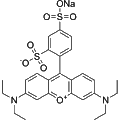
    Sulforhodamine B sodium salt is a fluorescent dye primarily utilized for laser-induced fluorescence (LIF) applications. It exhibits strong fluorescence properties, making it suitable for the quantification of cellular proteins in cultured cells. This dye is widely employed in various research fields, including cell biology and biochemistry, facilitating studies on protein expression and cellular behavior.

    100 mg
    $20.00
    1 g
    $25.00
    All 2 sizes
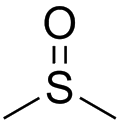
  • Dimethyl sulfoxide, meets analytical specification of Ch.P.
    Cat. No.
    A47855

    Dimethyl sulfoxide, meets analytical specification of Ch.P.

    Synonyms: DMSO; meets analytical specification of Ch.P.

    Dimethyl sulfoxide (DMSO) is an aprotic solvent that effectively dissolves a wide range of polar and nonpolar compounds, including water-insoluble therapeutic agents. DMSO demonstrates the ability to enhance the penetration of substances through biological membranes due to its strong affinity for water. It possesses potential biological activities, including free radical scavenging, anticholinesterase effects, and the ability to influence coagulation activity. Additionally, DMSO is known to induce histamine release from mast cells and exhibits antifreeze and antibacterial properties, making it valuable in various biochemical research applications.

    Out of stock

    All 3 sizes
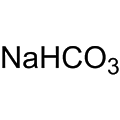
  • Sodium bicarbonate, for cell culture
    Cat. No.
    A47887

    Sodium bicarbonate, for cell culture

    Synonyms: Sodium hydrogen carbonate for cell culture; Soda bicarbonate for cell culture

    Sodium bicarbonate is an inorganic salt that serves as a buffering agent in cell culture applications. It is essential for maintaining the pH of culture media, which is crucial for proper cellular function and experimental outcomes. By stabilizing pH levels, sodium bicarbonate can influence the expression of inducible nitric oxide synthase (iNOS) and nitric oxide (NO) production in macrophages, as well as mitigate acidosis in the tumor microenvironment. This reagent is also utilized across various fields, including food, pharmaceuticals, and cosmetics, for its buffering properties and neutralization capabilities.

    50 mg
    $20.00
    100 mg
    $25.00
    All 3 sizes
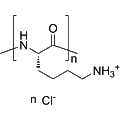
  • Poly-L-lysine hydrochloride
    Cat. No.
    A47906

    Poly-L-lysine hydrochloride

    Poly-L-lysine hydrochloride is a cationic polymer that functions as a bacterial inhibitor by enhancing cell adhesion through electrostatic interactions with negatively charged cell membranes. It promotes liquid-liquid phase separation (LLPS) at low concentrations while inhibiting LLPS at elevated concentrations, making it a versatile tool for cell culture applications. This reagent is particularly useful in studies involving bacterial attachment mechanisms and cell substrate interactions.

    5 mg
    $25.00
    10 mg
    $40.00
    All 5 sizes
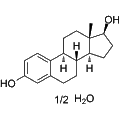
  • Estradiol hemihydrate
    Cat. No.
    A48595

    Estradiol hemihydrate

    Synonyms: β-Estradiol hemihydrate; 17β-Estradiol hemihydrate; 17β-Oestradiol hemihydrate

    Estradiol hemihydrate is a steroid hormone primarily involved in female reproductive health. It has been shown to up-regulate the expression of neural markers in human endometrial stem cells, promoting their differentiation into neural lineages. This compound is useful for research in areas such as cancer biology, neurodegenerative diseases, and neural tissue engineering.

    25 mg
    $20.00
    50 mg
    $25.00
    All 3 sizes
  • Trypsin
    Cat. No.
    A51979

    Trypsin

    Trypsin is a serine protease that hydrolyzes proteins at the carboxyl side of lysine or arginine residues. It activates protease-activated receptors PAR2 and PAR4, playing a crucial role in cell signaling. In the context of porcine delta coronavirus (PDCoV) infection, trypsin facilitates cell-to-cell membrane fusion through the interaction of the S glycoprotein and pAPN. Additionally, trypsin is involved in promoting cell proliferation and differentiation, making it valuable for research in wound healing and neurogenic inflammation.

    100 mg
    $30.00
    500 mg
    $70.00
    All 3 sizes
  • Holo-Bovine Transferrin
    Cat. No.
    A54023

    Holo-Bovine Transferrin

    Holo-Bovine Transferrin is an iron transport glycoprotein that serves as a target ligand for the transferrin receptor. It plays a crucial role in binding and mediating the transport of iron within biological systems. This reagent is valuable for research applications involving iron metabolism, cellular uptake mechanisms, and transferrin receptor studies.

    5 mg
    $25.00
    10 mg
    $35.00
    All 5 sizes
  • Neutral protease, Paenibacillus polymyxa
    Cat. No.
    A57329

    Neutral protease, Paenibacillus polymyxa

    Synonyms: Dispase II; Dispase

    Neutral protease, Paenibacillus polymyxa, targets fibronectin and type IV collagen as a potent proteolytic enzyme. This neutral protease is widely employed in tissue dissociation applications, facilitating the separation of intact epidermis from the dermis and detaching epithelial sheets from culture substrata. Its activity is essential for cell culture studies, tissue engineering, and regenerative medicine research.

    5 mg
    $25.00
    10 mg
    $35.00
    All 5 sizes
  • Dexamethasone phosphate
    Cat. No.
    A64742

    Dexamethasone phosphate

    Synonyms: Dexamethasone 21-phosphate

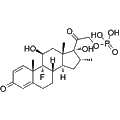
    Dexamethasone phosphate is a prodrug of Dexamethasone that targets inflammatory pathways by undergoing dephosphorylation through erythrocyte enzymes, resulting in the release of the active metabolite into circulation. This compound exhibits potent anti-inflammatory activity, making it suitable for research applications related to steroid-dependent ulcerative colitis. By facilitating targeted delivery, Dexamethasone phosphate enhances therapeutic efficacy in conditions involving inflammation and immune response modulation.

    5 mg
    $30.00
    25 mg
    $150.00
    All 4 sizes
  • Liothyronine sodium hydrate
    Cat. No.
    A70635

    Liothyronine sodium hydrate

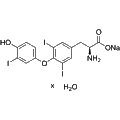
    Synonyms: Triiodothyronine sodium hydrate; 3,3',5-Triiodo-L-thyronine sodium hydrate; T3 sodium hydrate

    Liothyronine sodium hydrate is an active form of thyroid hormone that acts as a potent agonist for thyroid hormone receptors TRα and TRβ. With binding affinities (Kis) of 2.33 nM for both human TRα and TRβ, this compound has significant biological activity in regulating gene expression related to metabolism and growth. It is suitable for research applications focused on thyroid hormone signaling, metabolic regulation, and related endocrine studies.

    50 mg
    $30.00
    100 mg
    $50.00
    All 2 sizes

Items 26-50 of 65

Added to your cart

View Cart Checkout

    Loading...