- Cat. No.
- A10782
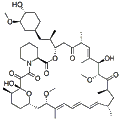
Sirolimus (Rapamycin)
Synonyms: Rapamune; Rapamycin
Rapamycin (Sirolimus) prevents activation of T cells and B-cells by inhibiting their response to interleukin-2 (IL-2).
Search by product name, CAS, target or catalog number. Press Down Arrow to reach product suggestions, Tab to move between links, and Escape to close suggestions.
Inducible expression and protein degradation systems switch a gene or a protein on or off with a small molecule. In tetracycline-controlled (Tet-On) systems, doxycycline activates transcription of the target gene. 4-Hydroxytamoxifen activates Cre recombinase fused to a modified estrogen receptor (CreER), and isopropyl β-D-1-thiogalactopyranoside (IPTG) induces lac-controlled genes in bacteria. Chemical inducers of dimerization such as AP20187 and abscisic acid bring fusion proteins together on demand. Degron systems remove tagged proteins within hours, with dTAG-13 for FKBP12 F36V fusions and 5-Ph-IAA for the auxin-inducible degron 2 (AID2) system. Shield-1 offers a further switch, as it stabilizes proteins fused to a destabilizing domain.
Synonyms: Rapamune; Rapamycin
Rapamycin (Sirolimus) prevents activation of T cells and B-cells by inhibiting their response to interleukin-2 (IL-2).
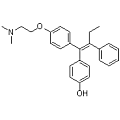
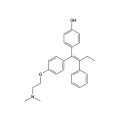
Synonyms: Afimoxifene
(E/Z)-4-hydroxy Tamoxifen is the active metabolite of tamoxifen and a selective estrogen receptor (ER) modulator that is widely used in the therapeutic and chemopreventive treatment of breast cancer.
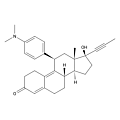
Synonyms: RU-486; Mifegyne; Mifeprex
Mifepristone, an antioxidant and glucocorticoid receptor antagonist, demonstrates the ability to suppress activation of NFκB, a nuclear transcription factor that affects the expression of various adhesion molecules and several inflammatory genes.
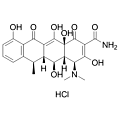
Synonyms: Vibramycin hydrochloride
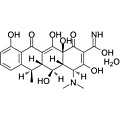
Doxycycline Hydrochloride is a synthetic tetracycline derivative with similar antimicrobial activity.
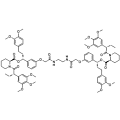
Synonyms: AP 1903
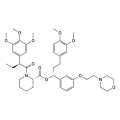
AP1903 is a lipid-permeable tacrolimus analogue with homodimerizing activity. Dimerizer drug AP1903 homodimerizes an analogue of human protein FKBP12 (Fv) which contains a single acid substitution (Phe36Val) so that AP1903 binds to wild-type FKBP12 with 1000-fold lower affinity.
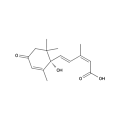
Synonyms: Abscisin II; Dormin
Abscisic Acid is a plant hormone, which is involved in many plant developmental processes, modulates ion homeostasis and metabolism.
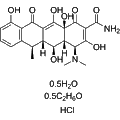
Synonyms: Doxycycline hydrochloride hemiethanolate hemihydrate; WC2031
Doxycycline hyclate is a broad-spectrum antibiotic and an effective metalloproteinase (MMP) inhibitor. It demonstrates significant antibacterial properties as well as the ability to inhibit cancer cell proliferation. This compound is valuable for constructing models of gene expression regulation in various biological research applications.
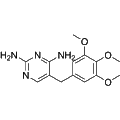
Trimethoprim is a bacteriostatic antibiotic that primarily targets dihydrofolate reductase, inhibiting folate synthesis in bacteria. It exhibits activity against a broad spectrum of Gram-positive and Gram-negative aerobic organisms, making it valuable in the study of urinary tract infections, Shigellosis, and Pneumocystis pneumonia. Additionally, Trimethoprim has demonstrated potential in inhibiting Influenza A virus infection in chick embryos when used in combination with zinc.
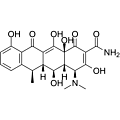
Doxycycline, an antibiotic, is an orally active and broad-spectrum metalloproteinase (MMP) inhibitor.
Synonyms: Adoxa; Doxycycline; GS-3065; Monodox; Oracea; Vibramycin
Doxycycline monohydrate is an antibiotic and broad-spectrum metalloproteinase (MMP) inhibitor.
Zapalog is a photocleavable small-molecule heterodimerizer that can be used to repeatedly initiate, and instantaneously terminate, a physical interaction between two target proteins. Zapalog dimerizes any two proteins tagged with the FKBP and DHFR domains until exposure to light causes its photolysis.
Shield-1 is a specific, cell-permeant and high-affinity ligand of FK506-binding protein-12 (FKBP), and reverses the instability by binding to mutated FKBP (mtFKBP), allowing conditional expression of mtFKBP-fused proteins.
Synonyms: Indole-3-acetic acid; 3-IAA
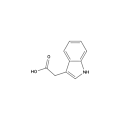
3-Indoleacetic acid (Indole-3-acetic acid) is the most common natural plant growth hormone of the auxin class. It can be added to cell culture medium to induce plant cell elongation and division.
Synonyms: (Z)-4-Hydroxytamoxifen; trans-4-Hydroxytamoxifen
4-Hydroxytamoxifen is a selective estrogen receptor modulator (SERM).
Synonyms: B/B Homodimerizer
AP20187 (B/B Homodimerizer) is a cell-permeable ligand used to dimerize FK506-binding protein (FKBP) fusion proteins and initiate biological signaling cascades and gene expression or disrupt protein-protein interactions.
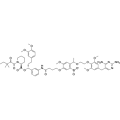
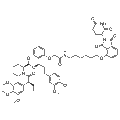
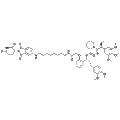
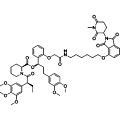
dTAG-13 is a PROTAC-based heterobifunctional degrader that selectively targets FKBP12^F36V fused in-frame to a protein of interest. By engaging both FKBP12^F36V and the cereblon (CRBN) E3 ligase, dTAG-13 induces efficient and selective degradation of FKBP12^F36V-tagged proteins, making it a valuable tool for conditional protein knockdown studies.
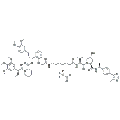
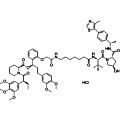
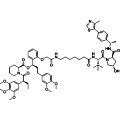
dTAGV-1 TFA is a potent and selective degrader of FKBP12^F36V-tagged fusion proteins. It enables efficient in vivo degradation of FKBP12^F36V-Nluc, making it a valuable tool for conditional protein degradation studies in live models.
dTAG-47 is a heterobifunctional degrader that selectively targets FKBP12^F36V-tagged proteins for degradation. By binding FKBP12^F36V, which acts as a degradation tag (dTAG), dTAG-47 enables conditional and selective protein degradation. It is a valuable tool for studying protein function in models such as basal-like breast cancer (BBC).
dTAGV-1 hydrochloride is a highly selective degrader targeting FKBP12F36V-tagged proteins through the PROTAC mechanism. This compound effectively induces the degradation of FKBP12F36V-Nluc in vivo, making it a valuable tool for studies involving targeted protein degradation. Its application in research facilitates the investigation of protein function, dynamics, and the development of therapies that exploit the proteolysis pathway.
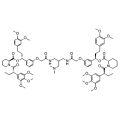
dTAGV-1-NEG is a diastereomer that acts as a heterobifunctional negative control for dTAGV-1, specifically targeted at FKBP12(F36V). This compound is utilized in research to study the selectivity and efficacy of FKBP12(F36V) degraders, helping to elucidate cellular mechanisms and pathways influenced by FKBP12 modulation. Its role as a control reagent makes it essential for validating experimental results in protein degradation studies.
dTAG-13-NEG serves as a negative control for dTAG-13, a PROTAC-based bifunctional degrader that selectively targets FKBP12F36V in the presence of a protein of interest. While dTAG-13 promotes the degradation of FKBP12F36V, dTAG-13-NEG allows for the assessment of specificity and background in experimental setups involving this pathway. This compound is essential for validating experimental results when studying protein degradation mechanisms and their implications in cellular biology.
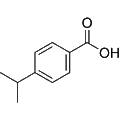
Synonyms: Cuminic acid; p-Isopropyl benzoic acid
4-Isopropylbenzoic acid is an aromatic monoterpenoid known for its antifungal properties. Isolated from the stem bark of Bridelia retusa, this compound demonstrates significant activity against various fungal strains. Additionally, it acts as a reversible and uncompetitive inhibitor of mushroom tyrosinase, making it relevant in studies related to enzymatic inhibition and fungal pathogen research.
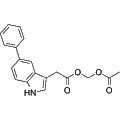
5-Ph-IAA-AM is a cell-permeable analog of 5-Ph-IAA featuring an acetoxymethyl (AM) group, designed to facilitate enhanced protein degradation within laid embryos. This compound is instrumental in investigating the functions of proteins in C. elegans, particularly those critical to embryogenesis and developmental processes, through temporally controlled protein degradation. Researchers can leverage 5-Ph-IAA-AM to elucidate protein roles and regulatory mechanisms in developmental biology studies.
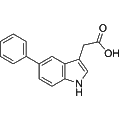
5-Ph-IAA is a ligand that specifically interacts with the auxin-inducible degron 2 (AID2) system, in conjunction with the OsTIR1 (F74G) mutant. This compound facilitates the rapid and efficient degradation of mAID-fused proteins, enabling the investigation of protein function in live cells. 5-Ph-IAA is particularly useful in studies related to protein turnover and regulation, offering insights into cellular processes such as tumor suppression. Its application in research enhances the understanding of protein dynamics in various biological contexts.
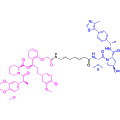
dTAGV-1 is a selective proteolysis-targeting chimera (PROTAC) degrader designed to target FKBP12F36V-tagged proteins. This compound effectively induces the degradation of FKBP12F36V-Nluc in vivo, making it a valuable tool for studying protein turnover and function. Its application is particularly relevant in cellular and molecular biology research, facilitating the investigation of protein interactions and therapeutic targets.