Cathepsin

Cathepsin inhibitors act on lysosomal proteases, mainly the papain-like cysteine cathepsins B, C, K, L and S. Cysteine cathepsins degrade proteins in the endolysosomal system and, after secretion, also remodel the extracellular matrix. In 1996 loss of cathepsin K was shown to cause pycnodysostosis, a lysosomal disease with dense, brittle bones. Cathepsin K is the main collagen-degrading protease of osteoclasts, which makes it a target in bone resorption studies. Odanacatib and balicatib inhibit cathepsin K, petesicatib targets cathepsin S, and CA-074 is selective for cathepsin B. CA-074 methyl ester is a membrane-permeable form for work in intact cells. Gly-Phe-beta-naphthylamide, a cathepsin C substrate, is used to rupture lysosomes in live cells.

1 Item

  • DCG04
    Cat. No.
    A75037

    DCG04

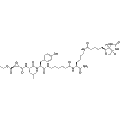
    DCG04 is an activity-based probe targeting cysteine cathepsins, serving as a multivalent ligand for the mannose-6-phosphate receptor. This compound enables the selective labeling of various cysteine cathepsins in cell and tissue lysates, facilitating the study of their roles in physiological and pathological processes. DCG04 is useful for researchers investigating enzyme activity and potential therapeutic interventions involving cysteine cathepsins.

    1 mg
    $220.00
    5 mg
    $560.00
    All 2 sizes

1 Item

Added to your cart

View Cart Checkout

    Loading...