Drug Metabolite

Drug metabolites are compounds formed when drugs, pesticides and other xenobiotics are transformed by organisms. Phase I reactions such as oxidation and hydroxylation, and phase II conjugation reactions, generate most of these products. α-Hydroxytamoxifen is a hydroxylated metabolite of tamoxifen, and Desbutyl Lumefantrine D9 is a deuterium-labeled form of a lumefantrine metabolite. Imidacloprid-urea represents environmental and metabolic breakdown products of the neonicotinoid insecticide imidacloprid. Endogenous and dietary metabolites also appear, including hippuric acid, a glycine conjugate of benzoic acid, and the catecholamine end product vanillylmandelic acid. Researchers use these compounds to identify metabolites, follow biotransformation pathways and measure exposure in biological samples. Deuterium-labeled forms can act as internal standards in mass spectrometry.

3 Items

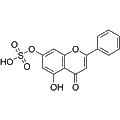
  • Chrysin 7-sulfate
    Cat. No.
    A70694

    Chrysin 7-sulfate

    Chrysin 7-sulfate is a conjugated metabolite of Chrysin. This compound exhibits a strong ability to displace the Site I marker warfarin from human serum albumin, indicating significant binding interactions. Additionally, Chrysin 7-sulfate effectively displaces Ochratoxin A from albumin, demonstrating its potential utility in studying protein-ligand interactions in both in vitro and in vivo research applications.

    Out of stock

    All 3 sizes
  • (R)-6-Hydroxybuspirone
    Cat. No.
    A70771

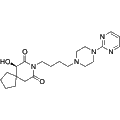
    (R)-6-Hydroxybuspirone

    Synonyms: BMS-442608

    (R)-6-Hydroxybuspirone is a metabolite of the anxiolytic agent Buspirone, functioning as a ligand for serotonin receptors. This compound exhibits anxiolytic properties similar to its parent compound and is useful in research focused on anxiety disorders and serotonin modulation. Its role in understanding the pharmacokinetics of Buspirone makes it a valuable tool for studies related to neuropharmacology and therapeutic efficacy.

    25 mg
    $1,275.00
    50 mg
    $1,625.00
    All 3 sizes
  • 13,14-Dihydro-15-keto prostaglandin J2
    Cat. No.
    A91004

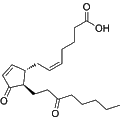
    13,14-Dihydro-15-keto prostaglandin J2

    Synonyms: 13,14-Dihydro-15-keto-PGJ2

    13,14-Dihydro-15-keto prostaglandin J2 is a metabolite of PGD2 that functions primarily as a ligand for peroxisome proliferator-activated receptor gamma (PPARγ). This compound exhibits anti-inflammatory properties and has been associated with various biological activities, including the regulation of adipocyte differentiation and glucose metabolism. It serves as a valuable tool for research into the mechanisms of metabolic disorders and inflammatory responses.

    Out of stock

    All 3 sizes

3 Items

Added to your cart

View Cart Checkout

    Loading...