CETP

CETP inhibitors block cholesteryl ester transfer protein, which moves lipids between plasma lipoproteins. Cholesteryl ester transfer protein (CETP) carries cholesteryl esters from high-density lipoprotein (HDL) to apolipoprotein B-containing particles in exchange for triglycerides. The human complementary DNA (cDNA) for the protein was cloned and sequenced in 1987. In 1990, a common CETP gene mutation was linked to raised HDL levels in Japanese families. A 2007 crystal structure revealed a long hydrophobic tunnel in the protein that holds four bound lipid molecules. Torcetrapib, anacetrapib and evacetrapib are inhibitors used to study lipoprotein remodeling, while dalcetrapib modulates CETP through a different binding mode. Obicetrapib is a more recent inhibitor that is also used in lipoprotein research.

1 Item

  • α-Amylcinnamaldehyde
    Cat. No.
    A69629

    α-Amylcinnamaldehyde

    Synonyms: 2-Benzylideneheptanal; α-Pentylcinnamaldehyde

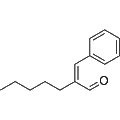
    α-Amylcinnamaldehyde serves as a ligand for the Niemann-Pick type C2 (NPC2) protein, which is crucial for cholesterol transport in various organisms. This compound is significant in the study of moth volatiles and their biological roles, potentially enhancing the understanding of lipid metabolism and transport mechanisms. Its application in research can provide insights into the molecular interactions of NPC2 and the broader implications for lipid-related disorders.

    25 mg
    $20.00
    25 g
    $25.00
    All 3 sizes

1 Item

Added to your cart

View Cart Checkout

    Loading...