- Cat. No.
- A12543
CCT251236
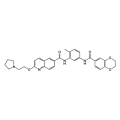
CCT251236 is an orally available pirin ligand from a heat shock transcription factor 1 (hsf1) phenotypic screen with an IC50 of 19 nM for inhibition of HSF1-mediated HSP72 induction.
Search by product name, CAS, target or catalog number. Press Down Arrow to reach product suggestions, Tab to move between links, and Escape to close suggestions.
Heat shock protein (HSP) inhibitors, mostly HSP90 inhibitors, block chaperones that fold and stabilize client proteins. HSP90 binds and hydrolyzes adenosine triphosphate (ATP), and many of its clients are kinases and transcription factors in growth signaling. In 1994, benzoquinone ansamycins such as geldanamycin were shown to disrupt HSP90 complexes with the viral Src kinase. A crystal structure reported in 1997 placed geldanamycin in the N-terminal ATP pocket of HSP90. Inhibition leads to degradation of client proteins through the ubiquitin-proteasome pathway. Later chemotypes include the resorcinol-based luminespib and ganetespib, alongside the geldanamycin analog alvespimycin hydrochloride. JG-98 is an allosteric inhibitor of HSP70, a second chaperone family.
CCT251236 is an orally available pirin ligand from a heat shock transcription factor 1 (hsf1) phenotypic screen with an IC50 of 19 nM for inhibition of HSF1-mediated HSP72 induction.
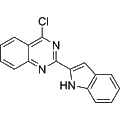
HSP70 Ligand 1 serves as a ligand for the heat shock protein 70 (HSP70), facilitating the development of PROTAC molecules. This compound is instrumental in synthesizing PROTAC HSP70 Degrader-1, enabling targeted protein degradation studies. It is valuable for researchers investigating HSP70's role in cellular stress responses and therapeutic applications.
Out of stock
All 3 sizes
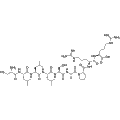
p5 Ligand for DnaK and DnaJ is a nonapeptide that specifically targets the heat shock proteins DnaK and DnaJ. This ligand corresponds to the primary binding site of a 23-residue segment within the presequence of mitochondrial aspartate aminotransferase, demonstrating high affinity for these chaperones. Its biological activity supports research in cellular stress responses and protein folding mechanisms, making it valuable for studies on molecular chaperones and their roles in various cellular contexts.
Out of stock
All 3 sizes
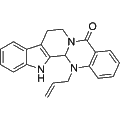
EV206 is a selective binder to the N-terminal domain of Hsp70, functioning as an apoptosis inducer. It promotes the degradation of Hsp70 through the ubiquitin-proteasome pathway, leading to reduced protein stability and inhibition of cellular growth. EV206 effectively induces apoptotic cell death in non-small cell lung cancer cells, suppresses colony formation, and downregulates markers associated with cancer stem cells. Additionally, it demonstrates anti-tumor activity in H460 xenograft models. This compound serves as a valuable tool for research in non-small cell lung cancer.