
- Cat. No.
- A12610
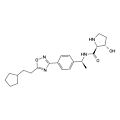
SK1-IN-1
SK1-IN-1 is a potent sphingosine kinase 1 (SPHK1) inhibitor with an IC50 of 58 nM.
In stock
View Details
Search by product name, CAS, target or catalog number. Press Down Arrow to reach product suggestions, Tab to move between links, and Escape to close suggestions.
SphK inhibitors block the lipid kinases that turn sphingosine into sphingosine-1-phosphate (S1P). Murine sphingosine kinase 1 (SphK1) was cloned in 1998, and a second isoform, sphingosine kinase 2 (SphK2), followed in 2000. The two enzymes differ in tissue distribution and subcellular location. By phosphorylating sphingosine, they shift the balance away from ceramide and sphingosine toward S1P, which acts on cell surface receptors and inside cells. PF-543, reported in 2012 as a selective SphK1 inhibitor, lowers cellular S1P levels. SK1-IN-1 also targets SphK1, while K145 and opaganib inhibit SphK2 and SKI-II acts on both isoforms. MHP is listed as an activator of SphK1 rather than an inhibitor.
SK1-IN-1 is a potent sphingosine kinase 1 (SPHK1) inhibitor with an IC50 of 58 nM.
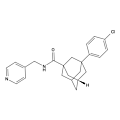
Synonyms: ABC-294640
ABC294640 is an orally available, aryladamantane compound and selective inhibitor of sphingosine kinase-2 (SK2) with potential antineoplastic activity.
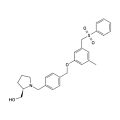
PF-543 is a novel selective SK-1 inhibitor which inhibited SK-1 activity in a competitive manner with sphingosine.
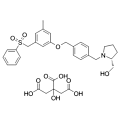
PF-543 Citrate is a novel cell-permeant inhibitor of SphK1 with a K(i) of 3.6 nM, PF-543 is sphingosine-competitive and is more than 100-fold selective for SphK1 over the SphK2 isoform.
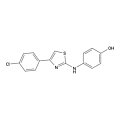
Synonyms: Sphingosine kinase inhibitor II
SKI-II is a selective non-lipid inhibitor of sphingosine kinase (IC50 = 0.5 uM).
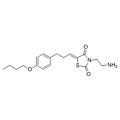
Synonyms: SphK2 inhibitor
K145 is a selective SphK2 inhibitor with an IC50 of 4.30± 0.06 μM , while no inhibition of SphK1 at concentrations up to 10 uM.
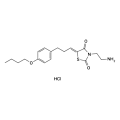
Synonyms: SphK2 inhibitor
K145 is a selective sphingosine kinase-2 (SphK2) inhibitor and anticancer agent.
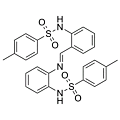
MP-A08 is a highly selective ATP competitive SK inhibitor that targets both SK1 and SK2 with Kivalues of 6.9 ± 0.8 uM and 27± 3 uM, respectively.
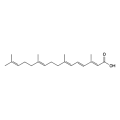
Synonyms: NIK333
Peretinoin, also known as NIK-333 , orally available, acyclic retinoid with potential antineoplastic and chemopreventive activities. Peretinoin binds to and activates nuclear retinoic acid receptors (RAR), which in turn recruit coactivator proteins and promote, with other transcriptional complexes, the transcription of target genes. As a result, this agent may modulate the expression of genes involved in the regulation of cell proliferation, cell differentiation, and apoptosis of both normal and tumor cells.
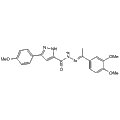
Synonyms: SKI178.
SKI-178 is a sphingosine kinase 1 (SphK1) inhibitor (IC50 = 0.1-1.8 μM). Induces CDK1-dependent apoptosis in human acute myeloid leukemia cell lines. Active in vivo.
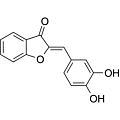
SKI V is a noncompetitive and potent non-lipid sphingosine kinase (SPHK; SK) inhibitor with an IC50 of 2 μM for GST-hSK.
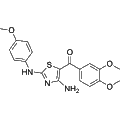
SKI-349 is a dual-target inhibitor of sphingosine kinase 1 and 2 (SPHK1/2) and modulates microtubule assembly (MDA). This compound exhibits significant anticancer activity, effectively reducing cell viability and invasion in liver cancer. SKI-349 also disrupts the AKT/mTOR signaling pathway, making it a valuable tool for investigating mechanisms of cancer progression and potential therapeutic strategies in oncology research.
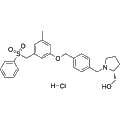
Synonyms: Sphingosine Kinase 1 Inhibitor II hydrochloride
PF-543 hydrochloride is a potent and selective inhibitor of Sphingosine Kinase 1 (SPHK1), exhibiting an IC50 of 2 nM and a Ki of 3.6 nM. It demonstrates over 100-fold selectivity for SPHK1 compared to SPHK2, making it a valuable tool for studying sphingosine-mediated signaling pathways. PF-543 hydrochloride effectively inhibits the formation of sphingosine 1-phosphate (S1P) in whole blood with an IC50 of 26.7 nM, and it has been shown to induce apoptosis, necrosis, and autophagy in various cell types, highlighting its potential in cancer and therapeutic research applications.
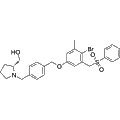
SphK1-IN-2 is a selective inhibitor targeting sphingosine kinase 1 (SphK1), exhibiting an IC50 value of 19.81 nM for SphK1 while demonstrating minimal inhibition of SphK2 (IC50 > 10 μM). This compound demonstrates anti-proliferative properties, induces cell cycle arrest, and promotes apoptosis in various cancer cell lines. SphK1-IN-2 is applicable in cancer research, providing insights into the role of sphingolipid metabolism in tumor progression and potential therapeutic strategies.
Out of stock
All 3 sizes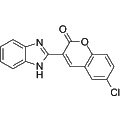
SphK1-IN-4 is a selective inhibitor of sphingosine kinase 1 (SphK1), an enzyme involved in sphingolipid metabolism. This compound has demonstrated potent inhibitory effects on SphK1 activity, making it a valuable tool for investigating the role of sphingosine kinase in cancer biology, particularly in lung cancer research. Its application can facilitate the exploration of therapeutic strategies targeting SphK1 in various cancer models.
Out of stock
All 3 sizes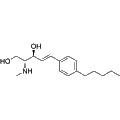
Synonyms: BML-258
SK1-I is a competitive inhibitor of sphingosine kinase 1 (SPHK1) with an isozyme-specific mechanism, exhibiting a Ki value of 10 μM. This compound selectively targets SPHK1 without affecting other kinases such as PKCα, PKCδ, PKA, AKT1, ERK1, EGFR, CDK2, IKKβ, or CamK2β. SK1-I is noted for its ability to enhance autophagy and exhibits potential antitumor activity, making it a valuable reagent for cancer research and studies involving lipid metabolism.
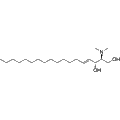
N,N-Dimethylsphingosine is a potent inhibitor of sphingosine kinase (SphK), a key enzyme involved in sphingolipid metabolism. This compound exhibits significant biological activity by modulating sphingosine-1-phosphate levels, which can influence cell proliferation, survival, and migration. It is commonly utilized in research applications related to cancer biology, neurobiology, and inflammation studies, providing insights into the roles of sphingolipids in various pathological conditions.
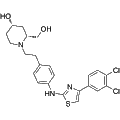
Amgen-23 is a selective inhibitor of sphingosine kinase 1 (SPHK1), exhibiting an IC50 value of 20 nM, while demonstrating lower potency against sphingosine kinase 2 (SPHK2) with an IC50 of 1.6 µM. This compound is valuable for investigating the role of SPHK1 in cancer biology and may facilitate the development of novel anticancer therapies. Its use in research settings can enhance the understanding of sphingolipid metabolism and cellular signaling pathways in tumorigenesis.
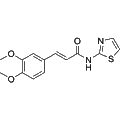
SphK1&2-IN-1 is a potent inhibitor of sphingosine kinases 1 and 2 (SphK1 and SphK2), key enzymes involved in sphingosine-1-phosphate biosynthesis. This compound exhibits thermal stability, making it suitable for various biochemical assays. SphK1&2-IN-1 is used in research applications focused on cancer, inflammation, and neurodegenerative diseases, providing valuable insights into sphingolipid signaling pathways.
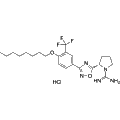
SLM6031434 hydrochloride is a selective inhibitor of sphingosine kinase 2 (SphK2), exhibiting an IC50 of 0.4 μM. This compound is known for its anti-fibrotic properties, primarily by promoting sphingosine accumulation and enhancing Smad7 expression. Research indicates that SLM6031434 effectively reduces tubulointerstitial fibrosis in a unilateral ureteral obstruction (UUO) mouse model, making it valuable for investigations into proteinuric kidney diseases and chronic kidney disease (CKD).
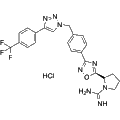
SphK2-IN-1 is a selective inhibitor of sphingosine kinase 2 (SphK2), exhibiting an IC50 of 0.359 μM. This compound plays a crucial role in modulating sphingolipid metabolism, making it valuable in the study of various diseases. SphK2-IN-1 is particularly relevant for research involving cancer, inflammation, and neurological and cardiovascular disorders, providing insights into the therapeutic potential of targeting sphingosine signaling pathways.
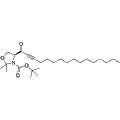
Synonyms: SKI 5C
CAY10621 is a selective inhibitor of sphingosine kinase 1 (SPHK1) with an IC50 value of 3.3 μM. This compound exhibits low cellular toxicity, making it suitable for biological studies. CAY10621 holds potential for research applications involving resistant cancer tumors, contributing to the understanding of therapeutic strategies targeting sphingosine metabolism.
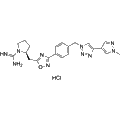
SphK2-IN-2 is a potent and selective inhibitor of sphingosine kinase 2 (SphK2) with an IC50 value of 0.23 μM. This compound demonstrates significant biological activity in regulating sphingolipid metabolism, making it a valuable tool for research applications related to cancer, neurodegenerative diseases, and inflammation. SphK2-IN-2 can aid in elucidating the role of SphK2 in various cellular pathways and the pathophysiology of related disorders.
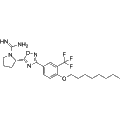
SLM6031434 is a selective inhibitor of sphingosine kinase 2 (SphK2) with an IC50 value of 0.4 μM. This compound promotes sphingosine accumulation and enhances Smad7 expression, leading to anti-fibrotic effects. SLM6031434 has demonstrated significant efficacy in reducing tubulointerstitial fibrosis in a mouse model of unilateral ureteral obstruction (UUO). It serves as a valuable tool for investigating proteinuric kidney diseases and chronic kidney disease (CKD).
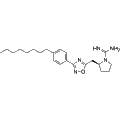
SLP7111228 is an inhibitor of sphingosine kinase 1 (SphK1), a key enzyme in sphingolipid metabolism. This compound effectively reduces lipopolysaccharide (LPS)-induced production of pro-inflammatory cytokines TNFα and IL-1β. SLP7111228 is valuable for research applications related to neuroinflammatory diseases, providing insights into the modulation of inflammatory responses.