Keap1-Nrf2

Keap1-Nrf2 pathway activators and inhibitors act on the master regulator of the cellular antioxidant response. Kelch-like ECH-associated protein 1 (Keap1) binds nuclear factor erythroid 2-related factor 2 (Nrf2) and keeps it from accumulating in the nucleus. In 1997, Nrf2 and small Maf proteins were shown to induce detoxifying genes through antioxidant response elements (AREs). Electrophiles modify Keap1 cysteines, releasing Nrf2 to induce genes such as NAD(P)H quinone dehydrogenase 1 (NQO1). Activators include sulforaphane, an isothiocyanate isolated from broccoli in 1992, and dimethyl fumarate, oltipraz and the triterpenoid omaveloxolone. ML-385 inhibits Nrf2 itself, while dicoumarol blocks the downstream enzyme NQO1. Related oxidative stress tools are listed under Reactive Oxygen Species (ROS).

Items 126-140 of 140

  • Keap1-Nrf2 probe
    Cat. No.
    A79536

    Keap1-Nrf2 probe

    Keap1-Nrf2 Probe is designed to selectively bind to the Kelch-like ECH-associated protein 1 (Keap1), modulating the nuclear factor erythroid 2-related factor 2 (Nrf2) signaling pathway. By inhibiting Keap1 function, this probe enhances the transcription of antioxidant response elements, promoting cellular defense against oxidative stress. It is valuable for research on oxidative stress-related diseases, drug discovery targeting the Nrf2 pathway, and studying cellular mechanisms involved in stress responses.

    Out of stock

    All 3 sizes
  • Rosolic acid
    Cat. No.
    A79537

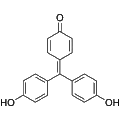
    Rosolic acid

    Rosolic acid is a potent activator of Nrf2, leading to the upregulation of its downstream targets. This compound has been shown to enhance levels of angiogenic factors while reducing inflammation markers such as TNF-α and IL-1β, as well as apoptotic markers like CXCL10 and CCL2. Additionally, rosolic acid aids in restoring pancreatic cell function and offers protective effects on endothelial cells against endoplasmic reticulum stress. Its applications include studies on oxidative stress, inflammation modulation, and cellular protection mechanisms.

    25 mg
    $20.00
    50 mg
    $25.00
    All 6 sizes
  • Keap1-Nrf2-IN-8
    Cat. No.
    A79538

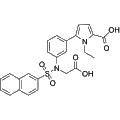
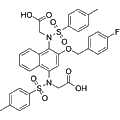
    Keap1-Nrf2-IN-8

    Keap1-Nrf2-IN-8 is a potent inhibitor of the Keap1-Nrf2 protein-protein interaction, demonstrating IC50 values of 64.5 nM and 14.2 nM in fluorescence polarization and time-resolved fluorescence resonance energy transfer assays, respectively. This compound effectively enhances the mRNA expression of key Nrf2 target genes, including GSTM3, HMOX2, and NQO1. Keap1-Nrf2-IN-8 is instrumental in research focused on oxidative stress response and cellular defense mechanisms.

    Out of stock

    All 3 sizes
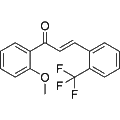
  • 2-Trifluoromethyl-2'-methoxychalcone
    Cat. No.
    A79539

    2-Trifluoromethyl-2'-methoxychalcone

    2-Trifluoromethyl-2'-methoxychalcone is a chalcone derivative that functions as a potent activator of the Nrf2 pathway. This compound promotes the expression of antioxidant proteins and plays a crucial role in cellular protection against oxidative stress. It is particularly relevant for research applications focused on diseases linked to oxidative stress and inflammation.

    5 mg
    $110.00
    All 1 sizes
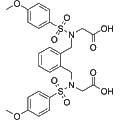
  • Keap1-Nrf2-IN-15
    Cat. No.
    A79540

    Keap1-Nrf2-IN-15

    Keap1-Nrf2-IN-15 is a potent inhibitor of the Keap1-Nrf2 protein-protein interaction, exhibiting IC50 values of 77 nM in fluorescence polarization (FP) assays and 2.5 nM in time-resolved Förster resonance energy transfer (TR-FRET) assays. This compound enhances the activation of the Nrf2 pathway, which plays a critical role in cellular defense mechanisms against oxidative stress and inflammation. Keap1-Nrf2-IN-15 is a valuable tool for research applications focused on neuroprotection, cancer therapy, and the modulation of antioxidant responses.

    25 mg
    $1,275.00
    50 mg
    $1,625.00
    All 3 sizes
  • Keap1-Nrf2-IN-12
    Cat. No.
    A79541

    Keap1-Nrf2-IN-12

    Keap1-Nrf2-IN-12 is a potent inhibitor of the Keap1-Nrf2 interaction, exhibiting an IC50 value of 2.30 µM. This compound effectively modulates the Nrf2 signaling pathway, which is critical for cellular defense against oxidative stress. Additionally, Keap1-Nrf2-IN-12 demonstrates metabolic stability in human liver microsomes, making it a valuable tool for research applications focused on oxidative stress response and related therapeutic targets.

    25 mg
    $1,275.00
    50 mg
    $1,625.00
    All 3 sizes
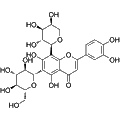
  • Carlinoside
    Cat. No.
    A79543

    Carlinoside

    Carlinoside is a flavone glycoside that exhibits hepatoprotective properties. It effectively reduces hepatic bilirubin accumulation by enhancing bilirubin-UDP-glucuronosyltransferase (UGT) activity through the activation of Nrf2 gene expression. This compound holds potential for the management of hyperbilirubinemia associated with liver dysfunction.

    1 mg
    $545.00
    5 mg
    $1,395.00
    All 3 sizes
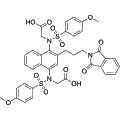
  • Keap1-Nrf2-IN-22
    Cat. No.
    A79544

    Keap1-Nrf2-IN-22

    Keap1-Nrf2-IN-22 is a selective inhibitor of the Keap1-Nrf2 interaction, exhibiting a KD2 value of 42.2 nM for Keap1. This compound is valuable for investigating the regulatory mechanisms of oxidative stress and cytoprotection in cellular environments. Key research applications include the study of acute lung injury (ALI) and cerebral ischemia/reperfusion (I/R) injury, where modulation of the Nrf2 pathway may provide therapeutic insights.

    25 mg
    $1,405.00
    50 mg
    $1,790.00
    All 3 sizes
  • Keap1-IN-2
    Cat. No.
    A79546

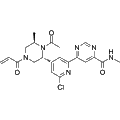
    Keap1-IN-2

    Keap1-IN-2 is a potent KEAP1 inhibitor with an IC50 of 2 nM, designed to indirectly activate Nrf2. By inhibiting KEAP1, this compound enhances cellular antioxidant capacity and promotes the accumulation and nuclear translocation of Nrf2, preventing its degradation. Keap1-IN-2 is applicable in research exploring diseases linked to oxidative stress, including inflammatory bowel disease, Crohn's disease, and immune disorders such as ulcerative colitis.

    Out of stock

    All 3 sizes
  • TPNA10168
    Cat. No.
    A79547

    TPNA10168

    Synonyms: KM05073

    TPNA10168 is an Nrf-2 activator that enhances the Keap1-Nrf2-ARE signaling pathway. It exhibits neuroprotective properties against oxidative stress-induced cellular damage and significantly downregulates the expression of inflammatory genes such as TNF-α, IL-1β, IL-6, and iNOS. TPNA10168 is suitable for research applications focused on anti-inflammatory responses and neurological disorders.

    2 mg
    $30.00
    10 mg
    $55.00
    All 2 sizes
  • WN1316
    Cat. No.
    A79548

    WN1316

    WN1316 is an orally active antioxidant agent that exhibits neuroprotective properties. It is primarily utilized in research focused on amyotrophic lateral sclerosis (ALS), making it a valuable tool for studying neurodegenerative diseases and the underlying mechanisms of oxidative stress in neuronal cells.

    25 mg
    $1,275.00
    50 mg
    $1,625.00
    All 3 sizes
  • CPDT
    Cat. No.
    A79549

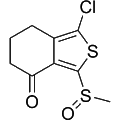
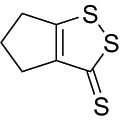
    CPDT

    CPDT is a potent activator of the transcription factor Nrf2, which plays a crucial role in cellular defense mechanisms. It significantly induces the expression of phase 2 enzymes, including glutathione S-transferase, NAD(P)H:quinone:oxidoreductase 1, and glutamate cysteine synthetase. Research demonstrates that CPDT enhances glutathione levels in rat bladder in vivo and in cultured bladder cells in vitro, highlighting its potential applications in studies of oxidative stress and antioxidant responses.

    1 mg
    $60.00
    5 mg
    $180.00
    All 2 sizes
  • Keap1-Nrf2-IN-17
    Cat. No.
    A79550

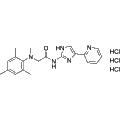
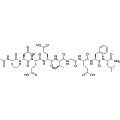
    Keap1-Nrf2-IN-17

    Keap1-Nrf2-IN-17 is a potent inhibitor of the Keap1-Nrf2 protein-protein interaction. This compound enhances the activation of the Nrf2 pathway, which plays a critical role in cellular defense against oxidative stress and inflammation. Keap1-Nrf2-IN-17 is valuable for research applications focused on understanding the mechanisms of oxidative stress response and exploring therapeutic options for related diseases.

    Out of stock

    All 3 sizes
  • Hydroxycitric acid (tripotassium)
    Cat. No.
    A87984

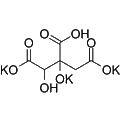
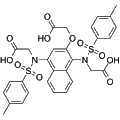
    Hydroxycitric acid (tripotassium)

    Hydroxycitric acid (tripotassium) is a potent activator of the Nrf2, AMPK, and mTOR signaling pathways. It enhances the expression of antioxidant enzymes, elevates glutathione levels, and inhibits ferroptosis, thereby providing protection against oxidative stress and promoting cellular health. This compound is actively engaged in regulating renal and pulmonary vascular functions and is also implicated in the induction of apoptosis in cancer cells through cell cycle arrest and DNA fragmentation. Its multi-target bioactivity makes it a valuable tool in research focused on oxidative stress, cancer biology, and metabolic regulation.

    25 mg
    $25.00
    50 mg
    $40.00
    All 3 sizes
  • (R,S,R)-ML334
    Cat. No.
    B10826

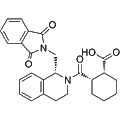
    (R,S,R)-ML334

    Synonyms: (R,S,R)-LH601A

    (R,S,R)-ML334 is the isomer of ML334, serving as a valuable experimental control in research. This compound acts primarily as a cell-permeable activator of NRF2 by inhibiting the Keap1-NRF2 protein-protein interaction. With a binding affinity of 1 µM to the Kelch domain of Keap1, (R,S,R)-ML334 enhances NRF2 expression, promotes its nuclear translocation, and induces antioxidant response elements (ARE) activity, making it significant for studies related to oxidative stress and cellular defense mechanisms.

    5 mg
    $80.00
    10 mg
    $125.00
    All 5 sizes

Items 126-140 of 140

Added to your cart

View Cart Checkout

    Loading...