Anti-infectives

Anti-infectives brings together compounds that act on bacteria, fungi and viruses in microbiology research. They are used to study microbial growth, drug resistance and host-pathogen interactions. Its seven subcategories are Antibiotic, Bacterial, Fungal, Mycobacterium tuberculosis, HIV (human immunodeficiency virus), Dengue Virus and Flavivirus. Antibacterial examples include the oxazolidinone linezolid, the carbapenems imipenem and meropenem, and the glycylcycline tigecycline. Bedaquiline, a diarylquinoline, and pretomanid, a nitroimidazole, are used in Mycobacterium tuberculosis research. Among the antivirals, nelfinavir inhibits HIV-1 protease, an enzyme required for viral maturation. Compounds for a single viral enzyme or virus, such as reverse transcriptase or influenza virus, also have their own Microbiology categories.

11 Items

  • Inosine pranobex
    Cat. No.
    A13314

    Inosine pranobex

    Synonyms: Imunovir; Delimmun; Groprinosin

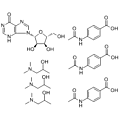
    Inosine pranobex is a potent, broad-spectrum antiviral compound for HIV infection. Inosine pranobex is an immunopotentiator.

    100 mg
    $20.00
    500 mg
    $35.00
    All 5 sizes
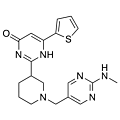
  • Ribocil
    Cat. No.
    A20761

    Ribocil

    Ribocil is a highly selective chemical modulator of bacterial riboflavin riboswitches. Ribocil strongly inhibits GFP expression, achieving a 50% effective concentration (EC50) of 0.3 μM.

    1 mg
    $45.00
    2 mg
    $65.00
    All 8 sizes
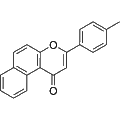
  • 4'-Methyl-β-naphthoflavone
    Cat. No.
    A28182

    4'-Methyl-β-naphthoflavone

    4'-Methyl-β-naphthoflavone is a metabolite derived from naphthoflavones, specifically showing activity as a modulator of cytochrome P450 enzymes. Its key biological activity involves the regulation of CYP-450, which is critical for various metabolic processes in fungi. This compound is valuable for research investigating the enzymatic pathways influenced by naphthoflavones and their implications in fungal biology.

    5 mg
    $90.00
    10 mg
    $155.00
    All 5 sizes
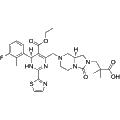
  • Linvencorvir
    Cat. No.
    A30791

    Linvencorvir

    Synonyms: RG7907; RO7049389

    Linvencorvir is an orally active allosteric modulator targeting the Hepatitis B virus core protein. It exhibits potent antiviral activity against HBV and induces apoptosis in infected cells. This compound is primarily utilized in research for understanding HBV pathogenesis and developing therapeutic strategies against hepatitis B virus infection.

    1 mg
    $80.00
    5 mg
    $215.00
    All 7 sizes
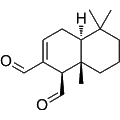
  • Polygodial
    Cat. No.
    A33209

    Polygodial

    Synonyms: Poligodial; Tadeonal

    Polygodial is a sesquiterpene known for its role as an antifungal potentiator. It exhibits significant anti-hyperalgesic properties, making it a valuable compound in research focused on pain modulation and fungal infections. Polygodial has potential applications in developing therapeutic strategies targeting antifungal resistance and enhancing pain relief mechanisms.

    1 mg
    $35.00
    5 mg
    $80.00
    All 4 sizes
  • SPR741
    Cat. No.
    A46373

    SPR741

    Synonyms: NAB741

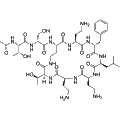
    SPR741 is a cationic peptide antibiotic derived from polymyxin B, functioning primarily as a potentiator. It enhances the permeability of the outer membrane in Gram-negative bacteria, making it an effective agent against multidrug-resistant strains. SPR741 is utilized in research focused on severe Gram-negative infections and can broaden the spectrum of activity when used in combination with other antibiotics.

    5 mg
    $125.00
    10 mg
    $210.00
    All 5 sizes
  • N-Tetradecanoyl-L-homoserine lactone
    Cat. No.
    A48546

    N-Tetradecanoyl-L-homoserine lactone

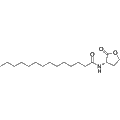
    N-Tetradecanoyl-L-homoserine lactone is a bacterial modulator that functions as a short-chained N-acyl homoserine lactone (AHL). It plays a critical role in cell-to-cell communication among Proteobacteria, particularly in aquatic environments where diatoms are present. This compound is useful in studies investigating bacterial quorum sensing mechanisms and the dynamics of microbial communities.

    5 mg
    $35.00
    10 mg
    $60.00
    All 5 sizes
  • ClpP modulator-1
    Cat. No.
    A54491

    ClpP modulator-1

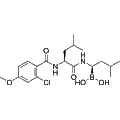
    ClpP modulator-1 (Compound BC8a) is an allosteric modulator of ClpP, demonstrating its efficacy as both an activator and inhibitor depending on concentration. At low concentrations, it exhibits activation with EC50 values of 0.35 μM for Neisseria meningitidis ClpP and 0.58 μM for Escherichia coli ClpP. At higher concentrations, it competitively inhibits the binding of substrates to the ClpP C sites, leading to the inhibition of peptidase activity. This compound shows significant antibacterial activity and is applicable in research focused on bacterial infections.

    5 mg
    $370.00
    10 mg
    $605.00
    All 4 sizes
  • Zymosan (ZM), 95%
    Cat. No.
    A86882

    Zymosan (ZM), 95%

    Zymosan (ZM), 95% is an immune system modulator derived from yeast cell walls that primarily targets TLR-2, TLR-4, and Dectin-1 receptors. It activates downstream signaling pathways that enhance TLR-2, TLR-4, and TNF-α mRNA expression, leading to increased serum TNF-α levels and improved splenocyte viability in murine models. Zymosan (ZM), 95% has been shown to inhibit melanoma growth, modulate macrophage marker gene expression, and induce pro-inflammatory factor production in human corneal cells. Additionally, it serves as a drug carrier and supports fibroblast cell attachment in hydrogel formulations, making it a valuable tool for research on melanoma, tumors, fungal keratitis, and ocular surface inflammatory disorders.

    25 mg
    $30.00
    50 mg
    $50.00
    All 3 sizes
  • cis-Isoeugenol
    Cat. No.
    B10844

    cis-Isoeugenol

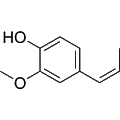
    Cis-Isoeugenol is the cis isomer of Isoeugenol, known for its role as a selective modulator of various biological pathways. It exhibits potential anti-inflammatory and analgesic properties, making it useful for research in pain management and inflammation models. Additionally, cis-Isoeugenol is utilized in studies investigating its effects on odorant receptors and its applications in fragrance formulation.

    5 mg
    $40.00
    10 mg
    $70.00
    All 5 sizes
  • Conimine
    Cat. No.
    B21828

    Conimine

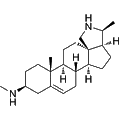
    Conimine is a steroidal alkaloid with significant antibacterial properties, specifically targeting bacteria such as methicillin-sensitive and methicillin-resistant Staphylococcus aureus. Isolated from the seeds of Holarrhena antidysenteriaca, Conimine not only exhibits intrinsic antibacterial activity but also acts as a potentiator. When used in combination with Penicillin or Vancomycin, Conimine enhances the antibacterial efficacy against both strains of Staphylococcus aureus, making it a valuable reagent for research in antibiotic synergy and resistance studies.

    Out of stock

    All 3 sizes

11 Items

Added to your cart

View Cart Checkout

    Loading...