PROTAC Degrader

PROTAC degraders recruit an E3 ubiquitin ligase to a target protein so that the proteasome degrades it. Each proteolysis-targeting chimera (PROTAC) links a target-binding ligand to an E3 ligase ligand through a chemical linker. The approach was first described in 2001, and later work showed that small-molecule PROTACs can act catalytically, removing several target copies per molecule. Examples include the bromodomain and extra-terminal (BET) degraders dBET1, MZ1 and ARV-771, and the estrogen receptor degrader ERD-308. Degraders of anti-apoptotic proteins, such as PROTAC Mcl1 degrader-1, are also listed.

Items 301-325 of 786

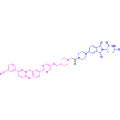
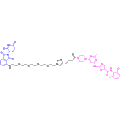
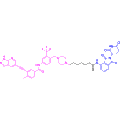
  • PROTAC BCR-ABL Degrader-2
    Cat. No.
    A32121

    PROTAC BCR-ABL Degrader-2

    PROTAC BCR-ABL Degrader-2 is a selective degrader targeting the Bcr-AblT315 mutant, with a DC50 of 108.7 nM in Ba/F3 Bcr-AblT315I cells. This compound demonstrates a notable degradation efficacy, achieving degradation rates of 69.89% and 94.23% at concentrations of 100 nM and 300 nM, respectively. Additionally, it shows promising in vivo anti-tumor effects including significant tumor regression and induction of apoptosis in tumor cells, while maintaining a favorable safety profile. PROTAC BCR-ABL Degrader-2 is suitable for research focused on chronic myeloid leukemia (CML).

    Out of stock

    All 3 sizes
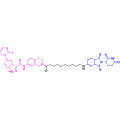
  • PROTAC EGFR degrader 6
    Cat. No.
    A32145

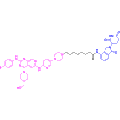
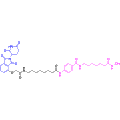
    PROTAC EGFR degrader 6

    PROTAC EGFR Degrader 6 is a selective degrader targeting the EGFRDel19 mutant, exhibiting a DC50 value of 45.2 nM in HCC827 cells. This compound effectively induces apoptosis and leads to G1 phase cell cycle arrest in HCC827 cells. Its unique mechanism of action makes it a valuable tool for research focused on EGFR-related pathways and the development of targeted cancer therapies.

    Out of stock

    All 3 sizes
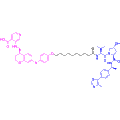
  • PROTAC HDAC6 degrader 1
    Cat. No.
    A32174

    PROTAC HDAC6 degrader 1

    PROTAC HDAC6 Degrader 1 is a selective compound designed to target and degrade histone deacetylase 6 (HDAC6) through the proteolysis-targeting chimera (PROTAC) mechanism. With a DC50 of 3.5 nM, this degrader exhibits significant antiproliferative effects, particularly by inducing apoptosis in myeloid leukemia cell lines. It serves as a valuable tool for research on cancer therapies and the modulation of histone deacetylation pathways.

    Out of stock

    All 3 sizes
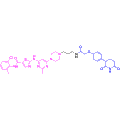
  • PROTAC c-Met Degrader-4
    Cat. No.
    A32285

    PROTAC c-Met Degrader-4

    PROTAC c-Met Degrader-4 is a potent orally active PROTAC designed to target c-MET for degradation. It exhibits remarkable intracellular degradation potency with a DC50 value of less than 0.5 nM and effectively induces cell cycle arrest and apoptosis while inhibiting cell invasion and migration. This compound is particularly useful in cancer research, demonstrating the ability to suppress proliferation and inhibit the growth of various cancers, including non-small cell lung cancer and gastric cancer. In vivo studies also highlight its effectiveness in reducing tumor growth in Hs746T xenograft models.

    Out of stock

    All 3 sizes
  • PROTAC TRIB2 degrader-1
    Cat. No.
    A32386

    PROTAC TRIB2 degrader-1

    PROTAC TRIB2 degrader-1 selectively targets TRIB2 for degradation through the CRBN-dependent ubiquitin-proteasome pathway. This compound effectively inhibits cell proliferation and induces apoptosis, making it a valuable tool in cancer research. Its unique mechanism allows for targeted protein degradation, facilitating studies on TRIB2's role in various cellular processes.

    Out of stock

    All 3 sizes
  • PROTAC KDM4 degrader-1
    Cat. No.
    A32503

    PROTAC KDM4 degrader-1

    PROTAC KDM4 Degrader-1 is a potent proteolysis targeting chimera (PROTAC) designed to selectively degrade KDM4A-C while sparing KDM4D. This compound demonstrates significant antiproliferative effects in esophageal cancer cells, inducing apoptosis and cell cycle arrest. Additionally, PROTAC KDM4 Degrader-1 effectively inhibits histone H3 lysine demethylation, making it a valuable tool for research into cancer biology and epigenetic regulation.

    Out of stock

    All 3 sizes
  • SJ11646
    Cat. No.
    A32518

    SJ11646

    SJ11646 is a LCK-targeting PROTAC degrader based on Dasatinib, exhibiting a DC50 of 0.00838 pM. This compound demonstrates potent cytotoxic effects against LCK-activated T-cell acute lymphoblastic leukemia (T-ALL) cells and primary leukemia samples, effectively prolonging LCK signaling suppression and inducing apoptosis in T-ALL. Additionally, SJ11646 binds with high affinity to 51 human kinases, including ABL1, KIT, and DDR1, and shows enhanced antileukemic efficacy in T-ALL mouse models, making it a valuable tool for research into novel therapeutic strategies for leukemia.

    Out of stock

    All 3 sizes
  • PROTAC KSP degrader 1
    Cat. No.
    A32566

    PROTAC KSP degrader 1

    PROTAC KSP Degrader 1 is a targeted protein degrader designed to selectively deplete kinesin spindle protein (KSP). This compound achieves a DC50 value of 114.8 nM for KSP degradation in HCT-116 cells and demonstrates a potent anti-proliferative effect with an IC50 of 10 nM. It effectively induces G2/M cell cycle arrest and triggers apoptosis in HCT-116 cells, exhibiting notable anti-tumor efficacy in relevant mouse models. This reagent serves as a valuable tool for investigating KSP's role in cancer biology and therapeutic approaches.

    Out of stock

    All 3 sizes
  • PROTAC CDK4/6/9 degrader 1
    Cat. No.
    A32667

    PROTAC CDK4/6/9 degrader 1

    PROTAC CDK4/6/9 Degrader 1 is a targeted protein degradation agent that specifically degrades cyclin-dependent kinases CDK4, CDK6, and CDK9. This compound effectively inhibits the proliferation of triple-negative breast cancer (TNBC) cells by inducing G1 phase arrest, promoting apoptosis, and suppressing cellular migration and invasion. PROTAC CDK4/6/9 Degrader 1 serves as a valuable tool for studying the role of these kinases in TNBC and may support the development of novel therapeutic strategies aimed at this aggressive cancer subtype.

    Out of stock

    All 3 sizes
  • Gal-ARV-771
    Cat. No.
    A32676

    Gal-ARV-771

    Gal-ARV-771 is a galactose-modified PROTAC prodrug designed to target SA-β-Gal-expressed cancer senescent cells for activation. Upon activation, Gal-ARV-771 releases ARV-771, which facilitates the selective degradation of the BRD4 protein via the ubiquitin-proteasome pathway in senescent cells. This compound has demonstrated the capability to induce apoptosis in senescent cancer cells, making it a valuable tool for cancer research focused on cellular senescence and therapeutic strategies targeting BRD4.

    Out of stock

    All 3 sizes
  • XM-U-14
    Cat. No.
    A32746

    XM-U-14

    XM-U-14 is a selective PROTAC degrader targeting USP7, demonstrating a DC50 of 0.74 nM for inducing USP7 degradation in the RS4;11 cell line. This compound effectively upregulates p53 and p21 levels and exhibits significant inhibition of acute lymphoblastic leukemia (ALL) cell proliferation, with IC50 values of 0.5 nM and 8.3 nM for RS4;11 and Reh cells, respectively. Additionally, XM-U-14 induces apoptosis and cell cycle arrest, ultimately inhibiting tumor growth, making it a valuable tool for cancer research and therapeutic exploration.

    Out of stock

    All 3 sizes
  • WRN-IN-20
    Cat. No.
    A32774

    WRN-IN-20

    WRN-IN-20 is a targeted WRN degrader known for its effective degradation of the Werner syndrome protein (WRN). This compound demonstrates significant degradation activity in various cell lines, including HCT-116 (DC50 = 1.7 µM), SW-48 (DC50 = 3.0 µM), and SW-480 (DC50 = 5.9 µM). WRN-IN-20 exhibits potent anti-proliferative, pro-apoptotic, migration-inhibiting, and DNA damage-inducing effects, particularly in MSI-H cancer cells. This reagent is suitable for research applications focused on cancer biology and therapeutic strategies involving WRN modulation.

    Out of stock

    All 3 sizes
  • RD-23
    Cat. No.
    A32863

    RD-23

    RD-23 is a selective RET PROTAC degrader that functions through the promotion of ubiquitination and subsequent degradation of the RETG810C mutation, exhibiting a DC50 value of 11.7 nM. This compound effectively inhibits downstream Shc signaling pathways and induces apoptosis in RET-related cancer models. RD-23 is a valuable tool for investigating the biological roles and therapeutic targeting of RET in oncology research.

    Out of stock

    All 3 sizes
  • PROTAC TYK2 degrader-1
    Cat. No.
    A33243

    PROTAC TYK2 degrader-1

    PROTAC TYK2 degrader-1 (CPD-155) is a proteolysis-targeting chimera (PROTAC) that effectively degrades TYK2, achieving a degradation efficiency (Dmax) exceeding 60%. This compound utilizes a selective TYK2 ligand combined with a Cereblon ligand, linked through a proprietary structure. It is poised for applications in research focusing on autoimmune diseases and inflammatory disorders where TYK2 modulation is of interest.

    5 mg
    $535.00
    10 mg
    $875.00
    All 5 sizes
  • SJ1008030
    Cat. No.
    A33311

    SJ1008030

    SJ1008030 is a PROTAC compound designed to selectively degrade Janus kinase 2 (JAK2). This compound exhibits potent inhibitory activity against MHH–CALL-4 cell growth, with an IC50 of 5.4 nM. SJ1008030 is valuable for research applications focusing on leukemia, facilitating the study of JAK2-related pathways and therapeutic interventions.

    Out of stock

    All 3 sizes
  • PROTAC FLT3/JAK2/BRD4 Degrader-1
    Cat. No.
    A33334

    PROTAC FLT3/JAK2/BRD4 Degrader-1

    PROTAC FLT3/JAK2/BRD4 Degrader-1 is a potent PROTAC degrader that simultaneously targets FLT3, JAK2, and BRD4, exhibiting DC50 values of 5.23 nM, 0.678 nM, and 1.17 nM, respectively. It demonstrates significant antiproliferative activity against MV4;11 cells with an IC50 of 0.79 nM, inducing apoptosis in these cells. Additionally, PROTAC FLT3/JAK2/BRD4 Degrader-1 shows marked anti-tumor efficacy in MV4;11 xenograft models in NOD SCID mice. This compound is valuable for research into acute myeloid leukemia (AML).

    Out of stock

    All 3 sizes
  • DGY-09-192
    Cat. No.
    A33495

    DGY-09-192

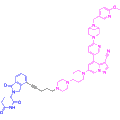
    DGY-09-192 is a PROTAC degrader targeting FGFR1 and FGFR2, demonstrating DC50 values of 4.35 nM and 70 nM, respectively. This compound selectively degrades both wild-type FGFR1/2 and various FGFR2 fusion proteins, such as FGFR2-PHGDH and FGFR2-OPTN. By suppressing downstream FGFR signaling, DGY-09-192 effectively reduces the phosphorylation of key targets including FRS2 Y196 and ERK1/2 T202/Y204, making it a valuable tool for investigating FGFR-driven malignancies in both in vitro and in vivo studies.

    1 mg
    $800.00
    5 mg
    $2,190.00
    All 4 sizes
  • Leu-PEG1-Dasa
    Cat. No.
    A33591

    Leu-PEG1-Dasa

    Leu-PEG1-Dasa is an efficient BCR-ABL PROTAC degrader that operates through the N-terminal canonical pathway, demonstrating a DC50 of 0.48 nM. This compound utilizes a single amino acid as the E3 ligase ligand and exhibits significant anti-proliferative effects on K562 cells. Leu-PEG1-Dasa is applicable in the research of chronic myeloid leukemia (CML) and provides insights into targeted degradation mechanisms in cancer therapy.

    Out of stock

    All 3 sizes
  • GMB-805
    Cat. No.
    A33626

    GMB-805

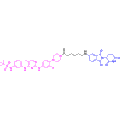
    GMB-805 is a potent BCR-Abl PROTAC degrader, demonstrating a DC50 of 30 nM in K562 cells. It effectively induces antiproliferative activity, making it a valuable tool for studying chronic myeloid leukemia. Additionally, GMB-805 exhibits significant anti-tumor efficacy in vivo, coupled with a favorable safety profile, highlighting its potential for therapeutic development.

    Out of stock

    All 3 sizes
  • Arg-PEG1-Dasa
    Cat. No.
    A33630

    Arg-PEG1-Dasa

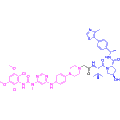
    Arg-PEG1-Dasa is a mini-PROTAC designed to selectively degrade BCR-ABL, a key oncogenic driver in chronic myeloid leukemia. It demonstrates potent degradation efficacy with an EC50 of 0.85 nM, and exhibits significant antiproliferative activity in K562 cells, with an IC50 of 0.36 nM. This reagent is valuable for research applications focused on targeted therapies for BCR-ABL-driven malignancies.

    Out of stock

    All 3 sizes
  • P19As
    Cat. No.
    A33633

    P19As

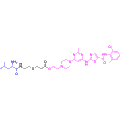
    P19As is a PROTAC degrader that targets the BCR-ABL fusion protein, exhibiting a DC50 value of approximately 200 nM for wild-type BCR-ABL. This compound effectively degrades the T315I mutant variant and demonstrates potent anti-proliferative activity in BaF3-BCR-ABL (T315I) cell lines. P19As serves as a valuable tool for investigating therapeutic strategies in chronic myeloid leukemia and acute lymphoblastic leukemia.

    Out of stock

    All 3 sizes
  • P19P
    Cat. No.
    A33635

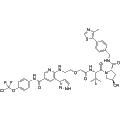
    P19P

    P19P is a BCR-ABL PROTAC degrader that demonstrates a DC50 value of approximately 20 nM for wild-type BCR-ABL protein. It effectively degrades various drug-resistant mutants, including T315I, E255K, H396R, and V468F, and exhibits significant anti-proliferative activity in BaF3-BCR-ABL (T315I) cells, with an IC50 of 13.1 nM against ABL (T315I). P19P is suitable for research applications related to chronic myeloid leukemia and acute lymphoblastic leukemia while showing no inhibition of vascular lumen formation in HUVEC cells.

    Out of stock

    All 3 sizes
  • SIAIS100
    Cat. No.
    A33636

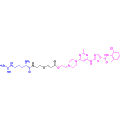
    SIAIS100

    SIAIS100 is a potent BCR-ABL PROTAC degrader, exhibiting a DC50 value of 2.7 nM. This compound facilitates the targeted degradation of the BCR-ABL fusion protein, making it an important tool in the study of chronic myeloid leukemia (CML). Its ability to induce proteolytic degradation offers valuable insights for therapeutic development and understanding disease mechanisms associated with CML.

    Out of stock

    All 3 sizes
  • SIAIS056
    Cat. No.
    A33640

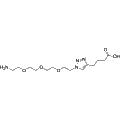
    SIAIS056

    SIAIS056 is a BCR-ABL PROTAC degrader that effectively targets and degrades BCR-ABL fusion proteins, displaying a potent DC50 value of 0.18 nM. It inhibits the BCR-ABL signaling pathway in a time-dependent manner, leading to reduced phosphorylation of BCR-ABL as well as downstream effectors like STAT5 and CRKL in K562 cells. Additionally, SIAIS056 demonstrates the ability to degrade various BCR-ABL resistance mutations and exhibits significant anti-proliferative effects, resulting in marked tumor regression in K562 xenograft models. This compound is valuable for research in leukemia.

    Out of stock

    All 3 sizes
  • P22D
    Cat. No.
    A33641

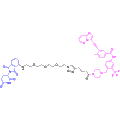
    P22D

    P22D is a BCR-ABL PROTAC degrader designed for targeted protein degradation, exhibiting a DC50 value of approximately 10 nM for the wild-type BCR-ABL protein. This compound effectively inhibits the proliferation of K562 cells harboring the wild-type BCR-ABL, but does not exhibit activity against BaF3-BCR-ABL (T315I) cells. P22D is valuable for research on chronic myeloid leukemia and acute lymphocytic leukemia, offering insights into the mechanisms of resistance and targeted therapies.

    Out of stock

    All 3 sizes
Items 301-325 of 786

Added to your cart

View Cart Checkout

    Loading...