GHSR

Ghrelin receptor agonists and antagonists act on the growth hormone secretagogue receptor (GHSR). The receptor was cloned in 1996 from pituitary and hypothalamus as the target of synthetic growth hormone secretagogues. Its endogenous ligand, ghrelin, was identified in 1999 as an acylated stomach peptide that releases growth hormone. GHSR signaling links growth hormone release with appetite and energy balance, which makes the receptor a frequent subject in metabolism research. Anamorelin, capromorelin and ulimorelin are small-molecule GHSR agonists, and des-Gln14-Ghrelin is a natural ghrelin variant. PF-5190457 acts as an inverse agonist, while liver-expressed antimicrobial peptide 2 (LEAP-2) antagonizes the receptor.

2 Items

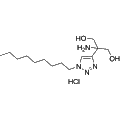
  • KARI 201 hydrochloride
    Cat. No.
    A60541

    KARI 201 hydrochloride

    KARI 201 hydrochloride is a selective inhibitor of acid sphingomyelinase (ASM) with a competitive mechanism of action, exhibiting an IC50 of 338.3 nM. This compound is capable of penetrating the blood-brain barrier and has demonstrated potential in improving neuropathological features associated with Alzheimer's disease. KARI 201 hydrochloride serves as a valuable tool for research applications focused on neurodegenerative disorders and the modulation of sphingolipid metabolism.

    5 mg
    $145.00
    10 mg
    $235.00
    All 2 sizes
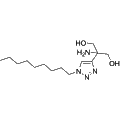
  • KARI 201
    Cat. No.
    A60571

    KARI 201

    KARI 201 is a selective, brain-penetrant competitive inhibitor of acid sphingomyelinase (ASM), exhibiting an IC50 of 338.3 nM. This compound acts as a ghrelin receptor agonist and demonstrates significant potential in ameliorating neuropathological features associated with Alzheimer's disease. KARI 201 is valuable for research investigating the modulation of ASM activity and its implications in neurodegenerative disorders.

    Out of stock

    All 3 sizes

2 Items

Added to your cart

View Cart Checkout

    Loading...