Buffers, Detergents & Protease Inhibitors

Buffers, detergents and protease inhibitors are basic reagents for preparing, lysing and stabilizing biological samples. Zwitterionic Good's buffers such as HEPES, MOPS, PIPES and MES hold pH steady in the physiological range, while Tris serves electrophoresis and general use. Detergents such as CHAPS, polysorbate 20 and sodium dodecyl sulfate (SDS) solubilize membranes and proteins. Dithiothreitol (DTT) keeps thiol groups reduced, and ethylenediaminetetraacetic acid (EDTA) chelates divalent metal ions. Protease inhibitors such as leupeptin, aprotinin, pepstatin A and E-64, with the phosphatase inhibitor sodium orthovanadate, protect proteins in cell lysates.

Items 26-50 of 105

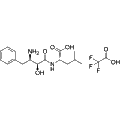
  • Bestatin trifluoroacetate
    Cat. No.
    A47557

    Bestatin trifluoroacetate

    Synonyms: Ubenimex trifluoroacetate

    Bestatin trifluoroacetate is a potent inhibitor of CD13 (Aminopeptidase N) and leukotriene A4 hydrolase. It plays a significant role in cancer research by modulating enzymatic activity associated with tumor progression and inflammation. With its capability to interfere with amino acid metabolism, Bestatin trifluoroacetate is valuable for studying the biological processes linked to these targets.

    25 mg
    $1,800.00
    50 mg
    $2,285.00
    All 3 sizes
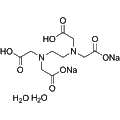
  • Ethylenediaminetetraacetic acid disodium dihydrate
    Cat. No.
    A47901

    Ethylenediaminetetraacetic acid disodium dihydrate

    Synonyms: EDTA disodium dihydrate

    Ethylenediaminetetraacetic acid disodium dihydrate is a metal chelator that effectively binds bivalent and trivalent metal cations, such as calcium. With notable antibacterial, anti-inflammatory, antioxidant, and anticoagulant properties, this compound mitigates metal ion-catalyzed oxidative damage to proteins and helps maintain a reducing environment during protein purification. Additionally, it demonstrates potential therapeutic effects in liver fibrosis and is applicable in research related to coronary artery disease and neurological disorders.

    500 mg
    $20.00
    1 g
    $25.00
    All 3 sizes
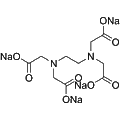
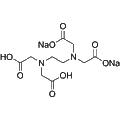
  • Ethylenediaminetetraacetic acid tetrasodium
    Cat. No.
    A48091

    Ethylenediaminetetraacetic acid tetrasodium

    Synonyms: EDTA tetrasodium

    Ethylenediaminetetraacetic acid tetrasodium (EDTA tetrasodium) is a potent metal chelator that binds to bivalent and trivalent metal cations, including calcium. This compound exhibits various biological activities, including antibacterial, anti-inflammatory, antioxidant, and anticoagulant effects. EDTA tetrasodium mitigates metal ion-catalyzed oxidative damage to proteins and supports a reducing environment during protein purification processes. Its application extends to research in liver fibrosis, coronary artery disease, and neurological disorders, making it a valuable tool in biochemical studies.

    50 g
    $20.00
    100 g
    $25.00
    All 2 sizes
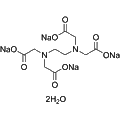
  • Ethylenediaminetetraacetic acid sodium hydrate
    Cat. No.
    A48601

    Ethylenediaminetetraacetic acid sodium hydrate

    Synonyms: EDTA sodium hydrate

    Ethylenediaminetetraacetic acid sodium hydrate is a metal chelator that effectively binds to bivalent and trivalent metal cations, including calcium. It exhibits significant biological activities such as antibacterial, anti-inflammatory, antioxidant, anti-hypercalcemic, and anticoagulant properties. This compound is particularly useful in mitigating metal ion-catalyzed oxidative damage to proteins, thus facilitating the maintenance of a reducing environment during protein purification. Ethylenediaminetetraacetic acid sodium hydrate is also investigated for its potential therapeutic effects in studies related to liver fibrosis, coronary artery disease, and neurological disorders.

    1 mg
    $20.00
    100 g
    $25.00
    All 3 sizes
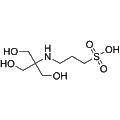
  • TAPS
    Cat. No.
    A57346

    TAPS

    TAPS is an aminosulfonate compound that acts as a lysozyme stabilizer and connexin channel inhibitor. It preserves the native conformation of lysozyme in aqueous solutions at pH 7.0 and protects against heat-induced denaturation. Additionally, TAPS inhibits the activity of heteromeric connexin 32/connexin 26 channels (Cx32/Cx26) through its protonated form, demonstrating a dependency on connexin 26. This compound is valuable for studying connexin channel function and solute exchange in liposomal systems, making it a critical tool in biochemical and cellular research.

    25 g
    $20.00
    50 g
    $25.00
    All 3 sizes
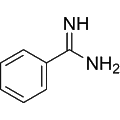
  • Benzamidine
    Cat. No.
    A77651

    Benzamidine

    Benzamidine is a competitive protease inhibitor targeting enzymes such as plasmin, trypsin, and thrombin, effectively preventing the hydrolytic cleavage of glucagon. It is primarily employed to stabilize glucagon in human plasma and blood samples during collection, storage, and analysis, thereby ensuring accurate detection outcomes in research applications. While Benzamidine can induce slight single-strand DNA breaks at elevated concentrations, it demonstrates minimal overall genotoxicity. Additionally, it may interfere with certain glucagon antisera, although it does not significantly impact the affinity of key antigen-antibody interactions at specific concentrations.

    25 mg
    $25.00
    50 mg
    $40.00
    All 3 sizes
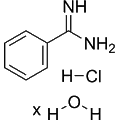
  • Benzamidine hydrochloride hydrate
    Cat. No.
    A77657

    Benzamidine hydrochloride hydrate

    Synonyms: Benzenecarboximidamide hydrochloride hydrate

    Benzamidine hydrochloride hydrate is a reversible competitive inhibitor of serine proteases, specifically targeting trypsin-like enzymes. It exhibits inhibitory constants (Kis) of 20 μM for Tryptase, 21 μM for Trypsin, 97 μM for uPA, 110 μM for Factor Xa, 320 μM for Thrombin, and 750 μM for tPA. This compound is widely utilized in biochemical research to study proteolytic processes and enzyme activity related to various physiological and pathological conditions.

    5 g
    $25.00
    10 g
    $40.00
    All 2 sizes
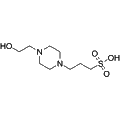
  • HEPPS
    Cat. No.
    A78228

    HEPPS

    Synonyms: EPPS

    HEPPS is a buffering agent with an effective pH range of 7.3 to 8.7. This compound has demonstrated the ability to reduce amyloid beta (Aβ) aggregate-induced memory deficits and improve cognitive functions in murine models. HEPPS is orally active and capable of crossing the blood-brain barrier, making it valuable for neuroscience research.

    25 g
    $20.00
    50 g
    $25.00
    All 3 sizes
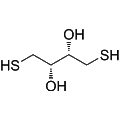
  • DL-dithiothreitol
    Cat. No.
    A86379

    DL-dithiothreitol

    Synonyms: DTT; rel-(2R,3R)-1,4-Dimercapto-2,3-butanediol

    DL-dithiothreitol (DTT) is a potent reducing agent that serves to maintain and stabilize the reduced state of thiol groups in proteins and peptides. By cleaving disulfide bonds, DTT effectively prevents oxidative stress and supports protein folding, making it essential in various biochemical assays. This reagent is widely utilized in the fields of protein biochemistry, molecular biology, and cell culture, where it aids in the preparation and analysis of sensitive biological samples.

    500 mg
    $35.00
    1 g
    $50.00
    All 3 sizes
  • IPTG
    Cat. No.
    A86381

    IPTG

    Synonyms: Isopropyl β-D-thiogalactoside

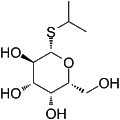
    IPTG (Isopropyl β-D-1-thiogalactopyranoside) acts as a molecular mimic of allolactose and serves as an inducer of the lac operon. This compound effectively triggers transcription in systems where gene expression is regulated by the lac operator, enabling controlled protein expression in biological research. IPTG is widely utilized in molecular biology and recombinant protein studies to regulate the activity of target genes within prokaryotic expression systems.

    500 mg
    $35.00
    1 g
    $40.00
    All 5 sizes
  • EGTA
    Cat. No.
    A86384

    EGTA

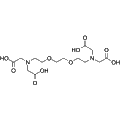
    EGTA is a highly specific calcium ion chelator that operates by binding calcium ions with an apparent dissociation constant (Kd) of 60.5 nM at physiological pH (7.4). Its strong selectivity for Ca2+ over Mg2+ (with a Kd for Mg2+ ranging from 1-10 mM) makes it particularly valuable in research involving calcium signaling. EGTA is effective in inhibiting the substrate adherence capacity of inflammatory macrophages, making it useful in studying inflammatory responses and various cellular processes.

    500 mg
    $25.00
    1 g
    $40.00
    All 5 sizes
  • HEPES
    Cat. No.
    A86403

    HEPES

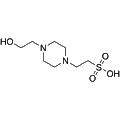
    HEPES, a zwitterionic buffer, is widely utilized in cell culture applications due to its ability to maintain stable pH levels in the range of 6.8 to 8.2. This nonvolatile buffering agent plays a significant role in enhancing cellular environments. Additionally, HEPES is recognized for its capacity to induce lysosome biogenesis, making it valuable for studies related to cellular metabolism and organelle dynamics.

    200 mg
    $25.00
    500 mg
    $30.00
    All 4 sizes
  • Tween 20
    Cat. No.
    A86410

    Tween 20

    Synonyms: Polysorbate 20

    Tween 20, also known as Polysorbate 20, is a polyoxyethylene-based nonionic surfactant. It is commonly utilized to enhance solubility and stability of various compounds in aqueous solutions. Tween 20 is frequently applied in biochemical assays, protein purification processes, and as an emulsifying agent in cell culture applications. Its ability to reduce surface tension makes it valuable in formulating pharmaceuticals and cosmetic products.

    Out of stock

    All 3 sizes
  • MES
    Cat. No.
    A86411

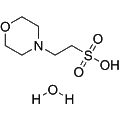
    MES

    Synonyms: 2-Morpholinoethanesulphonic acid

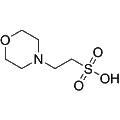
    MES (2-Morpholinoethanesulphonic acid) is an amphoteric ion buffer effective in the pH range of 5.5 to 7.0. This Good's buffer is commonly utilized in various biochemical and molecular biology applications, including cell culture, enzyme activity assays, electrophoresis, and protein analysis. Its stability and compatibility make it an essential reagent for maintaining pH in sensitive biological systems.

    500 mg
    $20.00
    2 g
    $25.00
    All 4 sizes
  • MOPS
    Cat. No.
    A86437

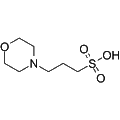
    MOPS

    MOPS (3-(N-morpholino)propanesulfonic acid) functions as a buffering agent, primarily employed to maintain stable pH levels in mammalian cell culture media. Its effectiveness in biological systems allows for optimal conditions during experimental procedures. Additionally, MOPS enhances the thermal stability of proteins such as bovine serum albumin (BSA), making it useful for various biochemical applications and assays.

    500 mg
    $20.00
    10 g
    $25.00
    All 5 sizes
  • MES monohydrate
    Cat. No.
    A86441

    MES monohydrate

    Synonyms: 2-Morpholinoethanesulphonic acid monohydrate

    MES monohydrate (2-Morpholinoethanesulphonic acid) serves as an amphoteric ion buffer with an effective pH range of 5.5 to 7.0. Known as a Good's buffer, it is extensively utilized in biochemistry and molecular biology applications, including cell culture, enzyme activity assays, electrophoresis, and protein analysis. Its compatibility with biological systems makes it an essential reagent for maintaining optimal experimental conditions.

    100 g
    $25.00
    500 g
    $30.00
    All 2 sizes
  • ONPG
    Cat. No.
    A86445

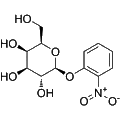
    ONPG

    Synonyms: 2-Nitrophenyl β-D-galactopyranoside

    ONPG (o-nitrophenyl-β-D-galactopyranoside) serves as a colorimetric and spectrophotometric substrate for β-galactosidase detection. This compound is hydrolyzed by β-galactosidase to release o-nitrophenol, resulting in a measurable color change, making it useful for quantifying enzyme activity in various biological assays. Its applications extend to molecular biology, microbiology, and enzymology research, facilitating studies on gene expression and metabolic functions.

    500 mg
    $25.00
    1 g
    $30.00
    All 3 sizes
  • PIPES
    Cat. No.
    A86451

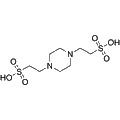
    PIPES

    Synonyms: 1,4-Piperazinediethanesulfonic acid

    PIPES (1,4-Piperazinediethanesulfonic acid) serves as a buffering agent primarily used to maintain stable pH conditions in biochemical and molecular biology experiments. It effectively buffers in the physiological pH range, making it suitable for studies involving enzymatic reactions, cell culture, and protein interactions. PIPES is particularly valuable in applications where minimal ionic strength alteration is crucial, thereby supporting reliable experimental outcomes.

    5 g
    $20.00
    10 g
    $30.00
    All 5 sizes
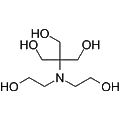
  • Bis-Tris
    Cat. No.
    A86457

    Bis-Tris

    Bis-Tris is an amine buffer effective for protein and nucleic acid systems, functioning within a pH range of 5.8 to 7.2. It can be combined with HEPES and cacodylic acid to achieve a pH of 8, facilitating the monitoring of fluorescence emission intensity at 305 nm. Additionally, gels prepared with Bis-Tris minimize protein degradation in samples maintained at higher pH levels (pH 8.5), making it a valuable reagent for various biochemical assays and analytical applications.

    10 g
    $25.00
    25 g
    $30.00
    All 3 sizes
  • EDTA disodium
    Cat. No.
    A86470

    EDTA disodium

    Synonyms: Ethylenediaminetetraacetic acid disodium

    EDTA disodium, or ethylenediaminetetraacetic acid disodium, functions as a versatile chelating agent that effectively binds metal ions such as calcium, magnesium, and iron. Its primary applications include use as a reagent in biochemical and biomedical research, serving as a stabilizer in pharmaceuticals, and acting as a preservative in food and beverage products. Additionally, EDTA disodium has been investigated for its potential therapeutic effects in conditions such as heavy metal toxicity and cardiovascular diseases.

    10 g
    $20.00
    25 g
    $40.00
    All 3 sizes
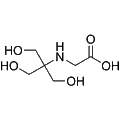
  • Tricine
    Cat. No.
    A86500

    Tricine

    Tricine is a biochemical assay reagent primarily used as a buffering agent in protein electrophoresis and nucleic acid analysis. Its ability to maintain pH stability enhances the accuracy of various biochemical reactions, making it essential in immunology applications. Additionally, Tricine is valuable in medical research, particularly in antibody detection and drug screening assays.

    50 mg
    $20.00
    5 g
    $25.00
    All 7 sizes
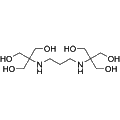
  • Bis-tris propane
    Cat. No.
    A86532

    Bis-tris propane

    Synonyms: BTP

    Bis-tris propane (BTP) is a water-soluble buffering agent utilized primarily for biotechnological applications. It is particularly effective in maintaining pH stability during polymerase chain reaction (PCR) processes and can enhance the activity and stability of restriction enzymes. BTP serves as a reliable choice for various molecular biology experiments, providing optimal conditions for enzymatic reactions.

    1 g
    $25.00
    5 g
    $30.00
    All 3 sizes
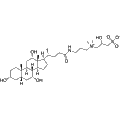
  • CHAPSO
    Cat. No.
    A86540

    CHAPSO

    Synonyms: 3-[3-(Cholamidopropyl)dimethylammonio]-2-hydroxy-1-propanesulfonate

    CHAPSO is a zwitterionic detergent that effectively reduces protein adsorption. It enhances cryo-electron microscopy (cryo-EM) imaging quality and serves as a valuable reagent for the solubilization and reconstruction of membrane proteins. CHAPSO is widely used in structural studies of membrane proteins, facilitating better characterization and analysis of their structure-function relationships.

    100 mg
    $25.00
    500 mg
    $45.00
    All 2 sizes
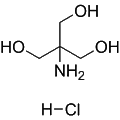
  • THAM hydrochloride (≥99%, reagent grade)
    Cat. No.
    A86589

    THAM hydrochloride (≥99%, reagent grade)

    Synonyms: Tris HCl (≥99%, reagent grade); Tris hydrochloride (≥99%, reagent grade)

    THAM hydrochloride, also known as Tris-HCl, is a reagent-grade buffer that targets pH stabilization in biochemical assays. With its capacity to resist pH fluctuations, it is essential for maintaining a consistent environment in various molecular biology applications, including electrophoresis and protein purification. Its unique properties facilitate reliable performance in experimental protocols, ensuring the integrity of biological samples and reagents.

    500 mg
    $20.00
    10 g
    $25.00
    All 3 sizes
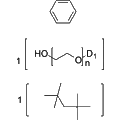
  • (1,1,3,3-Tetramethylbutyl)phenyl-polyethylene glycol X-114
    Cat. No.
    A86664

    (1,1,3,3-Tetramethylbutyl)phenyl-polyethylene glycol X-114

    Synonyms: Polyoxyethylene octylphenol ether

    (1,1,3,3-Tetramethylbutyl)phenyl-polyethylene glycol X-114 functions as a surfactant by enabling the solubilization of membranes and whole cells. It exhibits unique phase separation properties, remaining homogeneous at 0 degrees Celsius while separating into aqueous and detergent phases at temperatures above 20 degrees Celsius. This compound is particularly useful in phase separation studies, making it an essential tool for researchers investigating membrane dynamics and cellular processes.

    Out of stock

    All 3 sizes

Items 26-50 of 105

Added to your cart

View Cart Checkout

    Loading...