Endogenous Metabolite

Endogenous metabolites are small molecules made by the body's own metabolism, such as amino acids and steroids. They are used as metabolomics standards, as enzyme substrates and as tools to probe how metabolic pathways are regulated. L-Citrulline, an intermediate of the urea cycle, is also formed when nitric oxide synthase produces nitric oxide. 17-Hydroxyprogesterone is a steroid intermediate on the route to cortisol. Prostaglandin E1 represents the eicosanoids, a group of lipid mediators derived from fatty acids. Nicotinamide riboside chloride is a precursor of nicotinamide adenine dinucleotide (NAD+), the cofactor used by sirtuins.

Items 26-49 of 49

  • Phosphoenolpyruvic acid cyclohexylammonium salt
    Cat. No.
    A71704

    Phosphoenolpyruvic acid cyclohexylammonium salt

    Synonyms: Phosphoenolpyruvate cyclohexylammoniu​m salt

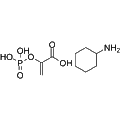
    Phosphoenolpyruvic acid cyclohexylammonium salt is a glycolysis metabolite that serves as a critical intermediate in energy metabolism. It plays a vital role in both glycolysis and gluconeogenesis, functioning as a substrate for ATP production under energy-limited conditions. Additionally, this compound exhibits cytoprotective and antioxidative properties, making it valuable for various biological research applications focused on cellular energy dynamics and oxidative stress responses.

    100 mg
    $25.00
    500 mg
    $45.00
    All 4 sizes
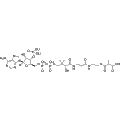
  • Methylmalonyl-CoA tetralithium
    Cat. No.
    A71795

    Methylmalonyl-CoA tetralithium

    Synonyms: Isosuccinyl coenzyme A tetralithium; Methylmalonyl coenzyme tetralithium

    Methylmalonyl-CoA tetralithium is an endogenous metabolite involved in the catabolism of branched-chain amino acids, odd-chain fatty acids, and cholesterol. It acts as a substrate for methylmalonyl-CoA mutase (MCM) in the conversion to succinyl-CoA, a crucial step in cellular energy metabolism. This reagent is valuable in research applications focused on metabolic pathways, mitochondrial function, and the study of related metabolic disorders.

    1 mg
    $370.00
    All 1 sizes
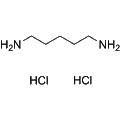
  • Pentane-1,5-diamine dihydrochloride
    Cat. No.
    A71859

    Pentane-1,5-diamine dihydrochloride

    Pentane-1,5-diamine dihydrochloride is an endogenous metabolite that serves as a key substrate in various biological pathways. Its primary mechanism involves acting as a building block for polyamines, which are crucial for cellular growth, differentiation, and regulation of gene expression. This compound is commonly used in research applications focusing on metabolic processes and the study of polyamine biosynthesis in different biological systems.

    50 mg
    $20.00
    100 mg
    $25.00
    All 5 sizes
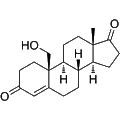
  • 19-Hydroxyandrost-4-ene-3,17-dione
    Cat. No.
    A71939

    19-Hydroxyandrost-4-ene-3,17-dione

    19-Hydroxyandrost-4-ene-3,17-dione serves as a substrate for the enzymes Corticotropin-lipotropin and Cytochrome P450 19A1. This endogenous metabolite plays a crucial role in steroidogenesis and is valuable in studies of adrenal and gonadal function. Its utility extends to research on hormone biosynthesis and the physiological effects of androgens and estrogens.

    100 mg
    $20.00
    250 mg
    $25.00
    All 4 sizes
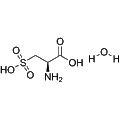
  • L-Cysteic acid monohydrate
    Cat. No.
    A71946

    L-Cysteic acid monohydrate

    L-Cysteic acid monohydrate is an endogenous metabolite and the oxidation product of L-cystine. It serves as a substrate for glutamate decarboxylase (GADCase) and cysteine sulfinic acid decarboxylase (CADCase II), playing a crucial role in neurotransmitter synthesis. This compound is valuable for research into amino acid metabolism and neurological function.

    500 mg
    $20.00
    1 g
    $25.00
    All 2 sizes
  • Decyl aldehyde
    Cat. No.
    A72009

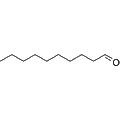
    Decyl aldehyde

    Decyl aldehyde is a ten-carbon aldehyde that functions as a substrate for bacterial luciferase. This compound serves as an important endogenous metabolite in various biological systems. It is utilized in research applications focused on bioluminescence and metabolic studies, offering insights into cellular processes and enzyme activity.

    500 mg
    $20.00
    1 g
    $25.00
    All 5 sizes
  • γ-Hexalactone
    Cat. No.
    A72020

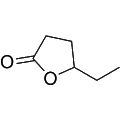
    γ-Hexalactone

    Synonyms: γ-Caprolactone

    γ-Hexalactone is a gamma-lactone that serves as an endogenous metabolite. It is known to induce DNA damage and acts as a substrate for paraoxonase 1 (PON1). Its biological activity makes it useful for exploring mechanisms of cellular stress and oxidative damage in various research applications.

    1 g
    $20.00
    5 g
    $25.00
    All 4 sizes
  • Angiotensinogen (1-14), human
    Cat. No.
    A72047

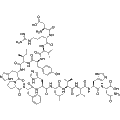
    Angiotensinogen (1-14), human

    Angiotensinogen (1-14), human is a biologically active fragment of the renin substrate angiotensinogen. This endogenous metabolite serves as a natural substrate for renin and plays a critical role in the biosynthesis of all angiotensin peptides. It is widely employed in cardiovascular research and studies focused on the renin-angiotensin system, contributing to the understanding of hypertension and related disorders.

    1 mg
    $60.00
    5 mg
    $245.00
    All 3 sizes
  • L-Gulono-1,4-lactone
    Cat. No.
    A72231

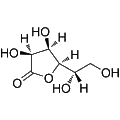
    L-Gulono-1,4-lactone

    Synonyms: L-Gulonolactone

    L-Gulono-1,4-lactone is a substrate for L-gulono-1,4-lactone oxidoreductase, facilitating the final step in the biosynthesis of L-ascorbic acid (vitamin C). As a direct precursor of vitamin C, it plays a crucial role in the metabolic pathways of animals, plants, and certain protists. This compound is essential for research in metabolic regulation, antioxidant activity, and the physiological roles of vitamin C in various biological systems.

    500 mg
    $25.00
    1 g
    $30.00
    All 5 sizes
  • N-Lignoceroyl Taurine
    Cat. No.
    A72471

    N-Lignoceroyl Taurine

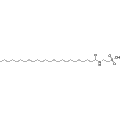
    N-Lignoceroyl Taurine is an endogenous metabolite and taurine conjugate of lignoceric acid, identified through lipidomic analysis of bovine brain. This compound exhibits distinct biological activity as a substrate for fatty acid amide hydrolase (FAAH), with levels significantly elevated in FAAH knockout mice, indicating a potential role in lipid metabolism. Additionally, N-Lignoceroyl Taurine has been shown to activate transient receptor potential (TRP) calcium channels, including TRPV1 and TRPV4, highlighting its relevance in neurobiology and cellular signaling research.

    1 mg
    $145.00
    5 mg
    $665.00
    All 3 sizes
  • AMC Arachidonoyl Amide
    Cat. No.
    A72495

    AMC Arachidonoyl Amide

    Synonyms: AMC-AA; 7-Amino-4-methyl coumarin-arachidonamide

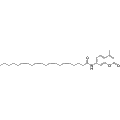
    AMC Arachidonoyl Amide (AMC-AA) is a synthetic substrate for fatty acid amide hydrolase (FAAH), enabling the assessment of FAAH activity. Upon hydrolysis by FAAH, AMC-AA releases aminomethyl coumarin, which exhibits fluorescence, specifically absorbing at 360 nm and emitting at 465 nm. This property makes AMC-AA an effective tool for the rapid and convenient quantification of FAAH activity in biological samples, facilitating research in lipid metabolism and neurobiology.

    1 mg
    $55.00
    5 mg
    $155.00
    All 5 sizes
  • Phenylacetyl CoA
    Cat. No.
    A72655

    Phenylacetyl CoA

    Synonyms: Phenylacetyl Coenzyme A

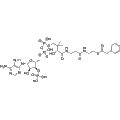
    Phenylacetyl CoA is an endogenous metabolite that serves as an acyl-CoA derivative in metabolic pathways. It functions as a substrate for acceptor oxidoreductases, playing a critical role in the anaerobic metabolism of phenylalanine in denitrifying bacteria, such as Thauera aromatica. This compound is essential for studies on microbial metabolism and can be applied in research investigating the enzymatic processes of anaerobic organisms.

    Out of stock

    All 3 sizes
  • 5(S)-HPETE
    Cat. No.
    A72711

    5(S)-HPETE

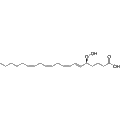
    5(S)-HPETE is a substrate of 5-lipoxygenase and a metabolite of arachidonic acid. It is produced through the 5-LOX-catalyzed hydroperoxidation of arachidonic acid and can be further metabolized to leukotriene A4 via 5-LOX-catalyzed epoxidation. This compound is valuable for research applications related to inflammatory conditions, including asthma and rheumatoid arthritis.

    0.025 mg
    $310.00
    0.05 mg
    $575.00
    All 4 sizes
  • Sodium creatine phosphate dibasic tetrahydrate
    Cat. No.
    A72751

    Sodium creatine phosphate dibasic tetrahydrate

    Synonyms: Creatine phosphate (disodium tetrahydrate); Creatinephosphoric acid (disodium tetrahydrate)

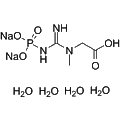
    Sodium creatine phosphate dibasic tetrahydrate is an endogenous metabolite that serves as a key substrate for creatine kinase. This compound plays a critical role in the resynthesis of ATP during skeletal muscle contraction, facilitating energy production in muscle tissues. It is widely used in biochemical research to study muscle metabolism and energy dynamics.

    25 mg
    $25.00
    50 mg
    $30.00
    All 6 sizes
  • Clinolamide
    Cat. No.
    A73259

    Clinolamide

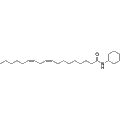
    Clinolamide is an N-cyclohexyl linoleamide that primarily targets endogenous metabolites. In studies assessing cholesterol metabolism in rats, a dietary dose of 0.3% over 21 days did not significantly alter serum, liver, or kidney cholesterol levels. However, it exhibited variable effects on cholesterol synthesis in liver slices depending on the specific substrates and concentrations used. This compound is relevant for research on lipid metabolism and cholesterol regulation.

    25 mg
    $1,275.00
    50 mg
    $1,625.00
    All 3 sizes
  • NAD Synthetase
    Cat. No.
    A74006

    NAD Synthetase

    Synonyms: NAD+ Synthetase; Nicotinamide adenine dinucleotide synthetase

    NAD Synthetase is an enzyme that catalyzes the final step in the biosynthesis of nicotinamide adenine dinucleotide (NAD). This enzyme demonstrates differing Km values for its substrates, with values of 200 μM for NAD, 11 μM for ATP, and 0.65 μM for ammonia in Escherichia coli, and 170 μM for NAD, 190 μM for ATP, and 64 μM for ammonia in yeast. NAD Synthetase is applicable for enzymatic assays targeting ATP, ammonia, urea, or creatinine, and is suitable for enzymatic cycling methods. Furthermore, it holds promise for advancing research in metabolic diseases, cancer, aging, and neurodegenerative disorders.

    Out of stock

    All 3 sizes
  • 4-Chloro-N,N-diisopropylbenzamide
    Cat. No.
    A74063

    4-Chloro-N,N-diisopropylbenzamide

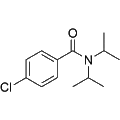
    4-Chloro-N,N-diisopropylbenzamide is an amide with significant relevance as a substrate for cytochrome P450 enzymes in vivo and for acetylcholinesterase in vitro. This compound plays a crucial role in metabolic studies, enabling the investigation of enzyme kinetics and substrate specificity. Its application extends to research focused on drug metabolism and neuropharmacology.

    50 mg
    $20.00
    1 g
    $25.00
    All 2 sizes
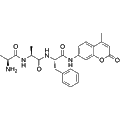
  • Ala-Ala-Phe-AMC
    Cat. No.
    A74254

    Ala-Ala-Phe-AMC

    Ala-Ala-Phe-AMC is a fluorogenic substrate primarily used for the detection of proteolytic activity. Its positively charged characteristics enhance its suitability for various biochemical assays, enabling researchers to investigate protease function in biological samples. This compound is valuable in studies related to protein turnover, cellular signaling, and disease mechanisms involving proteolysis.

    5 mg
    $100.00
    10 mg
    $160.00
    All 3 sizes
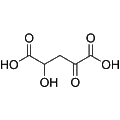
  • DL-4-Hydroxy-2-ketoglutarate
    Cat. No.
    A74340

    DL-4-Hydroxy-2-ketoglutarate

    DL-4-Hydroxy-2-ketoglutarate acts as a substrate for the enzymes glutamic oxalacetic aminotransferase (GOT) and 2-keto-4-hydroxyglutarate aldolase, mediating the reversible conversion of 2-keto-4-hydroxyglutarate to pyruvate and glyoxylate. This endogenous metabolite is valuable in mass spectrometry applications for the rapid analysis of negatively charged, water-soluble cellular metabolites, aiding in metabolic pathway studies and biomarker discovery.

    Out of stock

    All 3 sizes
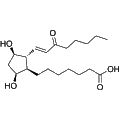
  • 15-keto Prostaglandin F1α
    Cat. No.
    A74416

    15-keto Prostaglandin F1α

    Synonyms: 15-keto PGF1α

    15-keto Prostaglandin F1α is a key metabolite of Prostaglandin F1α that serves as an effective substrate for the prostaglandin receptor PGR-2. This compound plays a significant role in the study of physiological processes, including prostaglandin metabolism and lipogenesis. Its utility in research applications makes it essential for investigations into lipid biology and related metabolic pathways.

    1 mg
    $60.00
    5 mg
    $290.00
    All 3 sizes
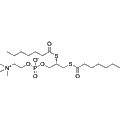
  • Diheptanoyl Thio-PC
    Cat. No.
    A74473

    Diheptanoyl Thio-PC

    Diheptanoyl Thio-PC is a substrate designed for the enzymatic activity of phospholipase A2s (PLA2s), excluding cytosolic PLA2 and PAF-acetyl hydrolase. This compound undergoes hydrolysis at the sn-2 position, releasing a free thiol group on lysophospholipid. The resulting free thiol can be quantitatively measured using chromogenic assays, such as DTNB (Ellman’s reagent) and DTP, making it valuable for studies involving phospholipase activity and lipid metabolism.

    1 mg
    $270.00
    5 mg
    $465.00
    All 5 sizes
  • Sandosaponin A
    Cat. No.
    A74511

    Sandosaponin A

    Synonyms: Soyasaponin Bd

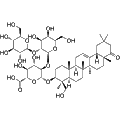
    Sandosaponin A is a saponin that primarily targets human recombinant aldehyde reductase (hAKR1B1), exhibiting notable inhibitory activity. This compound effectively inhibits the reduction of both l-idose and 4-hydroxynonenal, highlighting its role in distinguishing between different aldehyde reductase inhibitors in complex mixtures. The mechanism of inhibition by Sandosaponin A is thought to involve its interaction with diverse substrates, making it a valuable tool for research focused on metabolic pathways and enzyme regulation.

    25 mg
    $1,275.00
    All 1 sizes
  • 8(Z)-Eicosenoic acid
    Cat. No.
    A74536

    8(Z)-Eicosenoic acid

    Synonyms: cis-8-Eicosenoic acid

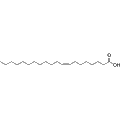
    8(Z)-Eicosenoic acid is a cis-unsaturated free fatty acid that serves as an endogenous metabolite. This 20-carbon chain fatty acid potentiates acetylcholine receptor channel currents without causing depression and enhances the phosphorylation of protein kinase C epsilon (PKCε) substrates in Xenopus oocytes. It represents approximately 6% of the fatty acid composition in seed oil derived from Bursera collina, making it significant for studies in fatty acid metabolism and receptor pharmacology.

    50 mg
    $75.00
    100 mg
    $125.00
    All 5 sizes
  • (E/Z)-Linoleoyl-CoA
    Cat. No.
    A74550

    (E/Z)-Linoleoyl-CoA

    Synonyms: (E/Z)-Linoleoyl Coenzyme A; (E/Z)-9,12-Octadecadienoyl Coenzyme A

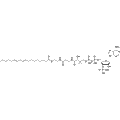
    (E/Z)-Linoleoyl-CoA is an endogenous metabolite that serves as a substrate for analyzing the specificity and kinetics of acyl-CoA. Its unique ability to substitute for different substrates allows for the investigation of amino acid substitutions, which can impact the reactivity with various desaturases. Research involving (E/Z)-Linoleoyl-CoA enhances the understanding of substrate specificity in mammalian fatty acid desaturases and facilitates the development of methods for the efficient production of valuable fatty acids.

    Out of stock

    All 3 sizes

Items 26-49 of 49

Added to your cart

View Cart Checkout

    Loading...