- Cat. No.
- A17216
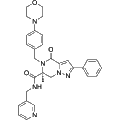
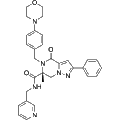
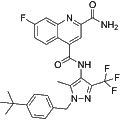
BAY-876
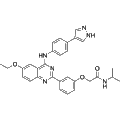
BAY-876 is a potent and Selective GLUT1 Inhibitor. BAY-876 showed good metabolic stability in vitro and high oral bioavailability in vivo.
Search by product name, CAS, target or catalog number. Press Down Arrow to reach product suggestions, Tab to move between links, and Escape to close suggestions.
GLUT inhibitors and modulators act on glucose transporters, the membrane carriers that move glucose into cells. The glucose transporter (GLUT) proteins belong to the solute carrier family 2 (SLC2) and mediate facilitated diffusion of hexoses. GLUT1 was the first member to be sequenced, in 1985, and its crystal structure was reported in 2014. Because many tumor cells rely on increased glucose uptake, GLUT1 is a frequent subject of cancer metabolism research. BAY-876 was described as a highly selective GLUT1 inhibitor, and WZB117 and STF-31 also target GLUT1. Glutor acts on several isoforms, while D927 promotes GLUT4 translocation for studies of insulin-regulated glucose uptake.
BAY-876 is a potent and Selective GLUT1 Inhibitor. BAY-876 showed good metabolic stability in vitro and high oral bioavailability in vivo.
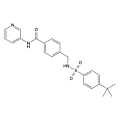
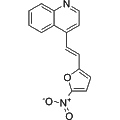
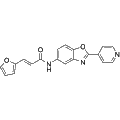
STF-31 is an inhibitor of glucose transporter 1 (GLUT1, IC50 = 1 muM),
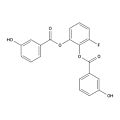
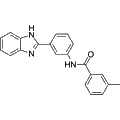
WZB117 is an inhibitor of Glucose Transporter 1 (GLUT1). It inhibited cell proliferation in lung cancer A549 cells and breast cancer MCF7 cells with an IC50 of approximately 10 uM.
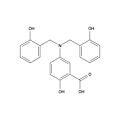
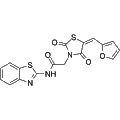
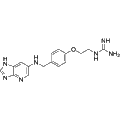
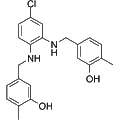
Lavendustin B is an inhibitor of HIV-1 integrase interaction with LEDGF/p75 with an IC50 of 94.07 μM. Lavendustin B is an ATP-competitive GLUT1 inhibitor with a Ki of 15 µM. Lavendustin B is also a weak inhibitor of tyrosine kinases.
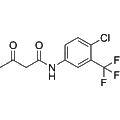
Fasentin is a selective inhibitor of glucose transporters GLUT-1 and GLUT-4, with a particularly potent effect on GLUT-4 (IC50 = 68 μM). This compound functions as a sensitizer for death receptor signaling, enhancing the susceptibility of cells to Fas-induced apoptosis and TNF-related apoptosis-inducing ligand. Fasentin effectively inhibits glucose uptake in various cancer cell lines and exhibits anti-angiogenic activity, making it a valuable tool for research in cancer metabolism and therapeutic strategies targeting glucose transport.
Glutor is a selective inhibitor of glucose transporter proteins GLUT 1, 2, and 3, effectively suppressing glucose uptake in cells. It inhibits glycolysis and exhibits anti-tumor activity by inducing apoptosis in cancer cell lines. This compound is valuable for research into metabolic disorders and cancer biology, exploring the role of glucose transporters in cellular metabolism and tumor progression.
GLUT4-IN-2 is a selective inhibitor of the glucose transporter GLUT4, exhibiting IC50 values of 6.8 µM for GLUT4 and 11.4 µM for GLUT1. This compound has been shown to induce cell apoptosis and arrest the cell cycle at the G0/G1 phase, highlighting its potential as an anticancer agent. GLUT4-IN-2 is suitable for research applications aimed at understanding glucose metabolism and evaluating therapeutic strategies in cancer biology.
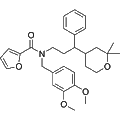
(R)-Glutor is the R-enantiomer of Glutor and serves as a selective inhibitor of glucose transporters GLUT1, GLUT2, and GLUT3. This compound effectively suppresses glucose uptake, thereby inhibiting glycolysis and exhibiting anti-tumor properties. Research applications include studies on metabolic regulation in cancer cells and potential therapeutic strategies targeting tumor growth and apoptosis.
GLUT-1-IN-4 is a selective inhibitor of the GLUT-1 glucose transporter, acting through a p53 protein-dependent mechanism. This compound demonstrates potent anticancer activity, effectively inhibiting the proliferation of various cancer cell lines with IC50 values in the submicromolar range. GLUT-1-IN-4 induces cell cycle arrest, promotes oxidative stress, and triggers apoptosis, making it a valuable tool for research in cancer metabolism and therapeutic strategies targeting glucose uptake in tumors.
Out of stock
All 3 sizes
S-0636 is a selective inhibitor of glutamyl cyclase (QC), demonstrating low cytotoxicity and resistance profiles. This compound effectively targets and inhibits virulence factors of Porphyromonas gingivalis, making it a valuable tool for investigating bacterial infections. Its specificity and efficacy support its application in studies aimed at understanding the role of QC in pathogenicity and potential therapeutic interventions.
Out of stock
All 3 sizes
KL-11743 is a potent, orally active inhibitor of class I glucose transporters, exhibiting IC50 values of 115 nM for GLUT1, 137 nM for GLUT2, 90 nM for GLUT3, and 68 nM for GLUT4. This glucose-competitive inhibitor effectively disrupts glucose metabolism and demonstrates potential for synergistic effects with electron transport inhibitors, inducing cell death. Additionally, KL-11743 promotes the formation of disulfide bonds in actin cytoskeletal proteins, leading to a unique form of cellular disulfidptosis. It is a valuable tool for research applications involving metabolic regulation and cell death mechanisms.
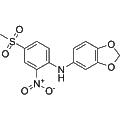
MSNBA is a selective inhibitor of the GLUT5 fructose transporter, exhibiting an IC50 of 0.10 mM. This compound functions as a competitive inhibitor, demonstrating a Ki value of 3.2 μM in MCF7 cells while showing no impact on human GLUT1, GLUT2, GLUT3, GLUT4, or the bacterial transporter GlcPSe. MSNBA is valuable for research focused on cancer metabolism and diabetes, providing insights into fructose transport regulation and its implications in these conditions.
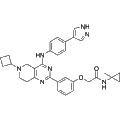
GLUT inhibitor-1 is a highly potent, orally active inhibitor of glucose transporters, specifically targeting GLUT1 and GLUT3 with IC50 values of 242 nM and 179 nM, respectively. This compound is crucial for research applications focused on cancer metabolism and the modulation of immune responses in autoimmune diseases. Its ability to effectively inhibit glucose uptake makes it a valuable tool in evaluating therapeutic strategies in metabolic and inflammatory conditions.
DRB18 is a potent pan-class glucose transporter (GLUT) inhibitor. This compound modulates energy metabolism in A549 cells by altering metabolite levels within glucose-related pathways, ultimately resulting in G1/S phase cell cycle arrest. Additionally, DRB18 increases oxidative stress and promotes necrotic cell death, demonstrating its potential as an anti-tumor agent in cancer research.
SW157765 is a selective inhibitor of the non-canonical glucose transporter GLUT8 (SLC2A8). It demonstrates significant biological activity by selectively targeting KRAS/KEAP1 double mutant non-small cell lung cancer (NSCLC) cells, which exhibit heightened sensitivity due to the interplay between KRAS and NRF2 that modulates metabolic and xenobiotic gene regulatory programs. This reagent is valuable for research related to cancer metabolism and therapeutic strategies in NSCLC.
GLUT1-IN-2 is a potent inhibitor of the glucose transporter GLUT1, exhibiting an IC50 value of 12 μM. In addition, GLUT1-IN-2 effectively inhibits the Plasmodium falciparum hexose transporter PfHT with an IC50 of 13 μM. This compound is valuable for research into infectious diseases, particularly those related to malaria and glucose metabolism in pathogens.
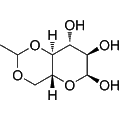
Synonyms: Ethylidene-glucose
4,6-O-Ethylidene-α-D-glucose is a competitive inhibitor of glucose transporter 1 (GLUT1), specifically targeting the exofacial binding site. With a Ki of 12 mM for the transport of wild-type 2-deoxy-D-glucose, this glucose derivative can be utilized in research focused on glucose metabolism and transport mechanisms. Its inhibitory effects on GLUT1 make it valuable for studies related to glucose-dependent pathologies, including cancer and metabolic disorders.
BAY-588 is a selective inhibitor of the glucose transporter GLUT1, exhibiting an IC50 value of 1.18 μM. This compound is pivotal for exploring the role of GLUT1 in various metabolic processes and disease states, including cancer and neurodegenerative disorders. It serves as a valuable tool in research focused on glucose metabolism and transporter modulation.
(Rac)-Glutipyran is a broad-spectrum inhibitor of glucose transporters GLUT1 and GLUT3. It effectively inhibits glucose uptake, leading to significant suppression of the growth of various cancer cell lines, including PANC-1, with an IC50 value of 1.8 μM for cell growth and 0.13 μM for glucose uptake. This compound serves as a valuable tool for research in cancer metabolism and the role of glucose transport in tumorigenesis.