Natriuretic Peptide Receptor (NPR)

Natriuretic peptide receptor (NPR) ligands act on the receptors that mediate natriuresis and vasodilation. Atrial, B-type and C-type natriuretic peptides (ANP, BNP, CNP) bind three receptors, NPR-A, NPR-B and NPR-C. NPR-A and NPR-B are transmembrane guanylyl cyclases that make cyclic guanosine monophosphate (cGMP) rather than coupling to G proteins. A membrane guanylyl cyclase was shown in 1989 to act as an ANP receptor. NPR-C lacks a cyclase domain and was proposed in 1987 to clear natriuretic peptides from the circulation. Nesiritide acetate, a form of human BNP, and ularitide activate NPR-A. AP 811 is an NPR-C antagonist, and A 71915 is listed as an ANP antagonist.

1 Item

  • ANP [Des18-22] 4-23 amide (rat)
    Cat. No.
    A61959

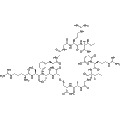
    ANP [Des18-22] 4-23 amide (rat)

    ANP [Des18-22] 4-23 amide (rat) is a polypeptide fragment derived from rat atrial natriuretic peptide (ANP) that selectively interacts with the natriuretic peptide receptor C (NPR-C). This compound is instrumental in studying NPR-C signaling pathways and evaluating the physiological effects of natriuretic peptides in cardiovascular research and related fields. Its specificity for NPR-C makes it a valuable tool for in vitro experiments aimed at elucidating receptor-mediated responses.

    1 mg
    $200.00
    5 mg
    $515.00
    All 5 sizes

1 Item

Added to your cart

View Cart Checkout

    Loading...