- Cat. No.
- A17988
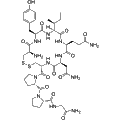
Oxytocin
Synonyms: α-Hypophamine; Oxytocic hormone
Oxytocin (α-Hypophamine) is a mammalian neurohypophysial hormone; its actions are mediated by specific, high-affinity oxytocin receptors; ligand of oxytocin receptor.
Search by product name, CAS, target or catalog number. Press Down Arrow to reach product suggestions, Tab to move between links, and Escape to close suggestions.
Oxytocin receptor antagonists and agonists act on the receptor for the neurohypophysial hormone oxytocin. The human oxytocin receptor was cloned and characterized in 1992 as a member of the G protein-coupled receptor superfamily. In peripheral tissues it mediates uterine contraction and milk ejection, while central oxytocin signaling is studied in social behavior. Atosiban is a peptide antagonist that also binds the vasopressin V1a receptor. Retosiban, epelsiban and L-368,899 hydrochloride are nonpeptide oxytocin receptor antagonists. Carbetocin is a long-acting peptide agonist, and oxytocin itself serves as the reference ligand in binding and functional assays.
Synonyms: α-Hypophamine; Oxytocic hormone
Oxytocin (α-Hypophamine) is a mammalian neurohypophysial hormone; its actions are mediated by specific, high-affinity oxytocin receptors; ligand of oxytocin receptor.
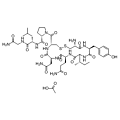
Synonyms: α-Hypophamine acetate; Oxytocic hormone acetate
Oxytocin (α-Hypophamine) acetate is a pleiotropic, hypothalamic peptide known for facilitating parturition, lactation, and prosocial behaviors. Oxytocin acetate can function as a stress-coping molecule with anti-inflammatory, antioxidant, and protective effects especially in the face of adversity or trauma.
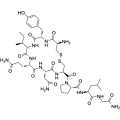
Pro8-Oxytocin is a modified oxytocin (OXT) ligand that exhibits enhanced potency and efficacy at primate oxytocin receptors (OXTR) compared to Leu8-Oxytocin. This compound demonstrates significantly stronger behavioral effects, making it a valuable tool in neuropharmacology research. Additionally, Pro8-Oxytocin shows a lower efficacy than vasopressin at human AVPR1a receptors while producing a higher efficacy at marmoset AVPR1a receptors, positioning it as an important reagent for studying receptor specificity and ligand-receptor interactions.